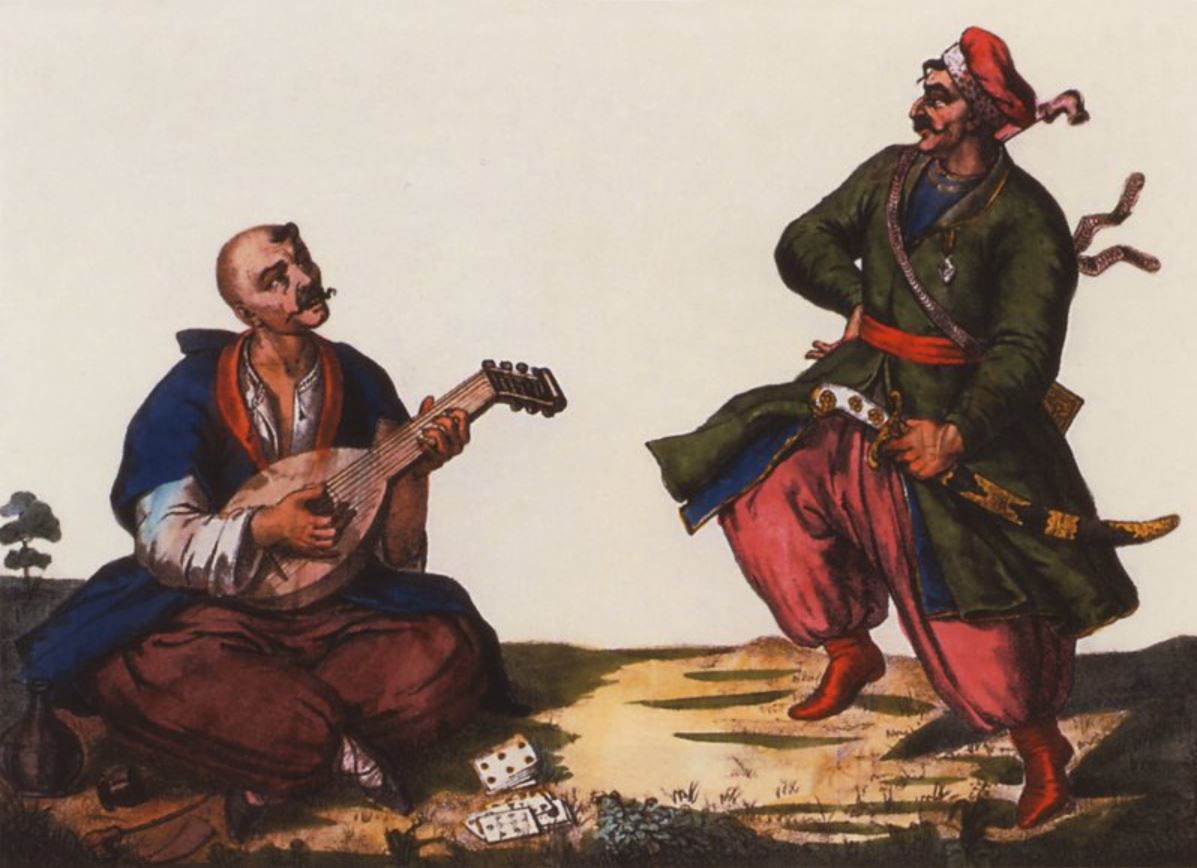


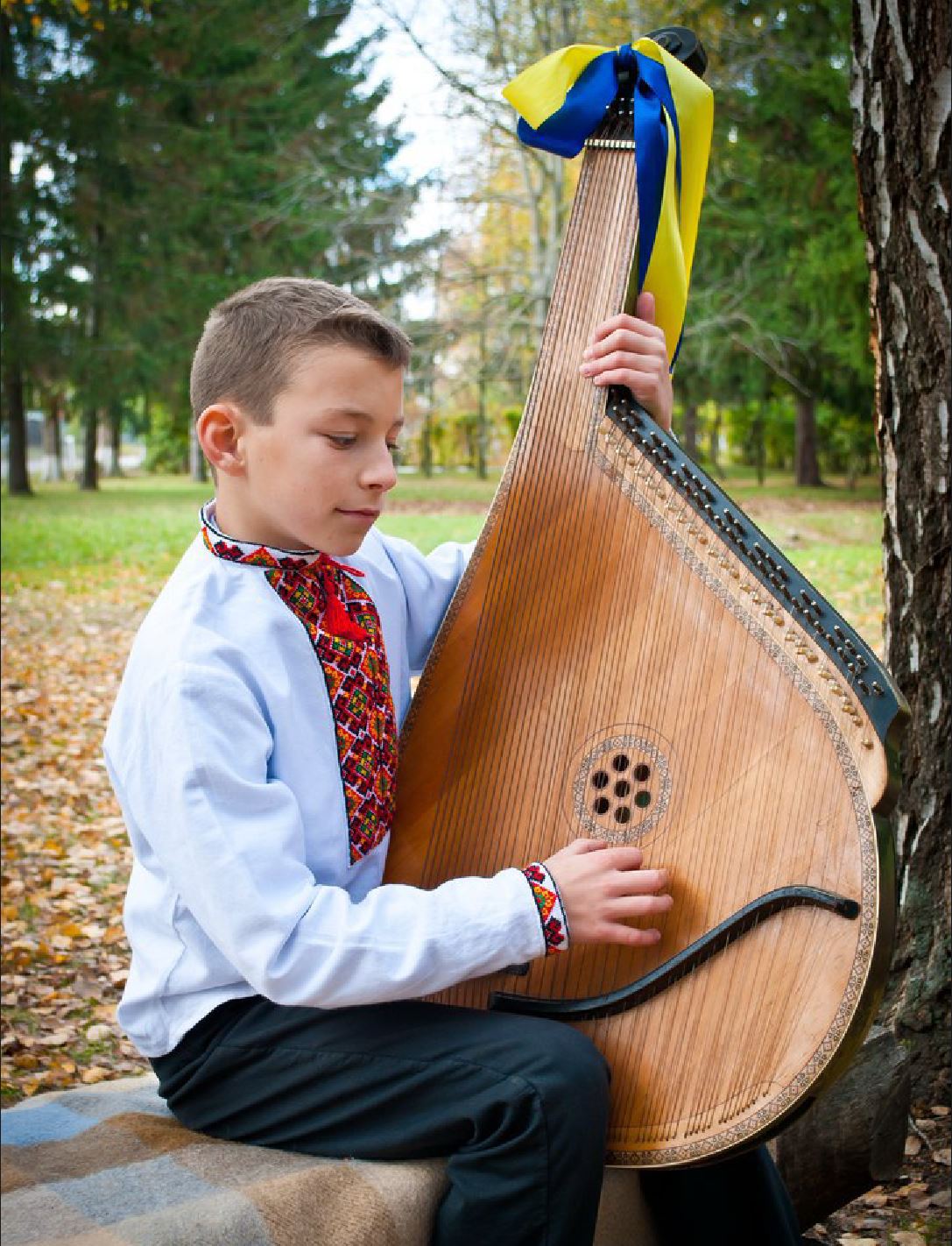
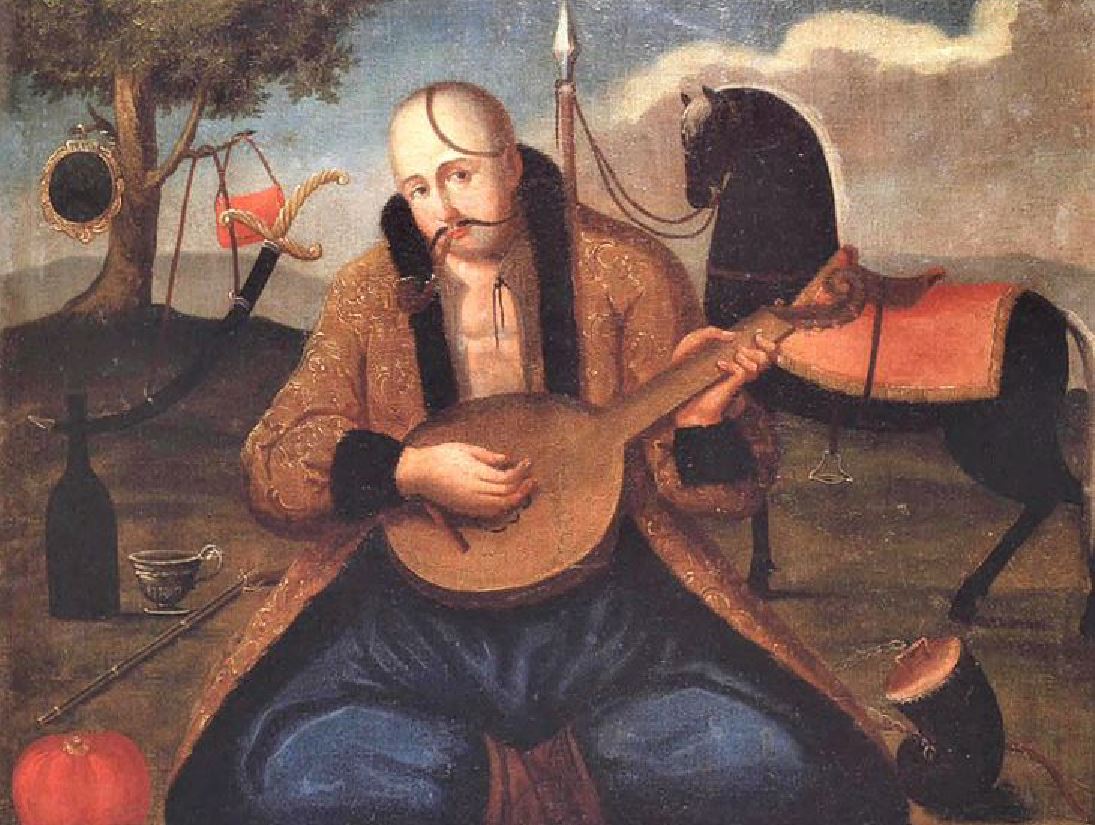
The kobzar is a revered figure in Ukrainian cultural history, embodying the rich musical and poetic traditions of the Ukrainian people. A kobzar is a Ukrainian folk singer and musician who specializes in playing the kobza or bandura, a lute-like stringed instrument. The kobzars have long held a central role in preserving and transmitting the oral history, epic poetry, and musical heritage of Ukraine, making them guardians of the nation's cultural identity.
The origins of the kobza and the kobzar tradition can be traced back to the medieval period in Ukraine. The earliest known references to the kobza date back to the 14th century, when the instrument was mentioned in Polish chronicles. The term "kobza" is thought to be of Turkic origin, related to similar lute-like instruments found in Central Asia, such as the Kazakh kobyz and the Kyrgyz komuz.
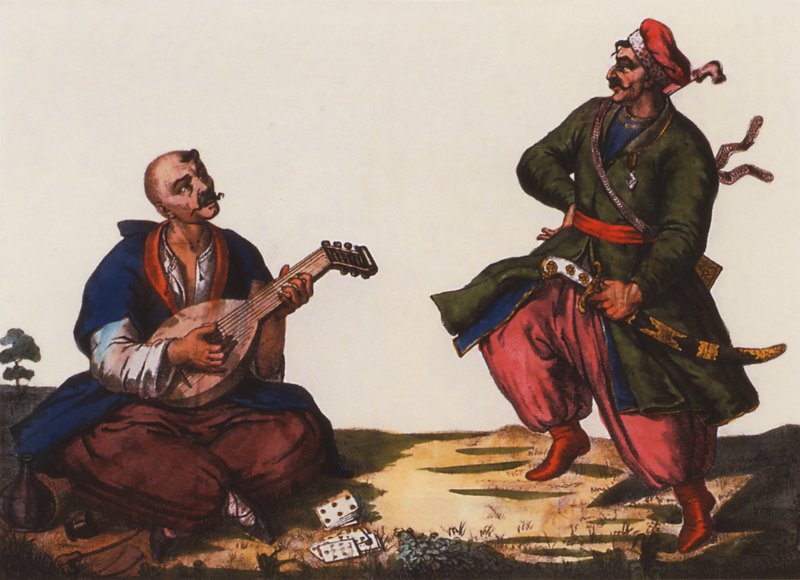
It is believed that the kobza was introduced to Ukraine in the 13th century, when a significant group of Turkic people from Abkhazia settled in the Poltava region. These settlers likely brought the kobza with them, and the instrument gradually became integrated into the musical culture of the Ukrainian people.
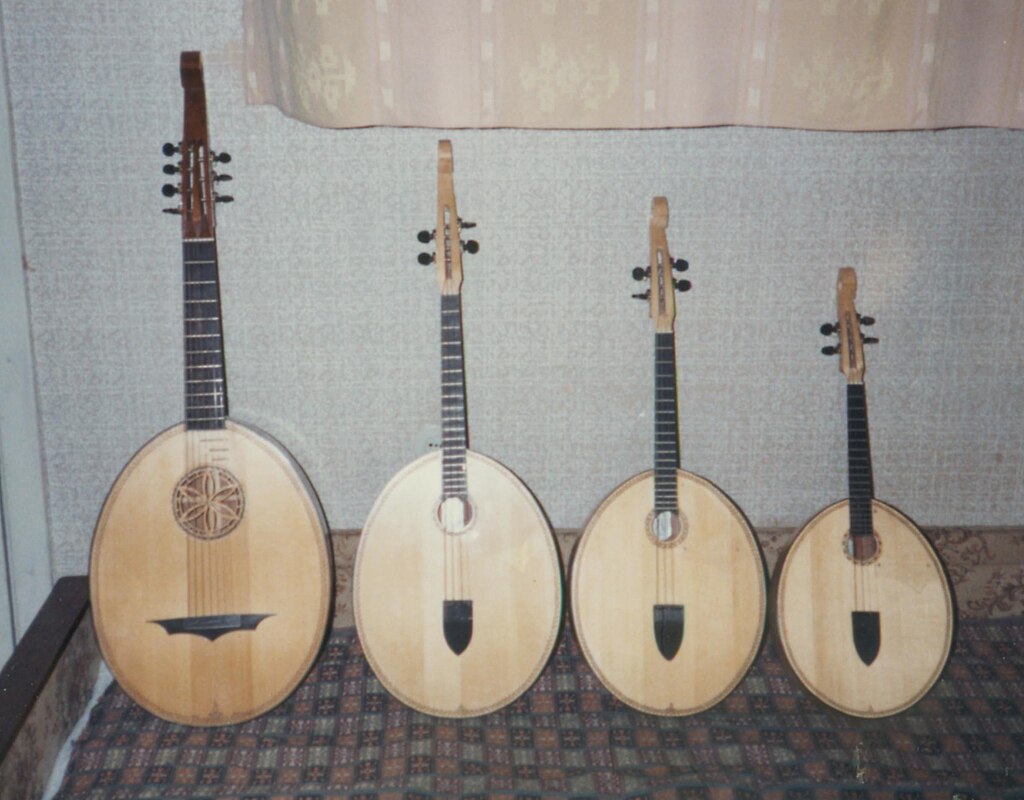
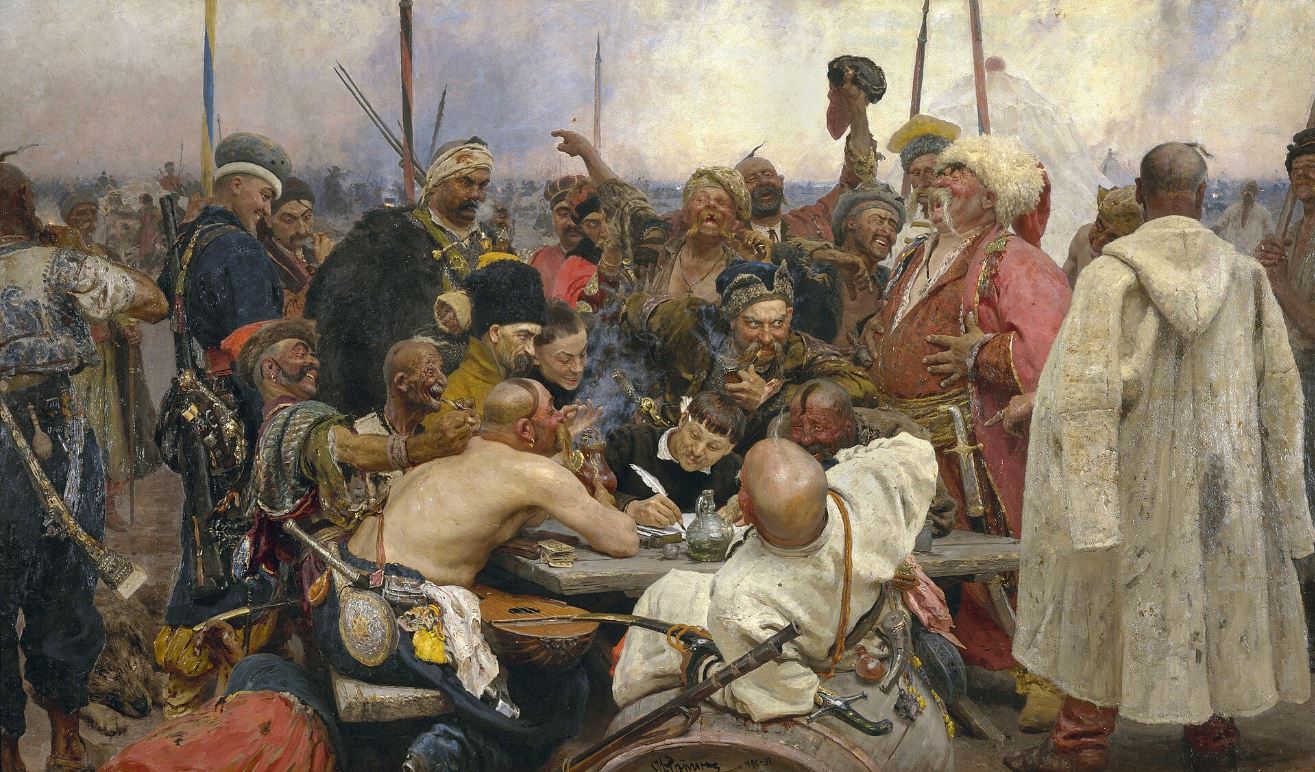
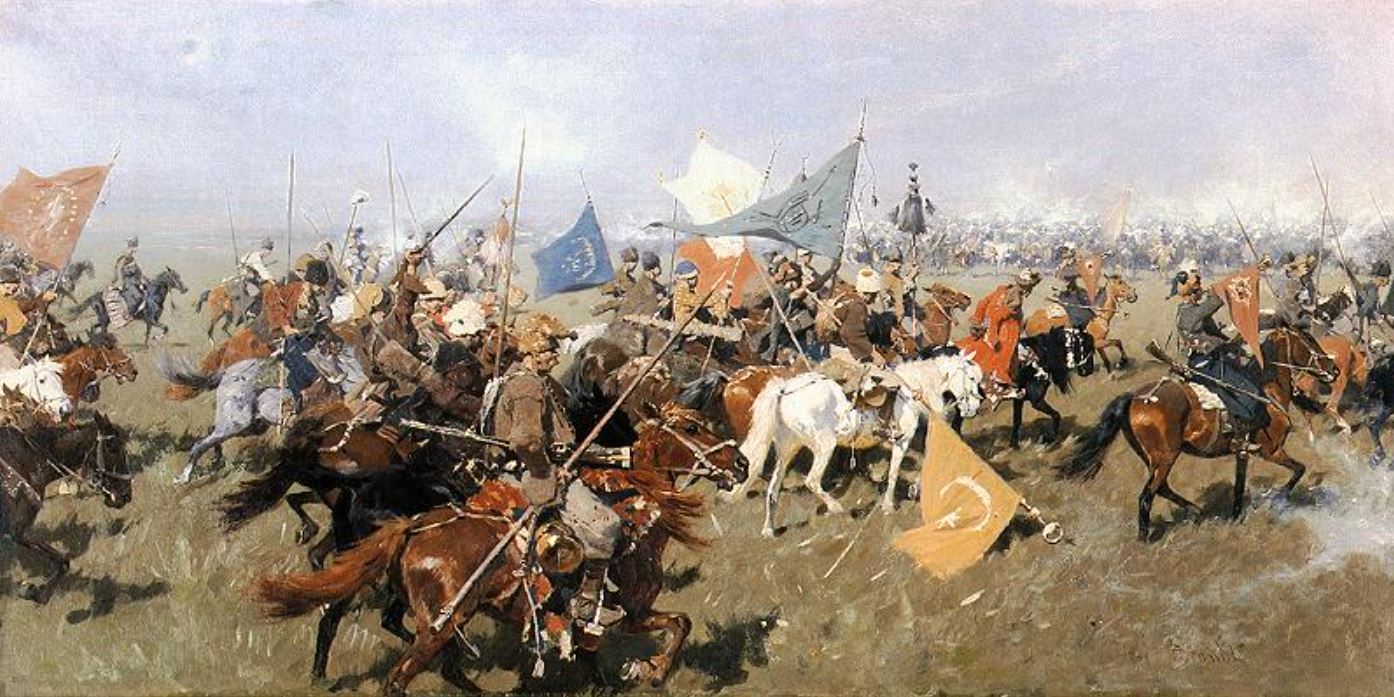
During the Cossack era, which spanned the 16th to 18th centuries, the kobzar tradition flourished. The Cossacks, a semi-autonomous military class that played a crucial role in Ukrainian history, were known to employ kobzars to accompany their epic ballads and historical recitations. The kobzars became essential figures in Cossack society, serving as bards, storytellers, and keepers of the cultural heritage.
The 19th century is often considered the golden age of the kobzars. This period saw the rise of renowned kobzar figures like Ostap Veresai, who is widely regarded as the most famous kobzar of the 19th century. Veresai's virtuosic performances and extensive repertoire of dumy (epic ballads) solidified the kobzar's place as a cultural icon in Ukraine.
Throughout this period, the kobza and the bandura (a related instrument that became increasingly popular) were often used interchangeably, with the terms used to refer to the same or similar instruments. The bandura, which had a more extensive range and a more complex construction, gradually gained prominence, but the kobza remained an integral part of the Ukrainian musical tradition.
Prominent Kobzars
Ostap Veresai (1803-1890) is widely considered the most famous and influential kobzar of the 19th century. Veresai was born in the Poltava region and began his career as a kobzar at a young age, honing his skills and repertoire over the course of his long life.
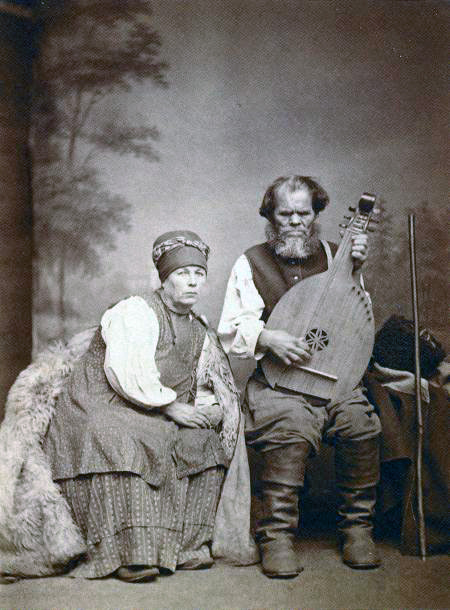
Veresai's playing style was unique and highly distinctive. He employed a technique known as "stopping the strings along the neck," which allowed him to produce a rich, resonant sound without the use of frets. Veresai's instrument had six single, unstopped strings mounted along the treble side, as well as six stoppable strings strung along the neck. He would pluck the strings with his right hand while using his left hand to stop the strings on the fingerboard, creating a complex and mesmerizing musical tapestry.
Veresai's repertoire was extensive, encompassing a wide range of dumy (epic ballads) and other traditional Ukrainian songs. He was renowned for his ability to captivate audiences with his powerful, emotive performances, which often featured dramatic recitations of the dumy's poetic lyrics. Veresai's influence on the kobzar tradition was profound, and he is widely regarded as a seminal figure in the preservation and transmission of Ukrainian cultural heritage.
In addition to Ostap Veresai, there were many other notable kobzars who made significant contributions to the tradition. One such figure was Hryhoriy Kytasty (1907-1984), a 20th-century kobzar who played a crucial role in the revival of the kobzar tradition during the Soviet era. Kytasty was a virtuoso performer and a tireless advocate for the preservation of Ukrainian folk music, working to train a new generation of kobzars and to keep the tradition alive in the face of state-sponsored suppression.
Another important kobzar was Hnat Khotkevych (1877-1938), a multi-talented artist who was not only a skilled kobza player but also a writer, playwright, and ethnographer. Khotkevych made significant contributions to the study and documentation of the kobzar tradition, and his writings and recordings have been invaluable resources for scholars and musicians alike.
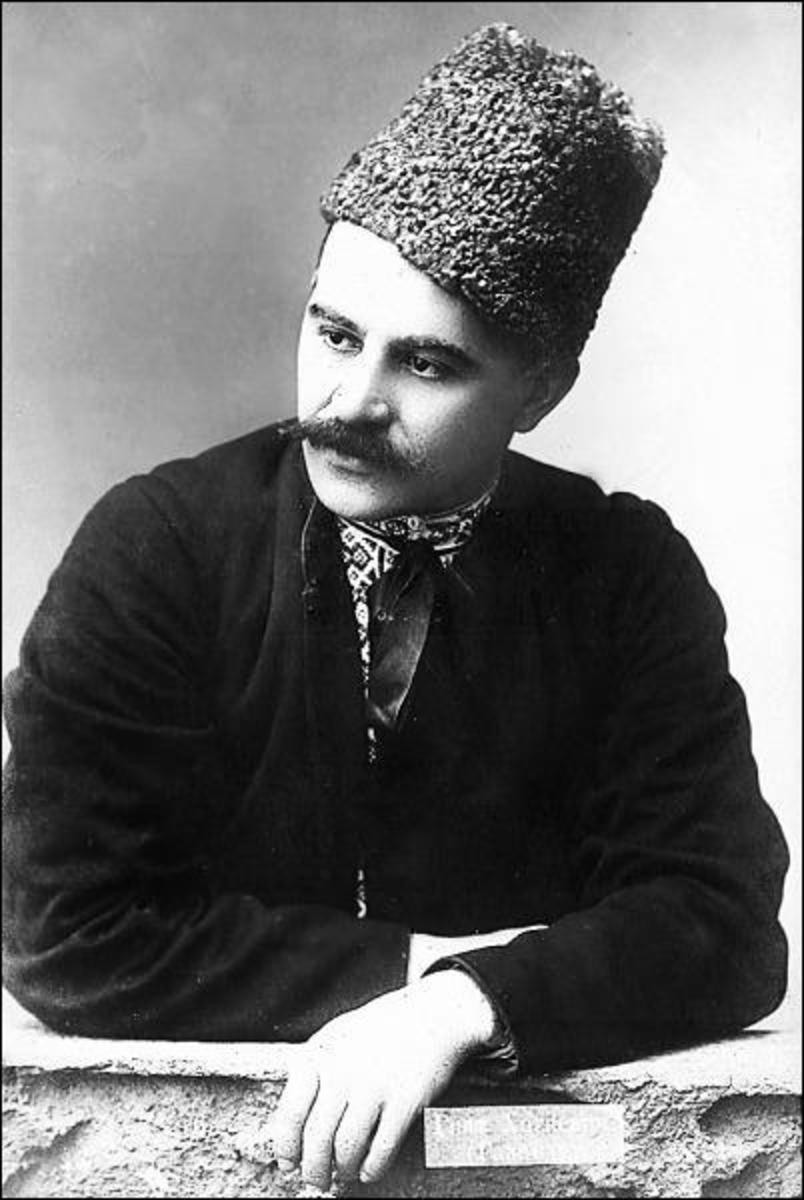
These are just a few examples of the many remarkable kobzars who have shaped the tradition over the centuries. Each of these figures has left an indelible mark on the cultural heritage of Ukraine, ensuring that the legacy of the kobzar lives on.
The Kobzar Repertoire
The kobzars were not merely musicians; they were also keepers of Ukraine's oral history and cultural traditions. The core of the kobzar repertoire was the dumy, a genre of epic ballads that recounted the struggles, triumphs, and tragedies of the Ukrainian people.
The dumy were long, narrative poems that were often accompanied by the haunting, melancholic melodies of the kobza or bandura. These ballads typically focused on historical events, such as the Cossack uprisings against foreign rule, or on the lives of legendary Ukrainian figures. The dumy were not merely entertainment; they served as a means of preserving and transmitting the collective memory and identity of the Ukrainian people.
In addition to the dumy, kobzars also performed a wide range of other traditional Ukrainian songs and musical styles. This repertoire included lyrical folk songs, ritual and ceremonial music, and instrumental pieces that showcased the virtuosity of the kobza or bandura. The kobzars were versatile musicians, able to adapt their performances to the needs and preferences of their audiences.
The kobzars' role as keepers of Ukrainian oral history and culture cannot be overstated. Through their performances, they not only entertained but also educated their audiences, passing down the stories, legends, and cultural traditions that were integral to the Ukrainian national identity. The kobzars were living repositories of the nation's collective memory, ensuring that the rich tapestry of Ukrainian history and culture was preserved and transmitted to future generations.
Taras Shevchenko's "Kobzar"
No discussion of the kobzar tradition would be complete without mentioning the profound impact of Taras Shevchenko's seminal work, "Kobzar." Published in 1840, this collection of poems and ballads not only cemented Shevchenko's status as one of Ukraine's greatest literary figures, but also solidified the kobzar as a symbol of Ukrainian national identity.
Shevchenko, himself a talented artist and poet, drew heavily on the rich tradition of the kobzars in his writing. Many of the poems in "Kobzar" are inspired by the epic ballads and folk songs that were the domain of the kobzars, and the figure of the kobzar himself appears as a recurring motif throughout the work.
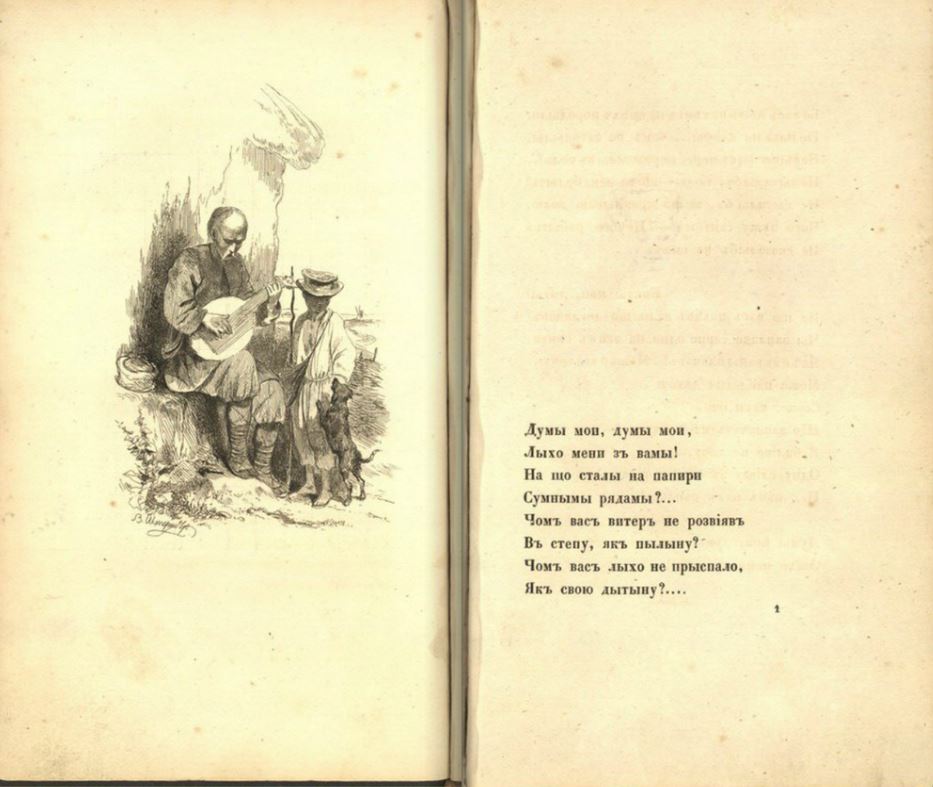
Through "Kobzar," Shevchenko elevated the kobzar tradition to new literary heights, using the iconic figure of the kobzar as a vessel to express the hopes, struggles, and aspirations of the Ukrainian people. The book's enduring popularity and influence have ensured that the kobzar remains a powerful symbol of Ukrainian cultural identity, a living embodiment of the nation's artistic and spiritual heritage.
In the decades and centuries that have followed, Shevchenko's "Kobzar" has continued to inspire and influence generations of Ukrainians, serving as a touchstone for the country's cultural and political movements. The book's enduring legacy is a testament to the profound impact of the kobzar tradition on the Ukrainian psyche, and a reminder of the vital role that these musical bards have played in shaping the nation's cultural identity.
Decline and Revival of the Kobzar Tradition
Despite the central role of the kobzars in Ukrainian cultural life, the tradition faced significant challenges and suppression in the 20th century. The rise of the Soviet Union and its policies of cultural homogenization posed a grave threat to the survival of the kobzar tradition.
During the Soviet era, the kobzars were targeted for their perceived ties to Ukrainian nationalism and their role as custodians of the nation's cultural heritage. Many kobzars were persecuted, imprisoned, or even executed, as the Soviet authorities sought to erase the unique cultural identities of the various ethnic groups within the Soviet Union.
The suppression of the kobzar tradition was particularly devastating during the Holodomor, the Soviet-engineered famine that devastated Ukraine in the early 1930s. Many kobzars perished during this tragic event, and the tradition was pushed to the brink of extinction.
However, the kobzar tradition proved to be resilient, and a revival movement began to emerge in the latter half of the 20th century. In the 1980s, a new generation of musicians and scholars began to rediscover and revitalize the kobzar tradition, working to preserve the instrument, the repertoire, and the performance practices that had been passed down through the generations.
Today, the kobzar tradition is experiencing a remarkable resurgence in Ukraine. A growing number of musicians, scholars, and cultural organizations are working to ensure that the legacy of the kobzars is not lost to history. From the establishment of the Kobzar Guild in Kyiv to the efforts of individual performers and teachers, the kobzar tradition is being revived and reinvigorated, ensuring that it remains a vital part of Ukraine's cultural landscape.