

Yurii Franz Kulczycki, a Ukrainian Cossack turned merchant and diplomat, is a pivotal figure in the history of Viennese coffee culture. His remarkable life story and pioneering efforts in introducing coffee to the city have left an indelible mark on the traditions and customs that define the iconic Viennese coffee house experience.
Kulczycki's background as a Cossack and his time spent in Turkish captivity uniquely positioned him to become a catalyst for the coffee revolution that would sweep through Vienna in the late 17th century. His exposure to Turkish customs and his mastery of the language allowed him to navigate the complexities of the post-siege city and leverage his knowledge to establish the first permanent coffee house, forever changing the social and cultural landscape of the Austrian capital.
Kulczycki's Early Life and Adventures
Yurii Franz Kulczycki was born around 1640 in the village of Kulchytsi, located in the Ruthenian Voivodeship of the Polish-Lithuanian Commonwealth, now Lviv region of modern-day Ukraine. Hailing from a noble family of the Kulchytski-Shelestovych clan, Kulczycki's early life was marked by a sense of adventure and a thirst for exploration.
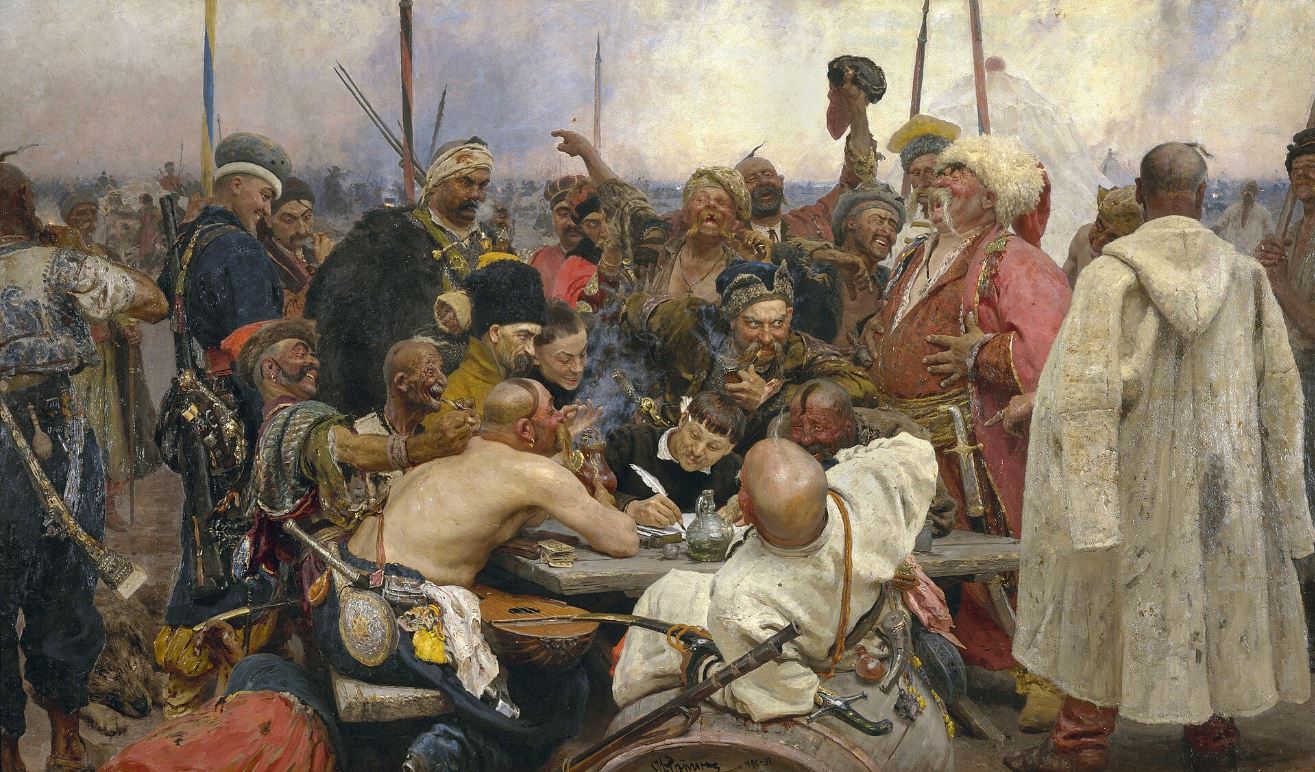
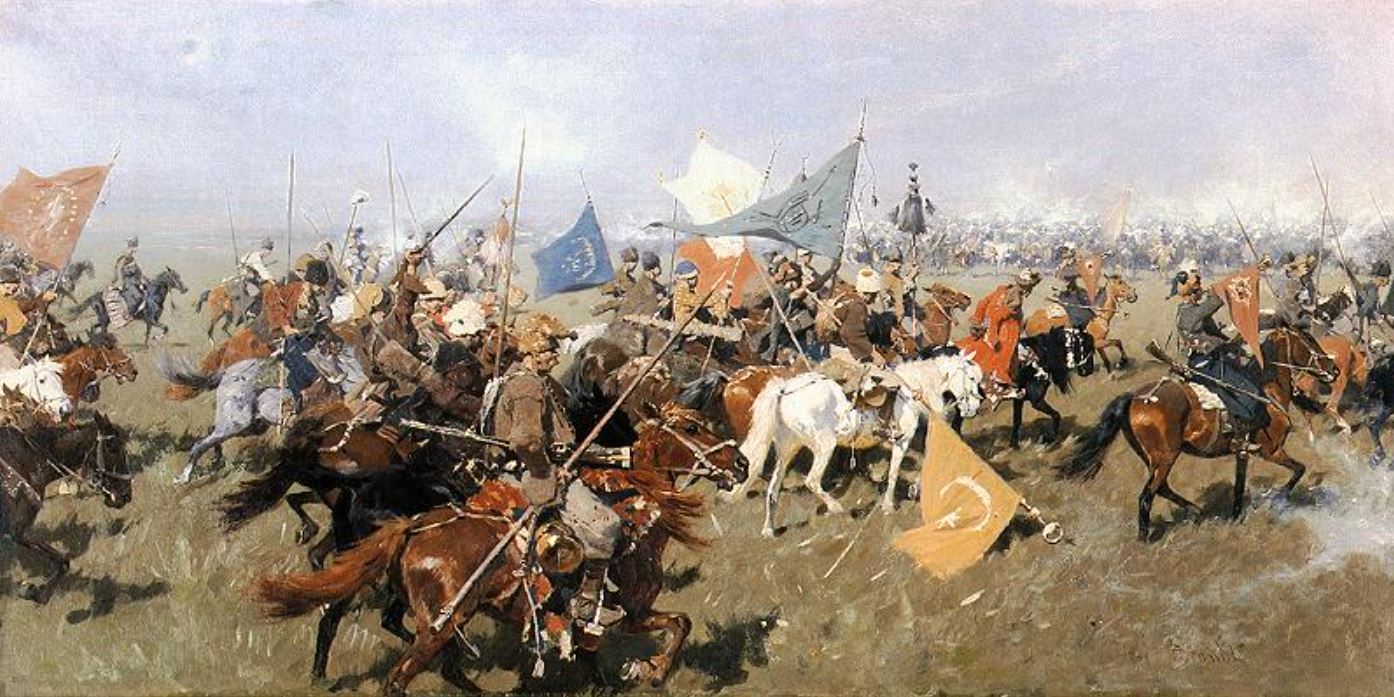
As a young man, Kulczycki joined the ranks of the Zaporozhian Cossacks, a semi-autonomous military and political organization that played a significant role in the history of Eastern Europe. During one of the Cossack's military campaigns, Kulczycki was captured by the Ottoman Turks and taken into captivity. This pivotal event would ultimately shape the trajectory of his life and future endeavors.
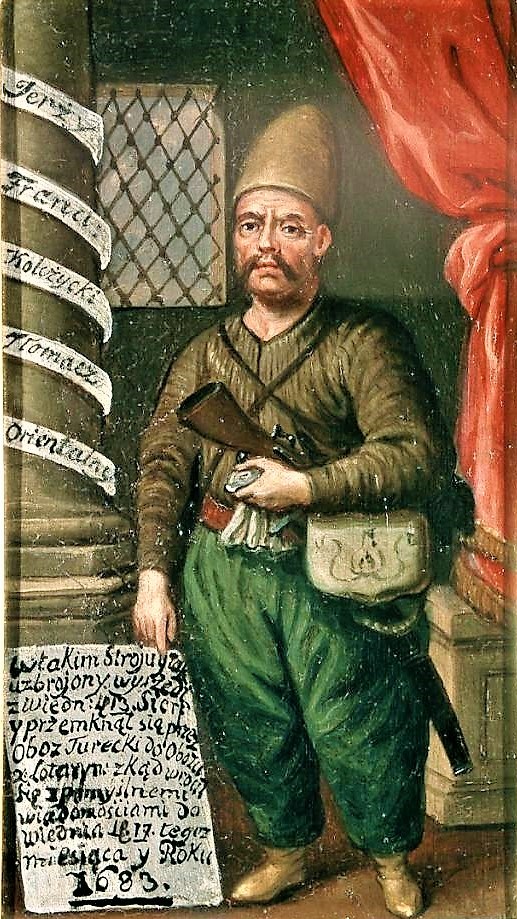
While imprisoned, Kulczycki immersed himself in Turkish culture and language, becoming fluent in the tongue of his captors. He also developed a taste for the Turkish beverage that would later become his claim to fame - coffee. The Ottomans' fondness for the dark, aromatic brew left a lasting impression on Kulczycki, who recognized its potential as a unique and intriguing commodity.
After a period of captivity, Kulczycki was eventually ransomed and freed by Serbian merchants, who employed him as a translator in the Belgrade branch of the Eastern Austrian Trading Company. With his newfound freedom and linguistic skills, Kulczycki began to establish himself as a successful merchant, leveraging his knowledge of Turkish customs and trade routes to facilitate commercial ventures.
Establishing the First Viennese Coffee House
Kulczycki's life took a dramatic turn in 1683 when the Ottoman Empire launched a massive siege on the city of Vienna. As the city's defenses were tested, Kulczycki saw an
opportunity to utilize his unique background and skills to aid the besieged Viennese. Offering his services as a translator and guide, Kulczycki successfully navigated the Turkish lines and delivered a crucial message to the Holy Roman Emperor, Leopold I, and the Duke of Lorraine, Charles V, requesting immediate military assistance.
Kulczycki's daring feat proved instrumental in the eventual lifting of the siege, and as a reward, he was granted the right to claim a portion of the captured Ottoman spoils. Recognizing the potential of the mysterious Turkish beverage, Kulczycki selected 300 sacks of coffee beans as his prize, setting the stage for his pioneering role in introducing coffee to Vienna.

Initially, Kulczycki faced significant resistance from the Viennese populace, who viewed the dark, bitter drink with suspicion and disdain. Undeterred, Kulczycki began experimenting with various methods of preparation and presentation, eventually developing the now-iconic "Viennese coffee" by sweetening the brew with honey and serving it with steamed milk. His innovative approach, combined with his charismatic persona and Turkish-inspired attire, gradually won over the skeptical Viennese.
In 1686, Kulczycki opened the "Blue Bottle" coffee house, one of the first permanent establishments of its kind in Vienna. The coffee house quickly became a hub of social and intellectual activity, attracting a diverse clientele ranging from scholars and artists to politicians and merchants. Kulczycki's coffee house not only served as a gathering place but also played a crucial role in disseminating the coffee-drinking culture throughout the city.
The Viennese Coffee House Culture
The coffee houses that Kulczycki helped establish in Vienna were more than just places to consume the aromatic brew; they were integral to the city's social and cultural fabric. These establishments became hubs of intellectual discourse, where patrons could engage in lively debates, read the latest newspapers, and exchange ideas.
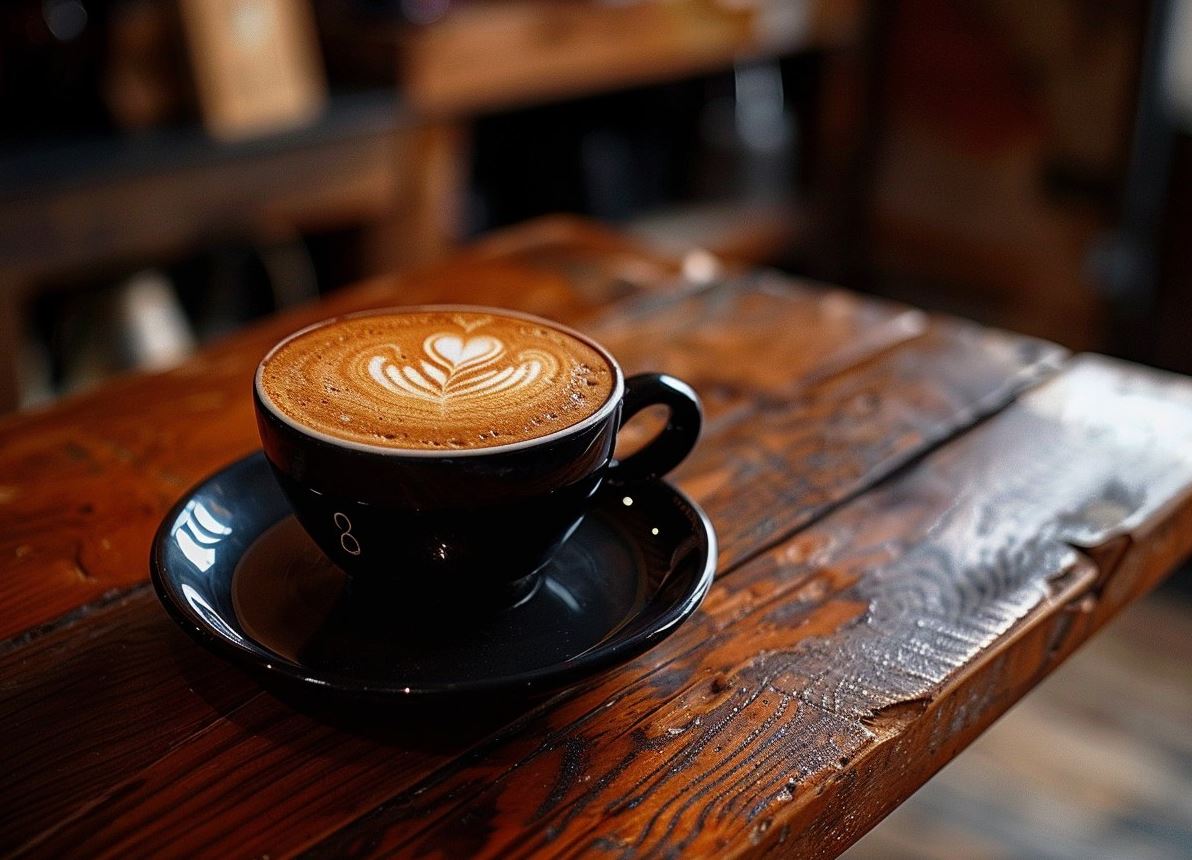
The unique atmosphere of the Viennese coffee house was defined by its leisurely pace and the rituals surrounding the consumption of coffee. Customers were encouraged to linger, sipping their drinks and savoring the moment. The coffee was typically served in small, porcelain cups, accompanied by a glass of water and a selection of pastries, such as the crescent-shaped "kipferl" that Kulczycki is credited with introducing.
The coffee house experience was not just about the beverage itself but also the social interactions and the sense of community it fostered. Patrons often had their favorite establishments, where they were recognized by the staff and could engage in conversations with regulars who shared their interests or professions. This sense of familiarity and belonging contributed to the enduring appeal of the Viennese coffee house culture.
Over time, the coffee houses evolved to cater to the diverse needs and preferences of their clientele. Some became known for attracting specific social or professional circles, such as artists, politicians, or academics. This specialization added to the unique character of each establishment, creating a rich tapestry of coffee house experiences within the city.
The Viennese Coffee Experience
At the heart of the Viennese coffee house culture lies the iconic Viennese coffee, a unique and meticulously prepared beverage that has become synonymous with the city's culinary traditions. The preparation of a Viennese coffee is a true art form, requiring skill, precision, and attention to detail.

The process begins with the selection of high-quality Arabica beans, which are roasted to a medium-dark profile, imparting a rich, complex flavor. The ground coffee is then carefully measured and brewed using a specialized Viennese coffee maker, a device that allows for a slow, gentle extraction of the coffee's essence.
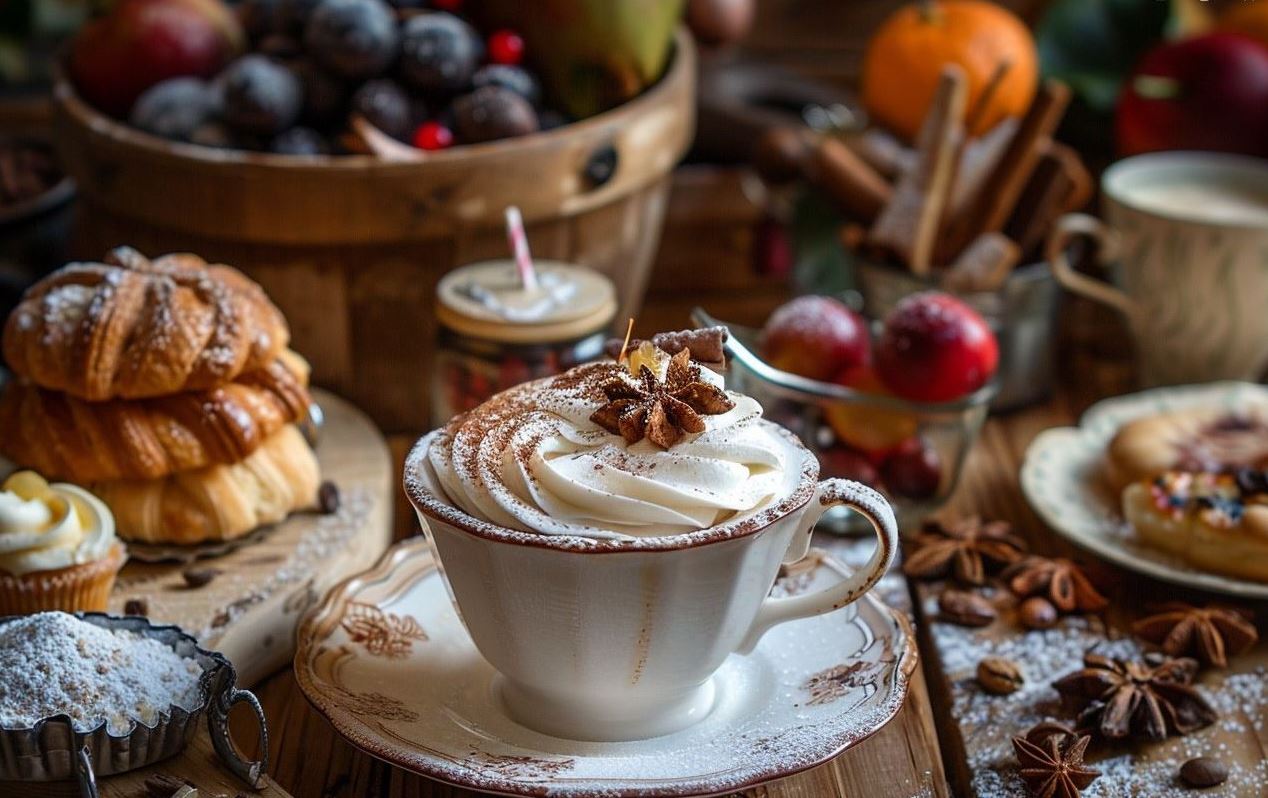
The resulting brew is then poured into a small, porcelain cup, where it is topped with a layer of velvety-smooth foam, known as the "Crema". This foam is created by the precise steaming and frothing of fresh, high-quality milk, which is then carefully added to the coffee.
The Viennese coffee experience is not complete without the traditional accompaniments. Alongside the coffee, patrons are typically served a glass of water, which is used to cleanse the palate between sips. Additionally, a selection of Viennese pastries, such as the iconic "Sachertorte" or the flaky "Kipferl," are often offered to complement the coffee.

Overall, Kulczycki's establishment of the "Blue Bottle" coffee house and his innovative approach to serving the beverage laid the foundation for the unique Viennese coffee house culture that continues to captivate visitors and locals alike. The leisurely pace, the social interactions, and the rituals surrounding the consumption of coffee in these establishments have become an integral part of Vienna's identity.