

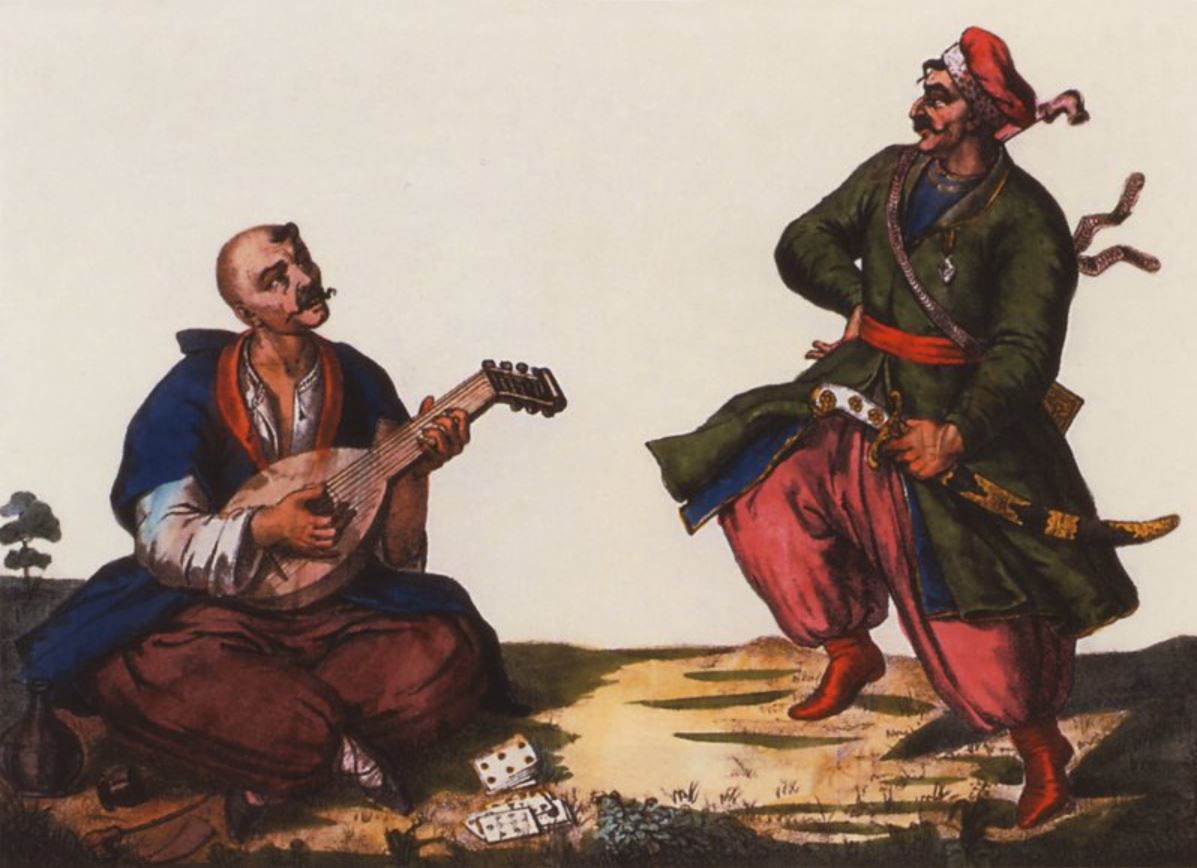
The intricate relationship between Ukrainian national and folk music traditions and the influence of Russian and Soviet musical styles and institutions has been a complex and multifaceted phenomenon throughout the 20th century. This article delves into the nuances of this dynamic, exploring how the two distinct musical cultures have interacted, converged, and at times, clashed.
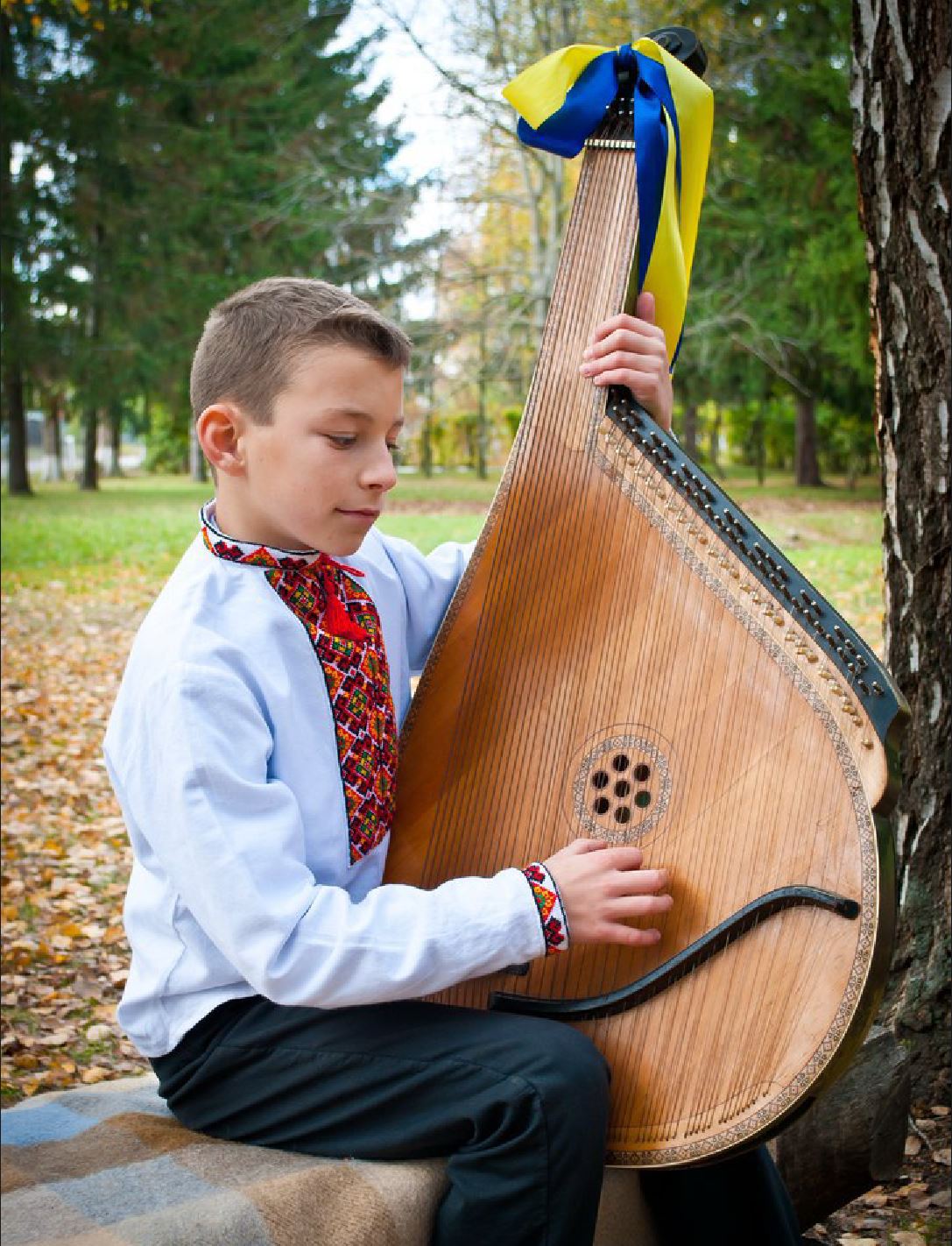
Ukraine's rich musical heritage, rooted in its vibrant folk traditions, has long been a source of pride and identity for the Ukrainian people. From the haunting melodies of the kobza (traditional lute) players to the rhythmic energy of the Ukrainian dance music, the country's musical identity has been deeply ingrained in its cultural fabric. However, the course of the 20th century saw Ukraine's musical landscape profoundly shaped by the political and cultural forces of the Russian Empire and the Soviet Union.
The early 20th century marked a significant period of Ukrainian musical development, as composers and musicians sought to assert the unique character of their national music. Figures like Mykola Lysenko, the father of Ukrainian classical music, worked tirelessly to incorporate Ukrainian folk elements into their compositions, creating a distinct Ukrainian musical voice. This period also saw the emergence of a thriving choral tradition, with composers like Kyrylo Stetsenko and Yakiv Stepovyi elevating the art of choral music.
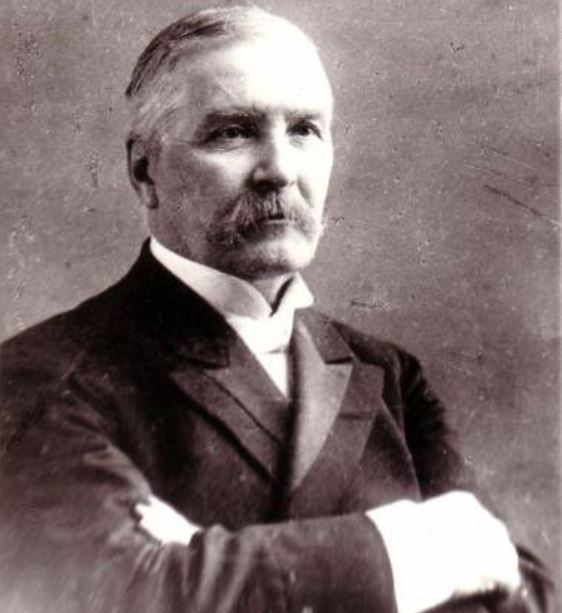
The Bolshevik Revolution of 1917 and the subsequent establishment of the Soviet Union brought about a new era of cultural policies that had a profound impact on Ukrainian music. The Soviet regime, with its emphasis on socialist realism and the promotion of a unified "Soviet culture," sought to harness the power of music as a tool for political and ideological indoctrination. This led to a complex interplay between Ukrainian national traditions and the influence of Russian and Soviet musical styles and institutions.
On the one hand, the Soviet authorities recognized the importance of Ukrainian folk music and its potential to serve their ideological agenda. They actively encouraged the collection, preservation, and dissemination of Ukrainian folk songs and dances, often incorporating them into the repertoire of state-sponsored ensembles and choirs. This resulted in a surge of interest in Ukrainian folk music, with composers incorporating these elements into their works.
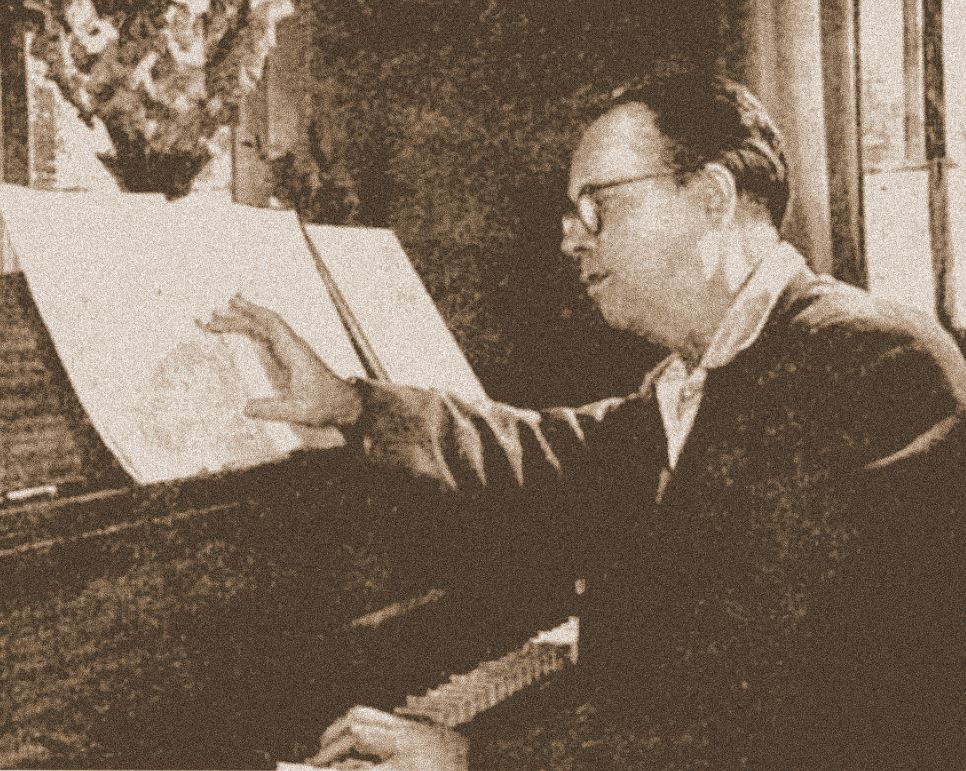
However, the Soviet regime also imposed strict guidelines and restrictions on the expression of Ukrainian national identity in music. Composers were expected to adhere to the principles of socialist realism, which favored the portrayal of heroic, optimistic, and patriotic themes. The use of Ukrainian folk elements was often limited to surface-level appropriation, with the underlying musical language and structures remaining firmly rooted in the Russian and Soviet tradition.
The period of the World War II saw a temporary relaxation of these restrictions, as Ukrainian composers were encouraged to draw upon the country's rich musical heritage to rally the people in the fight against fascism. Works like Andrii Shtoharenko's "Ukraino Moia" (My Ukraine) and Heorhii Maiboroda's "Duma pro Maty-Ukrainu" (Ballad about Mother Ukraine) became powerful symbols of Ukrainian resilience and national pride.
However, in the post-war years, the Soviet regime once again tightened its grip on cultural expression, leading to a renewed emphasis on the assimilation of Ukrainian music into the broader Soviet framework. Composers were pressured to conform to the dictates of socialist realism, and the promotion of Ukrainian national identity was often viewed with suspicion and subjected to censorship.
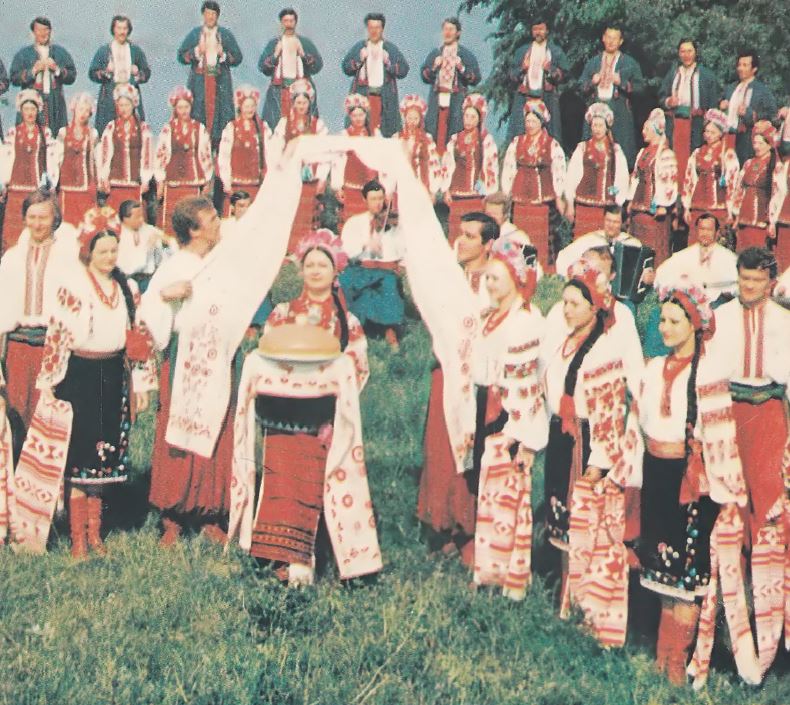
Despite these challenges, Ukrainian composers continued to find ways to navigate the complex political and cultural landscape, often subtly incorporating Ukrainian folk elements and national themes into their works. Figures like Borys Liatoshynsky, Levko Revutsky, and Myroslav Skoryk, among others, managed to create a distinct Ukrainian musical voice within the constraints of the Soviet system.
The collapse of the Soviet Union in 1991 and the subsequent independence of Ukraine marked a new era in the development of Ukrainian music. With the removal of the ideological and political constraints imposed by the Soviet regime, Ukrainian composers and musicians were able to explore their national identity and heritage more freely. This period saw a flourishing of Ukrainian music, with a renewed focus on the preservation and promotion of traditional folk music, as well as the creation of innovative works that blended Ukrainian elements with contemporary musical styles.
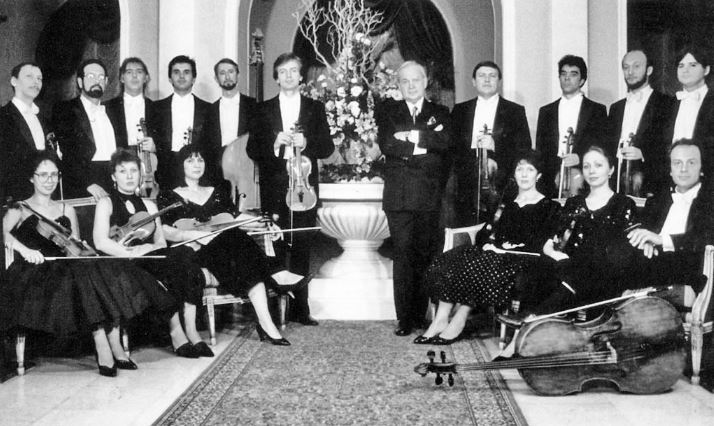
Today, the relationship between Ukrainian national and folk music traditions and the influence of Russian musical styles and institutions remains a complex and multifaceted one. While the legacy of Soviet cultural policies continues to be felt, Ukrainian musicians and composers have been actively reclaiming and redefining their musical identity, drawing on their rich cultural heritage while also embracing new and diverse musical influences from around the world.
The interplay between these two distinct musical traditions has been a defining feature of Ukraine's musical landscape throughout the 20th century and into the present day. It is a testament to the resilience and adaptability of Ukrainian music, as it has navigated the challenges of political and cultural upheaval, while continuously evolving and asserting its unique voice on the global stage.