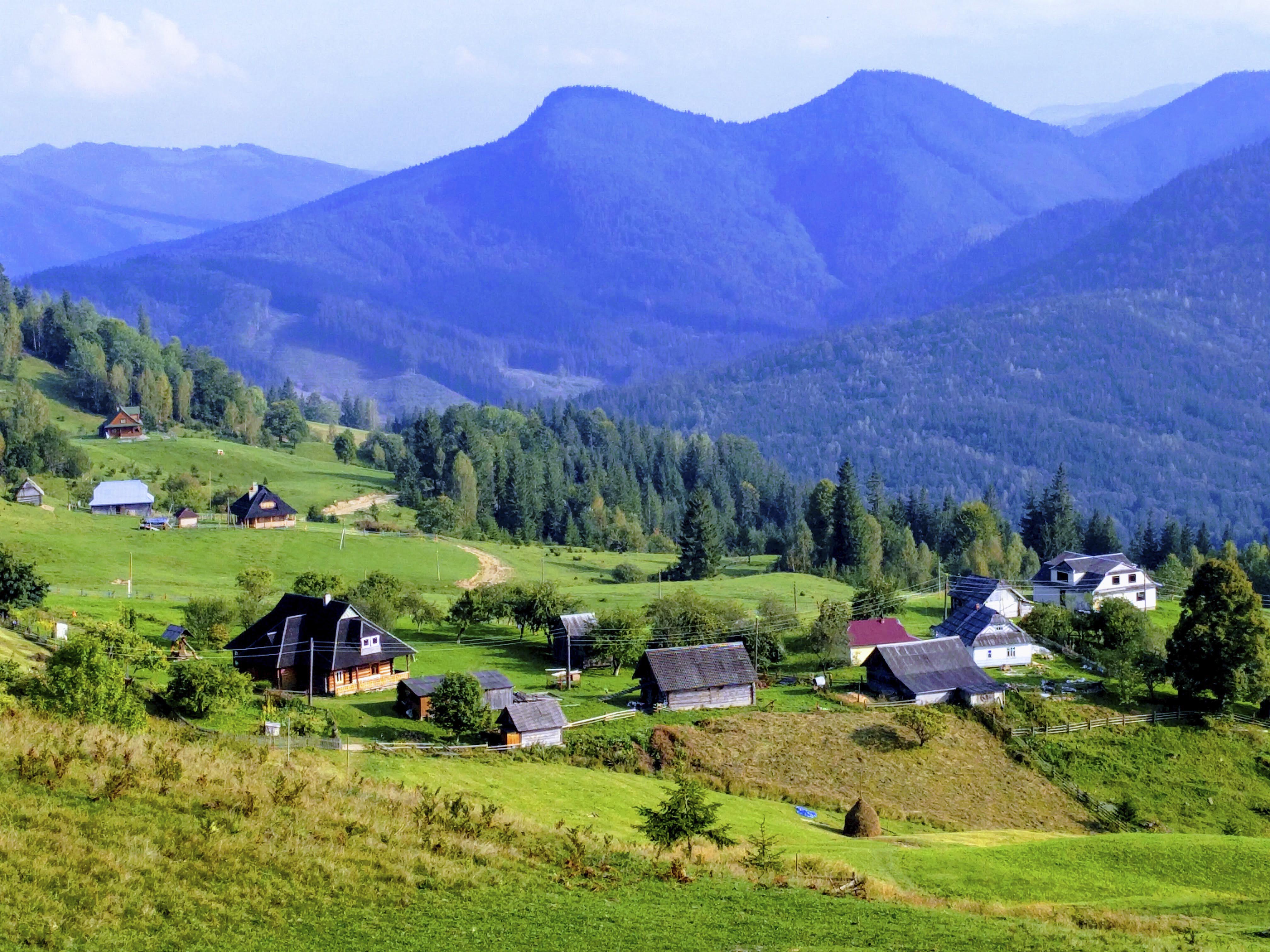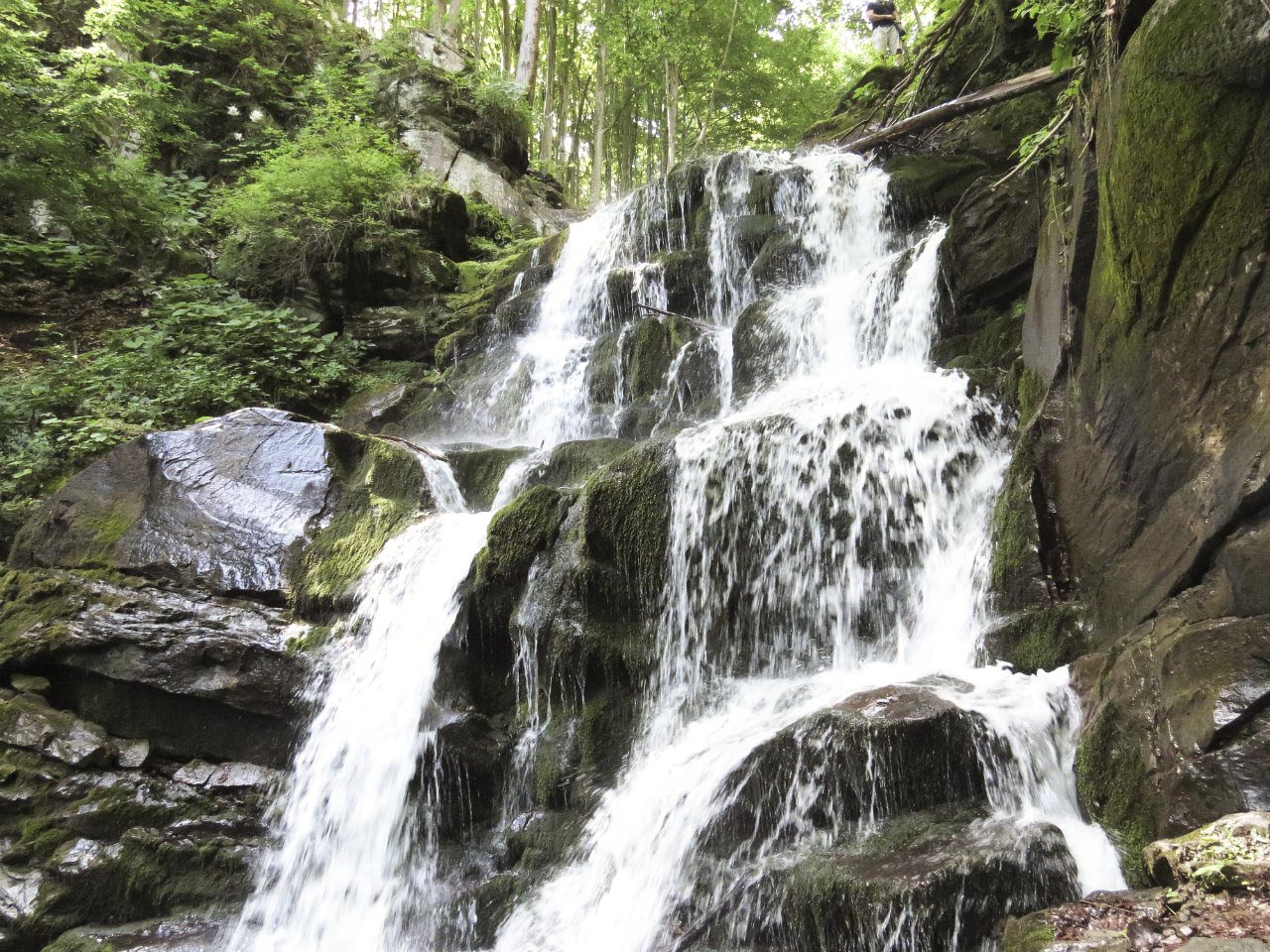




In the heart of the Ukrainian Carpathians, amidst rugged peaks and verdant valleys, lies the captivating world of the Boykos - an ancient and resilient ethnic group whose rich cultural heritage is meticulously captured in the documentary film "Boykos" (1995). Directed by acclaimed filmmaker Valeriy Guzyk and shot by Valentyn Barachek, this cinematic masterpiece delves into the intricate patterns of Boyko life, offering viewers a rare and intimate glimpse into the traditions, beliefs and struggles of this remarkable people.
An accomplished documentary filmmaker, Guzyk has long been drawn to the stories of Ukraine's diverse ethnic communities. With ‘Boykos’, he has created a visually stunning and emotionally resonant portrait of a people whose history is inextricably linked to the land they call home. The film's screenplay, written by Tamara Boyko, serves as a poignant and insightful guide, weaving together the threads of Boyko identity and the challenges they have faced throughout the centuries.The documentary film ‘Boykos’ immerses the viewer in the centuries-old history and culture of one of the oldest ethnic groups in Ukraine, the Boykos. The film covers a wide range of topics related to the life, traditions and art of this unique people.
One subject of the film is the rock fortress Tustan, which played an important role in the history of the Boykos. Researchers attribute the origin of the name “Boykos” to an ancient Slavic tribe of White Croats, who were probably the ancestors of the modern Boykos. The Tustan fortress, built on the cliffs of the Carpathians, served as an important defense and customs point in the Middle Ages.
The film also pays attention to the unique wooden architecture of the Boykos, in particular their churches, which are true masterpieces of folk architecture. Among them is St. George's Church in Drohobych, a UNESCO World Heritage Site.
A separate story is devoted to the figure of Yuriy Kulchytskyi, a native of the Boyko village of Kulchytsi, who played a key role in the defense of Vienna against the Ottomans in 1683. Kulchytsky is considered to be the founder of the first Viennese coffee shop and the popularizer of coffee in Europe.
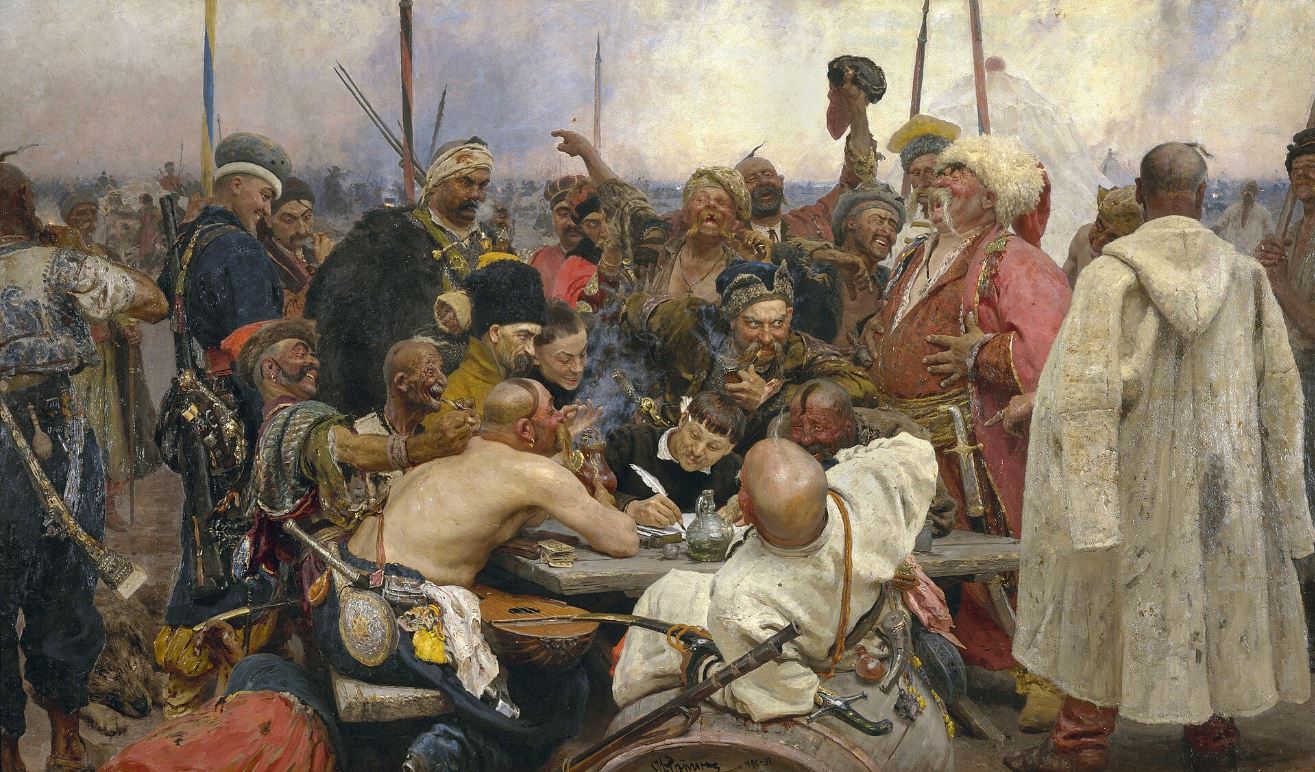
The film tells the story of prominent personalities who came from the Boyko region, including Hetman Petro Konashevych-Sahaidachnyi. It also highlights the peculiarities of traditional farming, everyday life and folk art of the Boyko people, their understanding of beauty embodied in unique wooden churches.Special attention is given to the tragic fate of the Boykos in the twentieth century, when part of their lands was transferred to Poland and the other part to Soviet Ukraine. The film tells the story of the involuntary resettlement of the Boykos, their struggle to preserve their identity and their participation in the Ukrainian liberation movement.
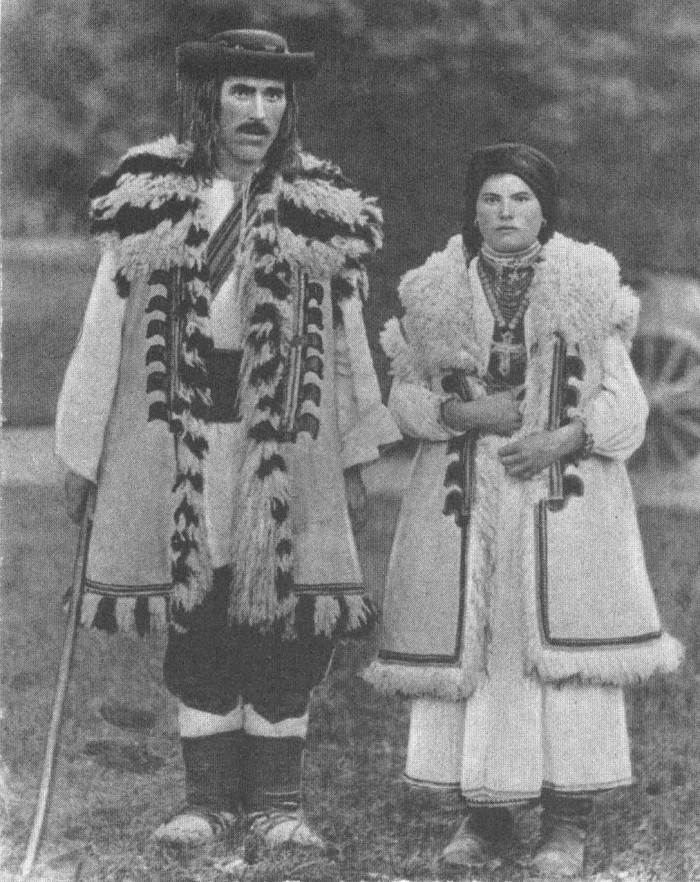
The film features the perspectives of several prominent individuals who provide valuable insights into the lives and experiences of the Boykos. Through their voices, the documentary ‘Boykos’ presents a multifaceted portrait of a people whose resilience, traditions, and connection to the land have endured despite the challenges they have faced throughout history.Theodosia Yatseiko, a Boykivshchyna resident, shares her personal story, including the significance of her wedding shirt, a cherished cultural artifact that reflects the rich textile traditions of the Boykos. Her narrative provides a glimpse into the daily lives and customs of this resilient community.
Hryhoy Demian, a PhD in History and the Head of the Boikivshchyna Society, as well as a Member of the Verkhovna Rada of Ukraine, offers a historical perspective on the two-decade-long struggle of the Ukrainian Insurgent Army. He delves into the motivations and characteristics of the individuals who joined the army, shedding light on their fight for freedom.
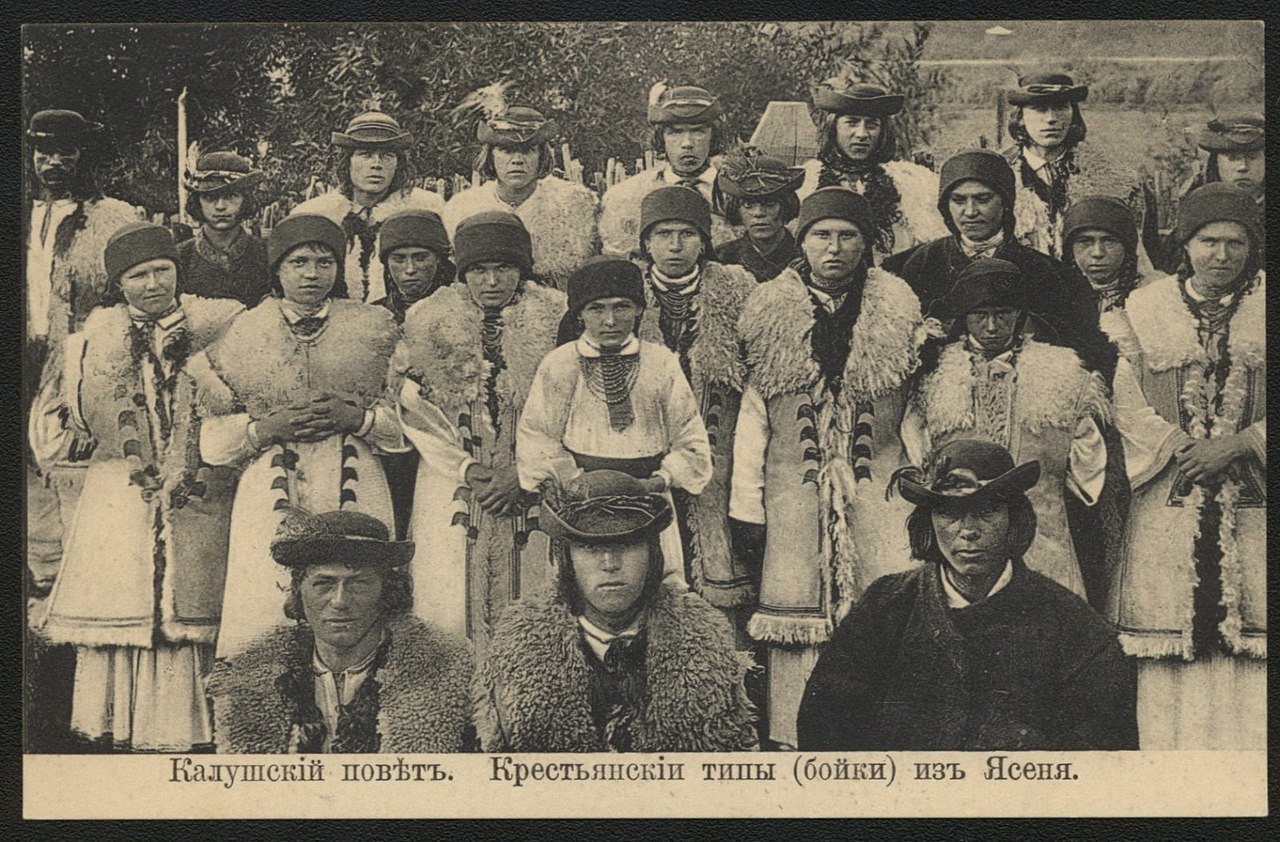
Stepan Pavliuk, a Doctor of Historical Sciences and a Doctor of the Lviv Institute of Ethnology, explores the Boykos' deep connection to the land. He discusses the Carpathians as a landscape of fighting and identity, highlighting the Boyko intimate knowledge of the soil, their bread-growing traditions, and the devastating impact of Soviet rule, which sought to destroy the Boyko love for the land.
Art historian Oleh Sydor provides insights into the rich iconographic tradition of the Boykos, showcasing the artistic and spiritual significance of their religious artwork. His expertise sheds light on the cultural and religious heritage of this unique ethnic group.
The Visual and Audio Qualities of the Film
The documentary's visual qualities are nothing short of mesmerizing, as the filmmakers have masterfully captured the breathtaking landscapes of the Boyko region. From the rolling fields and winding rivers to the majestic mountains and charming wooden huts and churches, the film transports the viewer to the heart of the Carpathians, immersing them in the natural beauty that has shaped the Boyko way of life for centuries.
The audience is treated to a panoramic view of the Boyko homeland, allowing them to fully appreciate the grandeur of the natural environment, while also being drawn into the intricate details of the Boyko daily lives and cultural practices.
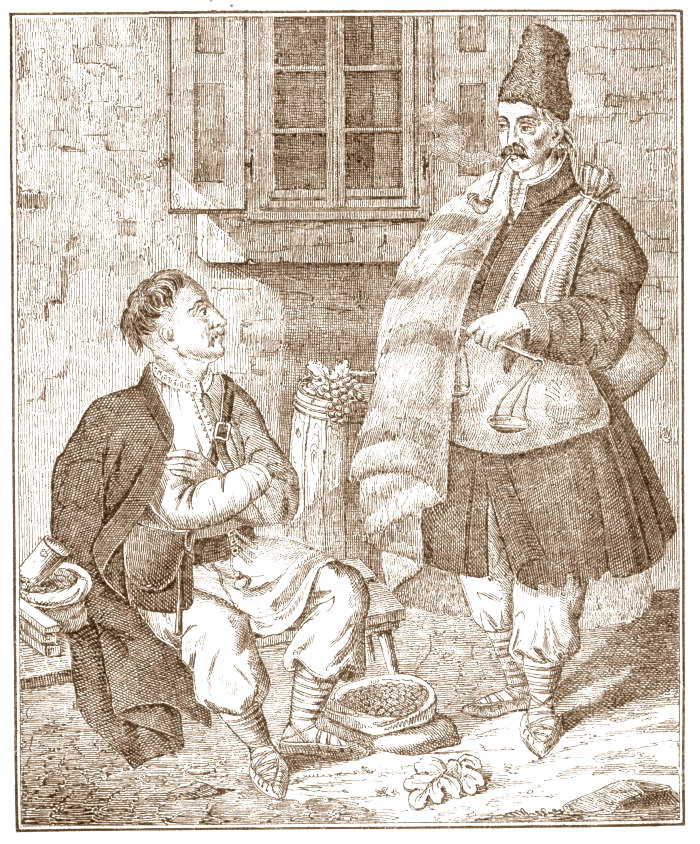
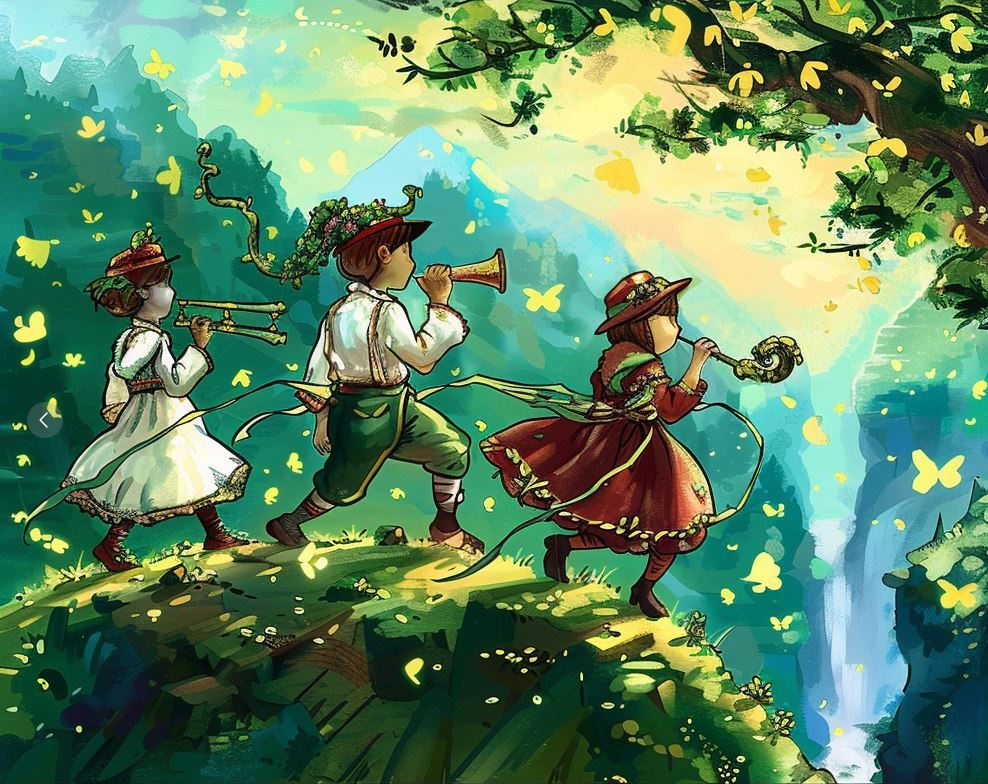
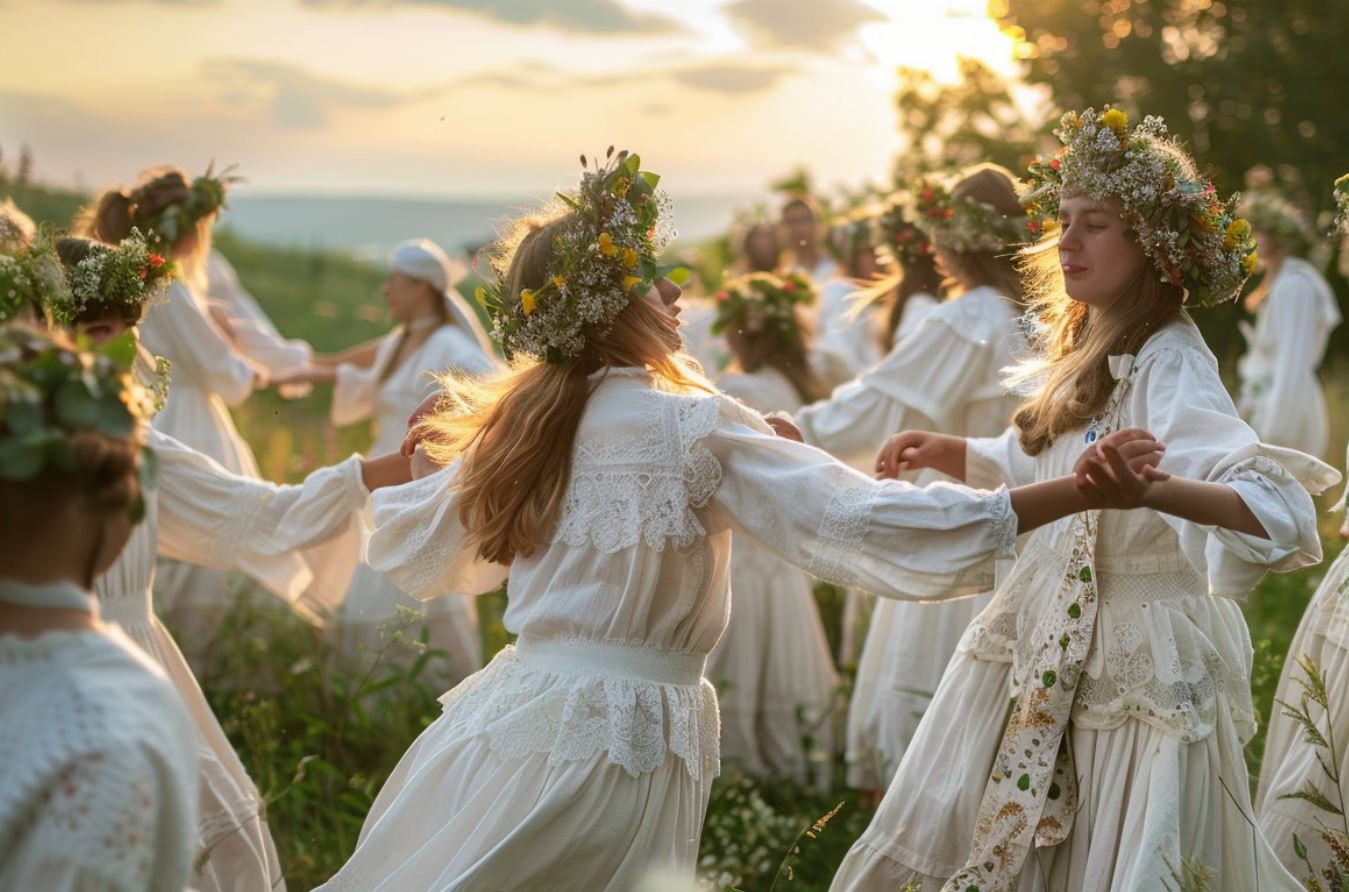
One of the standout visual moments in the film is the depiction of the Boyko folk festivals and celebrations. The filmmakers have skillfully captured the vibrant energy and joyous spirit of these events, showcasing the traditional dances, costumes, and rituals that have been passed down through generations. The viewer is transported to these lively gatherings, where the Boykos come together to celebrate their traditions.
The audio component of the documentary is equally captivating, as it seamlessly weaves together the rich musical traditions of the Boyko people. Throughout the film, the audience is treated to the haunting melodies and soulful vocals of the Boyko women, who can be seen singing the works of renowned Ukrainian poet Ivan Franko and other traditional folk songs.
The film's soundtrack is a harmonious blend of Boyko folklore, with the filmmakers capturing the unique rhythms and melodies that have been passed down through the generations. The audience is immersed in the rich fabric of Boykos music, from the lively tunes played at the community's festive gatherings to the more contemplative and introspective songs that reflect the Boyko deep connection to their land and heritage.
Overall the documentary ‘Boykos’ is a remarkable cinematic achievement that showcases the rich cultural legacy and way of life of the Boyko people. Through its captivating visuals and evocative sound, the film transports viewers to the heart of the Ukrainian Carpathians and invites them to explore the unique traditions, customs and beliefs that have sustained the Boyko community for generations.
The result is a documentary that not only entertains and educates but also serves as a powerful testament to the enduring resilience and cultural richness of this remarkable ethnic group.