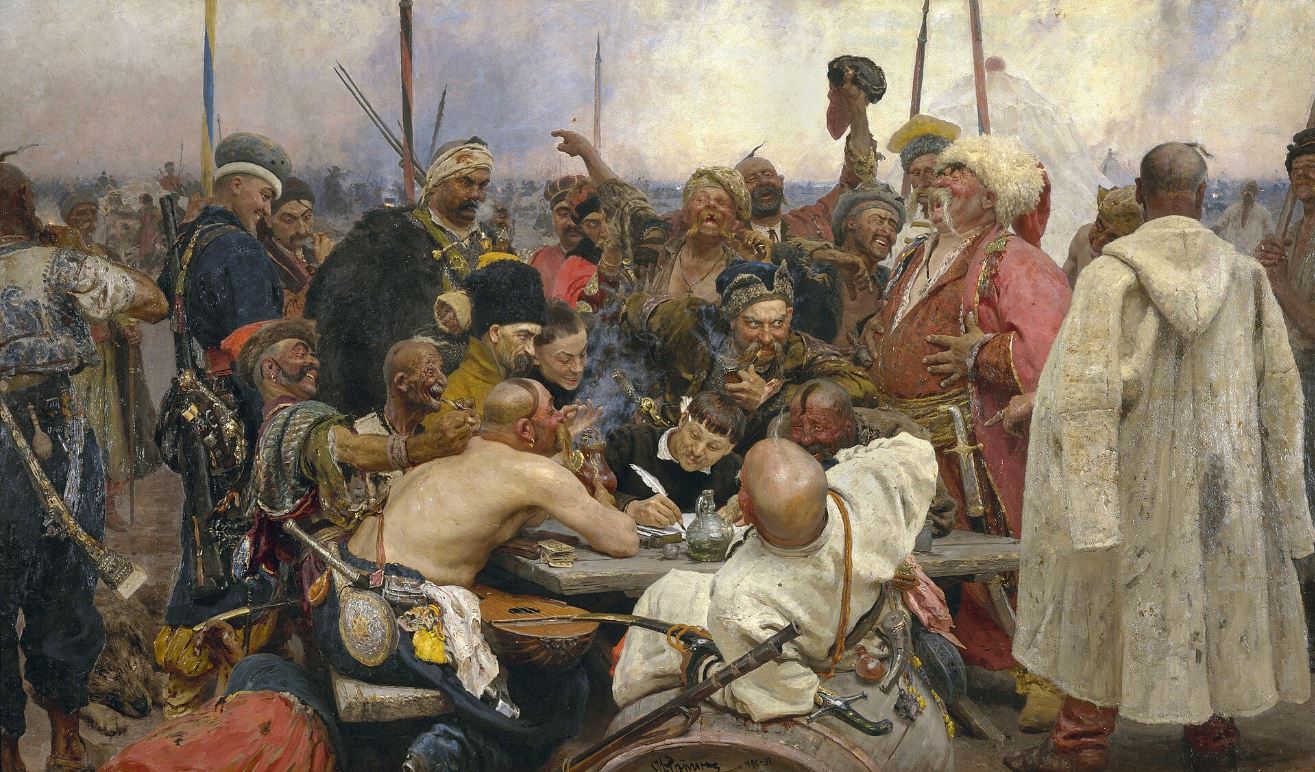


In the vast expanse of the Ukrainian steppe, a unique and formidable warrior culture emerged, shaping the destiny of the region for centuries. These were the Ukrainian Cossacks, a people whose fierce independence and military prowess would make them both the guardians and the victims of the volatile frontier between the expanding empires of Eastern Europe.
The origins of the Cossacks can be traced back to the 15th century, when communities of fugitive peasants, escaped serfs, and adventurers began to coalesce along the banks of the Dnieper River. Drawn to the promise of freedom and the opportunity to carve out their own destiny, these hardy individuals forged a new way of life, one that would become synonymous with the Ukrainian national spirit.
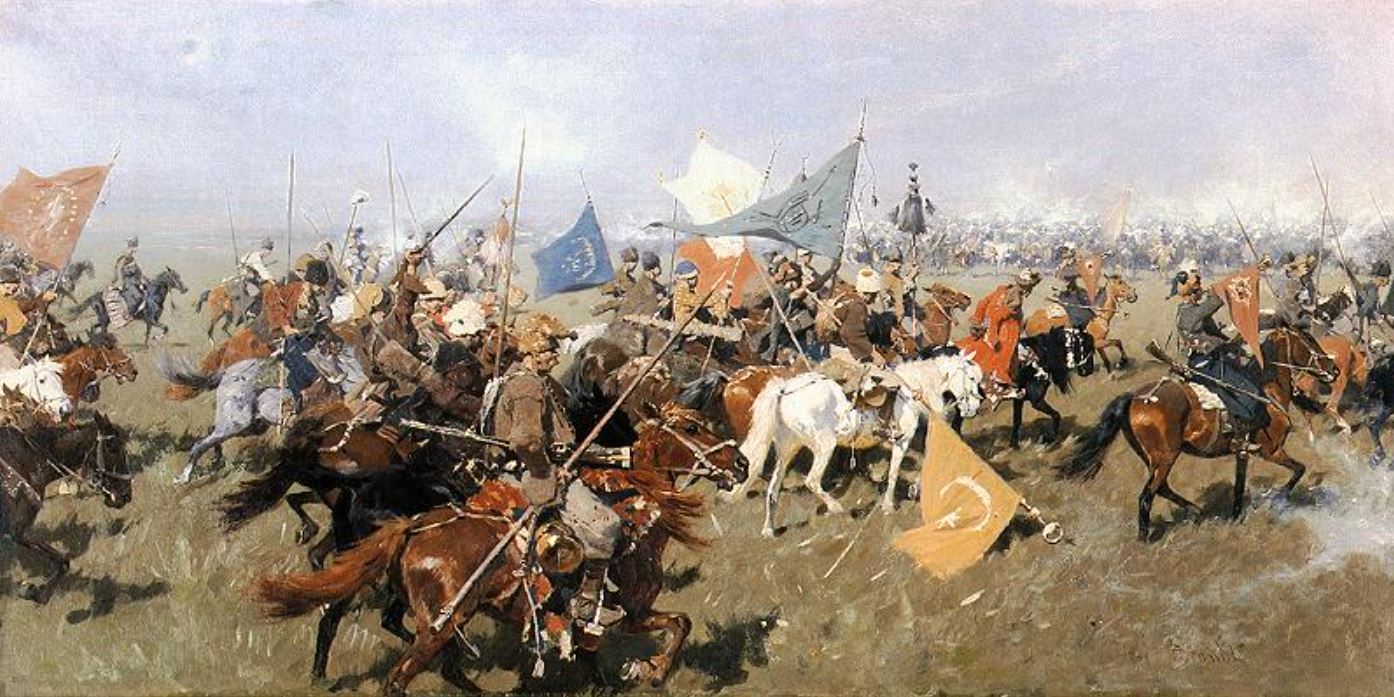
At the heart of the Cossack way was the Zaporizhian Sich, a fortified island stronghold that served as the center of their military and political organization. From this bastion, the Cossacks launched daring raids against the Ottoman Turks and Crimean Tatars, who had long terrorized the Ukrainian frontier. Skilled horsemen and fearsome warriors, the Cossacks proved to be a formidable obstacle to the ambitions of these regional powers.
The Cossacks' reputation for ferocity in battle soon spread, and they became sought-after mercenaries, serving the interests of various rulers and nobles. Yet their fierce independence meant they were often as likely to turn against their employers as they were to fight alongside them. This volatile relationship would ultimately lead to a pivotal moment in Ukrainian history: the Khmelnytsky Uprising of 1648-1654.
Led by the charismatic Hetman Bohdan Khmelnytsky, the Cossacks rose up against the Polish-Lithuanian Commonwealth, which had long sought to subjugate them. In a stunning series of victories, the Cossacks carved out an autonomous Cossack Hetmanate, a de facto Ukrainian state that stretched from the Dnieper to the Black Sea. For a brief period, the Cossacks emerged as the dominant power in the region, forging alliances with the Crimean Khanate and the Ottoman Empire in an effort to maintain their independence.
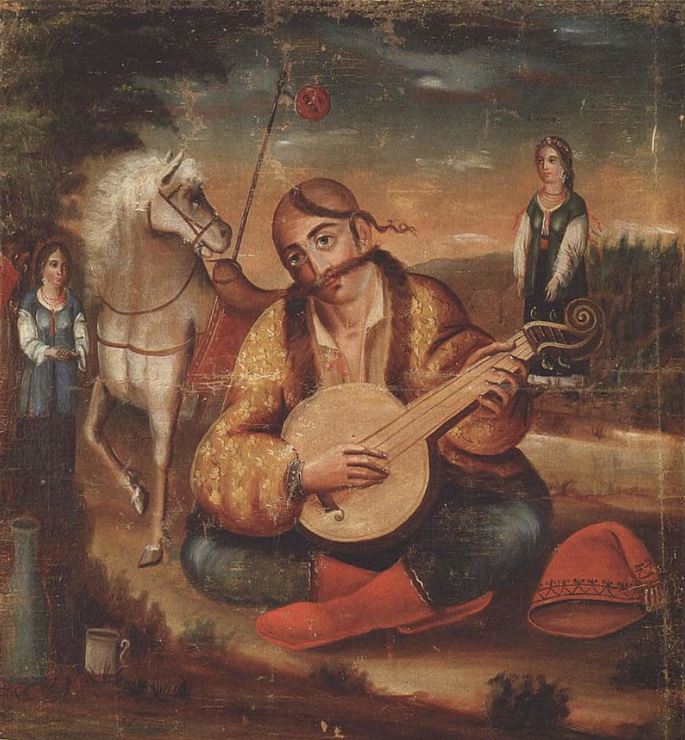
However, the Cossacks' triumph was short-lived. The rise of the Muscovite Tsardom, soon to become the Russian Empire, would prove to be the Cossacks' undoing. Seeking to expand its influence and control over the Ukrainian lands, the Tsardom engaged the Cossacks in a series of wars, eventually forcing them to accept Russian suzerainty. The Cossack Hetmanate was gradually stripped of its autonomy, and the Zaporizhian Sich, th e very heart of Cossack power, was ultimately destroyed by the Russian Empire in 1775.
The decline of the Cossacks was further accelerated by the growing power of the Polish and Russian nobility, who sought to subjugate the Ukrainian peasantry and co-opt the Cossack elite. As the Cossack leadership became increasingly embroiled in internal power struggles and alliances with foreign powers, the common Cossacks found themselves increasingly marginalized and exploited.
The final blow to the Cossack way of life came in the late 18th and 19th centuries, as the Russian Empire sought to fully integrate the Ukrainian lands into its imperial structure. The Cossack Hetmanate was abolished, and the Zaporizhian Sich was razed to the ground. The once-proud Cossacks were either absorbed into the Russian military or forced into serfdom, their unique culture and traditions slowly eroding under the weight of imperial rule.

Yet, the legacy of the Cossacks endures. Their fierce spirit of independence, their military prowess, and their unwavering defense of the Ukrainian homeland have become enduring symbols of Ukrainian national identity. The Cossacks' struggle against the encroaching empires of Eastern Europe has inspired generations of Ukrainians to continue the fight for self-determination and autonomy.
In the modern era, the Cossack tradition has experienced a resurgence, with various Cossack organizations and communities seeking to revive and preserve the cultural and historical legacy of their ancestors. While the Cossacks as a distinct military and political force may have faded into history, their influence and impact on the Ukrainian national consciousness remain as powerful as ever.
The story of the Ukrainian Cossacks is one of triumph and tragedy, of heroic resistance and ultimate subjugation. It is a tale that speaks to the enduring human desire for freedom and self-determination, even in the face of overwhelming odds. As Ukraine continues to grapple with the legacy of its complex history, the Cossacks stand as a testament to the resilience and indomitable spirit of the Ukrainian people.