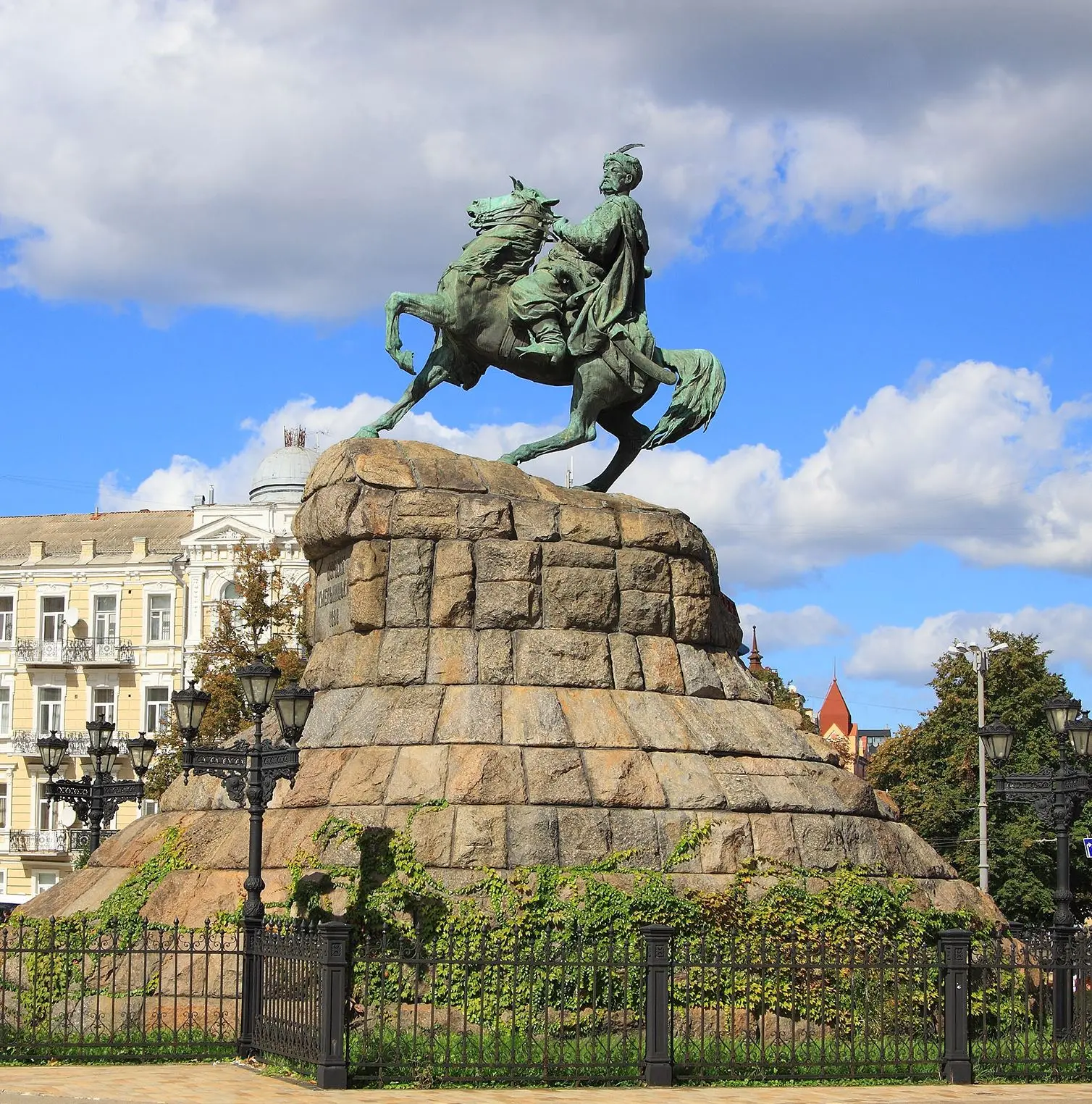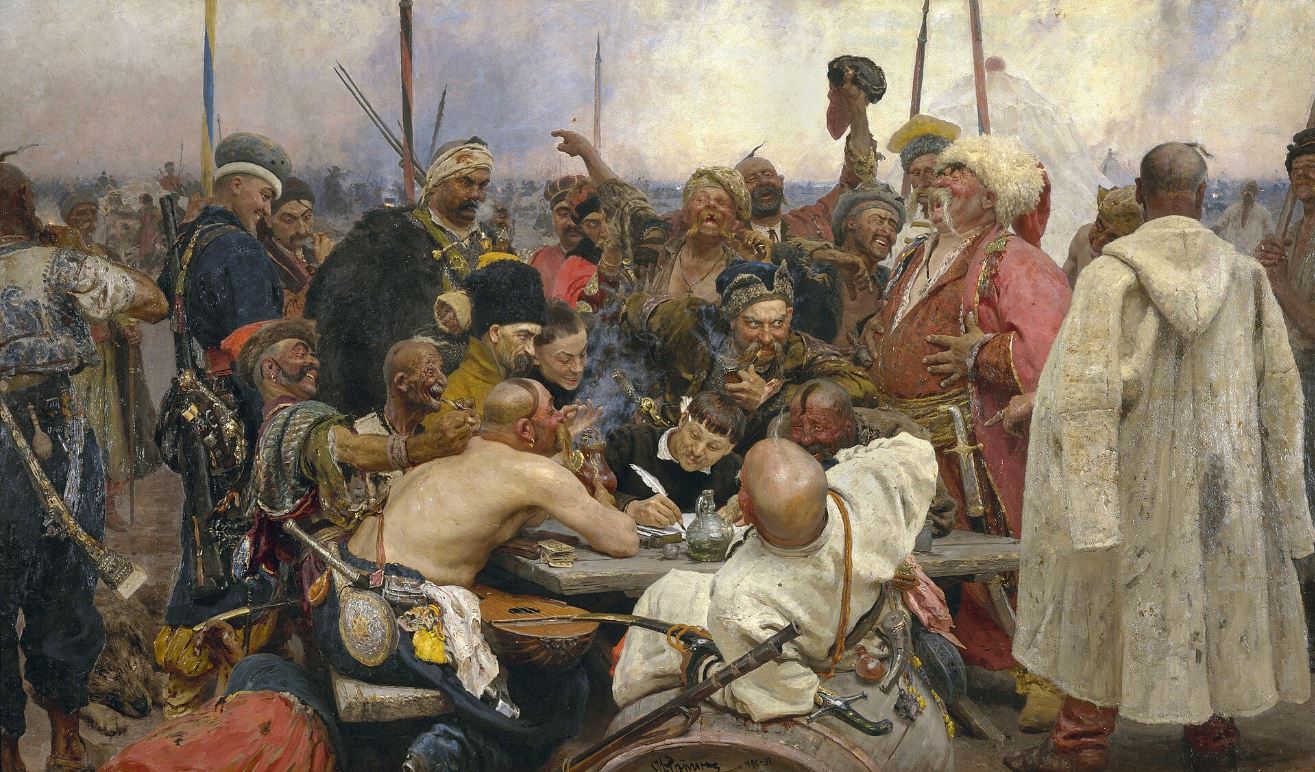


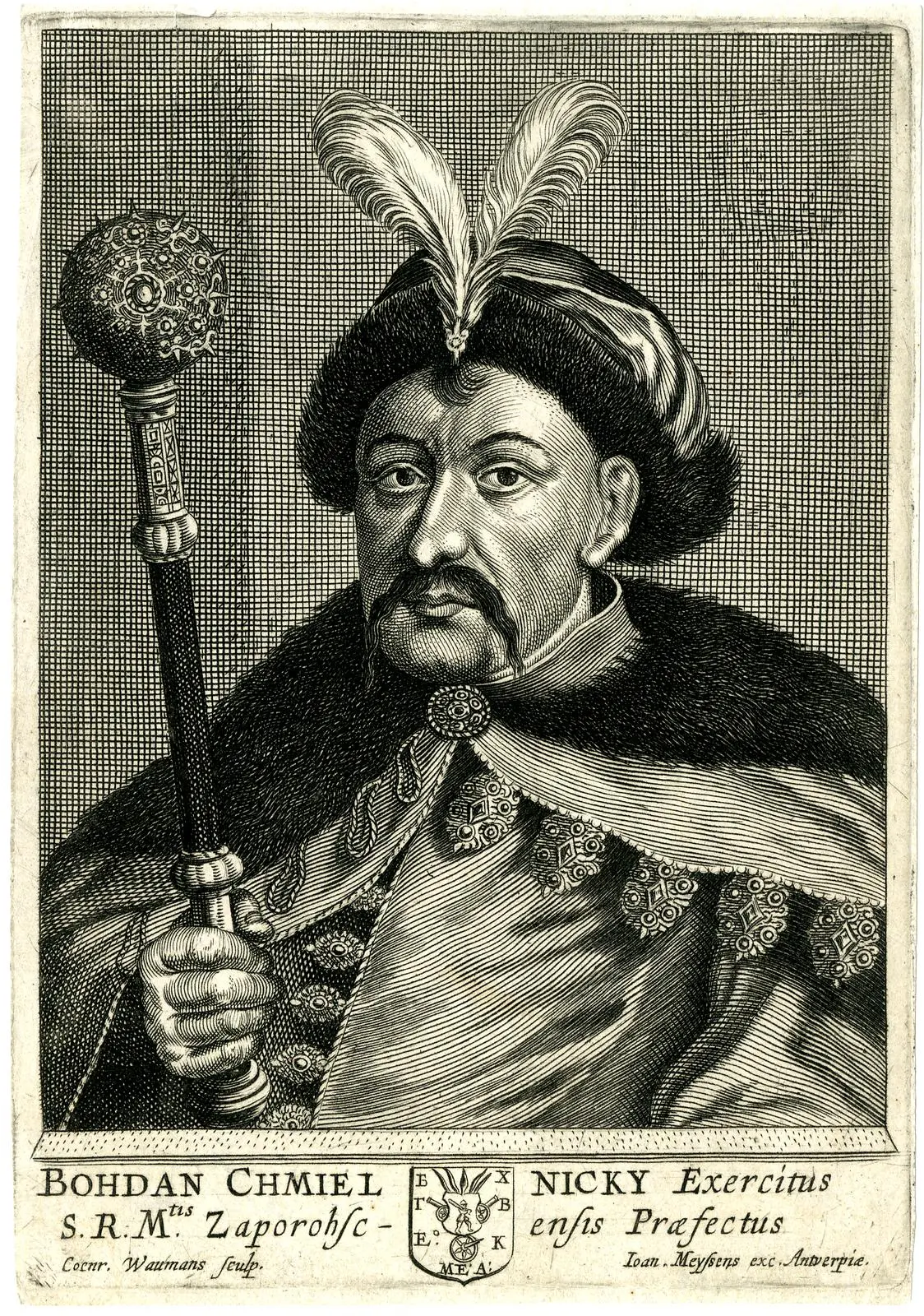
In the pantheon of Ukrainian historical figures, few names resonate as powerfully as Bohdan Khmelnytsky. A transformative leader of the 17th century, Khmelnytsky stands as a pivotal figure who fundamentally reshaped the political landscape of Eastern Europe and laid the groundwork for Ukrainian national identity. His life and achievements represent a critical turning point in Ukrainian history, marking the emergence of a distinct Ukrainian political consciousness and the first steps towards national sovereignty.
As we step back to survey the long sweep of Bohdan Khmelnytsky’s life, it becomes clear that his legacy cannot be distilled into a single deed. Instead, it resides in a series of bold initiatives that collectively transformed the Moldavian marches and the steppes of the Dnipro into a coherent political entity. Over the next ten points, we will unravel the layers of his influence: from sweeping military campaigns to innovative diplomacy, from forging a Cossack code of governance to inspiring generations of Ukrainians to claim their own destiny. Each reason highlights a facet of Khmelnytsky’s genius, but our journey must begin with his boldest accomplishment – the establishment of a truly autonomous Ukrainian polity.
Reason 1: Founder of the First Ukrainian State
Bohdan Khmelnytsky is credited with establishing the first recognizable Ukrainian state – the Cossack Hetmanate – in 1648. This was not merely a military achievement, but a profound political transformation that created a semi-autonomous political entity with its own governance structure, diplomatic relations, and military organization.
The Hetmanate represented a radical departure from the previous system of Ukrainian territories being controlled by external powers. Khmelnytsky created a state that, while existing within the complex geopolitical landscape of Eastern Europe, maintained significant internal autonomy. He established a political system centered around the Cossack military democracy, with a hierarchical structure that included a democratically elected hetman, a general council, and regional administrative units.
This nascent state was remarkable for its time. It had its own diplomatic corps, conducted international negotiations, and maintained a standing army. Khmelnytsky negotiated with multiple European powers, including the Polish-Lithuanian Commonwealth, the Ottoman Empire, and Muscovy, demonstrating the political sophistication of his emerging state.
Reason 2: National Liberation Leader
Khmelnytsky's leadership of the national liberation uprising against the Polish-Lithuanian Commonwealth was more than a military campaign – it was a comprehensive social revolution. The uprising was a response to decades of social, economic, and religious oppression that Ukrainian populations had endured under Polish rule.
The conflict was not simply about territorial control, but about fundamental human rights. Ukrainian Orthodox populations were systematically marginalized, facing restrictions on religious practice, economic opportunities, and social mobility. Khmelnytsky united diverse social groups – Cossacks, peasants, and Orthodox clergy – under a common banner of liberation.
His ability to articulate a vision of collective liberation was extraordinary. He transformed localized grievances into a national movement, creating a sense of shared identity and purpose that transcended previous social divisions.
Reason 3: Military Strategist and Tactician
As a military leader, Bohdan Khmelnytsky demonstrated exceptional strategic and tactical skills that were far ahead of his contemporaries. His military campaigns against the Polish-Lithuanian Commonwealth were characterized by innovative tactics, strategic planning, and the ability to leverage diplomatic relationships.
The year 1648 marked a turning point in Ukrainian military history, with Khmelnytsky leading the Cossack forces to unprecedented victories. The battles of Zhovti Vody, Korsun, and Pyliavtsi became legendary demonstrations of his military genius. At Zhovti Vody, he outmaneuvered Polish forces, using innovative tactics that combined Cossack mobility with strategic positioning. The battle of Korsun saw him completely routing the Polish army, capturing numerous high-ranking officers and dealing a devastating psychological blow to the Commonwealth's military prestige.
Khmelnytsky's military approach was holistic. He understood that military success was intrinsically linked to diplomatic maneuvering. His alliances with the Crimean Khanate, negotiations with the Ottoman Empire, and later interactions with Muscovy were all part of a complex strategic vision aimed at securing Ukrainian independence.
Reason 4: Diplomatic Mastermind
Beyond the battlefield, Khmelnytsky proved himself an extraordinary diplomatic strategist. In an era of complex international relations, he navigated treacherous political waters with remarkable skill and foresight. His diplomatic approach was characterized by pragmatism, strategic thinking, and an uncanny ability to balance multiple competing interests.
The formation of strategic alliances was perhaps Khmelnytsky's most significant diplomatic achievement. His initial alliance with the Crimean Khanate was a masterstroke of geopolitical maneuvering. By securing the support of the Crimean Tatars, he transformed the balance of power in the region, creating a formidable coalition that could challenge the Polish-Lithuanian Commonwealth.
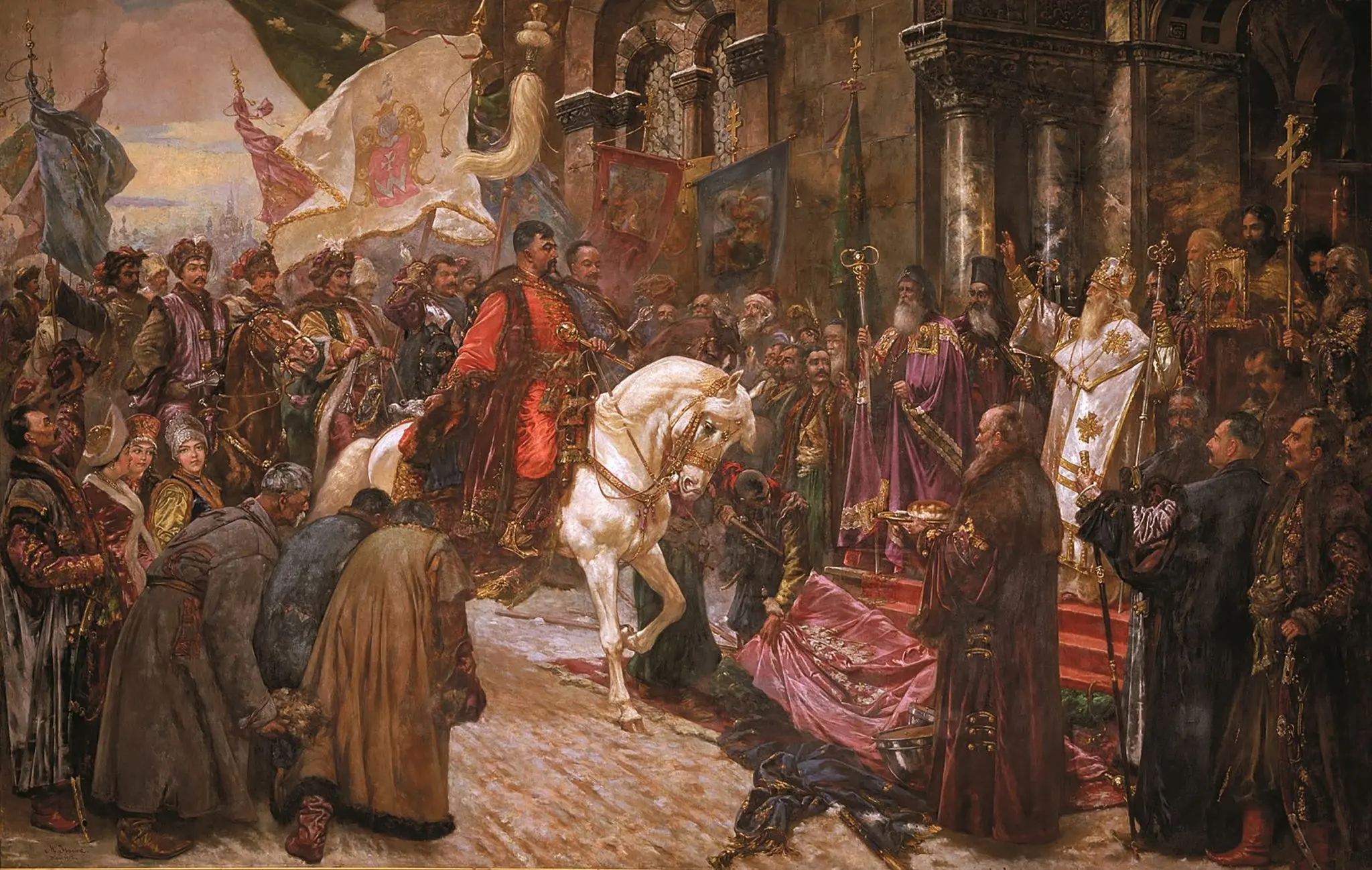
Later, his negotiations with Moscow were another diplomatic success. The Pereyaslav Agreement of 1654 was a complex diplomatic instrument that secured Ukrainian autonomy by aligning with a powerful protector. While the long-term consequences would prove complicated, it was, at the time, a sophisticated piece of international negotiation that demonstrated Khmelnytsky's diplomatic skill.
His diplomatic strategy was never static but constantly adaptive. He understood the art of playing different powers against each other, using negotiations as a strategic tool. Whether dealing with Ottoman sultans, Polish kings, or Muscovite tsars, Khmelnytsky consistently positioned Ukraine as a significant political entity, far beyond a mere peripheral territory.
Reason 5: Defender of Religious Freedom
Khmelnytsky's significance extends beyond military and diplomatic realms into the crucial domain of religious freedom. At a time when religious persecution was widespread, he emerged as a powerful advocate for Orthodox Christian rights, challenging the religious oppression imposed by Catholic authorities.
The religious context of 17th-century Ukraine was marked by significant tensions. The Berestia Union of 1596 had created deep divisions, with the Orthodox population facing systematic discrimination and marginalization. Khmelnytsky's movement was as much a religious liberation struggle as a political rebellion.
His efforts to restore Orthodox Church privileges were comprehensive and strategic. He worked to reestablish Orthodox hierarchies, support church institutions, and create an environment where religious practice could flourish free from external interference. The support he received from Orthodox clergy and believers was a reflection of the profound religious aspect of his leadership.
Notably, Khmelnytsky collaborated with prominent religious figures like Peter Mohyla, the influential Orthodox metropolitan who was instrumental in cultural and educational reforms. Together, they sought religious tolerance and a genuine renaissance of Orthodox spiritual and cultural life.
Reason 6: A Visionary Social Reformer
Bohdan Khmelnytsky emerged as a transformative social leader who fundamentally challenged the rigid feudal structures of 17th-century Eastern Europe. His leadership represented more than just military prowess; it was a profound social revolution that offered unprecedented opportunities for social mobility and personal advancement.
In the deeply stratified society of the Polish-Lithuanian Commonwealth, most Ukrainian peasants and lower-class individuals were trapped in a system of extreme social immobility. Khmelnytsky's Cossack uprising dramatically disrupted these entrenched hierarchies, creating pathways for individuals to rise based on merit, skill, and personal courage rather than inherited social status.
The Cossack system he championed was remarkably democratic for its time. Within the Cossack Host, leadership positions were often determined through elections, and individuals could gain respect and authority through their abilities rather than their birthright. This was revolutionary in an era when social mobility was extremely limited.
Khmelnytsky's support for Cossack autonomy was particularly significant. He established a political framework where Cossacks had substantial self-governance rights, including the ability to elect their own leaders, manage internal affairs, and participate in broader political decision-making. This model provided a radical alternative to the oppressive feudal system, offering ordinary people unprecedented political agency.
Reason 7: Catalyst of Cultural Renaissance
Beyond his military and political achievements, Khmelnytsky played a crucial role in initiating a profound cultural renaissance that would shape Ukrainian national identity for centuries to come. He understood that cultural preservation and development were as important as political and military struggles.
During his leadership, Ukrainian language and cultural practices gained unprecedented recognition and respect. Where previously Ukrainian culture had been marginalized and suppressed, Khmelnytsky created spaces for its flourishing. He supported educational institutions, particularly those associated with the Orthodox Church, which became critical centers of cultural preservation and intellectual development.
The Cossack state he established became a sanctuary for Ukrainian cultural expression. Scholarly and religious institutions flourished, with the Kyiv-Mohyla Academy emerging as a significant center of learning and cultural innovation. This institution would go on to produce generations of Ukrainian intellectuals who would continue to develop and refine national cultural identity.
Khmelnytsky also understood the power of cultural symbols and representation. By establishing a sovereign Cossack state, he provided Ukrainians with a political and cultural framework that validated their distinct identity. His leadership demonstrated that Ukrainians were capable of self-governance and cultural sophistication, challenging prevailing stereotypes and colonial narratives.
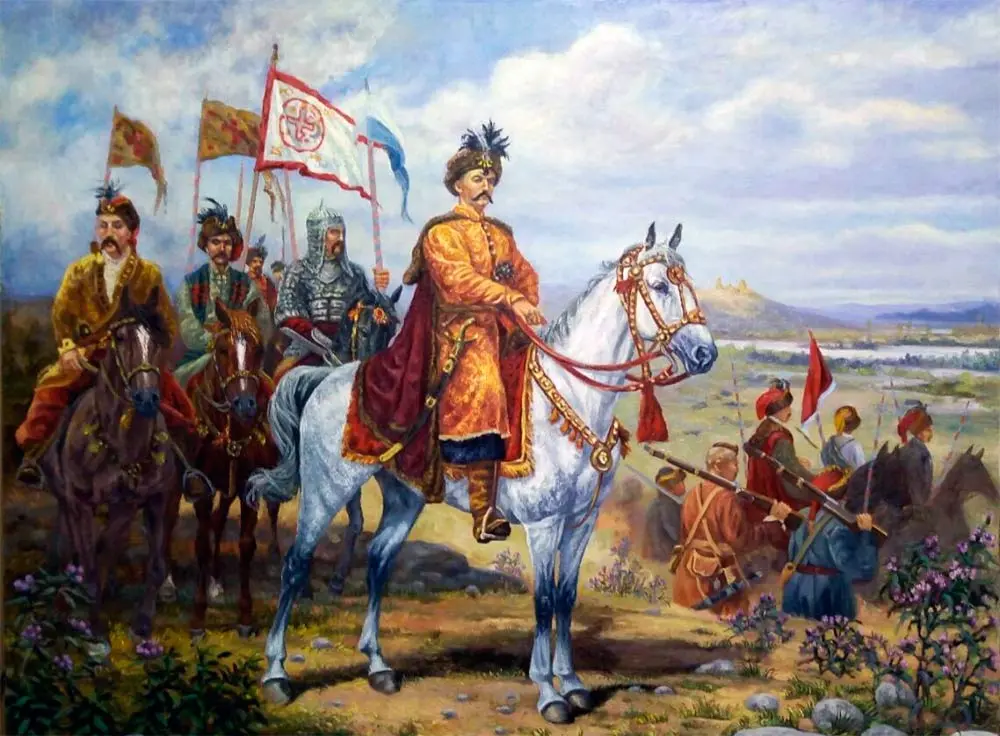
Reason 8: Economic Transformation and Independence
Khmelnytsky was also a sophisticated economic strategist who recognized the importance of economic independence in achieving true national sovereignty. His economic policies were designed to strengthen Ukrainian economic capabilities and reduce external dependencies.
He implemented comprehensive agricultural reforms that benefited both the Cossack elite and broader peasant populations. By redistributing land and challenging existing feudal land ownership structures, he created more equitable economic opportunities. These reforms helped modernize agricultural practices and provided economic incentives for productivity and innovation.
Trade was another critical area of Khmelnytsky's economic vision. He actively worked to establish direct trade relationships with various European and Ottoman powers, bypassing previous intermediaries. This approach generated economic opportunities and enhanced Ukraine's geopolitical significance.
Reason 9: International Recognition
Bohdan Khmelnytsky was a sophisticated international statesman who brought Ukrainian interests to the global stage during the 17th century. His diplomatic acumen was remarkable, particularly in an era when small nations struggled to be heard.
Contemporary European leaders and diplomats viewed Khmelnytsky with a mixture of respect and fascination. Italian diplomat Alberto Vimina, who personally met the hetman in 1656, was deeply impressed by the democratic nature of Cossack governance and Khmelnytsky's leadership. The way Khmelnytsky navigated complex international relationships – balancing interests between the Polish-Lithuanian Commonwealth, the Ottoman Empire, and Muscovy –demonstrated extraordinary political sophistication.
Syrian archdeacon Paul of Aleppo, who traveled through Ukraine during this period, was struck by the emerging Ukrainian state's organizational capabilities. He noted the impressive level of education and cultural development, crediting much of this progress to Khmelnytsky's leadership. The hetman's ability to create diplomatic coalitions, negotiate strategic alliances, and position Ukraine as a significant political entity was unprecedented for a emerging nation at that time.
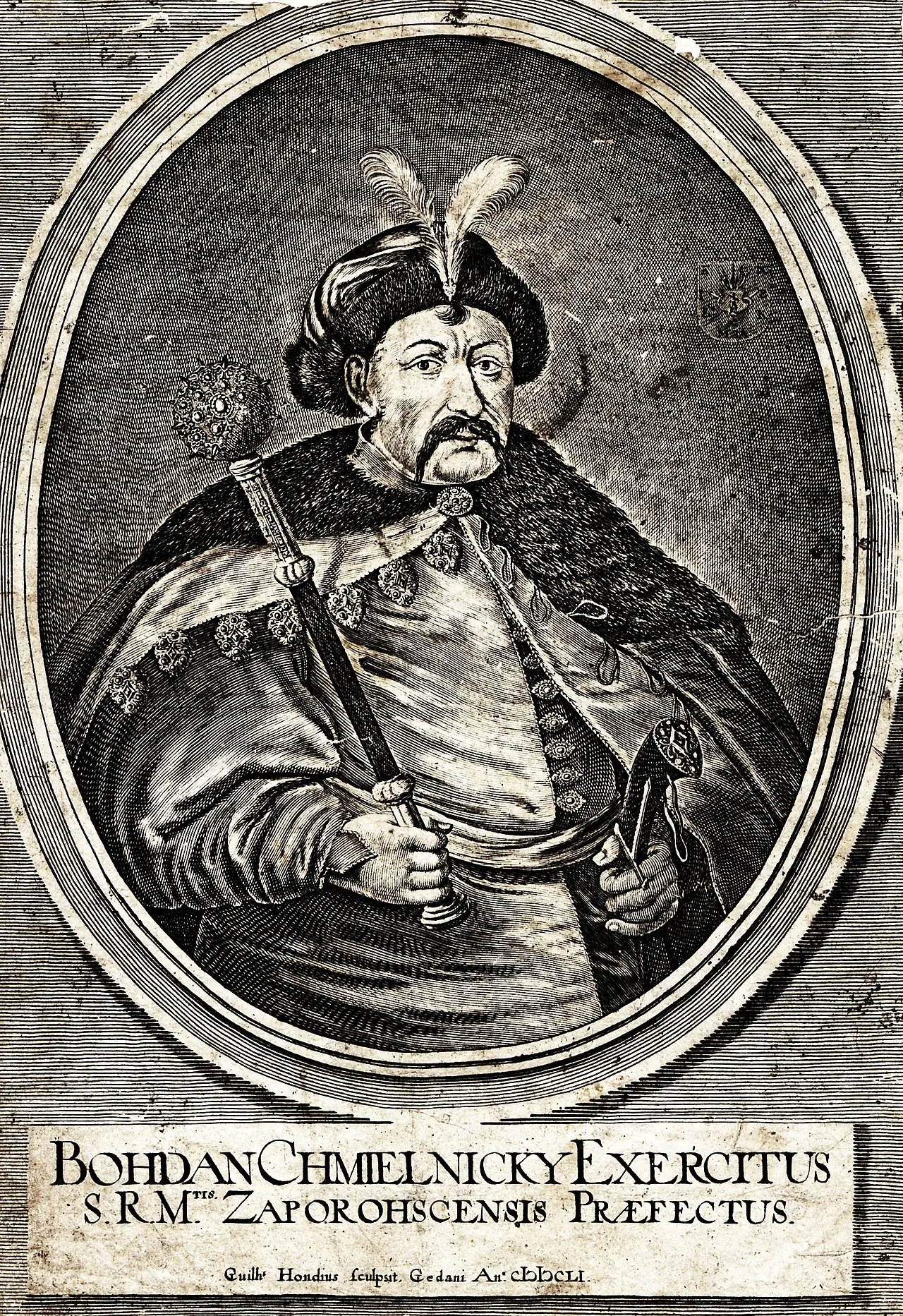
Reason 10: Transformative Historical Legacy
The impact of Bohdan Khmelnytsky extends far beyond his lifetime, making him a foundational figure in Ukrainian national consciousness.
Historian Mykhailo Hrushevsky described Khmelnytsky's achievements as creating "a new order for all of Eastern Ukraine." Khmelnytsky established the Hetmanate, a semi-autonomous state that represented the first modern Ukrainian political entity.
His vision went beyond immediate military objectives. Khmelnytsky sought to create a sovereign state that could protect Ukrainian cultural and religious interests. The Cossack state he established became a beacon of hope for generations of Ukrainians, symbolizing resistance against foreign domination and the potential for national self-determination.
The long-lasting impact of Khmelnytsky is evident in how subsequent generations of Ukrainian leaders and intellectuals have viewed him. He represents more than a historical figure; he embodies the Ukrainian spirit of resilience, strategic thinking, and the desire for independence.
Contemporary Ukrainian scholars continue to study Khmelnytsky not just as a historical subject, but as a source of inspiration for understanding national identity and state-building processes. His complex diplomatic maneuvers, his ability to unite diverse social groups, and his strategic vision continue to be relevant in modern Ukrainian political discourse.