

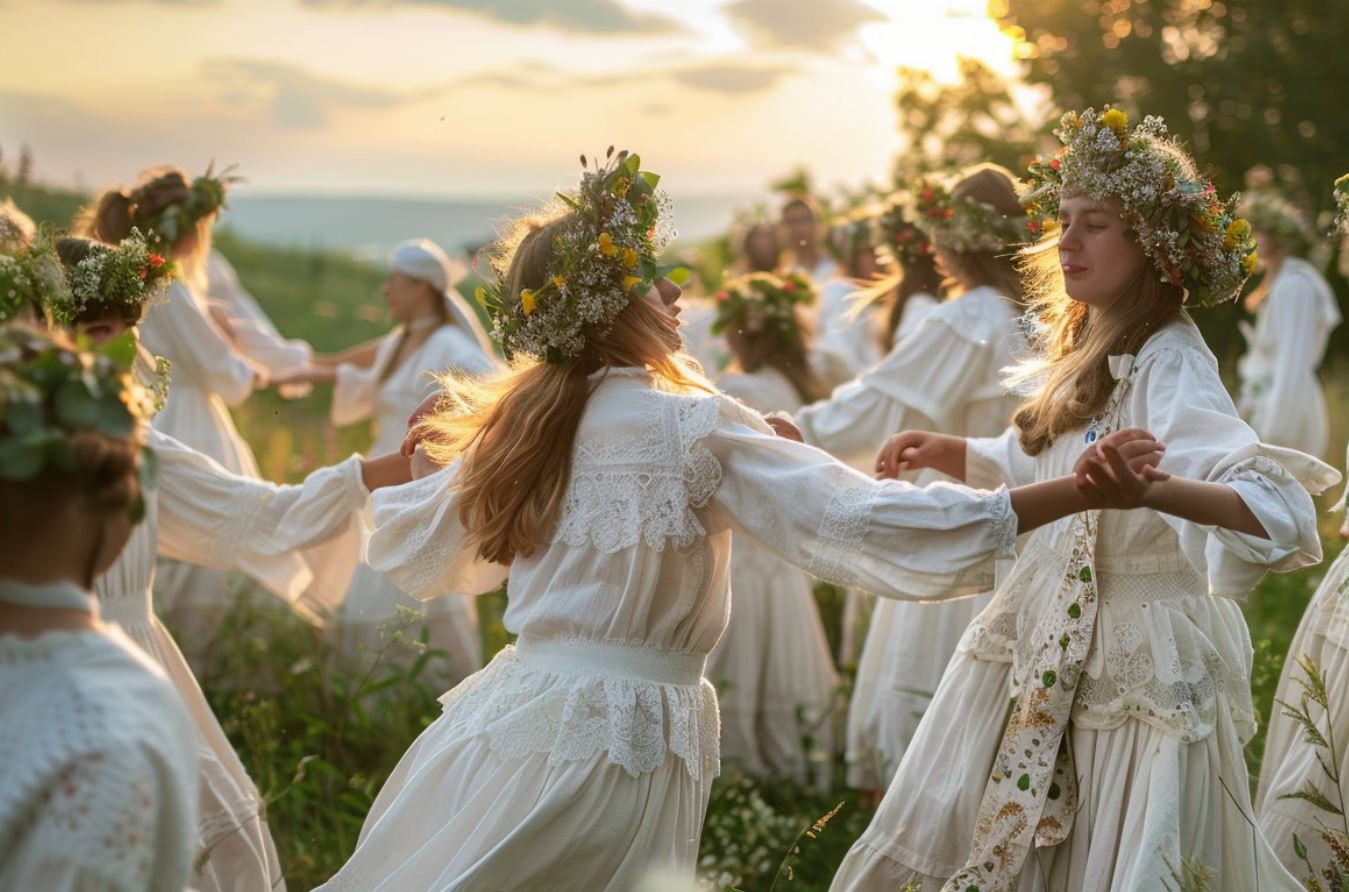
Ukraine's rich cultural heritage is woven into the fabric of its folk dance traditions, and at the heart of this tapestry lies the captivating art of the khorovod. These enchanting round dances have captivated audiences worldwide, showcasing the spirit, creativity, and deep-rooted customs of the Ukrainian people.
The Origins of Khorovod: Ritual, Rhythm, and Revelry
Khorovod, or round dance, is one of the oldest and most enduring forms of Ukrainian folk dance. Emerging from ancient ritual practices and celebrations, these dances were once deeply intertwined with the cyclical rhythms of nature and the rhythms of human life. From welcoming the arrival of spring to honoring the summer solstice, khorovod dances were a vital part of the community's cultural and spiritual fabric.
The origins of khorovod can be traced back to the pre-Christian era, when these circular dances were performed as part of various rituals and ceremonies. The round formation of the dancers, often accompanied by singing, was believed to symbolize the cyclical nature of the seasons, the interconnectedness of the community, and the harmony between humans and the natural world.
As time passed, the ritual significance of khorovod dances began to evolve, but their role as a cherished form of folk expression remained steadfast. The dances became a means of celebrating important life events, such as weddings and harvests, as well as a way for the community to come together and share in the joy of movement and music.
The Diversity of Khorovod Dances
The khorovod tradition in Ukraine is remarkably diverse, with a wide range of dances that reflect the unique cultural and regional identities of different parts of the country. Each khorovod dance has its own distinct character, choreography, and musical accompaniment, creating a rich tapestry of Ukrainian folk dance.
One of the most well-known khorovod dances is the "Vesnianky," or spring dances, which celebrate the arrival of the new season. These joyful dances often feature movements that mimic the growth of plants and the awakening of nature, with dancers weaving intricate patterns that evoke the natural world. The melodies that accompany the Vesnianky are typically lively and upbeat, capturing the sense of renewal and vitality that comes with springtime.
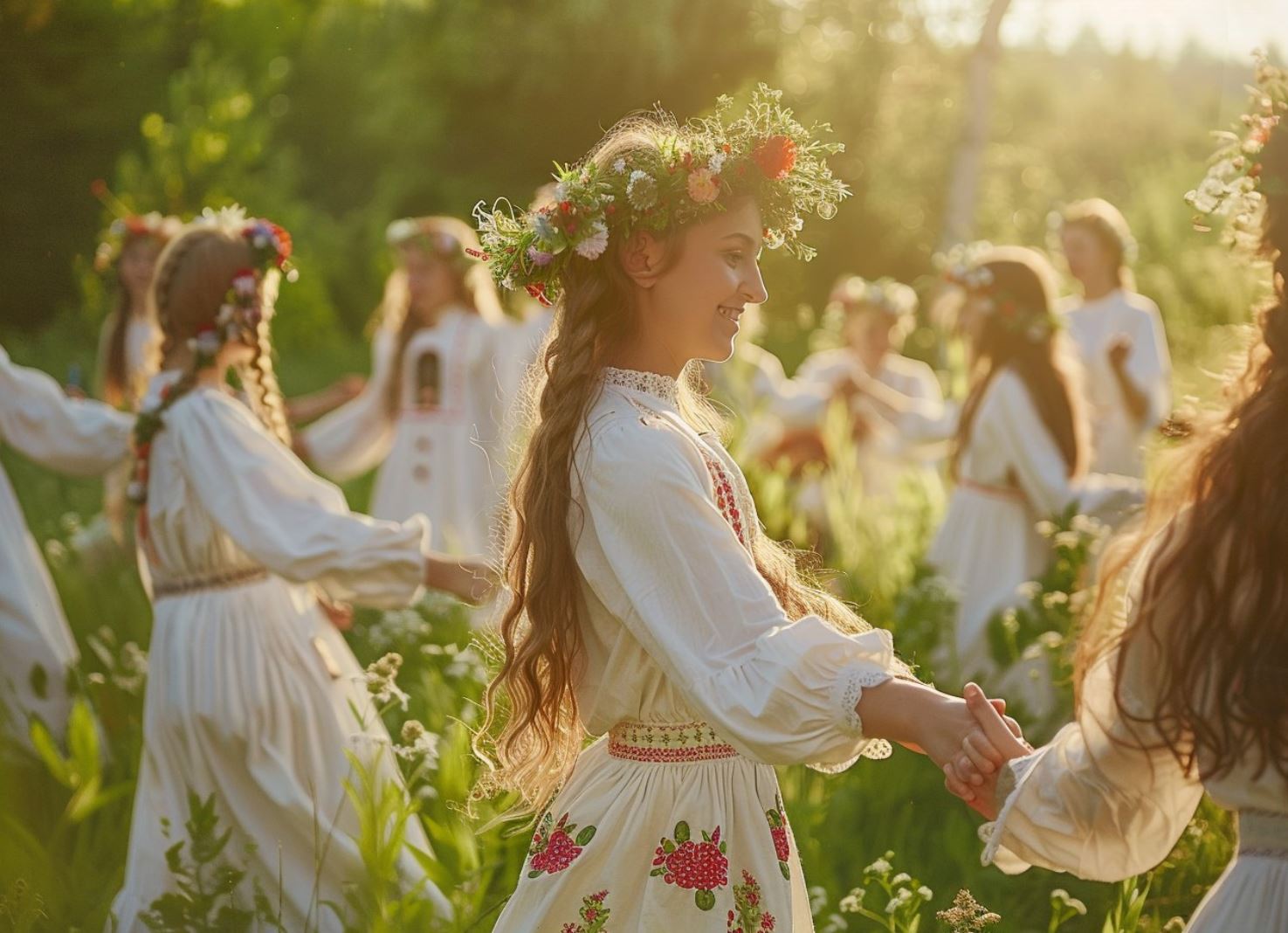
Another popular khorovod is the "Hayivky," which are associated with the celebration of the summer solstice. These dances often incorporate elements of ritual and symbolism, with dancers using props such as wreaths and scarves to create intricate choreographic patterns. The Hayivky are known for their graceful, flowing movements and the use of call-and-response singing between the dancers.
In addition to these seasonal khorovod dances, there are also those that reflect the daily life and labor of the Ukrainian people. The "Shoemaker" khorovod, for example, depicts the various stages of a shoemaker's work, with the dancers mimicking the actions of soaking, stretching, and sewing leather. These dances not only entertain but also serve as a way to preserve and celebrate the traditions of Ukrainian craftsmanship and industry.
The Choreographic Artistry of Khorovod
The choreographic artistry of khorovod dances is a testament to the creativity and ingenuity of the Ukrainian people. Each dance is a carefully crafted composition, with the dancers' movements and formations weaving a tapestry of visual storytelling.
At the heart of khorovod choreography is the circular formation, which serves as the foundation for the dancers' intricate patterns and interactions. The circular shape is not merely a practical arrangement, but a symbolic representation of the cyclical nature of life and the interconnectedness of the community.
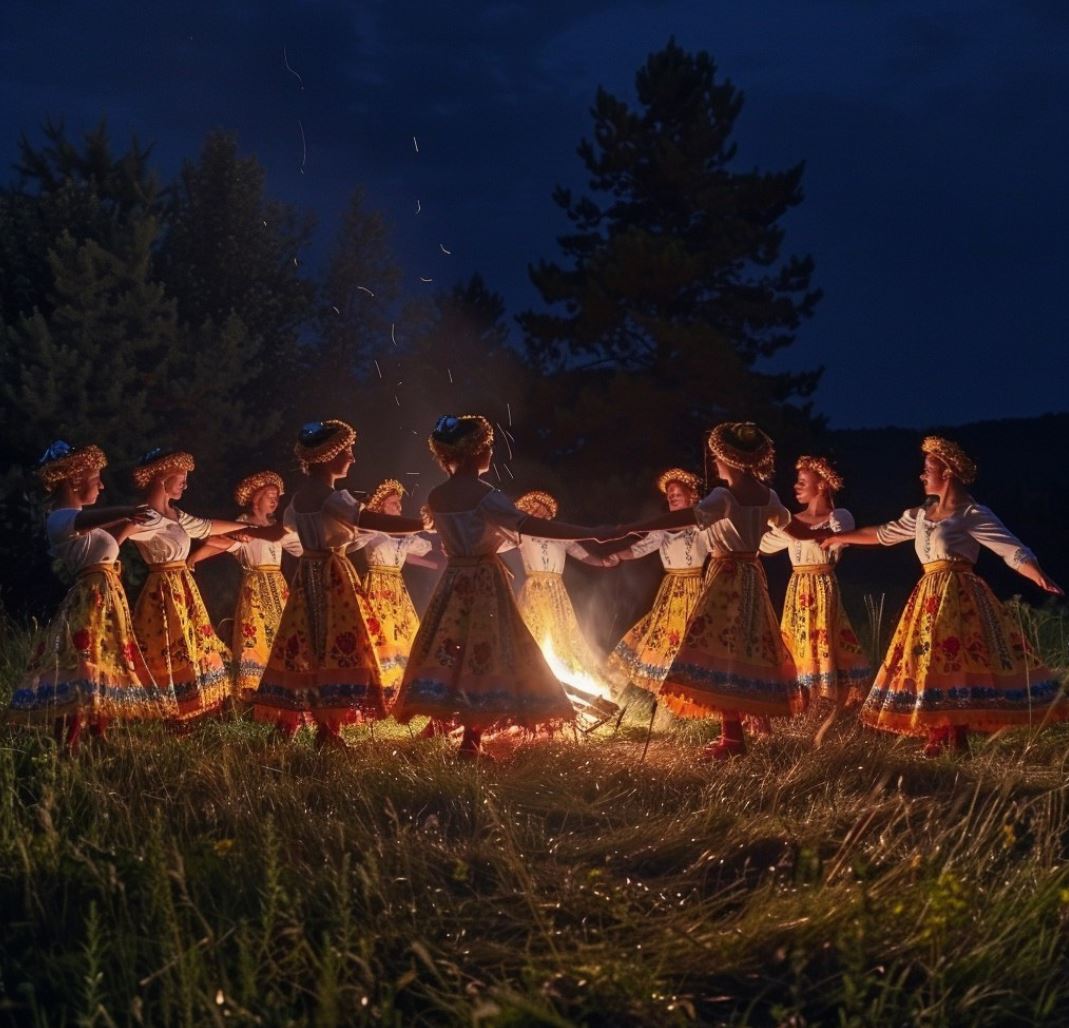
Within the circular framework, khorovod dances incorporate a wide range of choreographic elements, from pantomime and illustrative movements to ornamental patterns and virtuosic displays. The dancers' movements may mimic the actions of labor, the behaviors of animals, or the natural rhythms of the world around them, all while maintaining a sense of grace and fluidity.
One of the most striking aspects of khorovod choreography is the way in which the dancers interact with one another. In some dances, the performers may divide into smaller groups or pairs, engaging in a playful dialogue or competition. In others, the entire circle may move as a unified whole, weaving and unwinding in a mesmerizing display of coordination and unity.
The choreographic artistry of khorovod is not limited to the dancers' movements; it also extends to the use of props and costumes. Dancers may incorporate scarves, wreaths, or other traditional Ukrainian accessories into their performances, adding an extra layer of visual richness and cultural significance.
The Music of Khorovod: Rhythm, Melody, and Harmony
The music that accompanies khorovod dances is as diverse and captivating as the dances themselves. Drawing from the rich tapestry of Ukrainian folk music, khorovod melodies are characterized by their infectious rhythms, soulful harmonies, and evocative melodies.
At the heart of khorovod music is the human voice, with the dancers often singing the songs that accompany their movements. These vocal traditions are deeply rooted in the cultural heritage of Ukraine, with each region and community having its own unique musical styles and repertoires.
The melodies of khorovod dances are often built upon the repetition of short, catchy phrases, which are then elaborated upon and embellished by the singers. This call-and-response structure not only adds to the rhythmic vitality of the music but also fosters a sense of communal participation and shared experience.
In addition to the vocal elements, khorovod music also features a rich instrumental accompaniment. Traditional Ukrainian instruments such as the bandura, tsymbaly, and sopilka (a type of wooden flute) are often used to provide a harmonic and rhythmic foundation for the dancers' movements.
The interplay between the vocal and instrumental elements of khorovod music is a crucial aspect of its artistic expression. The musicians and dancers work in seamless harmony, with the music guiding and inspiring the choreography, and the choreography, in turn, shaping the music's emotional and rhythmic character.
The Enduring Legacy of Khorovod
The enduring legacy of khorovod dances is a testament to the resilience and creativity of the Ukrainian people. Despite the many challenges and upheavals that have shaped the country's history, these round dances have continued to thrive, evolving and adapting to the changing times while still preserving their core cultural significance.
Today, khorovod dances can be found in the repertoires of professional and amateur dance ensembles throughout Ukraine and around the world. These performances not only entertain audiences but also serve as a means of preserving and sharing the rich cultural heritage of the Ukrainian people.
Beyond the stage, khorovod dances continue to be an integral part of community life in Ukraine. In villages and towns across the country, people gather to celebrate important events and festivals by dancing the traditional round dances of their ancestors. These
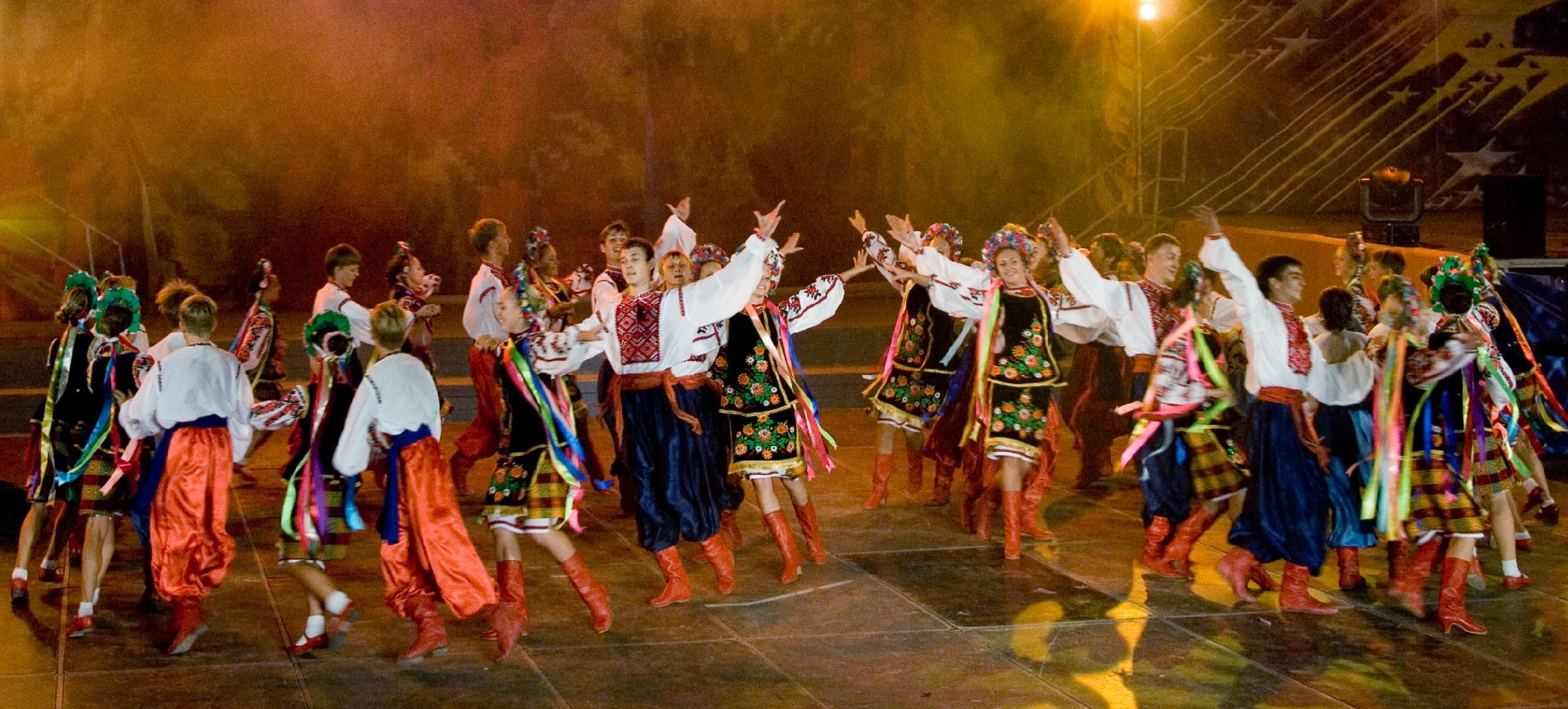
communal gatherings are not just about entertainment; they are a way of strengthening social bonds, passing on cultural knowledge, and affirming the enduring spirit of the Ukrainian people.
As the world continues to grapple with the challenges of the present, the timeless beauty and cultural significance of khorovod dances serve as a reminder of the power of tradition to inspire, unite, and uplift. Through the graceful movements, joyful melodies, and deep-rooted symbolism of these round dances, the Ukrainian people continue to weave the tapestry of their rich cultural heritage, inviting all who witness to join in the celebration of their enduring spirit.