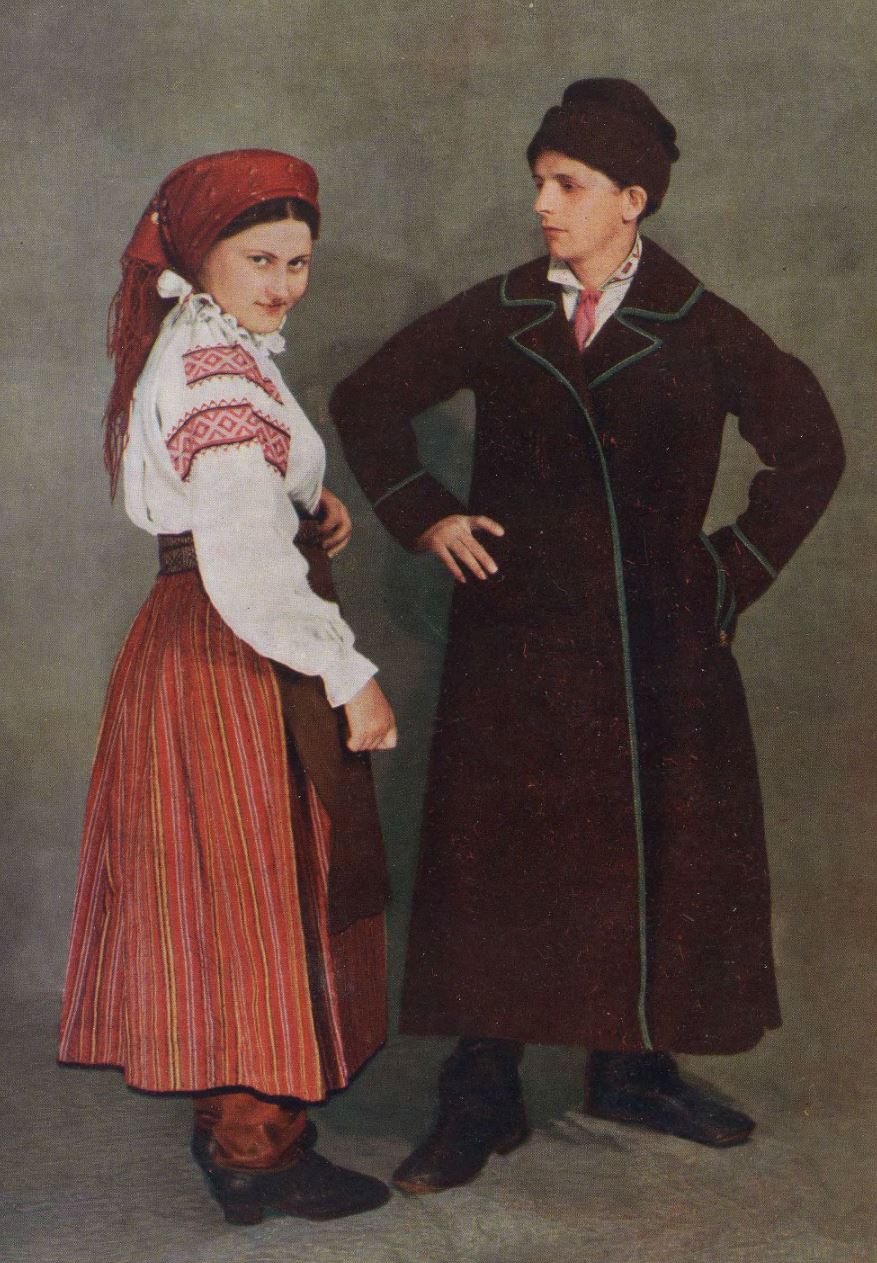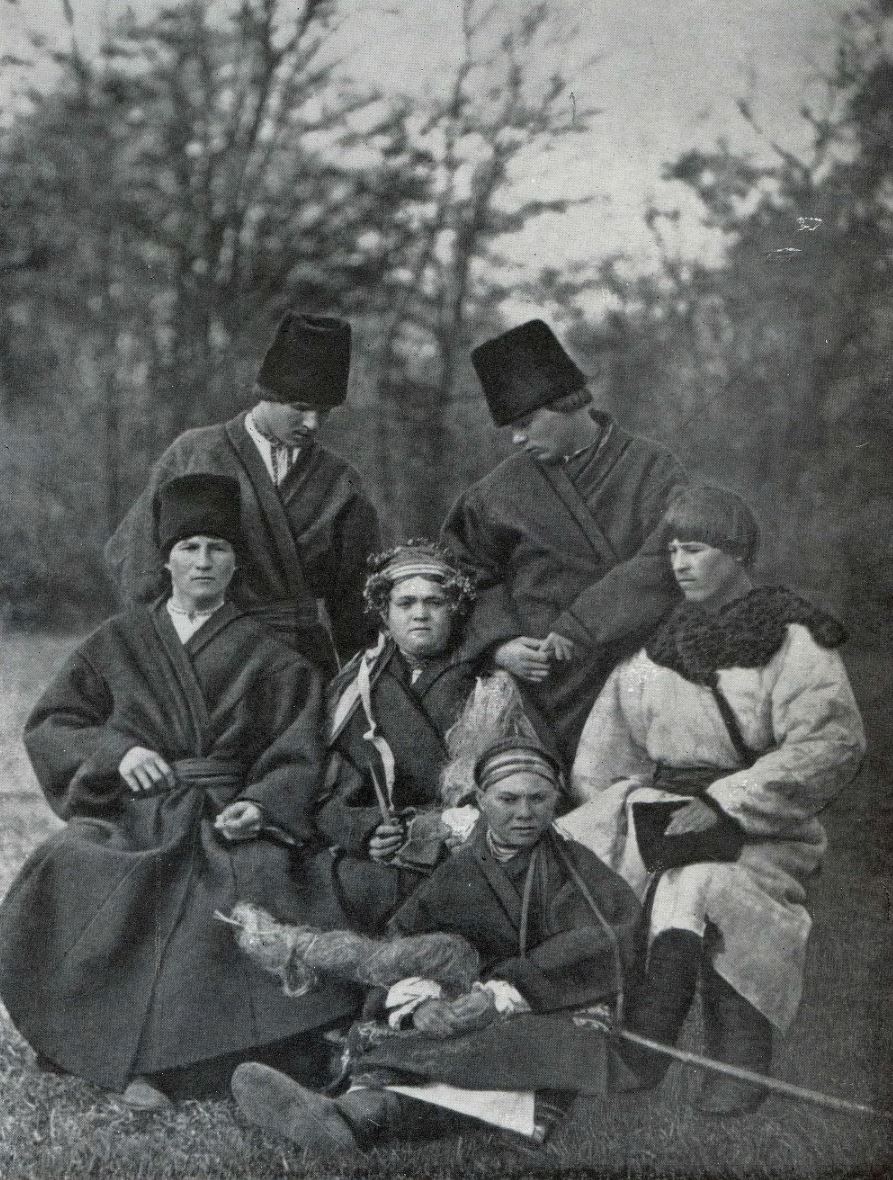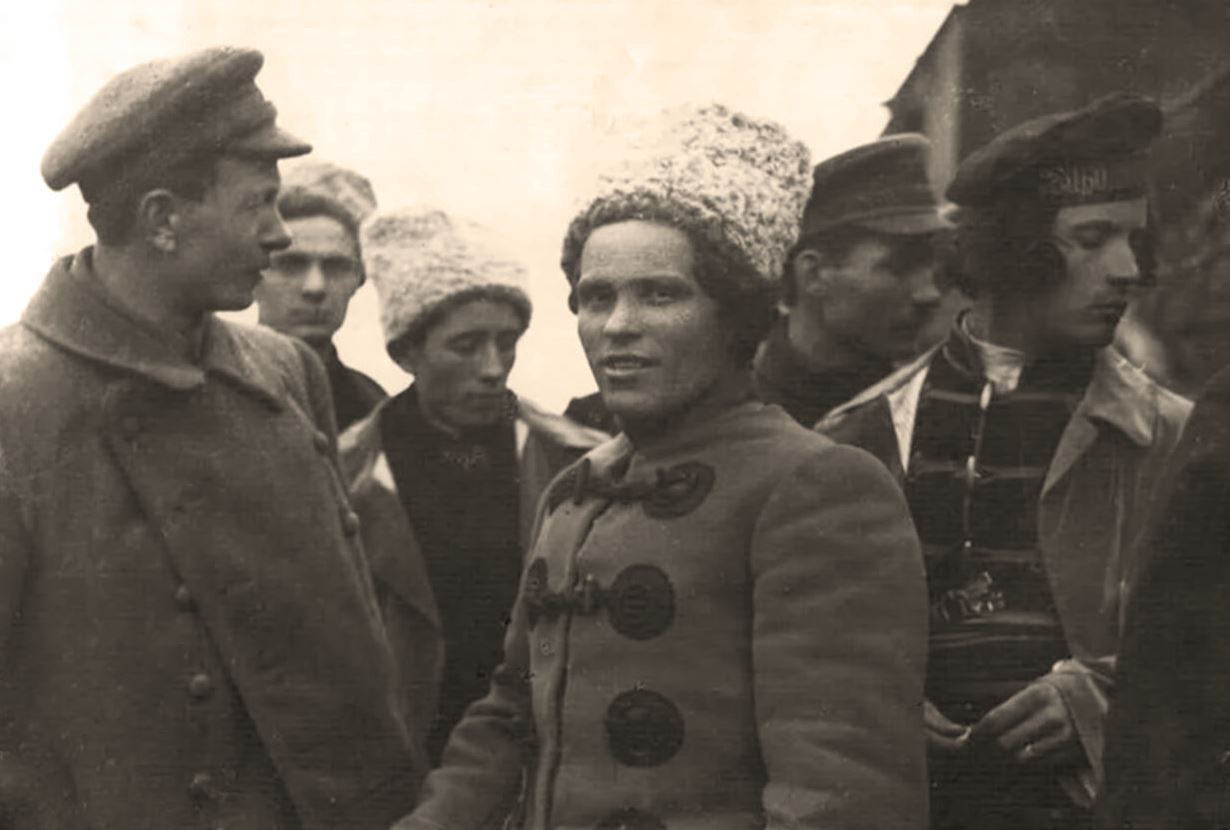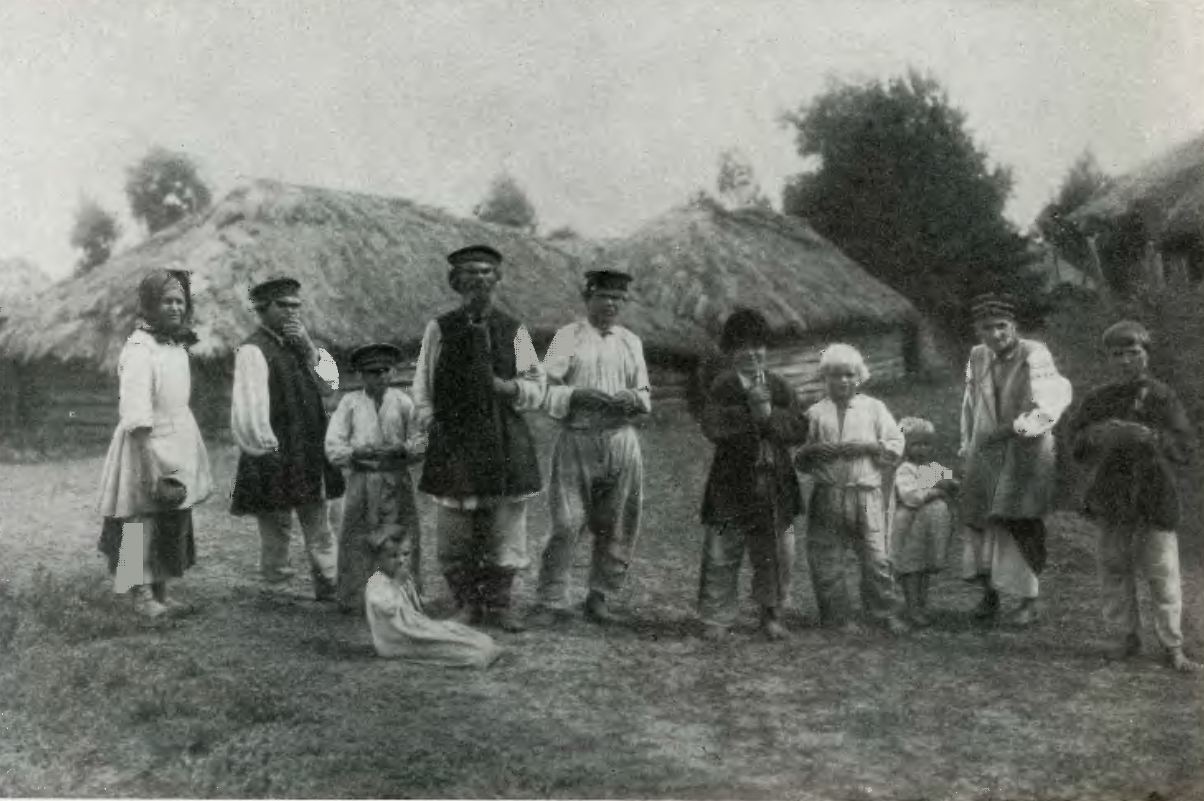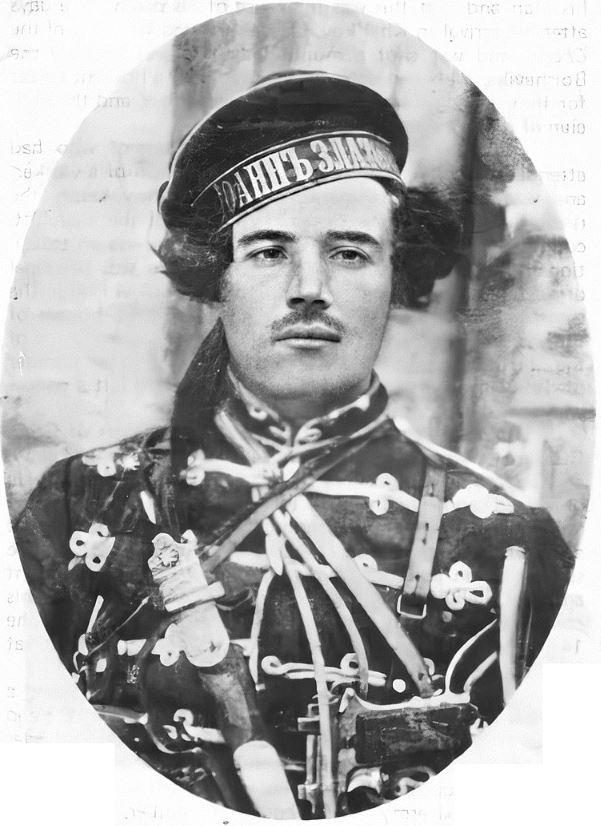


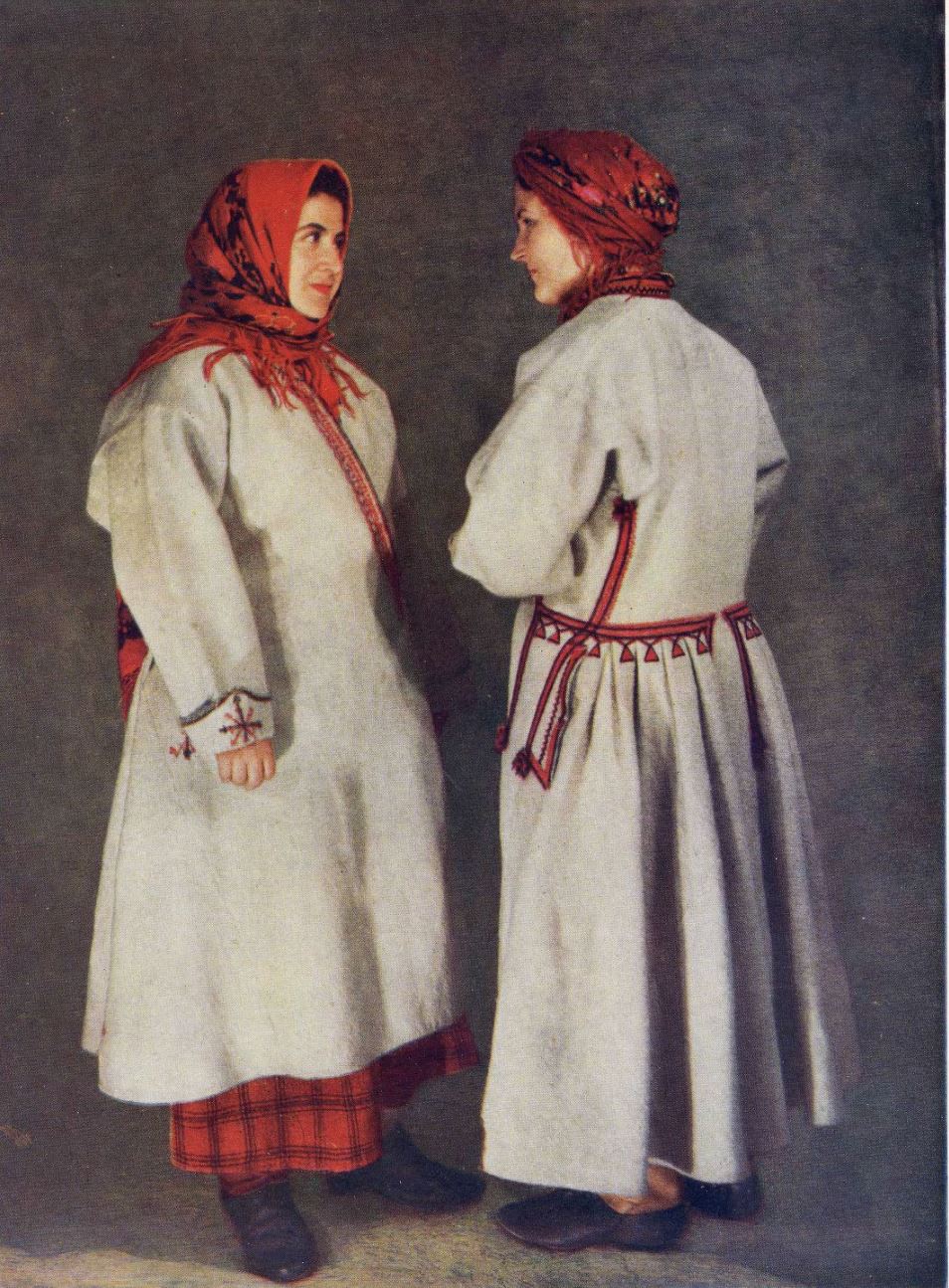
Ukrainian folk costumes have a rich history of evolution and development, showcasing a remarkable diversity and complexity despite sharing common features. These traditional garments not only vary across regions in Ukraine but also display unique characteristics within individual villages and communities.
It is, of course, impossible to fully consider and account for all these small differences and nuances present in each costume. However, it is necessary to carefully single out and identify certain large ethnographic areas in which, for historical, economic, and geographical reasons, different complexes of folk costumes exist to some extent and thrive. There are five such major areas that can be distinguished and explored further. First and foremost, it is the Middle Dnipro region with the left-bank and steppe regions that exhibit distinct styles and variations. According to the current administrative division of Ukraine, this area includes Kyiv, Zhytomyr, Chernihiv, Sumy regions (without the northern strip), Cherkasy, Poltava, Kharkiv, and partially Luhansk, and Dnipro regions.
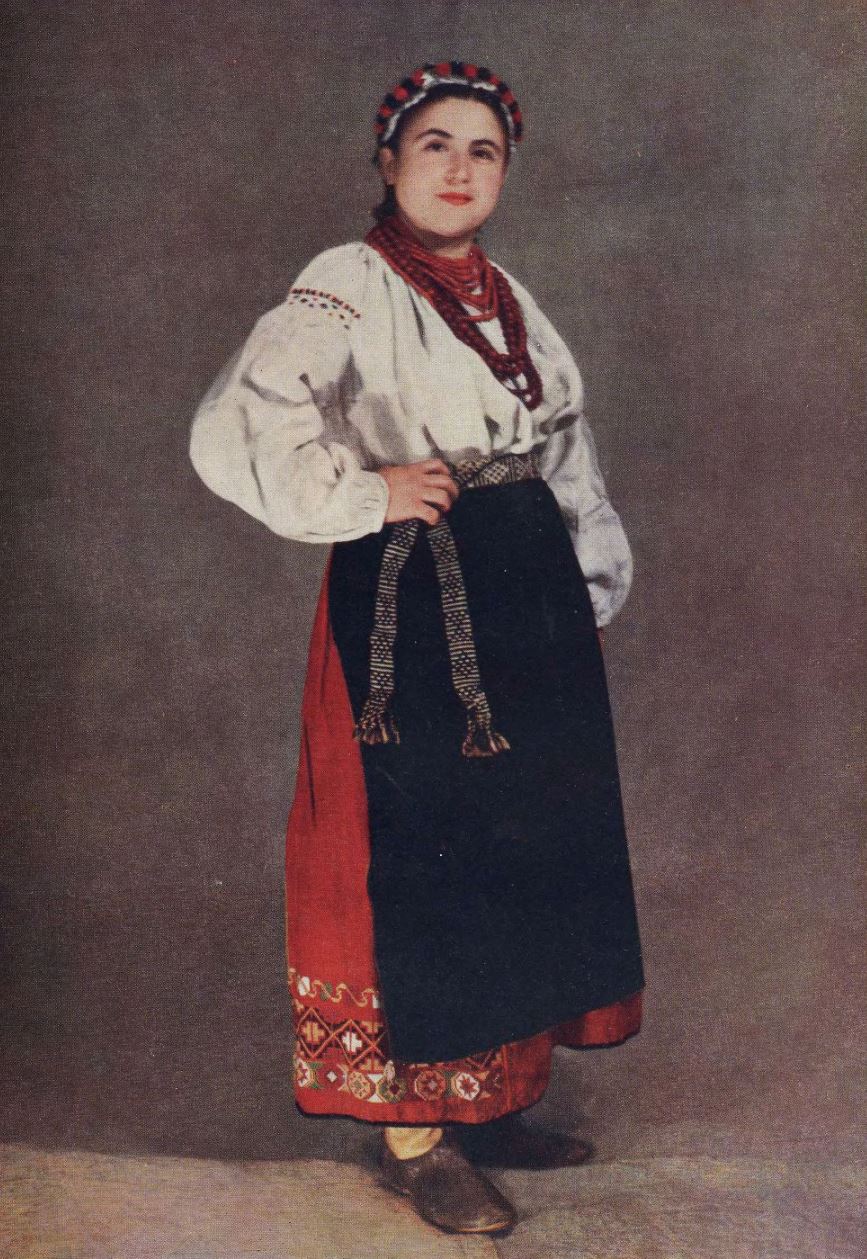
Polissia, on the other hand, has specific features that set it apart from other regions: a wide northern forest belt stretching from Sumy to Volyn. It includes the northern districts of Sumy, Chernihiv, Kyiv, and a large part of Zhytomyr, Rivne, and Volyn regions, each contributing to the rich tapestry of Ukrainian folk costumes found across the country.
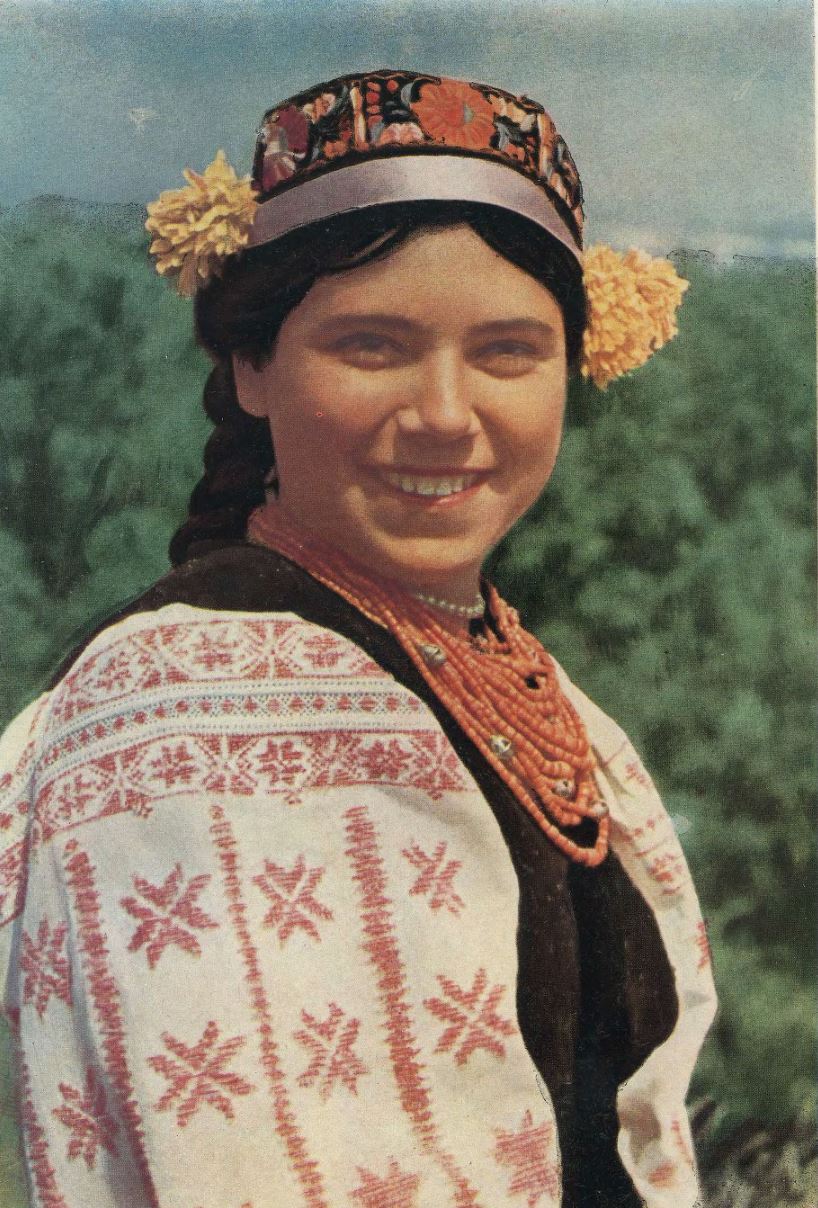
Podillia is distinguished by its rich economic history and ethnographic features, and it has a number of similarities with the Middle Dnipro region, making it a region of significant cultural and historical importance. According to the current administrative division, it is mainly the western part of Cherkasy (Uman), Vinnytsia, Khmelnytsky, and the eastern districts of Ternopil regions, encompassing a diverse and dynamic area with a rich heritage.
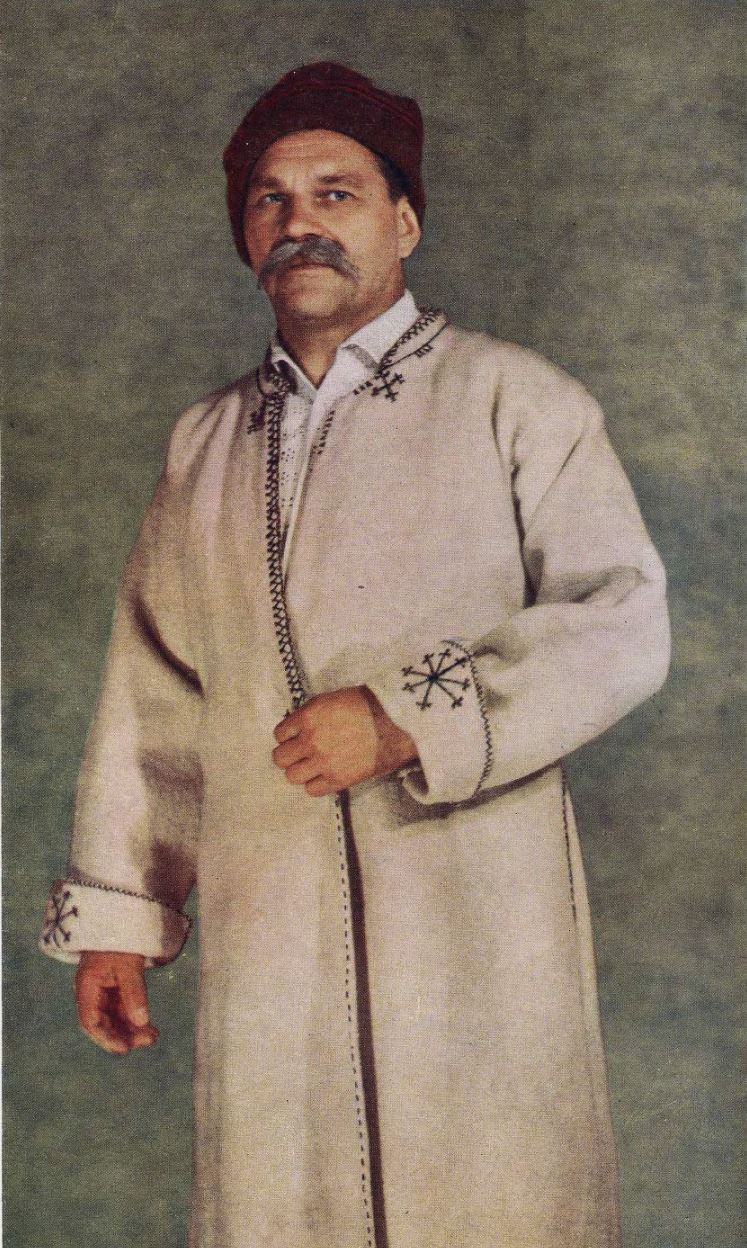
Settlement of the southern steppe regions and the Crimea began approximately in the late eighteenth and early nineteenth centuries, marking a period of significant cultural exchange and development. The settlers brought with them various utensils, clothing, and customs, shaping the cultural landscape and creating a unique blend of traditions. That is why in Mykolaiv, Kherson, Odesa, and Crimean regions, with minor changes, there are complexes of clothing typical of Kyiv, Poltava, Chernihiv, and Podillia, showcasing the interconnectedness of different regions and their shared cultural heritage.
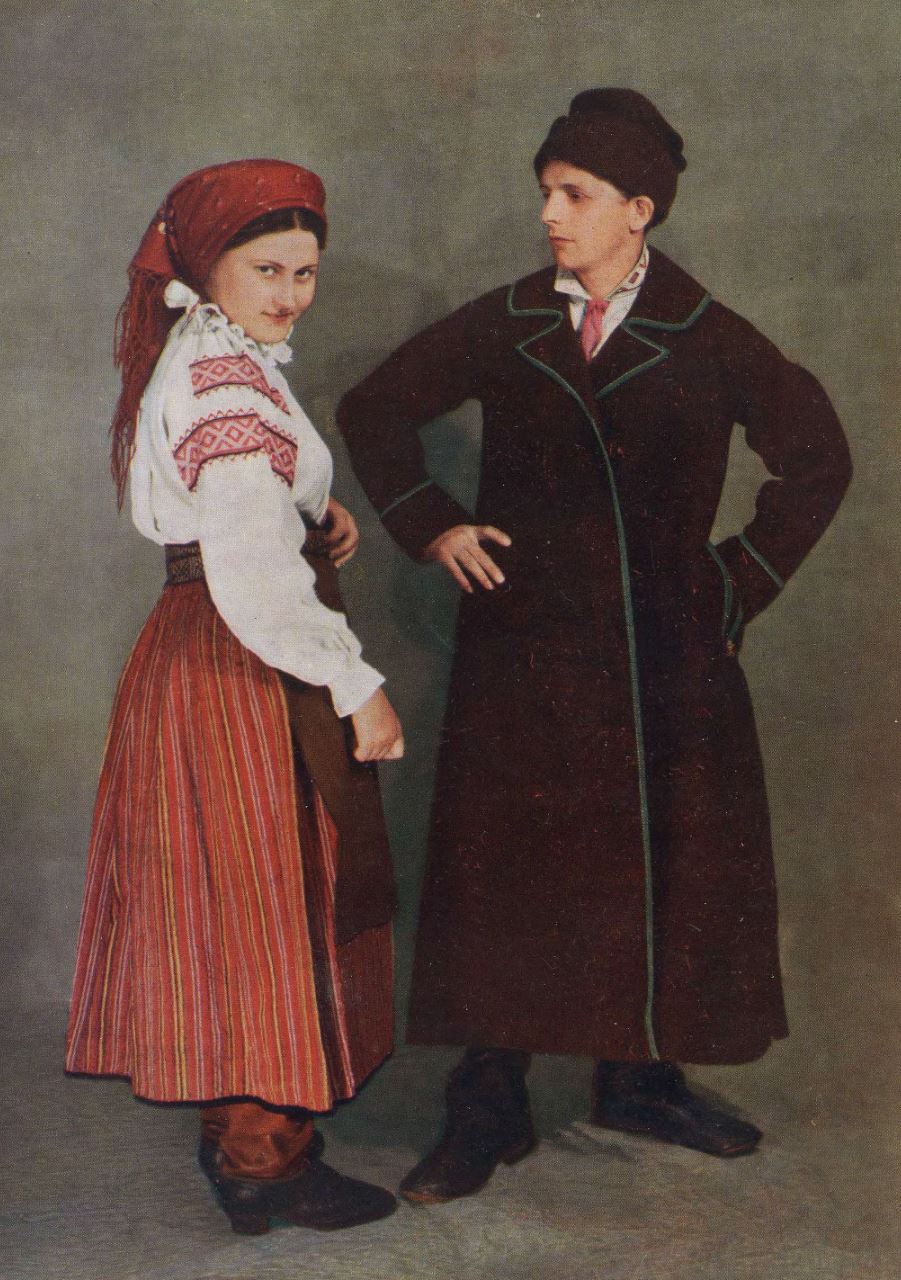
In the nineteenth century, large capitalist enterprises with hired labor began to develop in the southeastern steppe regions, ushering in a new era of industrialization and economic growth. Here, factory materials and even mass-produced clothing items became increasingly common, reflecting changing economic trends and the shift towards modernization.
The western regions of Ukraine presented a more diverse picture, showcasing a wide range of unique elements and styles. For a long time, before the reunification of all Ukrainian lands, this territory was fragmented and under the national oppression of neighboring countries, leading to distinct regional variations in folk costumes. In most villages, up until the 1940s, home production of fabrics and clothing prevailed, with archaic features preserved through generations. Each village had its own, often significant, differences in folk costumes, especially in the nature of weaving, embroidery, and jewelry, showcasing the intricate craftsmanship of local artisans. The nature of folk costumes was strongly influenced by economic and geographical conditions, shaping the distinct character of each region's traditional attire. Thus, specific features can be traced in the clothing of eastern Galicia (modern Lviv and part of Ternopil regions), Bukovyna and Pokuttia (Chernivtsi and Ivano-Frankivsk regions without mountainous areas), mountainous regions of the Carpathians (and Ivano-Frankivsk and partly Lviv and Chernivtsi regions), and Transcarpathia, highlighting the rich diversity and cultural heritage of Ukrainian folk costumes across different regions.
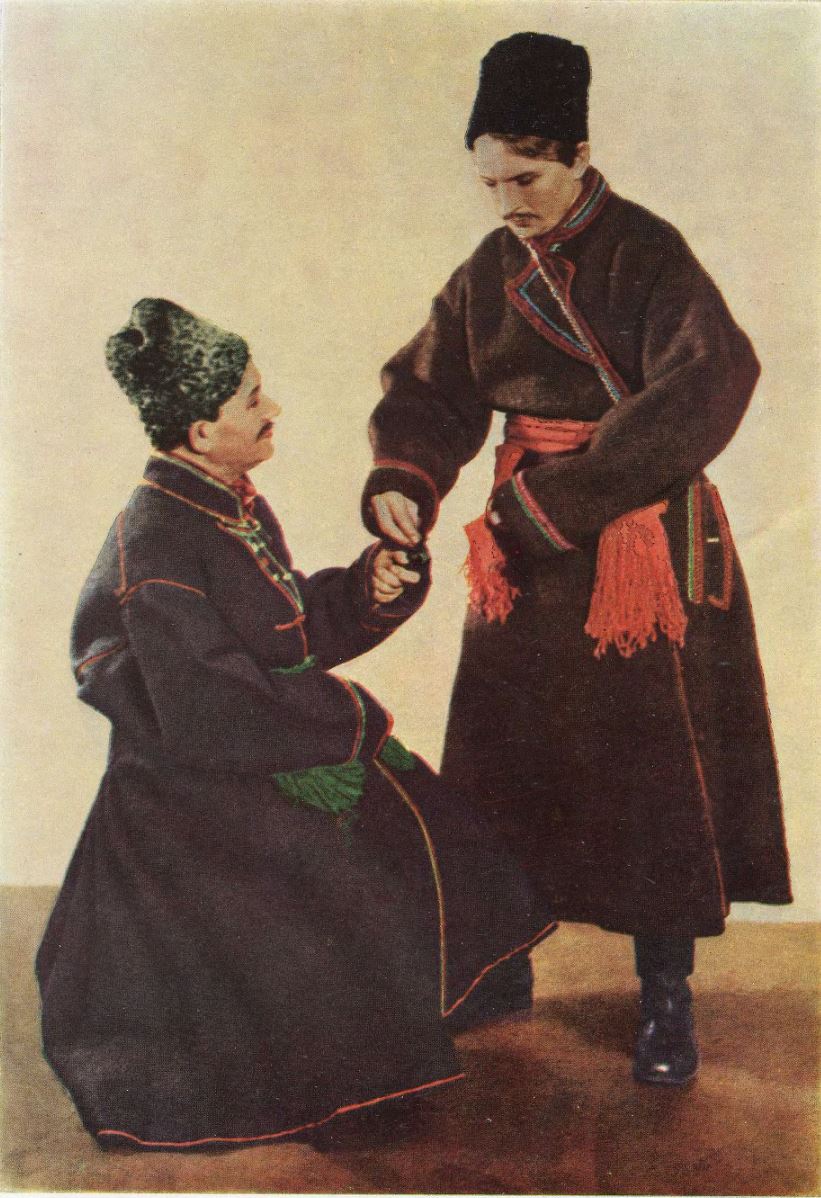
In summary, Ukrainian folk costumes have evolved to exhibit great diversity, with specific features varying not only between regions but also within individual villages. The preservation of archaic features in clothing production until the mid-20th century highlights the importance of local traditions and craftsmanship in shaping the rich heritage of Ukrainian folk costumes.