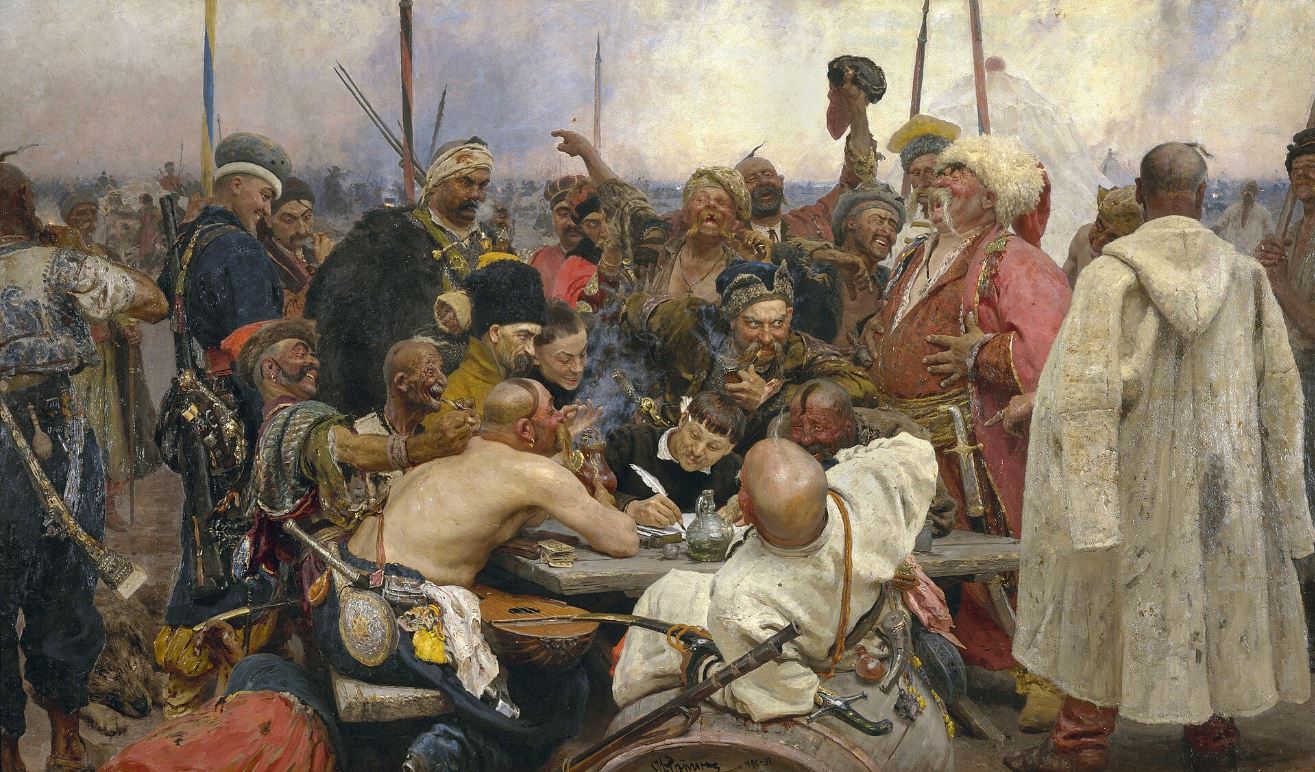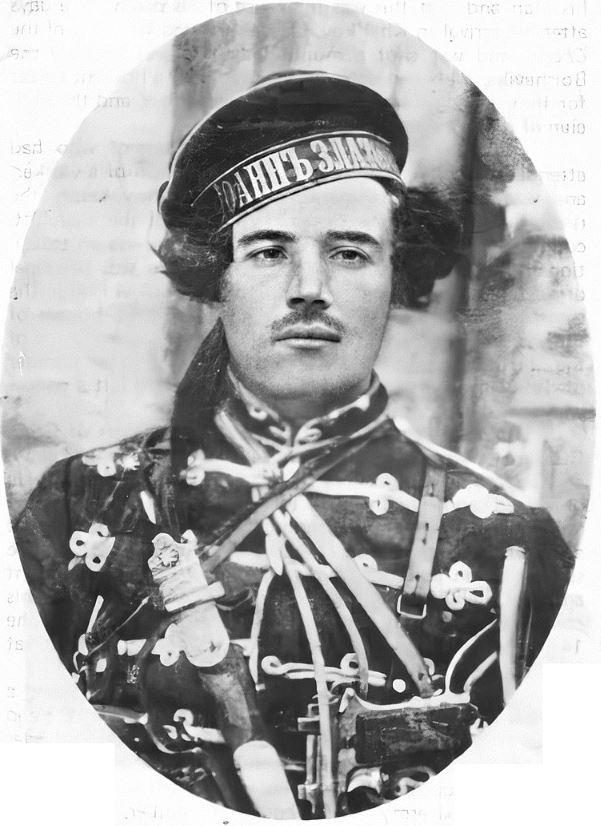

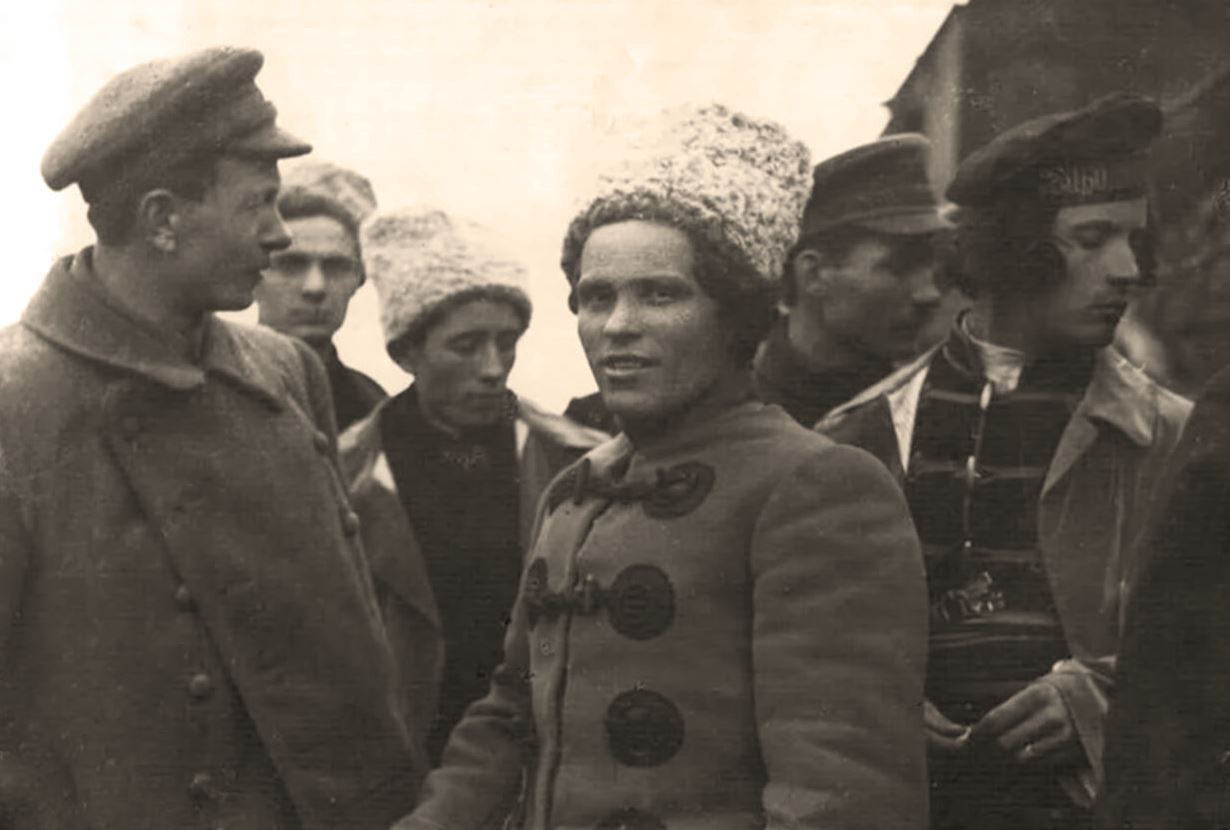
The Ukrainian Revolution of 1917-1922 was a tumultuous period marked by competing visions for the country's future. Amidst the chaos, one figure emerged as a powerful and controversial leader: Nestor Makhno, the anarchist revolutionary who commanded a formidable peasant army known as the Revolutionary Insurrectionary Army of Ukraine, or the "Makhnovists."
Makhno's legacy remains a subject of intense debate, with historians and scholars grappling with the complexities of his role in the Ukrainian Revolution. Was he a heroic champion of the peasantry, fighting for their autonomy and social justice? Or was he a ruthless bandit, whose actions sowed discord and undermined the efforts of other revolutionary forces? The answer, as is often the case in history, lies somewhere in the nuances and contradictions that defined Makhno's life and the Makhnovist movement.
Born in 1888 in the village of Huliaipole, Makhno came from humble peasant origins. From a young age, he was drawn to the anarchist ideology, which promised a radical transformation of society based on the principles of decentralization, worker self-management, and the abolition of the state. As a teenager, Makhno joined the local anarchist group and participated in a series of expropriations and terrorist acts against the wealthy and the authorities.
Makhno's revolutionary fervor only intensified after he was arrested and sentenced to death for his involvement in the murder of a government official. Though his sentence was later commuted to life in prison, his time behind bars proved to be a formative experience. It was there that he met influential anarchist thinkers like Piotr Arshinov, who became his close confidant and mentor, instilling in him a deeper understanding of anarchist theory and strategy.
When the February Revolution of 1917 swept away the tsarist regime, Makhno was among the political prisoners who were granted amnesty. Returning to his native Huliaipole, he quickly emerged as a prominent figure in the local revolutionary movement, assuming leadership roles in the peasant union and the district Soviet of Workers' and Peasants' Deputies. Makhno's vision was clear: he sought to establish a decentralized, self-governing system of "free soviets" that would empower the peasantry and workers, free from the control of any central authority.
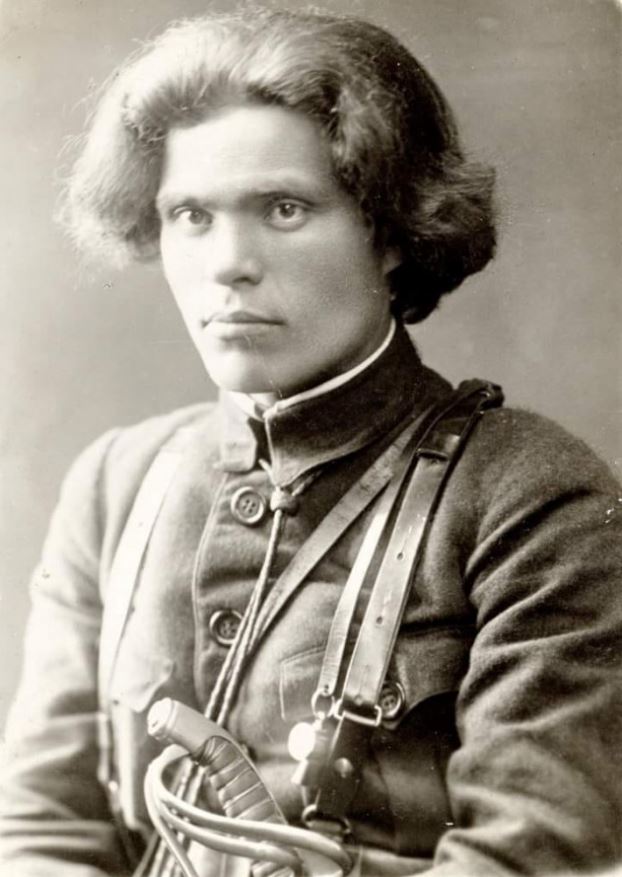
As the Bolsheviks consolidated their power in the aftermath of the October Revolution, Makhno's antagonism towards their centralized, authoritarian model of socialism only grew. He saw the Bolsheviks as betraying the true spirit of the revolution, and he was determined to carve out a space for his own anarchist vision. In the spri ng of 1918, as the German and Austro-Hungarian armies occupied parts of Ukraine, Makhno organized a network of peasant guerrilla units that launched attacks against the occupying forces and the Ukrainian nationalist Hetmanate government.
Makhno's guerrilla tactics and his ability to rally the peasantry to his cause soon made him a formidable force to be reckoned with. By the summer of 1918, his Revolutionary Insurrectionary Army had grown to several thousand strong, and it was wreaking havoc on the German and Austrian-backed Ukrainian authorities. Makhno's reputation as a skilled military commander and a champion of the peasants' interests only continued to grow, as his forces liberated town after town from the grip of the occupiers.
In the midst of this turmoil, Makhno sought to forge an alliance with the Bolsheviks, recognizing the need for a united front against the common enemy of the White forces led by General Denikin. In February 1919, Makhno's army was formally incorporated into the Red Army, with Makhno himself taking on the role of brigade commander. This alliance, however, proved to be short-lived, as tensions soon arose between Makhno's anarchist vision and the Bolsheviks' centralizing tendencies.
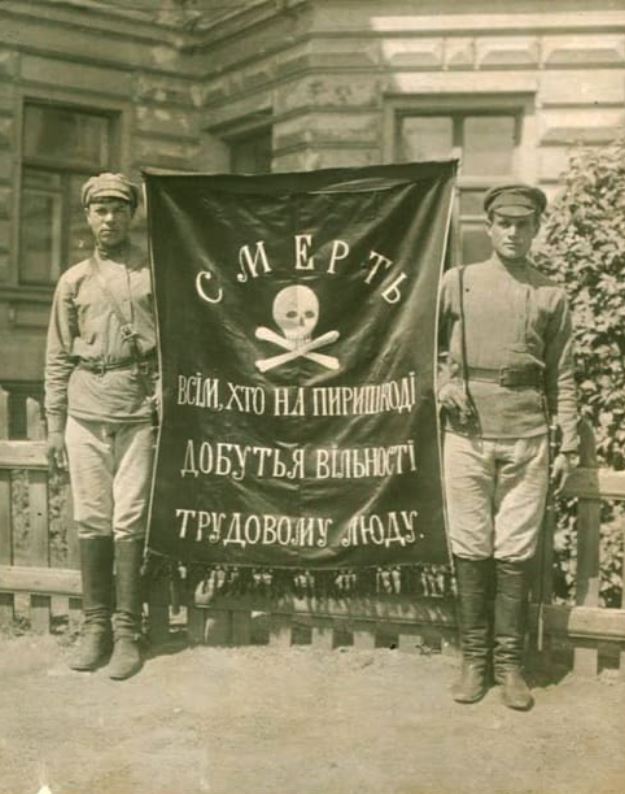
The breaking point came in June 1919, when the Bolsheviks accused Makhno of "undermining the front" and declared him an outlaw. Makhno responded by severing ties with the Reds and launching a series of daring raids and maneuvers that kept the Bolshevik forces at bay. Over the next year and a half, Makhno's Makhnovist army engaged in a complex dance of cooperation and conflict with both the Reds and the Whites, carving out a vast "free territory" in southern Ukraine that was governed according to anarchist principles.
Makhno's vision for this "free territory" was ambitious and radical. He sought to establish a decentralized, self-governing system of "free soviets" that would empower the peasantry and workers, free from the control of any central authority. Land was to be redistributed to the peasants, and factories were to be placed under the control of the workers. The Makhnovist movement also championed the rights of women and ethnic minorities, and it promoted a spirit of cultural and religious tolerance.
However, Makhno's methods were often brutal and uncompromising. His forces were known to engage in acts of violence and retribution against those they perceived as enemies, including the summary execution of Bolshevik officials and the destruction of property. This, coupled with the Makhnovists' refusal to submit to the authority of the Bolsheviks or any other political force, made them a target of suspicion and hostility from all sides.
As the Russian Civil War dragged on, the Makhnovist movement found itself increasingly isolated and outmatched by the growing power of the Red Army. In the autumn of 1920, Makhno's forces were forced to retreat from their stronghold in Huliaipole, and they embarked on a daring 600-mile "breakthrough" maneuver that saw them evade encirclement by Bolshevik and White forces alike. This feat only added to Makhno's reputation as a brilliant military strategist and a thorn in the side of both the Reds and the Whites.
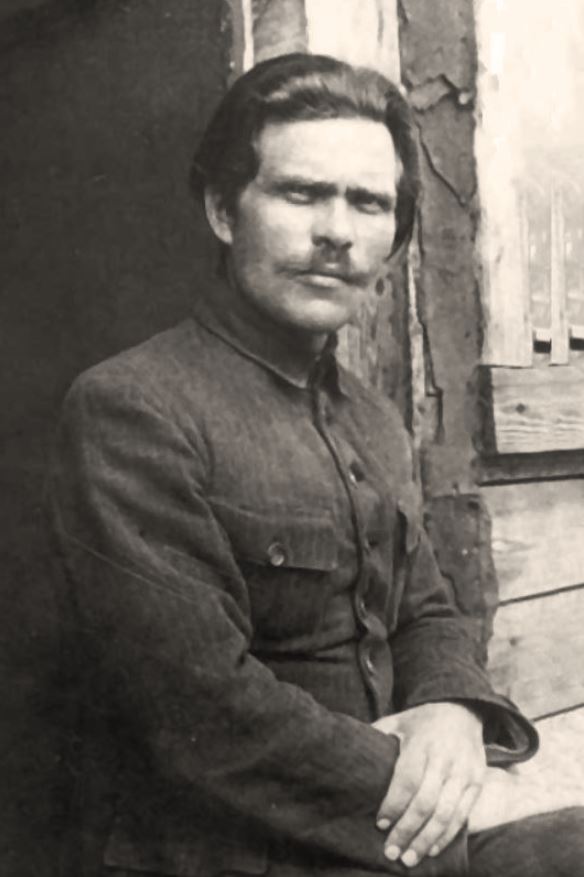
Ultimately, however, the Makhnovist movement was doomed to failure. In the face of the Bolsheviks' relentless pursuit and the growing strength of the Red Army, Makhno and his remaining followers were forced to flee Ukraine and seek refuge in Romania in August 1921. Makhno himself spent the rest of his life in exile, first in Poland and then in France, where he died in 1934 at the age of 45.
The legacy of Nestor Makhno and the Makhnovist movement remains a subject of intense debate and scholarly inquiry. To some, Makhno was a heroic figure who fought tirelessly for the autonomy and social justice of the Ukrainian peasantry, a true champion of the revolutionary ideals of 1917. To others, he was a ruthless bandit whose actions sowed discord and undermined the efforts of other revolutionary forces, including the Bolsheviks.
The truth, as is often the case, lies somewhere in the middle. Makhno was a complex and contradictory figure, driven by a deep-seated commitment to anarchist principles but also willing to employ violence and coercion to achieve his goals. His movement, the Makhnovshchina, was a unique and fascinating experiment in grassroots, decentralized revolution, but it was also marked by internal tensions and a lack of coherent political strategy.
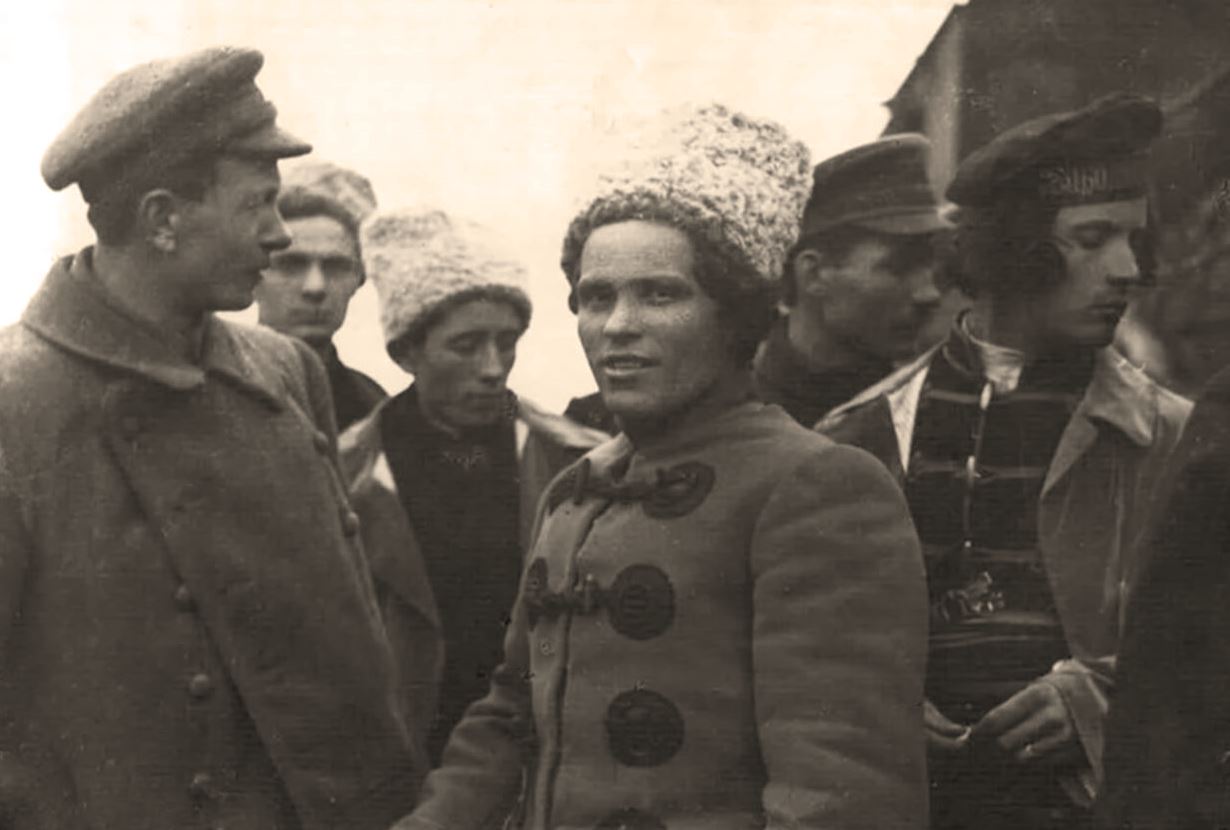
Ultimately, the story of Nestor Makhno and the Makhnovist movement serves as a poignant reminder of the complexities and contradictions that often define revolutionary movements. It is a tale of idealism and pragmatism, of heroism and brutality, of the eternal struggle between individual liberty and the demands of collective action. As such, it continues to captivate historians, political theorists, and anyone interested in the tumultuous history of the Ukrainian Revolution and the enduring legacy of anarchism.