

Ukrainian folk costumes, which have gone through such a long way of evolution, are characterized by great diversity, despite all the common features. Not only in the regions, but also in individual villages, clothing has specific features.
The unique economic circumstances gave rise to a special style of clothing in Podillia. For generations, sheep farming has played a crucial role in the local economy. The primary material for embroidery was threads made from sheep's wool, which were spun and twisted. Animal-derived yarn readily absorbed a diverse range of natural dyes, resulting in the vibrant colors of the embroidery found in the southwestern parts of Podillia. In addition to colorful embroidery, traditional "white on white" embroidery with linen and hemp threads remains prevalent throughout Ukraine. The predominant color in the lower part of the dress and overall color scheme is black, seen in items such as scarves, stockings, and humpbacks.
Until nearly the twentieth century, women's clothing in Podillia upheld ancient customs. A typical shirt featured solid sleeves sewn parallel to the loom and adorned with decorative multicolored embroidery, while the shirt hems were often left unembroidered. The shirt was worn with a substantial overlap over the belt. A gorbatka, a rectangular cloth piece wrapped around the hips, typically in black fabric with occasional use of colored thread. One or both ends of the gorbatka were tucked in and fastened with a woven belt or a narrow sash.

The dark outer garment is a cloth vest with a shawl-like collar, often richly adorned with embroidery. The ancient manta-gunka is crafted from dark fabric. Coats were tailored from dovan with a turn-down or shawl collar and lavishly embellished with embroidery, a common practice in the region.
In the southern areas, coats were fashioned shorter with a standing collar, reflecting regional variations. Girls' headdresses featured decorative ribbons, while during festive occasions, they donned a narrow wreath. In contrast to the wreaths seen in central Ukraine, Podillia's wreaths incorporated larger flowers at the back and smaller ones at the front. During winter, dyed duck feathers often replaced the flowers.
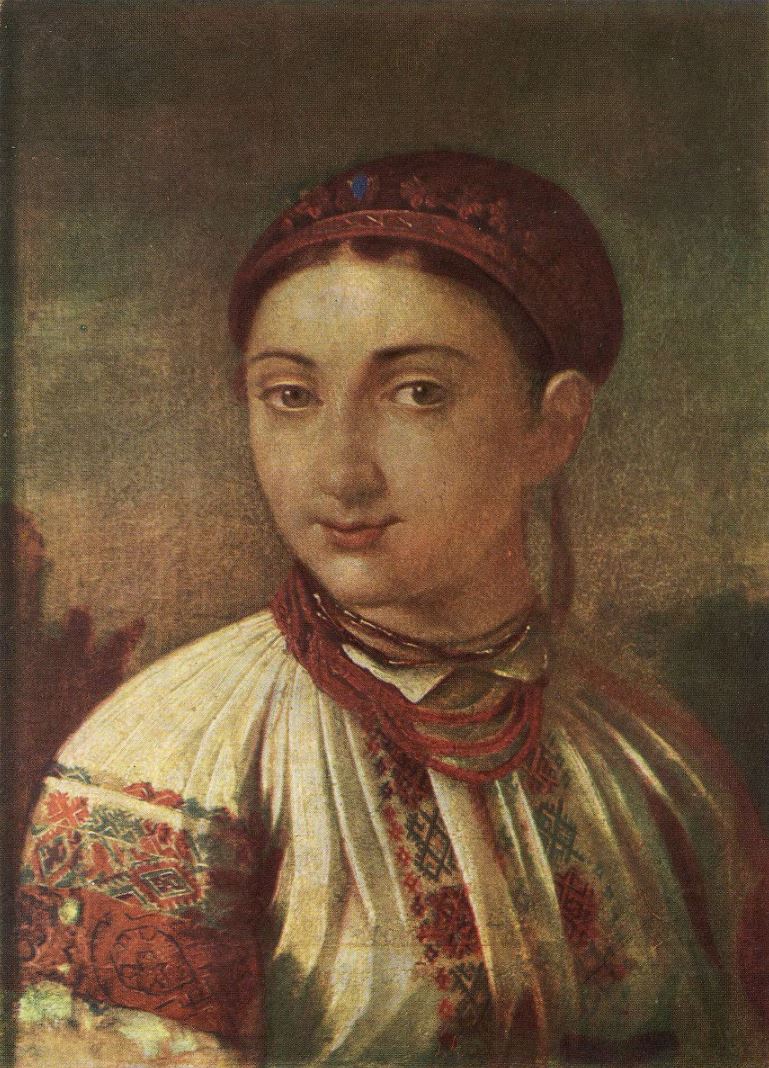
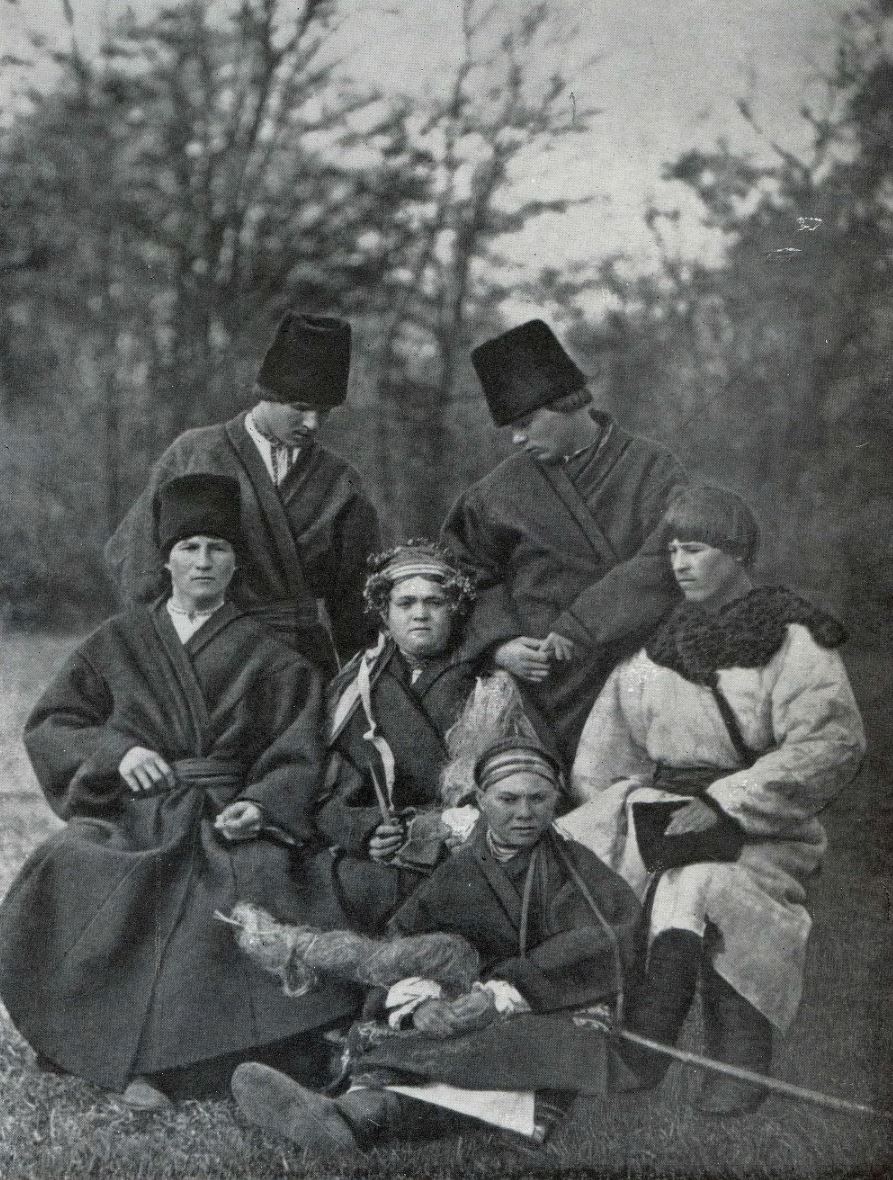
Women commonly sported a low cylindrical cap along with a namitka or nafram as part of their attire. The men's attire in the nineteenth century included a shirt styled in a turnover manner (similar to a chumachka), featuring loose sleeves and a relatively high standing collar. These shirts were meticulously sewn with decorative seams, showcasing intricate craftsmanship. In the eastern part of Podillia, men tucked their shirts into their pants, while in the western regions, they preferred to wear them open. Belts were either woven or crafted intricately. Pants in eastern Podillia resembled those worn by the Naddniprians, while in the west, they tended to be more narrow in design.
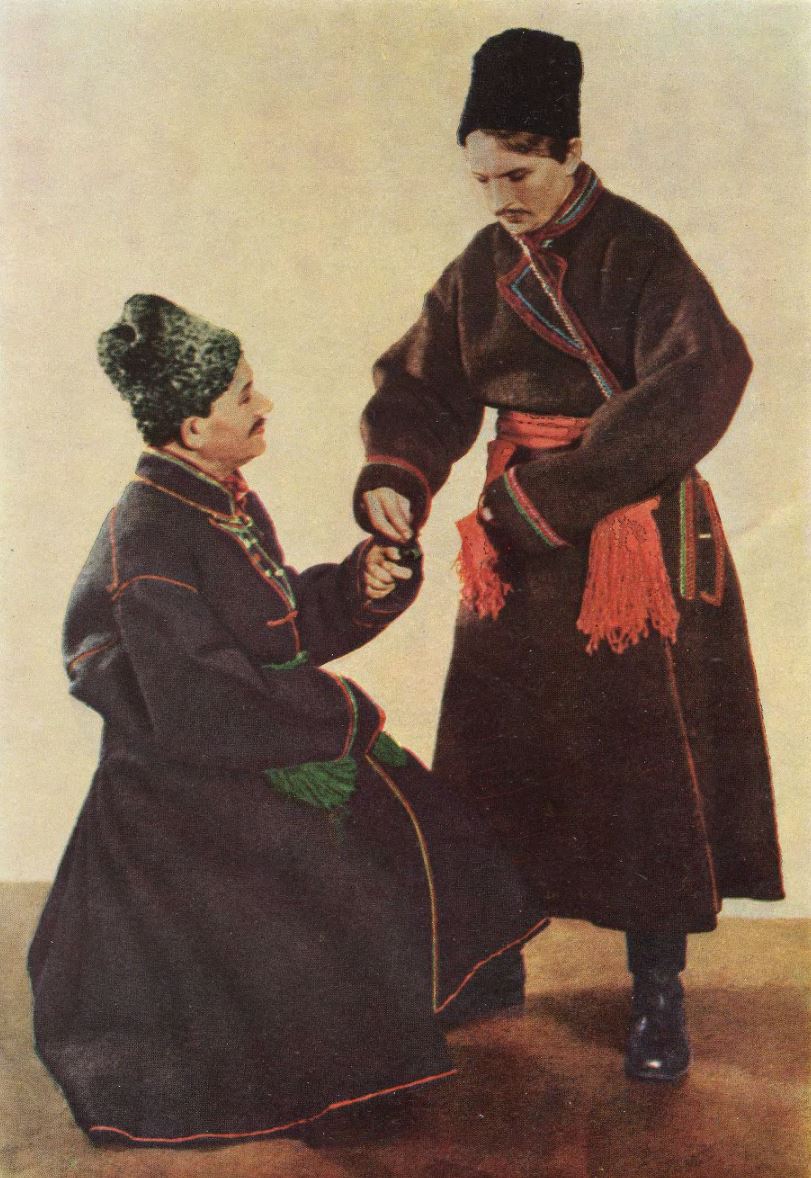
Dark outer garments were typically crafted from cloth. The traditional manta-gunka featured a straight-backed silhouette and a broad, elongated scarf adorned with intricate embroidery and colorful cords. The scroll-opancha included a decorative hood with a small cobra. Leather stilts were commonly used for footwear, gradually giving way to black boots by the twentieth century.
Men often wore a black slouchy hat with a cloth top and a slit at the back as their headdress. During summer, they opted for a straw brim. Women's attire underwent significant changes in the early twentieth century, with the emergence of shirts made from lightweight cotton fabric. The most notable transformations occurred in belted clothing, as the humpbacked corset and summer pants crafted from homemade materials began to fade away in eastern Podillia. These were replaced by skirts fashioned from factory-made cotton fabric, often following the color scheme of traditional garments.
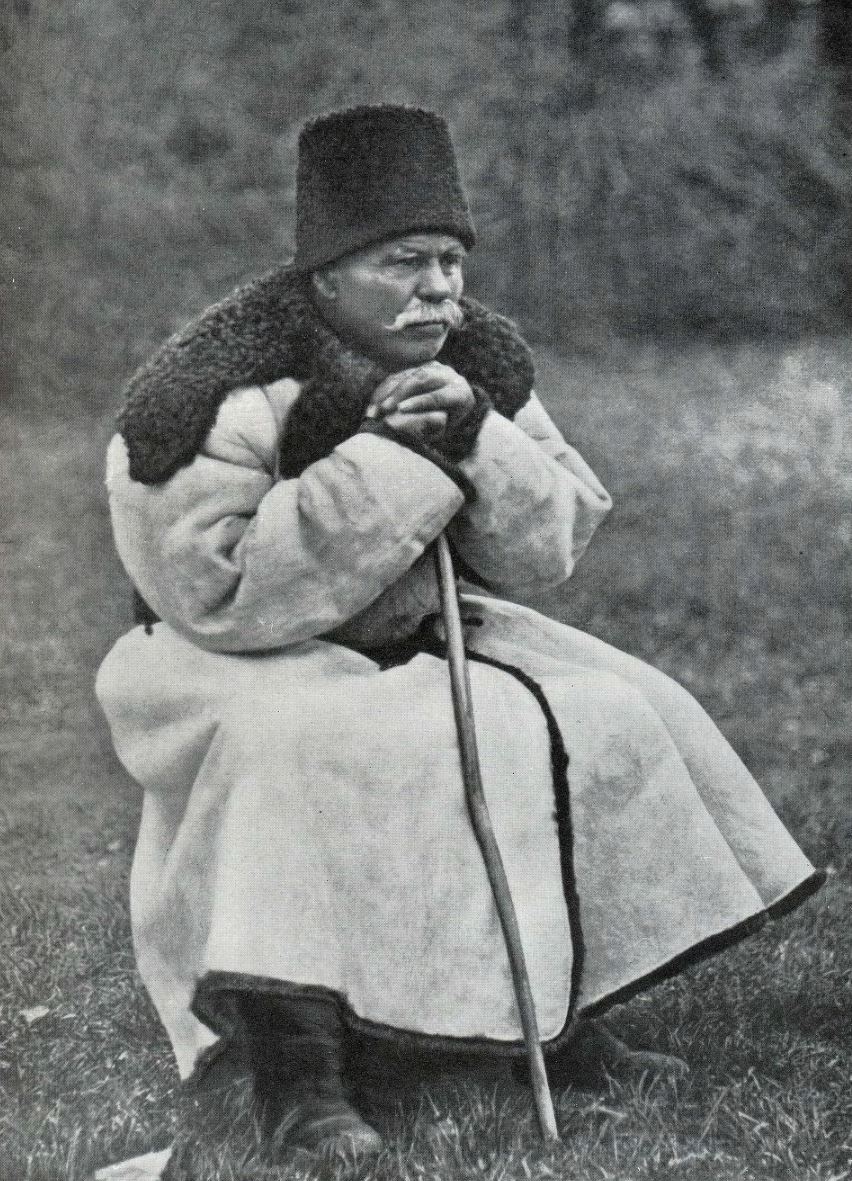
Men's fashion saw minimal evolution during the transition into the twentieth century. As the eighteenth and nineteenth centuries melded, men favored shirts adorned with intricate embroidery and traditional motifs on the cuffs. By the latter part of the nineteenth century, a scroll featuring a tailored silhouette and embellished with pleats or factory-made fabric gained popularity. The bunda, crafted from dark cloth and accessorized with a cobbler, emerged as a stylish choice.