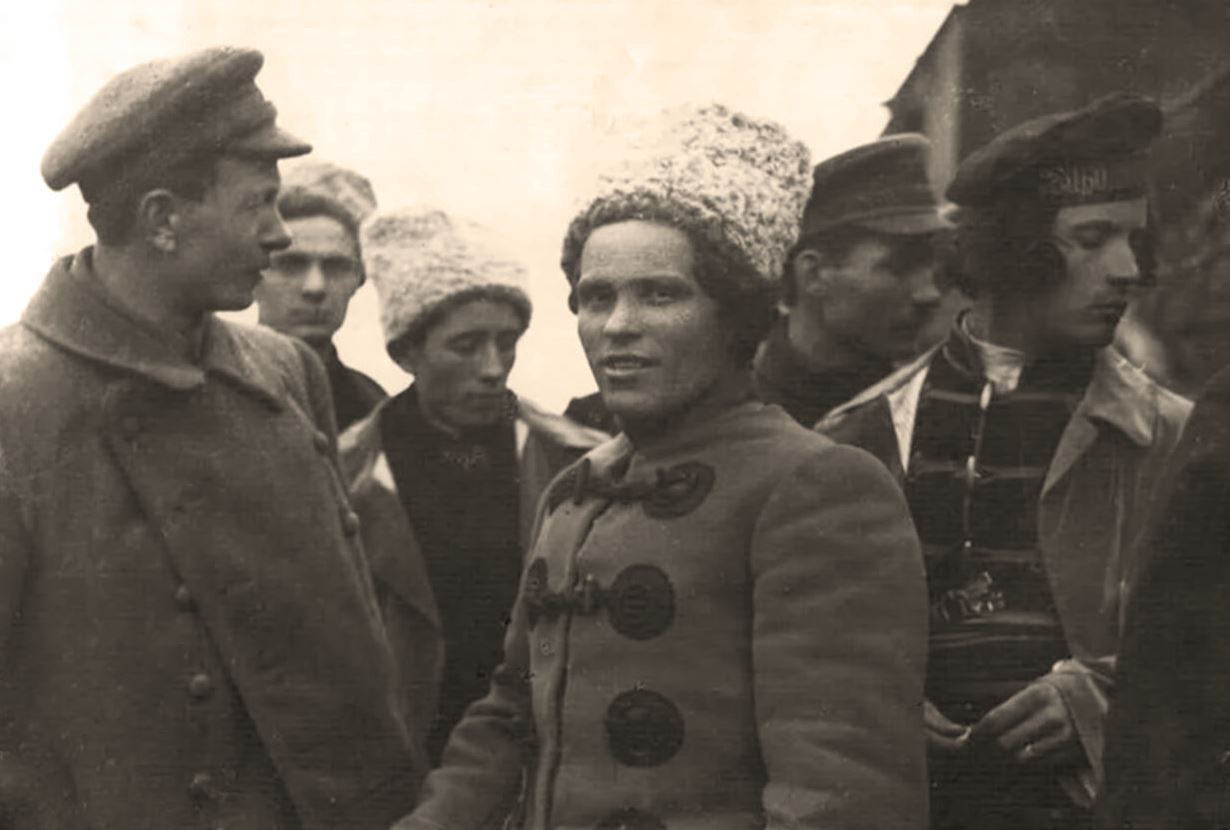

In the tumultuous years following the Russian Revolution of 1917, the Ukrainian countryside became a battleground for competing political and ideological forces. Amidst the chaos of the Ukrainian War of Independence, one figure emerged as a symbol of the intersection between guerrilla tactics and anarchist principles - Fedir Shchus. As a commander (ataman) in the Revolutionary Insurgent Army of Ukraine (RIAU) led by the renowned anarchist Nestor Makhno, Shchus embodied the spirit of the Makhnovist movement, combining a fierce commitment to anti-authoritarian ideals with a mastery of unconventional warfare.
Shchus' story is one of a peasant-turned-guerrilla, whose experiences in the Russian Navy during World War I and the upheaval of the Russian Revolution shaped his worldview and his path towards revolutionary anarchism. Returning to his hometown of Dibrivka, Shchus established the "Black Guards" partisan group, waging a relentless campaign of hit-and-run attacks and targeted strikes against the local nobility and the occupying Central Powers forces. It was this alliance with Makhno and the RIAU that would cement Shchus' legacy as a formidable guerrilla commander, whose exploits on the battlefield were matched only by his unwavering adherence to anarchist principles.
Early Life and Military Service
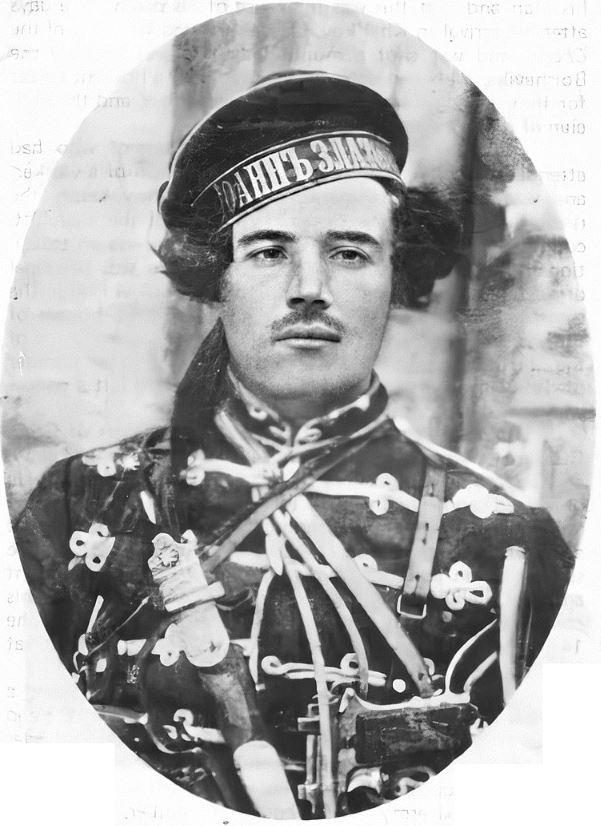
Fedir Shchus was born on March 25, 1893, in the small Ukrainian village of Dibrivka, located in the Katerynoslav (now Dnepropetrovsk) region. Hailing from a poor peasant family, Shchus' early life was marked by the hardships and inequalities that were endemic to the rural areas of the Russian Empire. As a young man, he was conscripted into military service, enlisting in the Russian Navy in 1915 and serving as a seaman on the battleship Ioann Zlatoust, which was part of the Black Sea Fleet.
Shchus' time in the navy would prove to be a formative experience, shaping both his combat skills and his emerging political consciousness. During his service, he developed a reputation as a skilled fighter, excelling in sports such as French boxing, wrestling, and jiu-jitsu. His physical prowess and ability to quickly subdue opponents without exerting much effort would later become hallmarks of his guerrilla tactics.
Beyond his martial abilities, Shchus' naval service also exposed him to the broader currents of political and social upheaval sweeping across the Russian Empire. The revolutionary ferment of 1917, culminating in the abdication of Tsar Nicholas II and the establishment of the Provisional Government, had a profound impact on Shchus' worldview. As the old Tsarist order crumbled, Shchus began to embrace the anarchist principles that would come to define his revolutionary activities in the years to come.
Forming the "Black Guards" and Guerrilla Warfare
Upon his return to Dibrivka in the aftermath of the Russian Revolution, Shchus wasted little time in putting his military experience and anarchist convictions into action. Recognizing the power vacuum created by the collapse of the Tsarist system, he set about establishing a partisan group known as the "Black Guards," which would wage a relentless campaign of guerrilla warfare against the local nobility and the occupying Central Powers forces.
Shchus rationale for taking up arms against the landowners and the occupation was rooted in his belief that the abdication of Nicholas II had effectively nullified the legal system that had upheld the private property rights of the landed elite. In his view, the old order had been swept away, and the peasants now had the right to reclaim the lands that had long been denied them. This anarchist perspective, which rejected the legitimacy of the existing social and political structures, would become a driving force behind the Black Guards' operations.
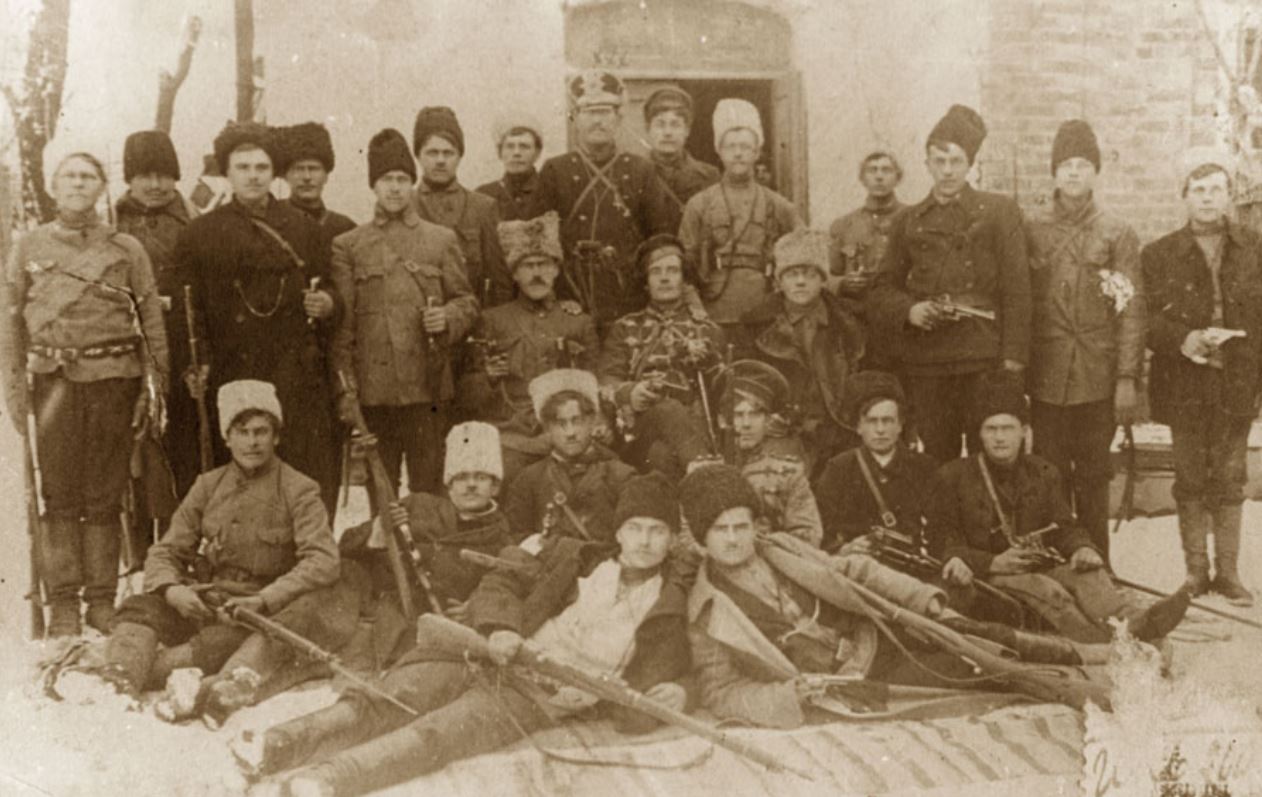
The tactics employed by Shchus and his partisans were characterized by their speed, mobility, and unpredictability - hallmarks of effective guerrilla warfare. Launching hit-and-run attacks, the Black Guards would strike swiftly at the occupying forces and their collaborators, before melting back into the dense forests and countryside that surrounded Dibrivka. These lightning raids, coupled with targeted assassinations and sabotage operations, sowed fear and disruption among the enemy, while avoiding the kind of direct confrontation that would have overwhelmed the numerically inferior insurgents.
Shchus leadership and combat prowess were instrumental in the success of the Black Guards' guerrilla campaign. Drawing on his naval training and natural physical abilities, he led his men with a combination of tactical acumen and personal bravery. In one notable incident, Shchus and a small group of partisans launched a flanking attack on the Austrian forces occupying Dibrivka's market square, forcing the enemy to retreat from the village. This victory not only bolstered the morale of the insurgents but also served as a potent symbol of their ability to challenge the might of the occupying armies.
Alliance with Nestor Makhno
The alliance between Fedir Shchus and the legendary anarchist revolutionary Nestor Makhno would prove to be a pivotal moment in the history of the Ukrainian War of Independence. In the wake of the Central Powers' invasion of Ukraine in April 1918, Shchus attended an insurgent congress in Taganrog, where it was decided that the various partisan groups would regroup in the Huliaipole Raion and launch a coordinated offensive against the Ukrainian State and the occupation forces.
It was during this conference that Shchus first encountered Makhno, and the two men quickly recognized the potential for a powerful synergy between their respective forces. Makhno, who had recently returned to Ukraine from exile in Russia, brought with him a wealth of revolutionary experience and a deep commitment to the anarchist ideals that would come to define the Makhnovist movement. Shchus, on the other hand, offered Makhno the tactical expertise and combat-hardened partisans of the Black Guards, forged in the crucible of the guerrilla war against the Central Powers.
The meeting between Shchus and Makhno at Dibrivka marked the beginning of a formidable alliance. Recognizing the shared anarchist principles and the complementary nature of their respective forces, the two men joined forces, with Shchus and his partisans becoming an integral part of the Revolutionary Insurgent Army of Ukraine (RIAU). This alliance would prove to be a decisive factor in the Makhnovists' ability to wage a highly effective campaign of guerrilla warfare against the occupying armies and their Ukrainian collaborators.
Battles and Campaigns
Under the banner of the RIAU, Fedir Shchus played a pivotal role in a series of key battles and campaigns that shaped the course of the Ukrainian War of Independence. His leadership and combat prowess were instrumental in the insurgents' ability to harass and disrupt the occupying forces, while also securing strategic victories that bolstered the Makhnovist movement.
One of the most significant engagements led by Shchus was the Battle of Dibrivka, which pitted the Black Guards against the Austro-Hungarian Army that had occupied the village. In a surprise attack, Shchus and his men launched a flanking maneuver on the enemy forces, forcing them to retreat from Dibrivka. This victory not only demonstrated the insurgents' tactical acumen but also served as a powerful morale boost, as the partisans were able to reclaim their hometown from the occupiers.
Following the success at Dibrivka, Shchus and the RIAU turned their attention to the Donbas region, where they launched a major offensive against the Ukrainian State and the Central Powers forces. Shchus cavalry detachment played a crucial role in these operations, leveraging their mobility and speed to strike at the enemy's supply lines and communication networks. The insurgents' ability to outmaneuver and outfight their opponents in this campaign further cemented Shchus reputation as a formidable guerrilla commander.
Perhaps the most iconic battle in which Shchus participated was the Battle of Peregonovka, which took place in September 1919. This engagement, which pitted the RIAU against a combined force of Denikin's White Army and the Ukrainian Directorate, was a decisive victory for the Makhnovists. Shchus, leading his cavalry brigade, played a crucial role in the insurgents' flanking maneuver that routed the enemy and secured a resounding triumph for the anarchist forces.
Retreat and Final Battles
As the tide of the Ukrainian War of Independence began to turn against the Makhnovists, Fedir Shchus found himself leading his forces in a strategic retreat across the Dnieper River on June 24, 1919. This maneuver, undertaken in the face of the advancing Bolshevik and White Army forces, was a testament to the insurgents' adaptability and resilience.
Having fallen back to right-bank Ukraine, the RIAU linked up with the forces of Nykyfor Hryhoriv, another prominent ataman who had been engaged in his own guerrilla campaign against the occupying armies. The subsequent assassination of Hryhoriv and the integration of his troops into the Makhnovist ranks further bolstered the insurgents' strength, with Shchus being placed in command of the RIAU's cavalry brigade.
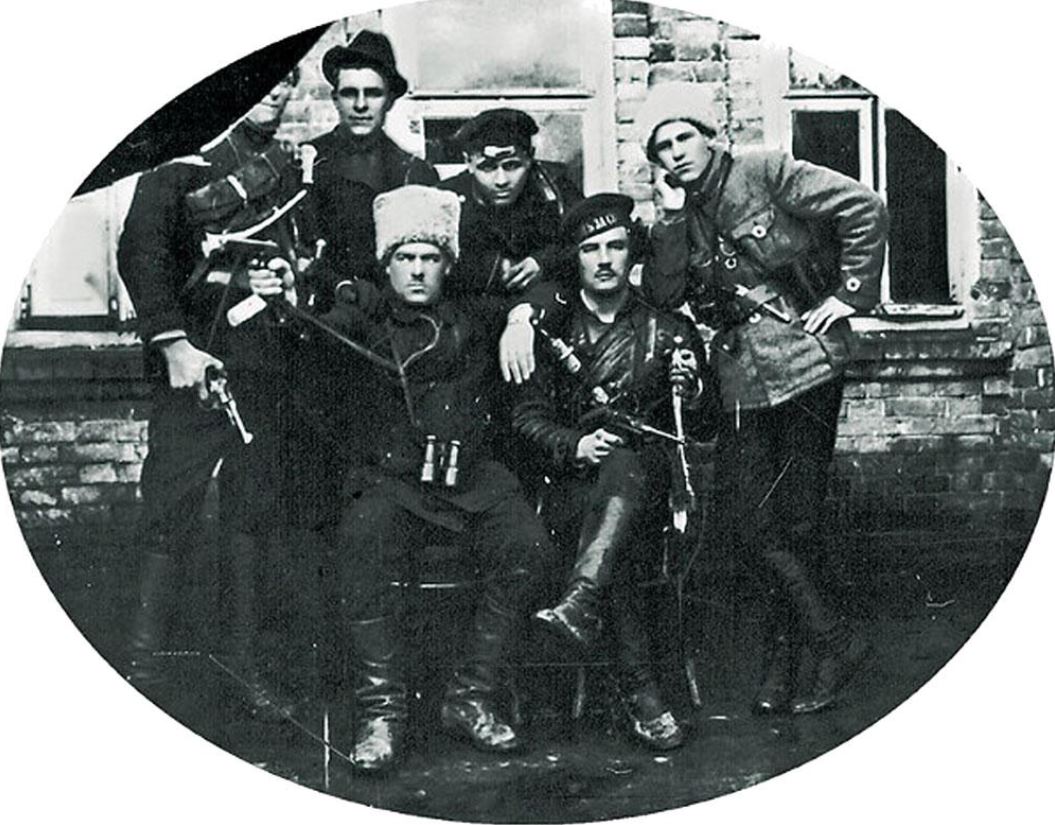
Shchus leadership of the cavalry during this period was crucial to the insurgents' ability to maintain their mobility and striking power in the face of the mounting pressure from their enemies. The insurgent occupation of Oleksandrivsk from September to November 1919 was a testament to the effectiveness of Shchus cavalry detachment, as they conducted raids and patrols to disrupt the efforts of the Whites and the Bolsheviks to retake the city.
Shchus final battle came in June 1921, when he was killed in an engagement with the Red Army. This tragic end to his revolutionary odyssey did not, however, diminish the legacy he had forged as a fearless guerrilla commander and a steadfast adherent to the anarchist principles that had guided the Makhnovist movement.
The life and actions of Fedir Shchus have become an enduring symbol of the intersection between grassroots insurgency and anarchist ideals during the Ukrainian War of Independence. As a commander in the Revolutionary Insurgent Army of Ukraine, Shchus embodied the Makhnovist movement's commitment to decentralized, anti-authoritarian revolution, while also demonstrating a remarkable aptitude for guerrilla warfare.