

Among the many types of folk art, the art of dress occupies a significant place. Dress is directly related to significant events in a person's life: folk festivals, wedding ceremonies, and the entire way of life. It is perhaps the brightest and most expressive manifestation of the main property of folk decorative art: the ability of folk artists to organically combine utilitarianism and beauty with the help of simple logical means.
Folk costume is a synthetic art form. It includes the art of cutting, weaving, embroidery, appliqué, weaving, leather and metal processing, hairdressing, etc. in a single artistic and utilitarian ensemble.
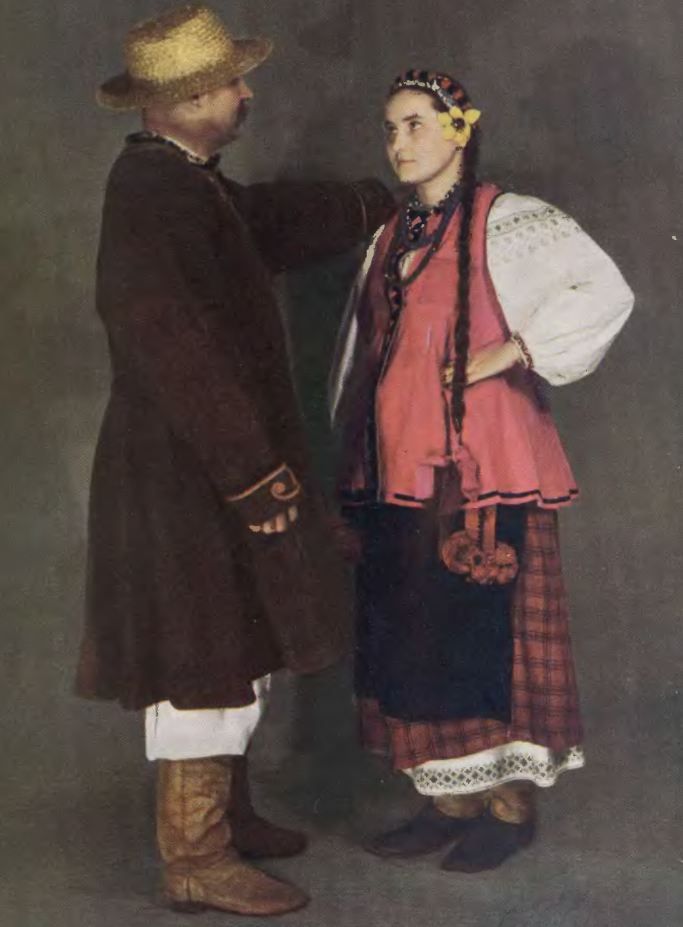
The Ukrainian people put a lot of creative ingenuity and imagination into its creation. They used great skill to select color ratios and create an inexhaustible wealth of ornamental decorations. When designing a certain silhouette of a costume, the folk master sought to use the materials at his disposal more efficiently and economically.
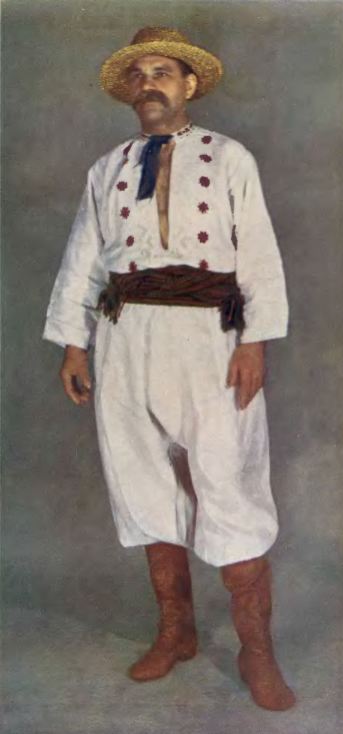
The original Ukrainian folk costume was not created in isolation. It cannot be viewed separately from the costumes of other Slavs and peoples of Eastern Europe, and, above all Russian and Belarusian peoples, with whom Ukrainians share a common origin and the longest cultural ties.
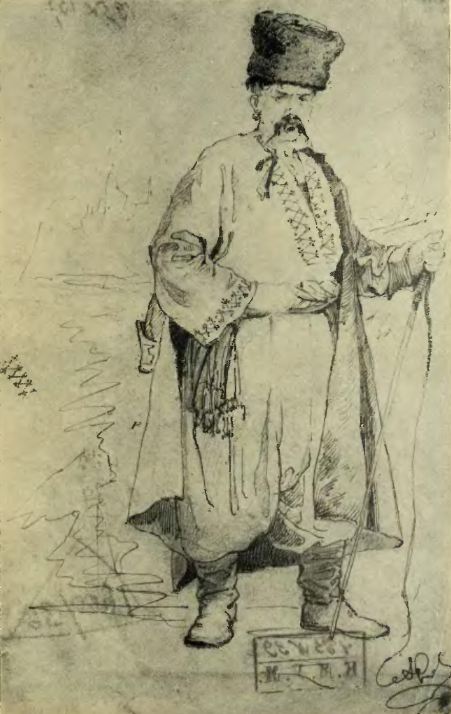
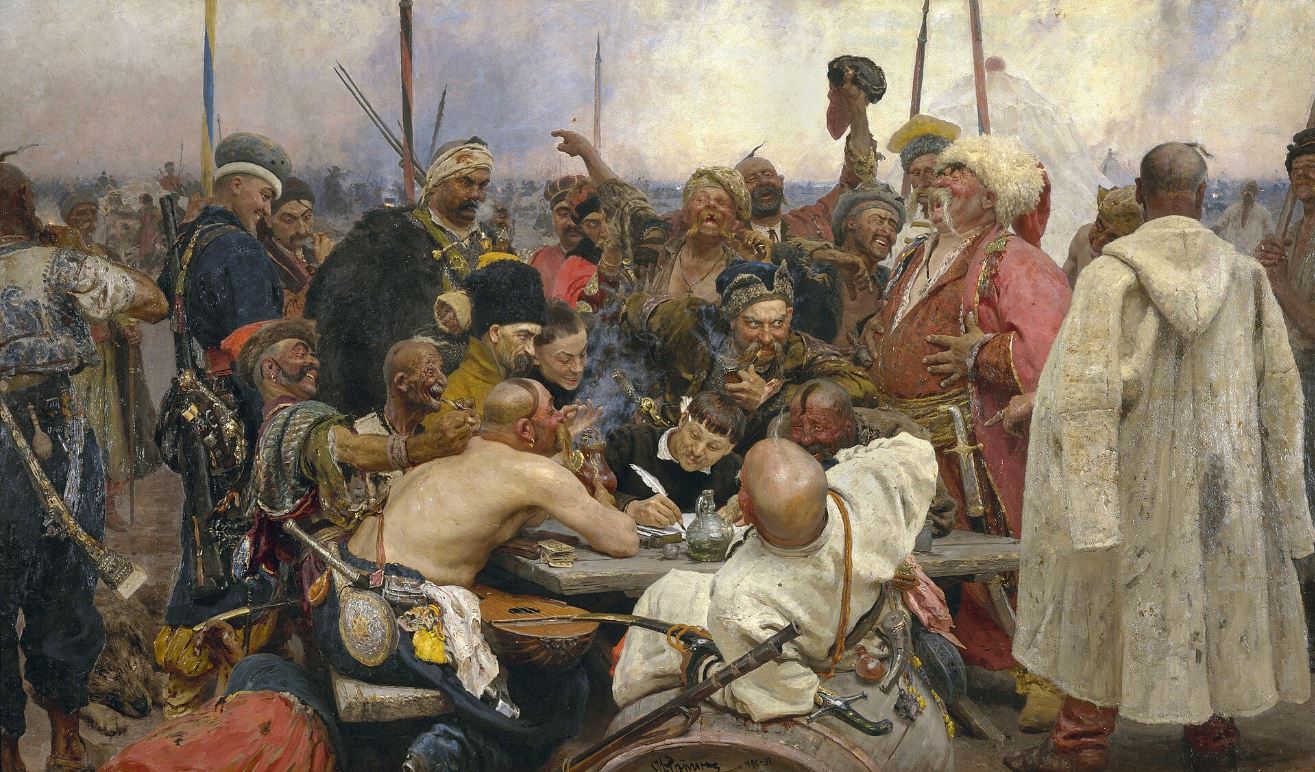
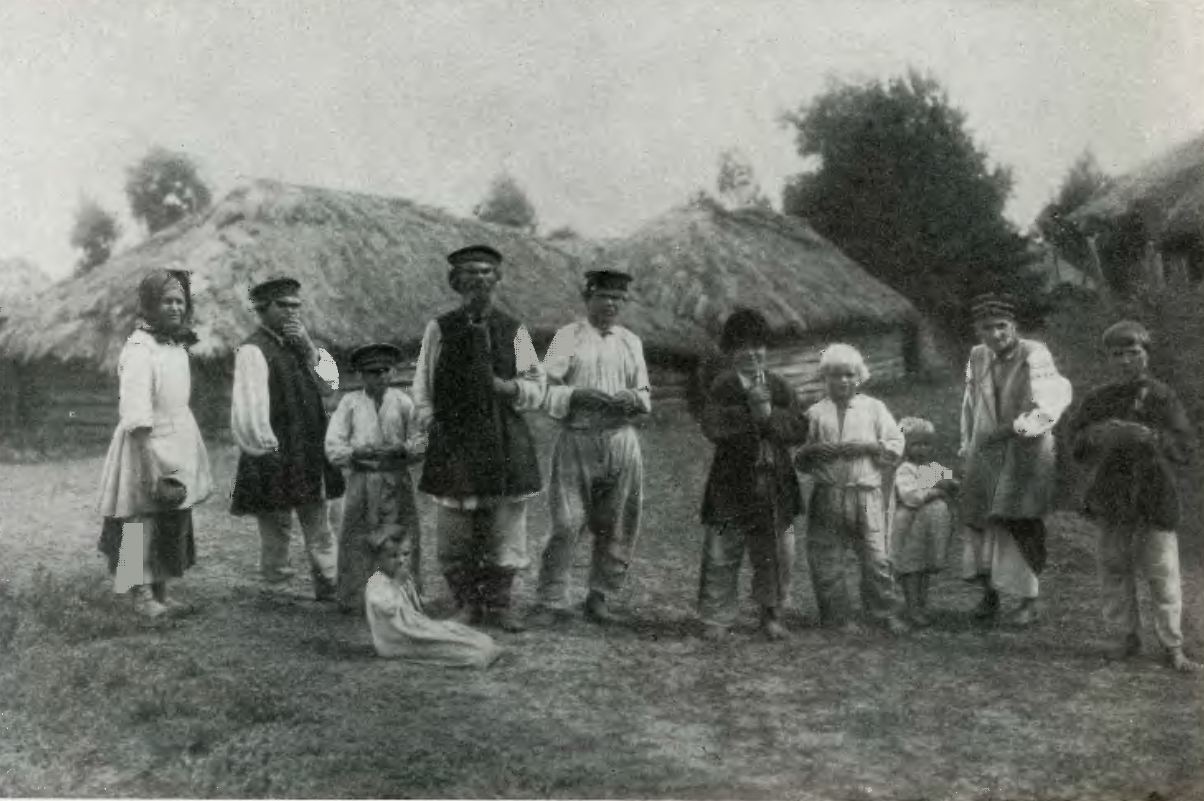
The Eastern influence on the men's costume of the areas bordering the steppe is also undeniable. The way of life of the southern regions of Ukraine contributed to the assimilation of some of the clothing features created by the conditions of the semi-military life of the steppe people. For example, the long hems of an Old Slavic shirt were tucked into wide steppe pants. The shoulder garment was girded with a wide woolen or silk woven belt.
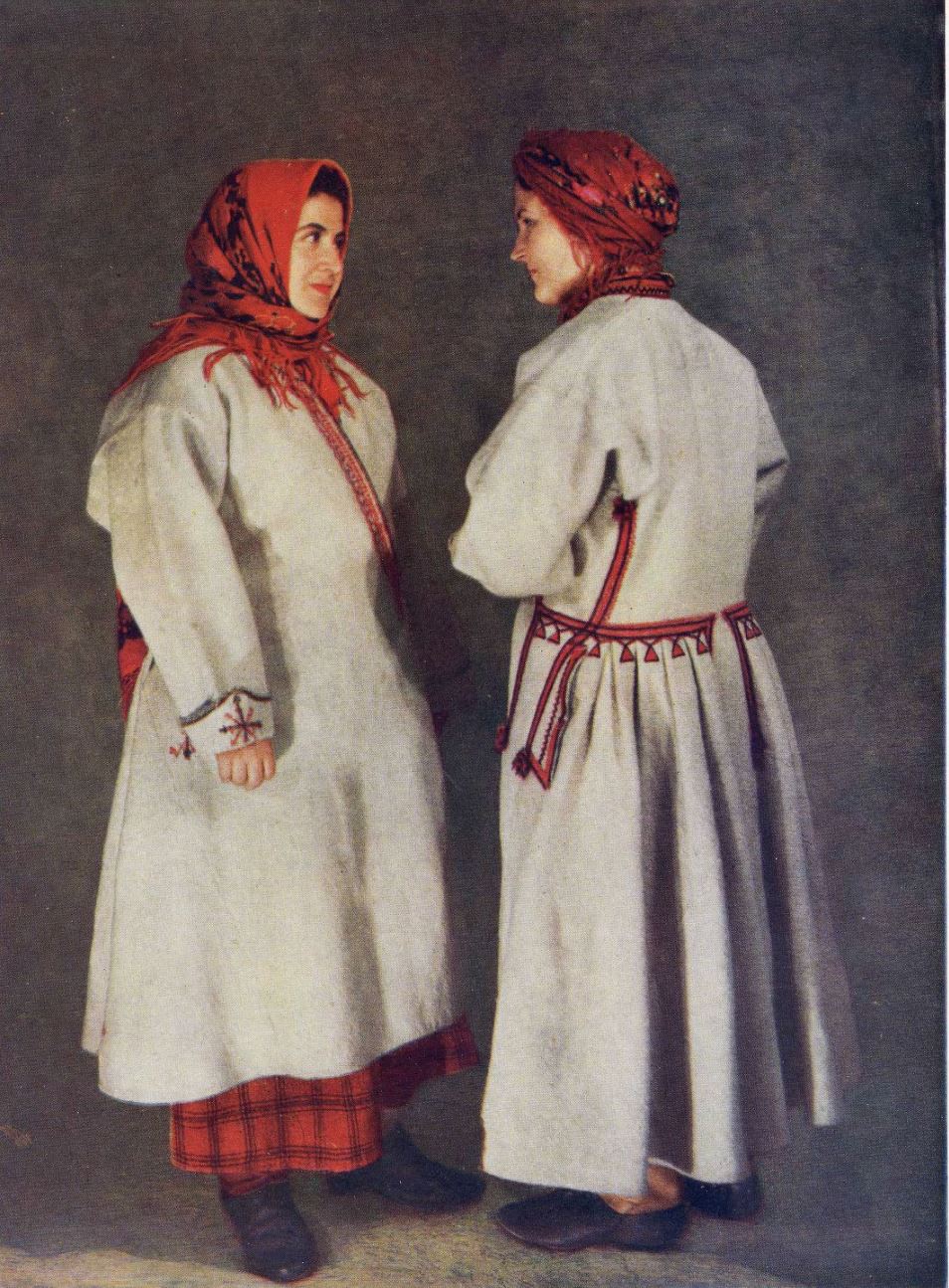
Ukrainian women's clothing is more distinctive. It remained largely separate from eastern steppe influences. Until the middle of the nineteenth century, it preserved ancient traditions in cut, ornamentation, and material.
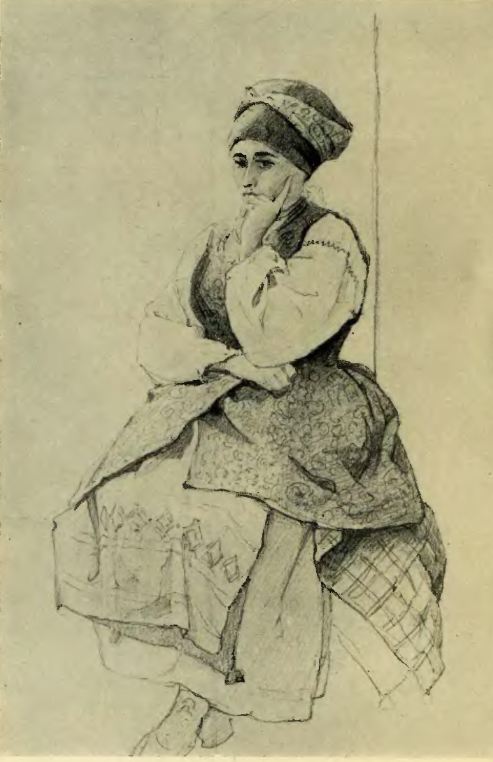
Some items of folk costumes from different regions of Ukraine have survived mainly from the eighteenth century. However, the whole complex of clothing of the eighteenth and early nineteenth centuries can be judged mainly from descriptions and sketches by artists. Among such monuments, the most interesting are drawings of Ukrainian costume types made by an unknown master on the request of historian A. Rigelman. In the nineteenth century, these drawings were lithographed and became an appendix to the books by L. Rigelman and A. Shafonsky'.
Significant material on the study of Ukrainian folk costumes in the first half of the nineteenth century is provided by drawings in the manuscript of De la Fleece, MD (1848-54).
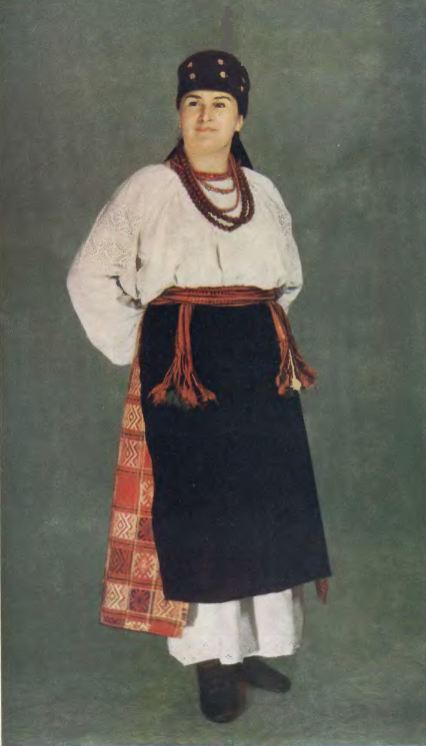
In the nineteenth century, the artistic originality and colorfulness of Ukrainian folk costumes attracted the attention of prominent Ukrainian and Russian artists: T. Shevchenko, V. Tropinin. Their drawings and paintings made from life can be valuable artistic and historical documents.
The systematic study of Ukrainian folk costumes began in the second half of the nineteenth century. In the pre-revolutionary period, the works of J. Holovatsky, P. Chubnsky, V. Shukhevych, B. Poznansky, X. Vovk, and others collected factual material. During the Soviet era, a great step forward was made in the study of ethnography and folk art in Ukraine. Among the most important works on Ukrainian folk costumes are those by V. Biletska, H. Stelmakh, I. Symonenko, H. Maslova, M. Shmelova, and others.
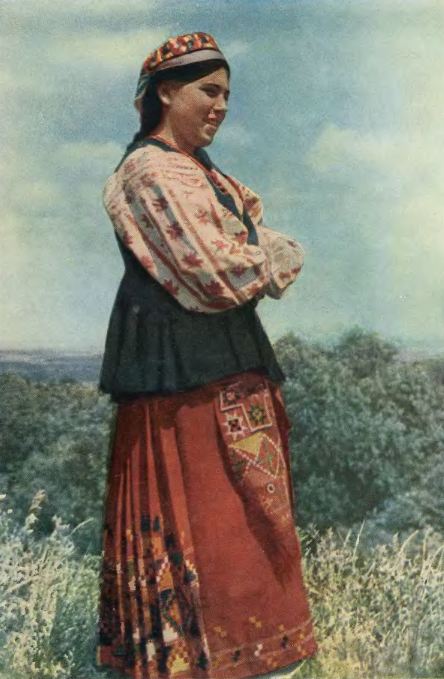
Research in recent years has allowed for a deeper understanding of the significance of specific features characteristic of folk costumes in certain regions of Ukraine, as well as the socioeconomic and geographical conditions that played a role in their emergence.
Folk costumes are not something frozen, once and for all. The complex of clothing, footwear, and jewelry that we call Ukrainian folk costumes has been created over the centuries.
The history of clothing is divided into three stages of its creation: the oldest, when a person was wrapped in a rectangular, specially woven piece of cloth; the second, when clothes were already sewn from rectangular pieces of cloth connected by a seam; and the third, when clothes were sewn from cloth cut to the shape of the human figure.
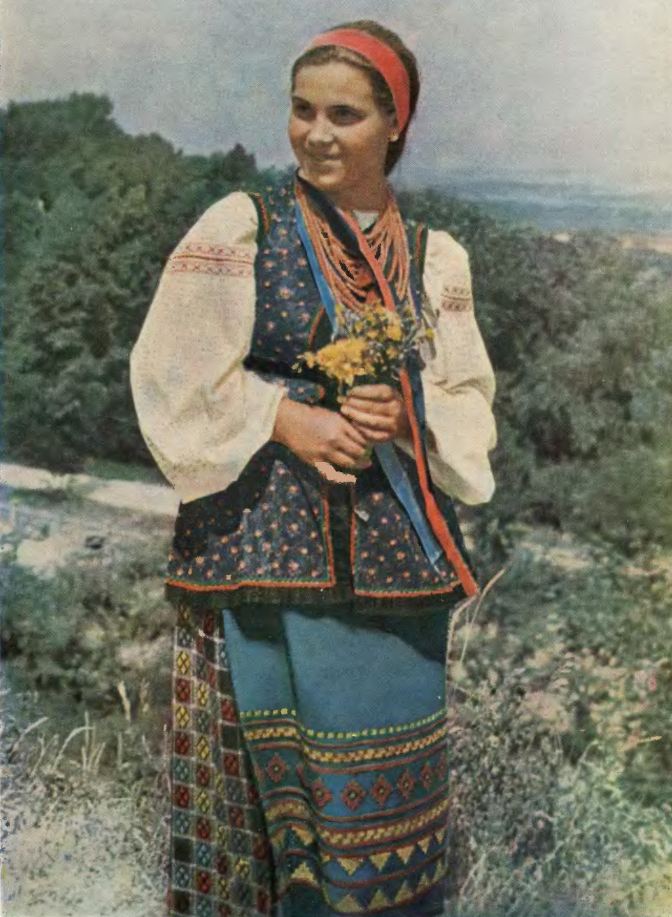
Ukrainian folk costumes combine these three forms. The first one is characterized by the main types of belted clothing: zapaska, plakhta, and wrapper. The second form includes shirts and trousers made of straight pieces of fabric. From the second half of the nineteenth century, clothes created according to the shape of the human figure were widely used - kersetka, chumarka, etc.
Until about the 70s of the nineteenth century, folk clothes were made mainly of home-made fabrics.
In the post-reform period, due to the development of capitalism, a part of the impoverished and landless peasantry left the villages and moved to industrial areas. However, the development of capitalism and the aggravation of class contradictions in the countryside did not lead to the destruction of small peasant farms, and thus of the home production of raw materials and clothing.
As industrial production began to expand, cheap factory products began to appear in the countryside, which people adapted to traditional forms of clothing.
Folk costumes nowadays take on different forms in accordance with the socio-economic changes taking place in modern society. The production of folk costumes, like other types of folk art, takes on the form of artistic crafts based on the cooperation of professional artists and folk craftsmen.