


Article Index
Ukraine's rich cultural heritage is reflected in its diverse and flavorful cuisine, which has been shaped by centuries of history, geography, and tradition. From the fertile Black Sea coast to the Carpathian Mountains, the country's bountiful natural resources have given rise to a unique gastronomic identity. Among the many iconic Ukrainian dishes and ingredients, nine stand out as true national treasures.
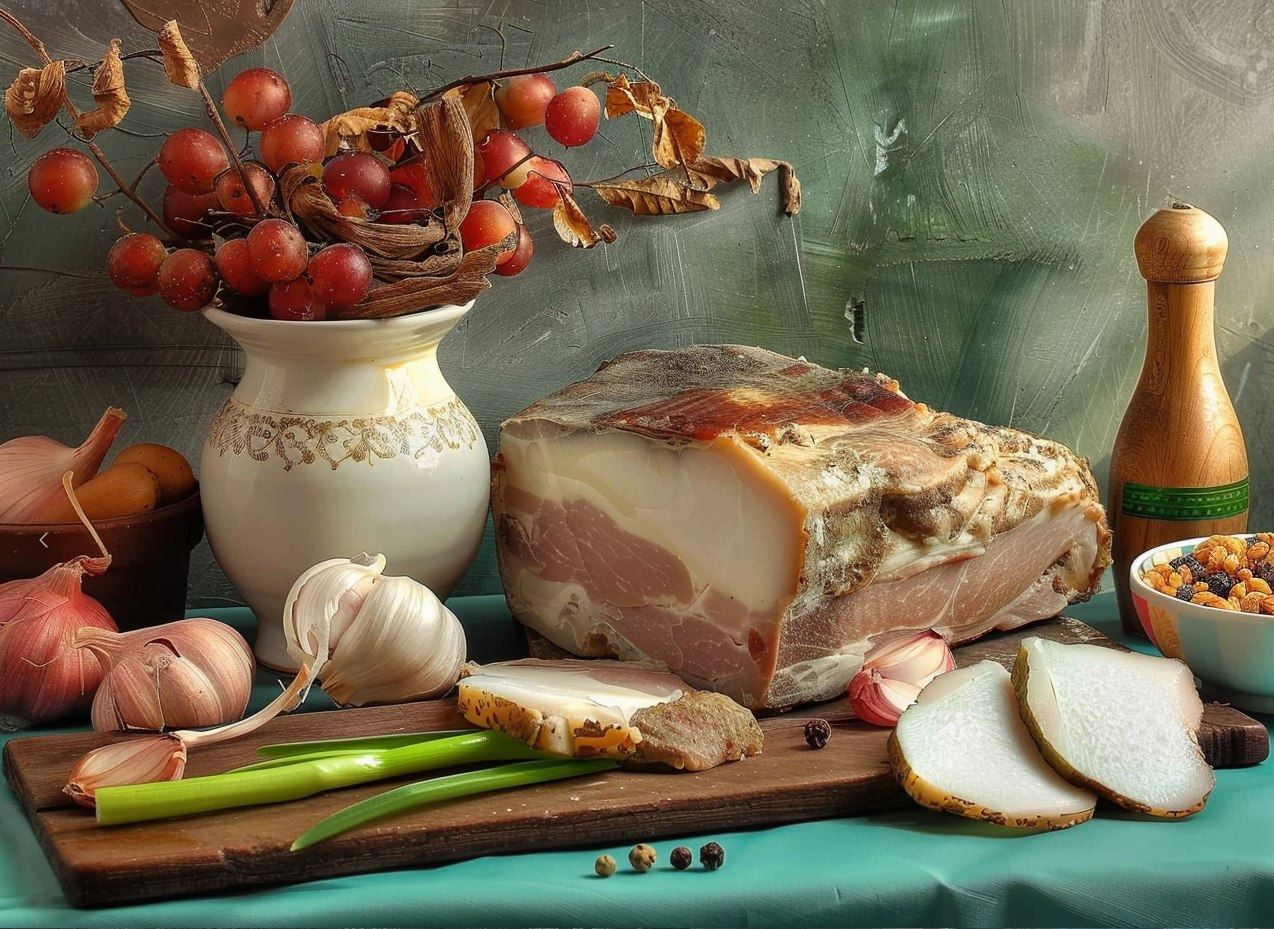
Salo
Perhaps the most quintessential Ukrainian food, salo is cured, salted pork fatback. This simple yet beloved delicacy has been a dietary staple for Ukrainians for centuries. Traditionally, salo was produced by curing thick slabs of pork fat, often with garlic, salt, and spices. The resulting product has a distinct savory-sweet flavor and a firm, spreadable texture.
Salo's history in Ukraine dates back to the 16th century, when pork was a readily available and economical source of calories and fat. As an agricultural society, Ukrainians learned to preserve pork products like salo to sustain themselves through long, harsh winters. Salo became an integral part of the national cuisine, featuring in countless traditional dishes and even taking on symbolic significance.
In Ukrainian folklore, salo is seen as a symbol of prosperity, with the saying "a family is rich if they have salo" reflecting its importance. Salo was also believed to have medicinal properties, used to treat ailments ranging from colds to rheumatism. Today, salo remains a beloved Ukrainian comfort food, enjoyed on its own, spread on bread, or incorporated into savory recipes.
The quality of salo is largely determined by the breed of pigs used and the curing process. Traditionally, Ukrainians raised their own pigs, feeding them a varied diet that included grains, vegetables, and even acorns. This resulted in salo with a rich, complex flavor profile. While industrially produced salo is available, many Ukrainians still make their own salo at home using time-honored methods.

Varenyky
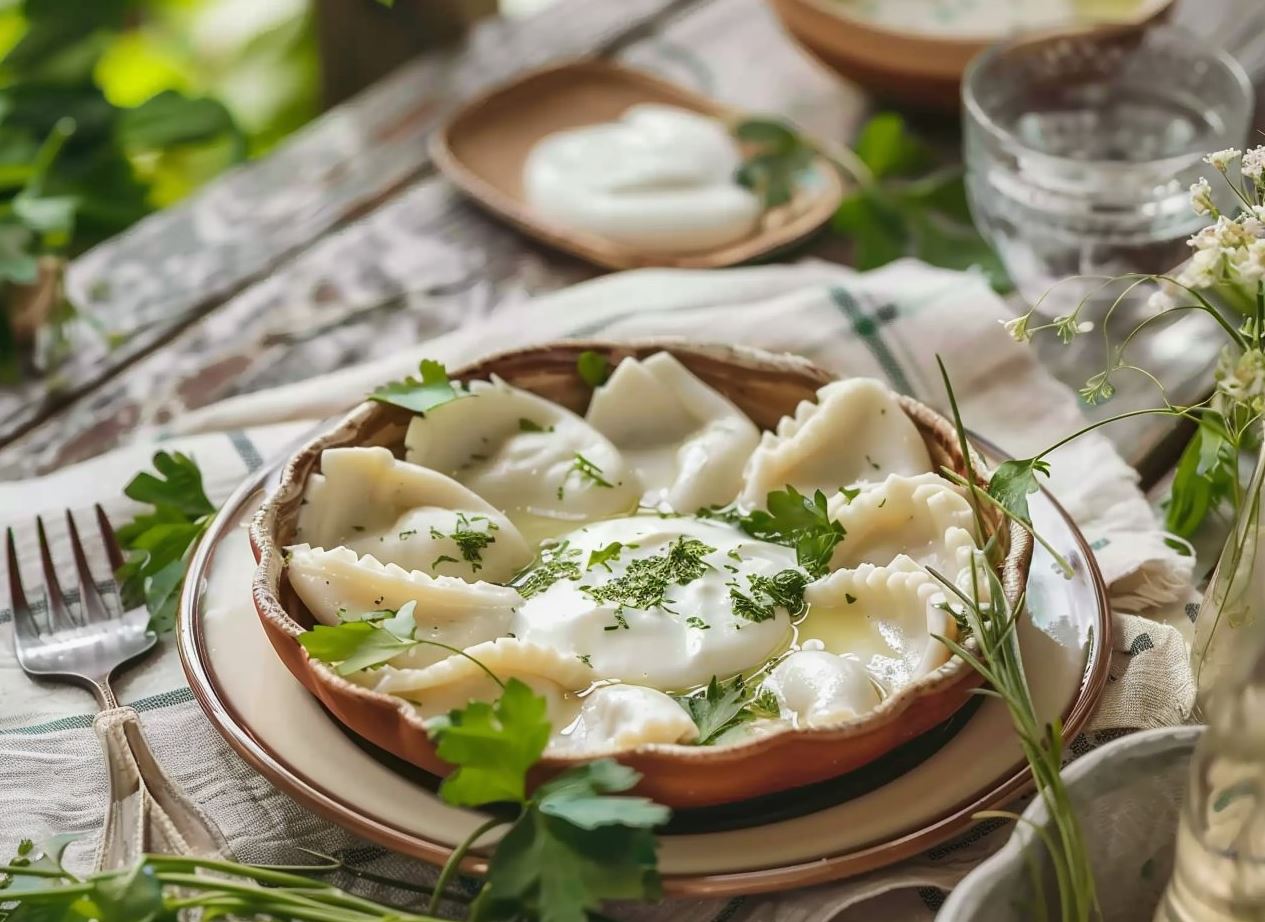
A staple of Ukrainian cuisine, varenyky are savory dumplings filled with a variety of ingredients. These versatile pockets of dough can be stuffed with potatoes, cheese, meat, mushrooms, or even fruit, and are typically boiled and served with sour cream, fried onions, or melted butter.
The origins of varenyky can be traced back to the 9th century, when the dish was likely influenced by the dumplings of neighboring cultures, such as the Polish pierogi and the Russian pelmeni. Over time, varenyky evolved to reflect the unique flavors and ingredients of Ukrainian cuisine.
The preparation of varenyky is a labor-intensive process that has been passed down through generations. The dough is made from flour, water, and sometimes eggs, and must be kneaded and rolled out to the perfect thickness. The fillings are carefully crafted, with ingredients like farmer's cheese, mashed potatoes, and sautéed onions and mushrooms. Once the dumplings are formed, they are boiled until they float to the surface, indicating they are cooked through.
Varenyky hold a special place in Ukrainian culture, often served at important celebrations and holidays. They are particularly associated with Christmas and Easter, when families gather to make the dumplings together. The act of preparing varenyky is seen as a bonding experience, with each family member contributing to the process.
Today, varenyky remain a beloved comfort food in Ukraine, enjoyed in homes and restaurants across the country. While the traditional fillings are still the most popular, modern interpretations have introduced new and creative variations, from sweet cherry varenyky to savory cabbage and mushroom versions.
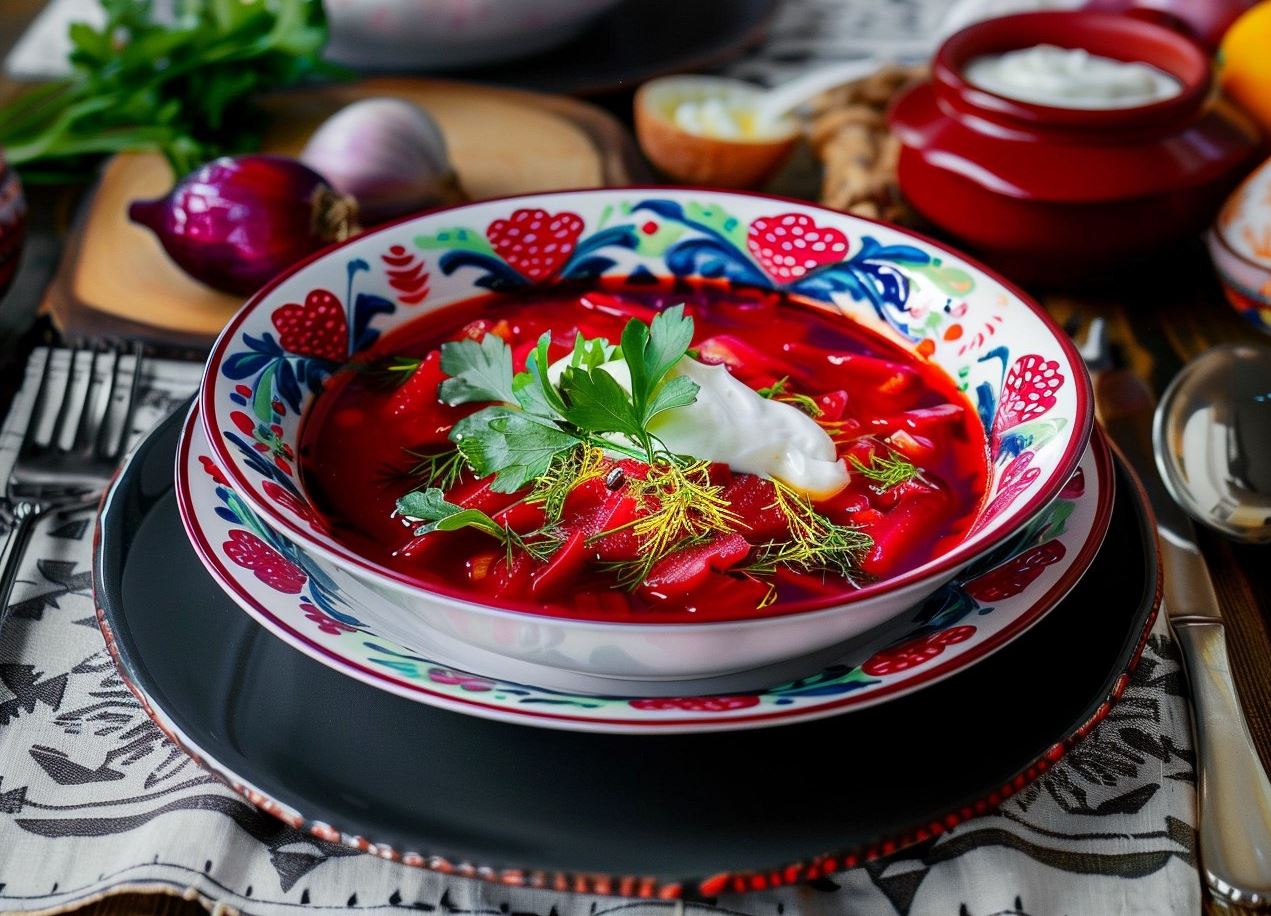
Borscht
Borscht, the iconic Ukrainian beet soup, is a culinary cornerstone of the country's gastronomy. This vibrant, ruby-red soup is made with a base of beets, which lend it its distinctive color and earthy sweetness. Borscht can be served hot or cold, and is often garnished with sour cream, fresh dill, and hard-boiled eggs.
The origins of borscht can be traced back to the 16th century, when the dish was likely influenced by the cuisines of neighboring Slavic countries. As beets became a staple crop in Ukraine, borscht evolved to incorporate this versatile vegetable, along with other local ingredients like cabbage, potatoes, and meat.
Borscht holds deep cultural significance in Ukraine, with various regional and family recipes passed down through the generations. The preparation of borscht is often a communal affair, with families and communities gathering to make large batches of the soup. Certain variations, such as the Christmas Eve borscht served with mushroom-filled varenyky, are considered essential parts of Ukrainian holiday traditions.
Beyond its cultural importance, borscht is also revered for its health benefits. Beets are a rich source of vitamins, minerals, and antioxidants, making borscht a nutritious and nourishing dish. The soup's bright color and bold flavor have also made it a beloved part of Ukrainian cuisine, enjoyed by people of all ages.
Today, borscht remains a ubiquitous dish in Ukraine, found in homes, restaurants, and even street food stalls. While the classic recipe endures, modern interpretations have introduced new ingredients and serving styles, ensuring borscht's enduring place in the country's culinary landscape.
Pampushky
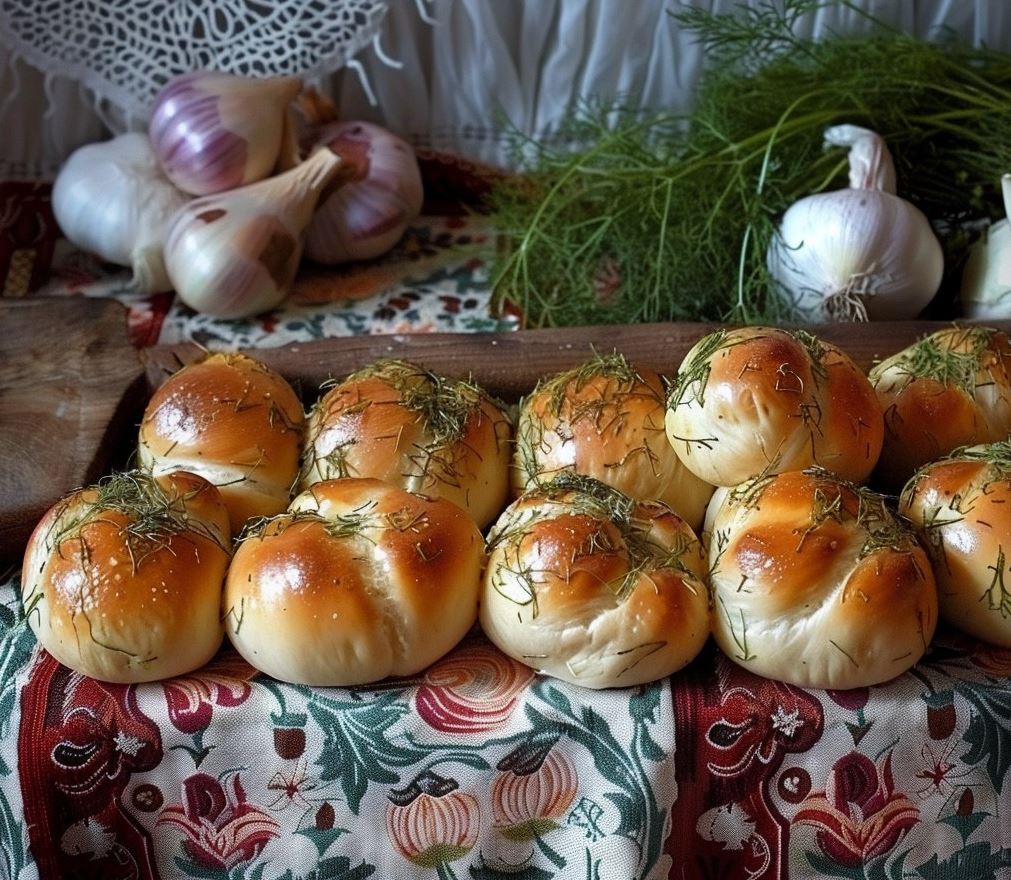
Pampushky are light, fluffy Ukrainian doughnuts that are a beloved part of the national cuisine. These pillowy pastries are made from a yeast-risen dough that is deep-fried and then coated in a variety of toppings, from savory garlic-infused oil to sweet powdered sugar.
The origins of pampushky can be traced back to the 16th century, when they were likely influenced by the fried dough pastries of neighboring cultures. As wheat flour became more readily available in Ukraine, bakers began experimenting with different dough recipes and frying techniques to create the unique pampushky.
Traditionally, pampushky were served alongside borscht, with the warm, fragrant doughnuts providing a perfect counterpoint to the soup's tangy, earthy flavors. The doughnuts were also a common street food, sold by vendors to hungry passersby.
In addition to their role in traditional Ukrainian cuisine, pampushky also hold cultural significance. The act of preparing pampushky, with its intricate kneading and shaping techniques, is seen as a skill to be passed down through generations. Families often gather to make pampushky together, especially during the Christmas and Easter holidays.
Today, pampushky remain a beloved part of Ukrainian cuisine, found in homes, bakeries, and restaurants across the country. While the classic garlic-infused version is still the most popular, modern interpretations have introduced new flavors, from savory cheese-filled pampushky to sweet variations topped with honey or jam.
Syrnyky
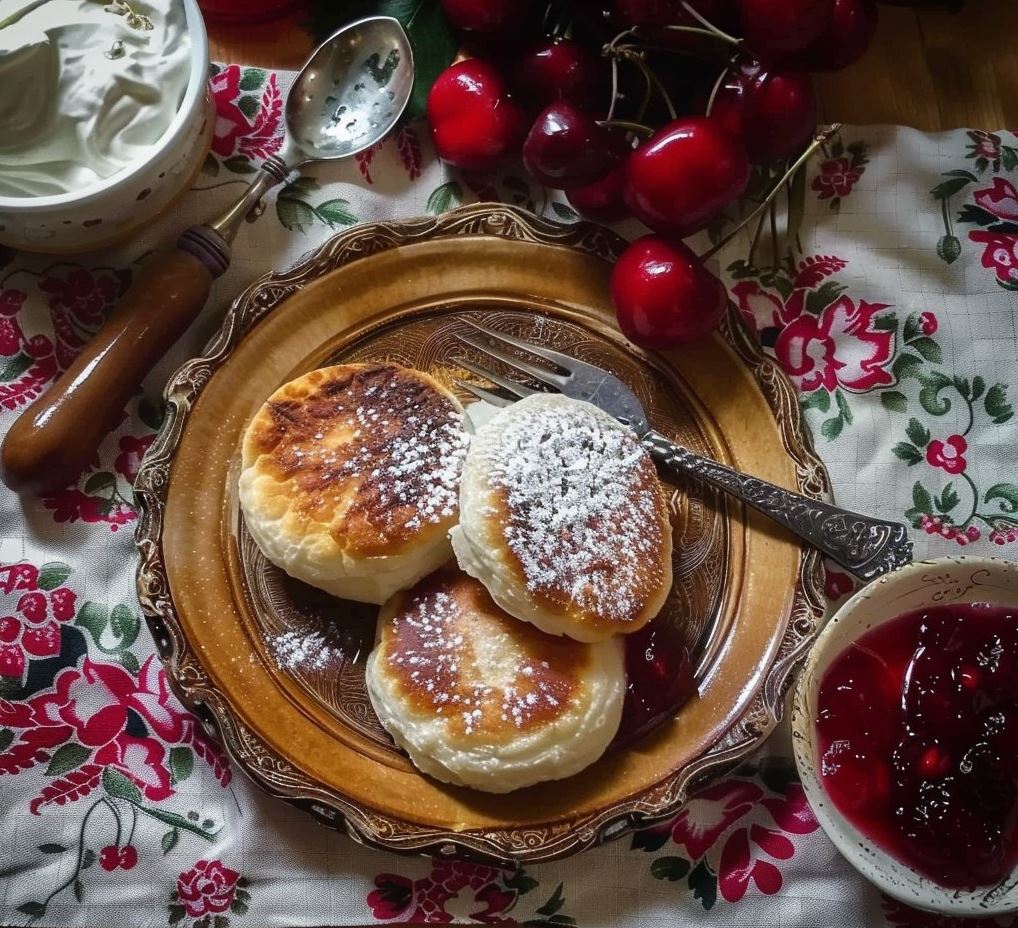
Syrnyky, or Ukrainian cheese pancakes, are a delightful breakfast or dessert dish that showcases the country's rich dairy heritage. These fluffy, golden-brown pancakes are made from a batter of farmer's cheese, eggs, flour, and sugar, and are often served with sour cream, jam, or honey.
The origins of syrnyky can be traced back to the 19th century, when dairy farming became an important part of the Ukrainian agricultural landscape. As farmers began producing large quantities of fresh cheese, home cooks sought out ways to incorporate this abundant ingredient into their cooking.
The creation of syrnyky was likely influenced by the cheese-based pancakes and fritters found in the cuisines of neighboring countries, such as the Polish twaróg and the Russian syrniki. However, Ukrainian cooks put their own spin on the dish, using the unique farmer's cheese (tvorog) found in their region.
Syrnyky hold a special place in Ukrainian culture, often served during important celebrations and holidays. The pancakes are particularly associated with Easter, when they are enjoyed as part of the traditional Easter basket blessed at church. Syrnyky are also a common breakfast food, providing a satisfying and protein-rich start to the day.
Beyond their cultural significance, syrnyky are also prized for their delicious flavor and versatility. The combination of the creamy, slightly tangy farmer's cheese and the light, fluffy pancake batter creates a truly irresistible dish. Syrnyky can be enjoyed on their own, or paired with a variety of sweet and savory toppings.
Today, syrnyky remain a beloved part of Ukrainian cuisine, found in homes, cafes, and restaurants across the country. While the traditional recipe endures, modern interpretations have introduced new variations, from savory syrnyky filled with herbs and spices to sweet versions topped with fresh fruit.
Holubtsi
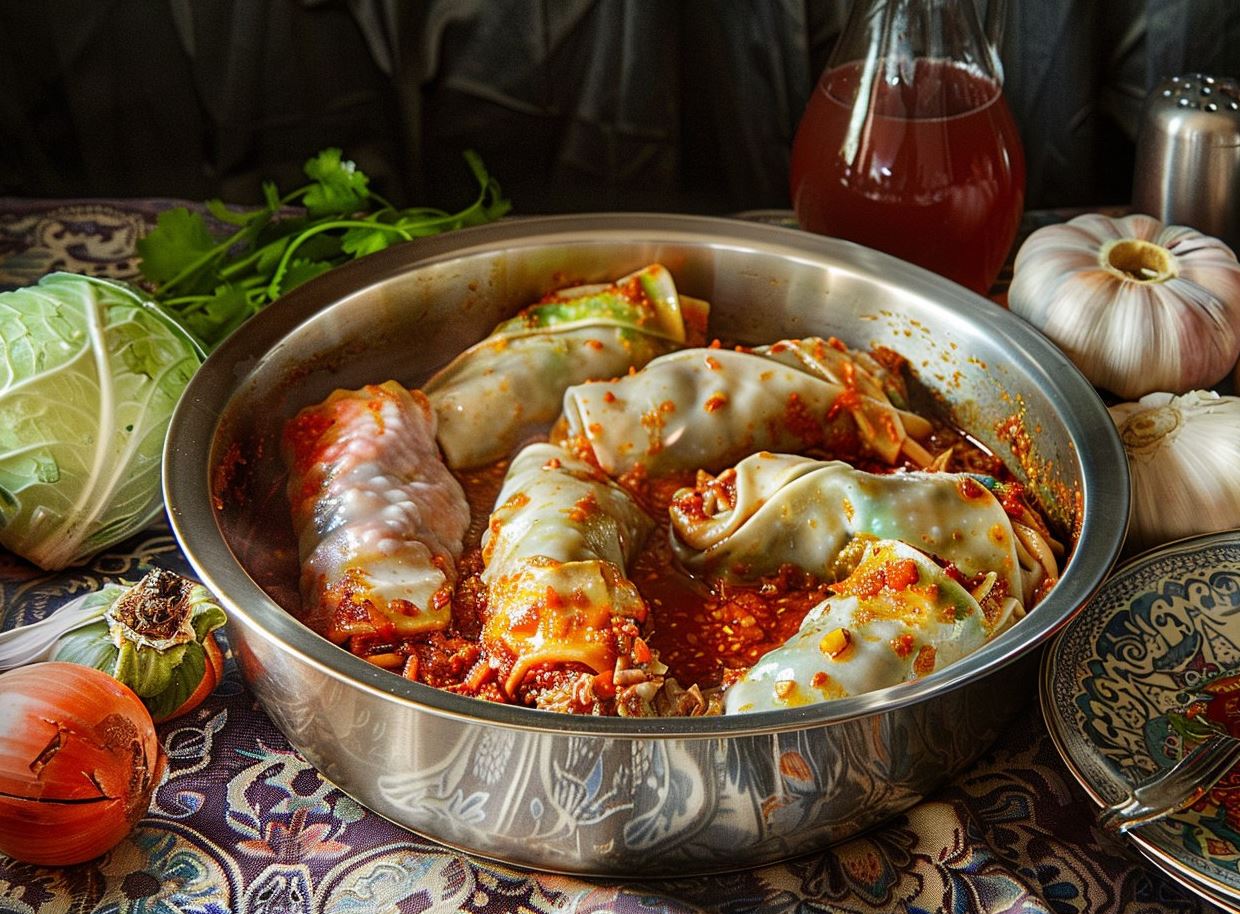
Holubtsi, or Ukrainian stuffed cabbage rolls, are a hearty and comforting dish that showcases the country's agricultural bounty. These tightly wrapped bundles are filled with a savory mixture of ground meat, rice, and sautéed vegetables, all wrapped in tender cabbage leaves and simmered in a tomato-based sauce.
The origins of holubtsi can be traced back to the 16th century, when the dish was likely influenced by the stuffed grape leaves (dolma) of the Ottoman Empire. As cabbage became a staple crop in Ukraine, cooks began experimenting with using the large, pliable leaves as a wrapper for various fillings.
Over time, holubtsi evolved to reflect the unique flavors and ingredients of Ukrainian cuisine. The fillings often include a combination of ground pork or beef, onions, carrots, and rice, seasoned with garlic, dill, and other aromatic herbs. The rolls are then simmered in a tomato-based sauce, which helps to tenderize the cabbage and infuse the filling with flavor.
Holubtsi hold deep cultural significance in Ukraine, with families passing down their own cherished recipes from generation to generation. The dish is often associated with important celebrations and holidays, such as Christmas and Easter, when it is served as part of the traditional feast.
Beyond their cultural importance, holubtsi are also prized for their hearty, comforting flavors and nutritional value. The combination of protein-rich meat, complex carbohydrates from the rice, and fiber-filled cabbage makes holubtsi a satisfying and well-balanced meal.
Today, holubtsi remain a beloved part of Ukrainian cuisine, found in homes, restaurants, and even street food stalls across the country. While the traditional recipe endures, modern interpretations have introduced new variations, such as using different types of meat or incorporating additional vegetables into the filling.
Deruny
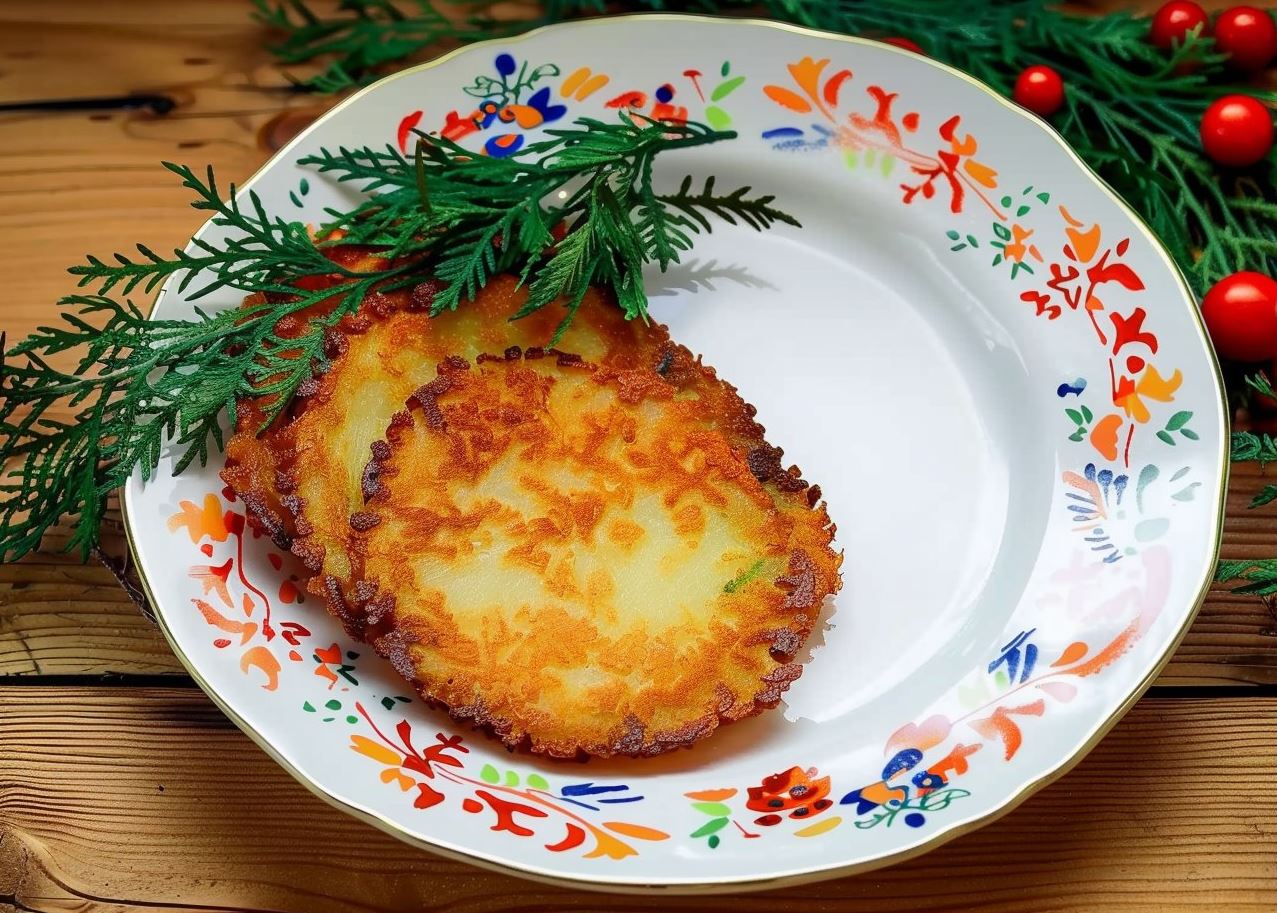
Deruny, or Ukrainian potato pancakes, are a beloved comfort food that showcases the country's agricultural bounty. These crispy, golden-brown fritters are made from grated potatoes, onions, and eggs, and are often served with a variety of toppings, from sour cream and applesauce to smoked salmon and caviar.
The origins of deruny can be traced back to the 16th century, when potatoes were first introduced to Ukraine. As this versatile crop became a staple in the Ukrainian diet, cooks began experimenting with different ways to prepare and preserve it, leading to the creation of deruny.
The preparation of deruny is a labor-intensive process that has been passed down through generations. The potatoes must be carefully grated, often using a traditional hand-cranked grater, to achieve the perfect texture. The grated potatoes are then mixed with eggs, onions, and seasonings, and the resulting batter is carefully fried in hot oil or butter until crisp and golden-brown.
Deruny hold a special place in Ukrainian culture, often served as a comforting and satisfying meal. The dish is particularly associated with the winter months, when it provides a hearty and filling source of sustenance. Deruny are also a common street food, sold by vendors to hungry passersby.
Beyond their cultural significance, deruny are also prized for their versatility and delicious flavor. The crisp, potato-based fritters provide a blank canvas for a variety of toppings and accompaniments, from savory sour cream and chives to sweet applesauce and cinnamon sugar.
Today, deruny remain a beloved part of Ukrainian cuisine, found in homes, restaurants, and street food stalls across the country. While the traditional recipe endures, modern interpretations have introduced new variations, such as incorporating different types of vegetables or experimenting with unique flavor combinations.
Uzvar
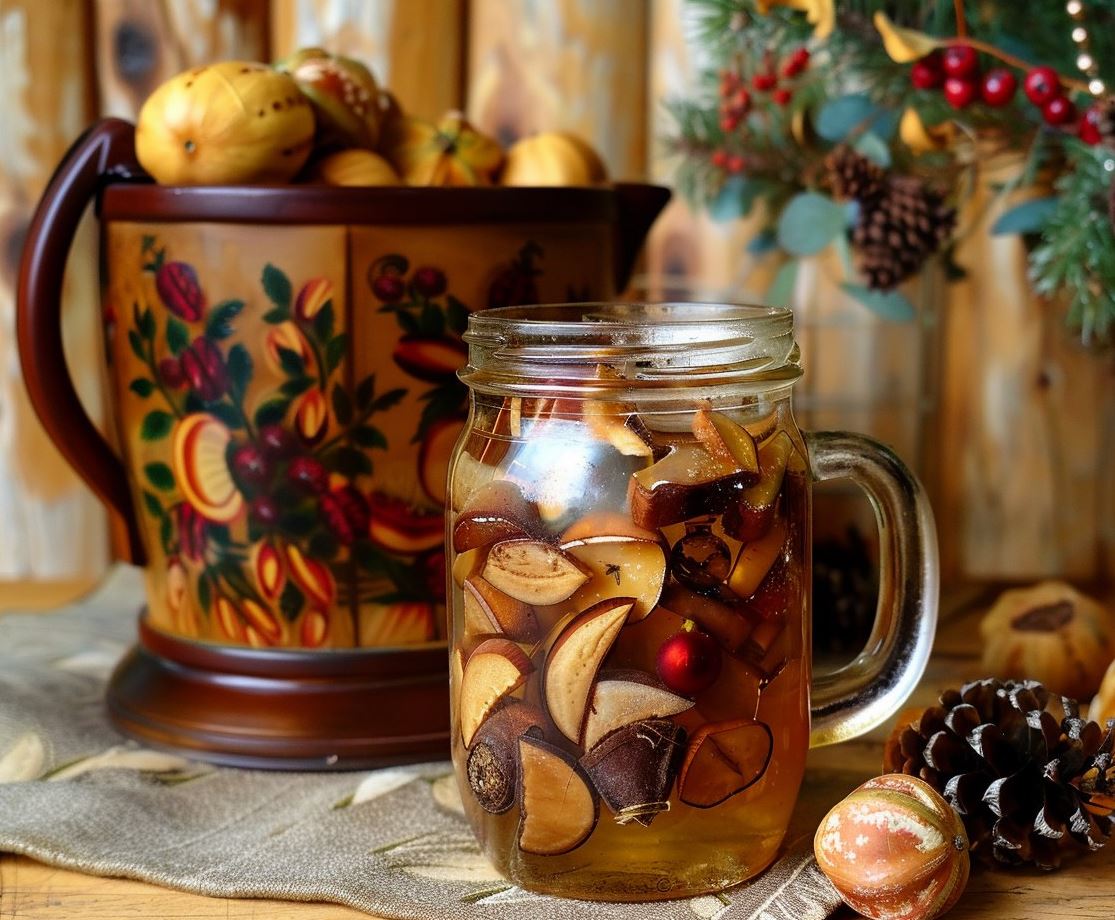
Uzvar is a traditional Ukrainian fruit compote that is often served during the Christmas and New Year's holidays. This sweet, fragrant beverage is made by simmering a variety of dried fruits, such as apples, pears, plums, and cherries, in water until they become soft and infused with their natural sugars.
The origins of uzvar can be traced back to the 16th century, when it was likely influenced by the fruit-based drinks of neighboring Slavic cultures. As Ukraine's agricultural landscape flourished, with an abundance of fruit orchards and berry patches, cooks began experimenting with ways to preserve the bounty of the harvest.
The preparation of uzvar is a time-honored tradition in Ukraine, with families often gathering to make large batches of the compote together. The dried fruits are carefully selected and washed, then simmered in water until they become soft and release their natural sweetness. Some recipes also call for the addition of honey, cinnamon, or other spices to enhance the flavor.
Uzvar holds deep cultural significance in Ukraine, particularly during the Christmas and New Year's holidays. The drink is often served as part of the traditional 12-dish Christmas Eve feast, known as Sviata Vecheria, and is believed to bring good luck and prosperity for the coming year.
Beyond its cultural importance, uzvar is also prized for its health benefits. The dried fruits used in the compote are rich in vitamins, minerals, and antioxidants, making uzvar a nourishing and restorative beverage.
Today, uzvar remains a beloved part of Ukrainian cuisine, found in homes, cafes, and restaurants across the country. While the traditional recipe endures, modern interpretations have introduced new variations, such as incorporating additional fruits or experimenting with different spice combinations.
Kutia
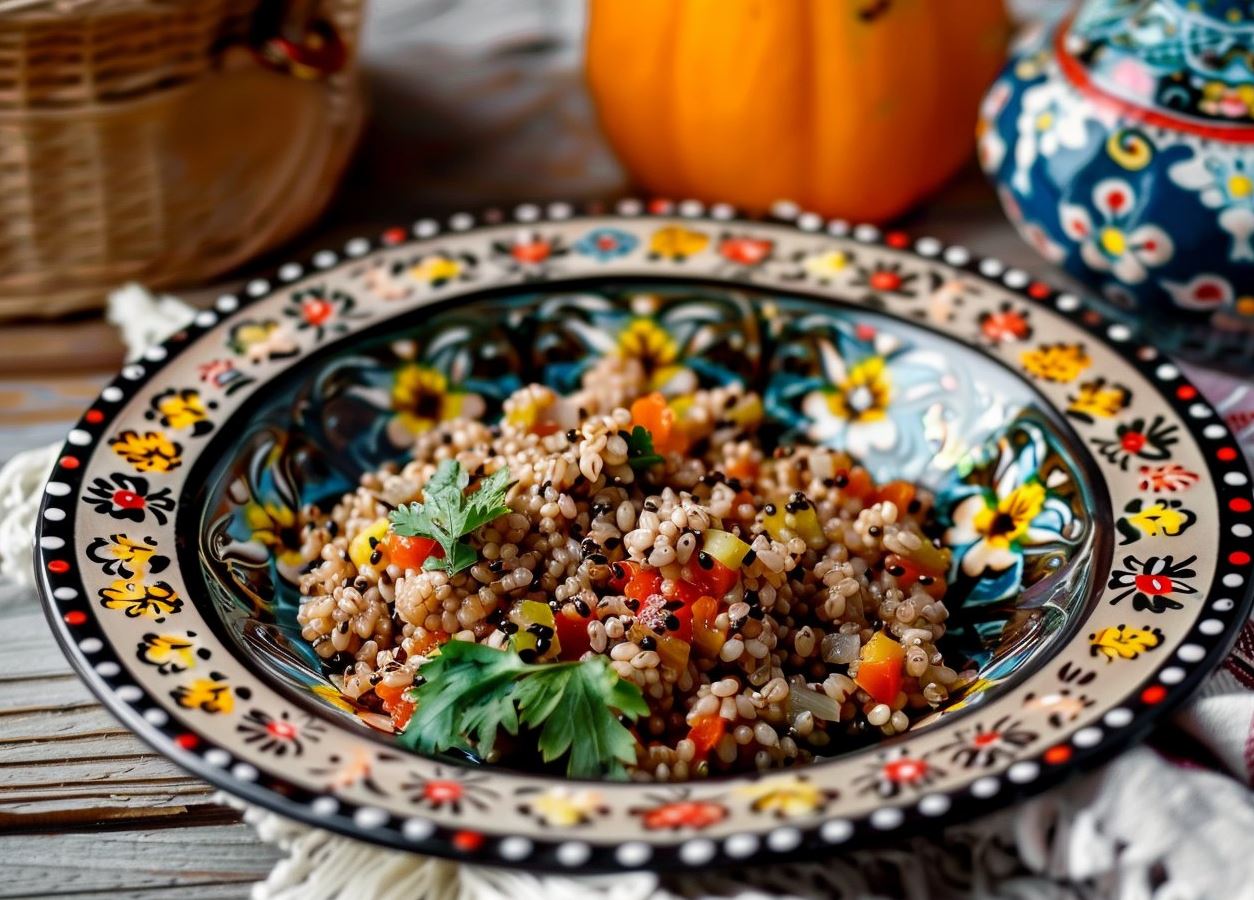
Kutia is a traditional Ukrainian ritual dish that is an essential part of the Christmas Eve feast, known as Sviata Vecheria. This sweet, grain-based pudding is made from boiled wheat kernels, mixed with poppy seeds, honey, dried fruits, and nuts, creating a rich and indulgent dessert.
The origins of kutia can be traced back to pre-Christian times, when it was likely a part of pagan harvest festivals and celebrations. As Ukraine adopted Christianity, the dish took on new significance, becoming an integral part of the Christmas Eve feast and a symbol of the country's cultural and religious heritage.
The preparation of kutia is a labor-intensive process that has been passed down through generations. The wheat kernels must be carefully cleaned, soaked, and boiled until they become soft and tender. The poppy seeds are then ground into a paste, and the dried fruits and nuts are carefully selected and prepared.
Kutia holds deep cultural and spiritual significance in Ukraine, with the dish serving as a symbolic representation of the country's agricultural bounty and the cycle of life. The wheat kernels symbolize the harvest, the poppy seeds represent fertility, and the honey and dried fruits signify sweetness and abundance.
Beyond its cultural importance, kutia is also prized for its delicious flavor and nutritional value. The combination of the chewy wheat kernels, the rich and creamy poppy seed paste, and the sweet, crunchy dried fruits and nuts creates a truly indulgent and satisfying dessert.
Today, kutia remains an essential part of the Ukrainian Christmas Eve feast, with families gathering to prepare the dish together.
As you explore the culinary delights of Ukraine, each bite tells a story of resilience, community, and pride. These national treasures not only nourish the body but also nourish the soul, connecting Ukrainians past and present through the shared experience of a rich and vibrant culinary heritage.