


Borscht, the iconic Ukrainian soup, has captivated the hearts and palates of people around the world. This vibrant, flavorful dish has become a symbol of Ukrainian culinary heritage, transcending its humble origins to become a global phenomenon. With its rich history, regional variations, and the sheer complexity of its taste, borscht has rightfully earned its place as a culinary masterpiece.
The goal of this article is to provide a comprehensive guide on how to unlock the secrets of the perfect Ukrainian borscht. By delving into the essence of this beloved soup, exploring the nuances of its preparation, and uncovering the techniques that elevate it to new heights, we aim to empower readers to create their own masterful borscht creations.
Understanding the Essence of Borscht
Borscht, at its essence, is a traditional Ukrainian soup that has delighted and intrigued people worldwide. The origins of this iconic dish can be traced back to the 16th century, when it was first documented in the writings of German traveler Martin Gruneweg, who visited Kyiv in 1584. Since then, borscht has evolved and diversified, with each region of Ukraine developing its own unique interpretation of this beloved soup.

The defining characteristic of borscht is its vibrant, ruby-red hue, which is primarily derived from the use of beets as the primary ingredient. However, the true essence of borscht lies in its complex flavor profile, which is a harmonious balance of sweet, sour, and savory notes. The sweetness of the beets is often complemented by the tartness of vinegar or lemon juice, while the savory elements come from the addition of meat, vegetables, and a variety of herbs and spices.
Mastering the Borscht Base
The foundation of a perfect borscht lies in the careful selection and preparation of the key ingredient: the beet. Choosing the right beet variety and properly preparing it are crucial steps in creating a borscht that truly shines.
The choice of beet variety can have a significant impact on the final flavor and texture of the borscht. While there are numerous beet cultivars available, the most commonly used varieties for borscht are the deep-red, sweet-tasting beets.
When selecting beets, it's important to look for ones that are firm, smooth, and free of blemishes. The size of the beets can also play a role, as smaller to medium-sized beets tend to have a more concentrated flavor and a sweeter profile. Larger beets, while still usable, may have a slightly earthier taste that can overpower the other ingredients.
The way the beets are prepared can also influence the final texture and flavor of the borscht. There are several methods to consider:
1. Peeling and Grating: One of the most common techniques is to peel the beets and then grate them using a coarse grater or food processor. This method helps to release the beet's natural juices and creates a finely textured base for the soup.
2. Roasting: Roasting the beets before adding them to the soup can enhance their sweetness and deepen their flavor. Simply wrap the beets in foil, roast them in the oven until tender, and then peel and grate or chop them.
3. Boiling: Boiling the beets is another option, as it helps to soften them and extract their vibrant color. Once the beets are tender, they can be peeled and added to the soup.
Regardless of the preparation method, it's important to ensure that the beets are finely grated or chopped to create a smooth, velvety texture in the final borscht.
The borscht broth is the foundation upon which the entire dish is built. To create a rich, flavorful broth, start by simmering the prepared beets in water or stock until they are tender and have released their natural juices. This beet-infused liquid will form the base of the soup.
As the beets simmer, you can add other aromatic vegetables, such as onions, carrots, and celery, to further enhance the depth of flavor. The combination of the beet's sweetness and the savory notes from the vegetables creates a well-rounded, complex broth that is the hallmark of a truly exceptional borscht.

Achieving the perfect colour and consistency of the borscht broth is also crucial. The deep, ruby red colour should be vibrant and inviting, while the consistency should be smooth and velvety, without being too thin or too thick. Careful monitoring and adjustment during the cooking process will ensure that the borscht base is ready to receive the next layers of flavour. 
Layering Flavors
Once the borscht base has been established, the next step is to layer in the additional flavors that will truly make this soup shine. From balancing the acidity to enhancing the savory elements, each step in this process is essential for creating a borscht that is both harmonious and captivating.
The acidity in borscht is a critical component that helps to balance the sweetness of the beets and create a well-rounded flavor profile. There are several ways to achieve the perfect level of tartness:
1. Vinegar: Traditional Ukrainian borscht often uses a variety of vinegars, such as apple cider vinegar, red wine vinegar, or even a combination of different vinegars, to provide the desired level of acidity.
2. Lemon Juice: Freshly squeezed lemon juice can also be used to add a bright, citrusy note to the borscht, complementing the sweetness of the beets.
3. Sour Cream: Incorporating a dollop of sour cream or crème fraîche at the end of the cooking process can lend a creamy, tangy element to the soup.
The key is to find the right balance between the sweet and sour flavors, adjusting the acidity to suit your personal taste preferences. Start with a smaller amount of vinegar or lemon juice and gradually increase it until you achieve the desired level of tartness.
While the beets provide the foundation for borscht, the addition of savory ingredients can elevate the soup to new heights. Incorporating meat is a common practice, as it adds depth and richness to the overall flavor profile.
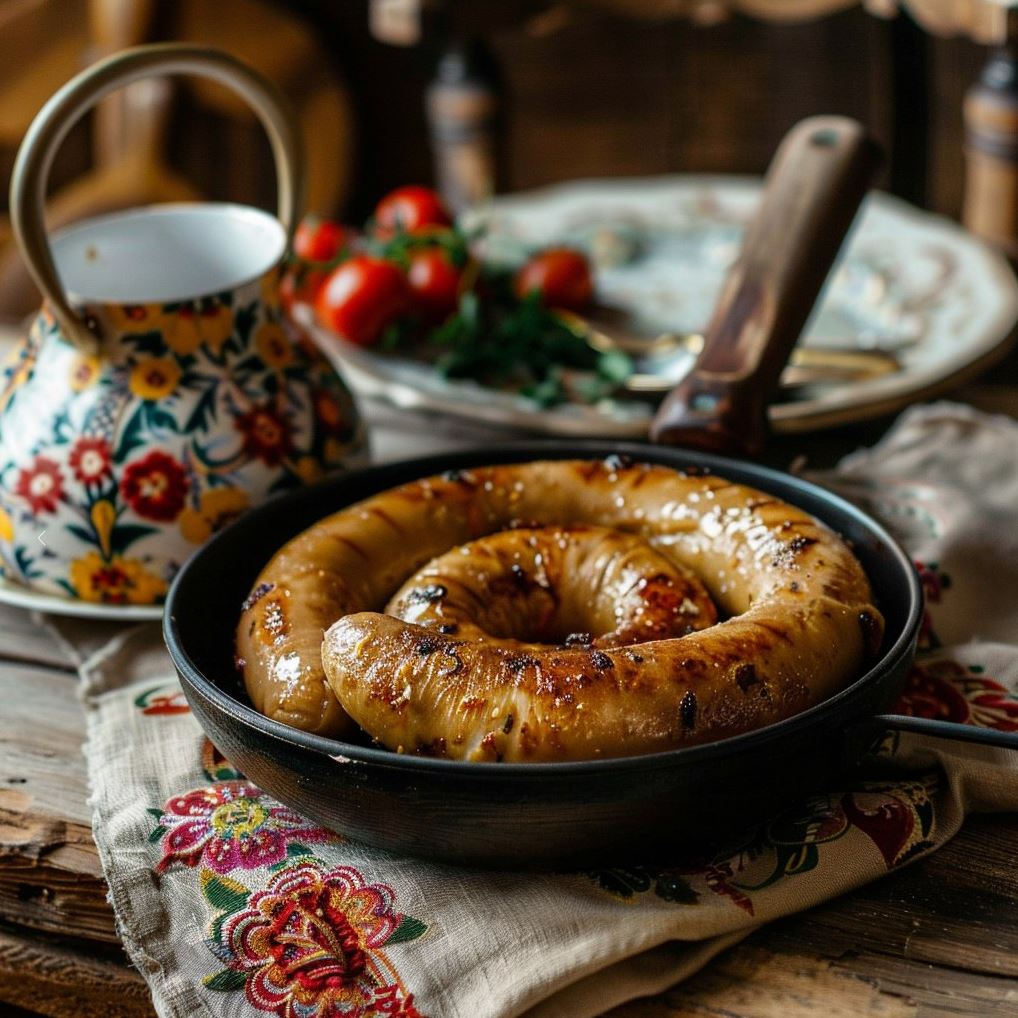
Meat Choices: Borscht can be made with a variety of meats, including beef, pork, or chicken. The choice of meat can depend on personal preference or regional traditions. For example, in some parts of Ukraine, borscht is traditionally made with smoked or cured meats, such as ham or sausage, which lend a unique smoky flavor.

Preparation Techniques: The meat can be added to the soup in different ways, such as simmering it directly in the broth or browning it separately and then adding it to the soup. Slow-cooking the meat can also help to tenderize it and infuse the borscht with its savory essence.

Adding Complementary Ingredients
Beyond the beets and meat, borscht can be further enhanced with a variety of herbs, spices, and garnishes that add complexity and visual appeal.

1. Herbs and Spices: Dill, parsley, caraway seeds, and bay leaves are all common additions to borscht, providing a fragrant and flavorful backdrop to the dish.
2. Garnishes: Finishing the borscht with a dollop of sour cream, a sprinkle of fresh dill or parsley, and perhaps even some crispy croutons can add a touch of elegance and contrast to the soup.
The key is to carefully balance these additional ingredients, ensuring that they complement the sweetness of the beets and the savory notes of the meat without overpowering the overall flavor profile.
Perfecting the Cooking Technique
Mastering the cooking technique is the final piece of the puzzle in creating the perfect Ukrainian borscht. From the proper simmering and timing to the adjustments of heat and cooking duration, each step in the process plays a crucial role in unlocking the full potential of this beloved soup.

Borscht is a dish that requires patience and attention to detail. The key is to simmer the soup gently, allowing the flavors to meld and develop over time. This slow, steady cooking process helps to extract the maximum flavor from the ingredients and ensures a harmonious balance in the final dish.
The timing for simmering borscht can vary, depending on the specific recipe and the desired level of tenderness for the ingredients. As a general guideline, the beets should be simmered for at least 30-45 minutes, or until they are completely tender. The other vegetables, such as cabbage, carrots, and onions, can be added in stages, with the longer-cooking items going in first and the more delicate ingredients added towards the end.
Throughout the simmering process, it's important to monitor the heat and make adjustments as needed. The borscht should be maintained at a gentle simmer, with occasional stirring to prevent sticking or burning. If the soup begins to boil too vigorously, the heat should be reduced to prevent the ingredients from becoming overcooked or the broth from becoming too thick.
The total cooking time for borscht can range from 1 to 3 hours, depending on the specific recipe and the desired level of complexity. Longer cooking times allow the flavors to meld and deepen, resulting in a more robust and harmonious soup. However, it's important to strike a balance, as overcooking can lead to a loss of freshness and vibrancy in the ingredients.
One of the keys to a truly exceptional borscht is allowing the flavors to meld and develop over time. After the initial simmering process, it's recommended to let the soup rest for at least 30 minutes, or even up to an hour, before serving. This resting period allows the individual flavors to integrate, creating a more cohesive and balanced dish.
During this time, the borscht can be kept warm on the stove or in a slow cooker, ensuring that it maintains its temperature and texture. This final step in the cooking process is crucial for unlocking the full potential of the borscht, as it allows the complex interplay of sweet, sour, and savory notes to truly shine.
Variations and Serving Suggestions
While the classic Ukrainian borscht is a beloved and iconic dish, there is a wealth of regional and personal variations that add to the richness and diversity of this culinary treasure.
Across Ukraine, each region has developed its own unique interpretation of borscht, reflecting the local ingredients, culinary traditions, and personal preferences of the people. For example, in the western region of Galicia, the borscht is often served with dumplings or "uszka" (small dumplings filled with mushrooms or meat), while in the Poltava region, the borscht is known for its use of pork and the addition of pampushky (garlic-infused buns) as an accompaniment.

Beyond the regional variations, individual cooks and households may also put their own personal spin on borscht, experimenting with different ingredients, cooking techniques, and flavor profiles. Some may opt for a more vegetarian-friendly version, while others may incorporate unique elements like smoked fish or even fruit, such as sour cherries or apples, to create a distinctive twist on the classic dish.
Borscht can be enjoyed both hot and cold, depending on personal preference and the time of year. The traditional hot borscht is a comforting and nourishing soup, perfect for chilly winter days. The vibrant, ruby-red color and the rich, complex flavors make it a true delight for the senses.
On the other hand, cold borscht, or "kholodnik," is a refreshing and invigorating summertime treat. This version of the soup is typically made with a base of chilled beet broth, often garnished with diced beets, hard-boiled eggs, and a dollop of sour cream or yogurt. The cool temperature and the tangy, refreshing flavors make it an ideal choice for hot weather.
No discussion of borscht would be complete without mentioning the traditional accompaniments that elevate the dining experience. Pampushky, or garlic-infused buns, are a classic pairing, with their savory and aromatic flavors complementing the borscht perfectly.
Sour cream, or "smetana," is another essential accompaniment, as its creamy texture and tangy flavor help to balance the sweetness and acidity of the soup. A sprinkle of fresh dill, parsley, or even crumbled bacon can also add a delightful finishing touch to the borscht.
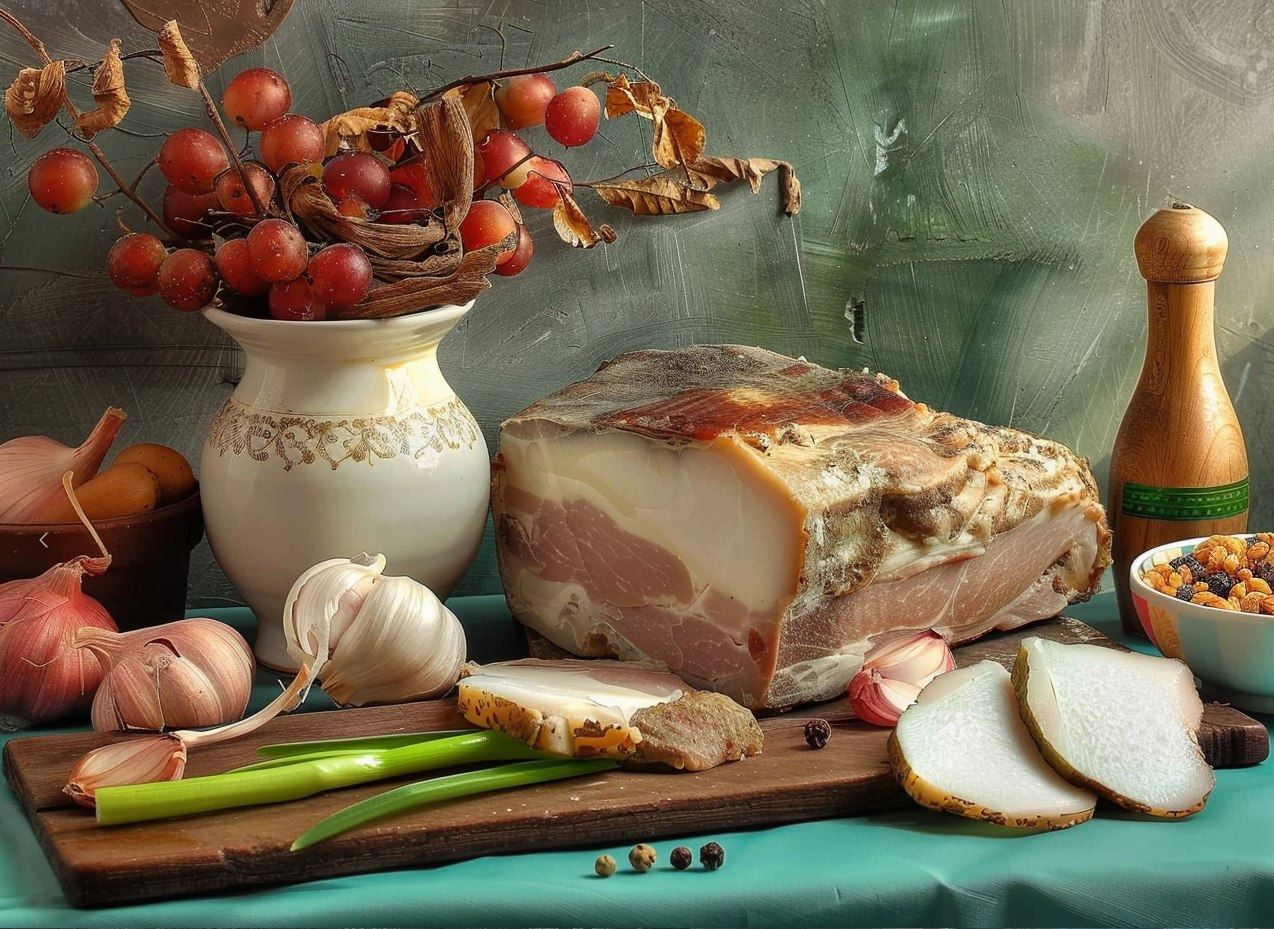
In addition, sliced thinly and often served alongside borscht, salo adds a rich and savory flavor to the soup. The pungent and aromatic element of garlic, another key component in borscht, enhances the overall taste of the dish when combined with the earthy beets, hearty vegetables, and tender meat. Together, salo and garlic create a harmonious blend of flavors that make borscht a truly unforgettable culinary experience.
Ultimately, the beauty of borscht lies in its versatility and the endless possibilities for personal interpretation and enjoyment. Whether you prefer the classic hot version or the refreshing cold variety, the key is to embrace the unique flavors and textures that make this Ukrainian culinary icon so captivating.
And here is a recipe for your perfect Ukrainian borscht:
Ingredients:
1 lb (450g) beets, peeled and grated or finely chopped1 onion, diced2 carrots, peeled and grated2 celery stalks, diced4 cups (1 liter) beef or chicken stock2 tbsp apple cider vinegar (or to taste)1 tbsp lemon juice1 tsp sugar (optional)Salt and pepper to taste1 lb (450g) beef or pork, cubed (optional)Fresh dill, parsley, sour cream for serving
Instructions:
1. In a large pot, bring the stock to a simmer. Add the grated or chopped beets and simmer for 30-45 minutes until the beets are tender.
2. If using meat, brown it in a separate pan, then add it to the pot with the beets.
3. Add the onions, carrots, and celery to the pot. Simmer for an additional 15-20 minutes until the vegetables are tender.
4. Stir in the apple cider vinegar, lemon juice, and sugar (if using). Taste and adjust seasoning with salt and pepper as needed.
5. Allow the borscht to rest for 30 minutes to 1 hour, letting the flavors meld together.
6. Serve the borscht hot, garnished with a dollop of sour cream, fresh dill, and parsley. Accompany with pampushky (garlic buns) or sliced salo (cured pork fat) on the side.
Enjoy your authentic and delicious Ukrainian borscht!