

In the heart of Eastern Europe, where the fertile lands of Ukraine stretch out under vast skies, there exists a culinary treasure that has been revered for centuries – salo. This cured pork fat, with its distinct flavor and texture, is not merely a food item, but a symbol of Ukrainian identity, a testament to the country's rich gastronomic heritage, and a reflection of the resilience and resourcefulness of its people.
Salo's origins can be traced back to the days when the ancestors of modern-day Ukrainians, the Slavic tribes, inhabited the region. In a land where resources were often scarce, the ability to preserve and utilize every part of the animal was essential for survival. The practice of curing and salting pork fat evolved over generations, becoming an integral part of the local cuisine and culture.
As the centuries passed, salo became more than just a practical food item; it took on a deeper significoven into the fabric of Ukrainian traditions and celebrations. From the tables of humble peasant households to the grand feasts of the nobility, salo has always held a revered place, symbolizing abundance, prosperity, and the enduring spirit of the Ukrainian people.
The Unique Qualities of Salo
What sets salo apart from other pork fat products is its exceptional quality and the meticulous care taken in its production. Unlike the mass-produced, industrialized versions found in many supermarkets, traditional Ukrainian salo is made with the utmost attention to detail, using only the finest, locally-sourced pork.
The key to salo's distinctive flavor lies in the breed of pigs used and the way they are raised. In the past, Ukrainians relied on their own indigenous pig breeds, such as the Myrhorod and the Ukrainian Steppe White, which were well-adapted to the local climate and fed a diet of grains, vegetables, and foraged foods. This resulted in a pork fat that was rich in flavor, with a perfect balance of sweetness and saltiness.
Today, while some of these heritage breeds are under threat of extinction, there are still dedicated farmers and artisanal producers who strive to preserve the traditional methods of salo-making. They meticulously select the pigs, ensure they are raised in a natural, free-range environment, and then carefully cure and smoke the pork fat to achieve the desired texture and aroma.
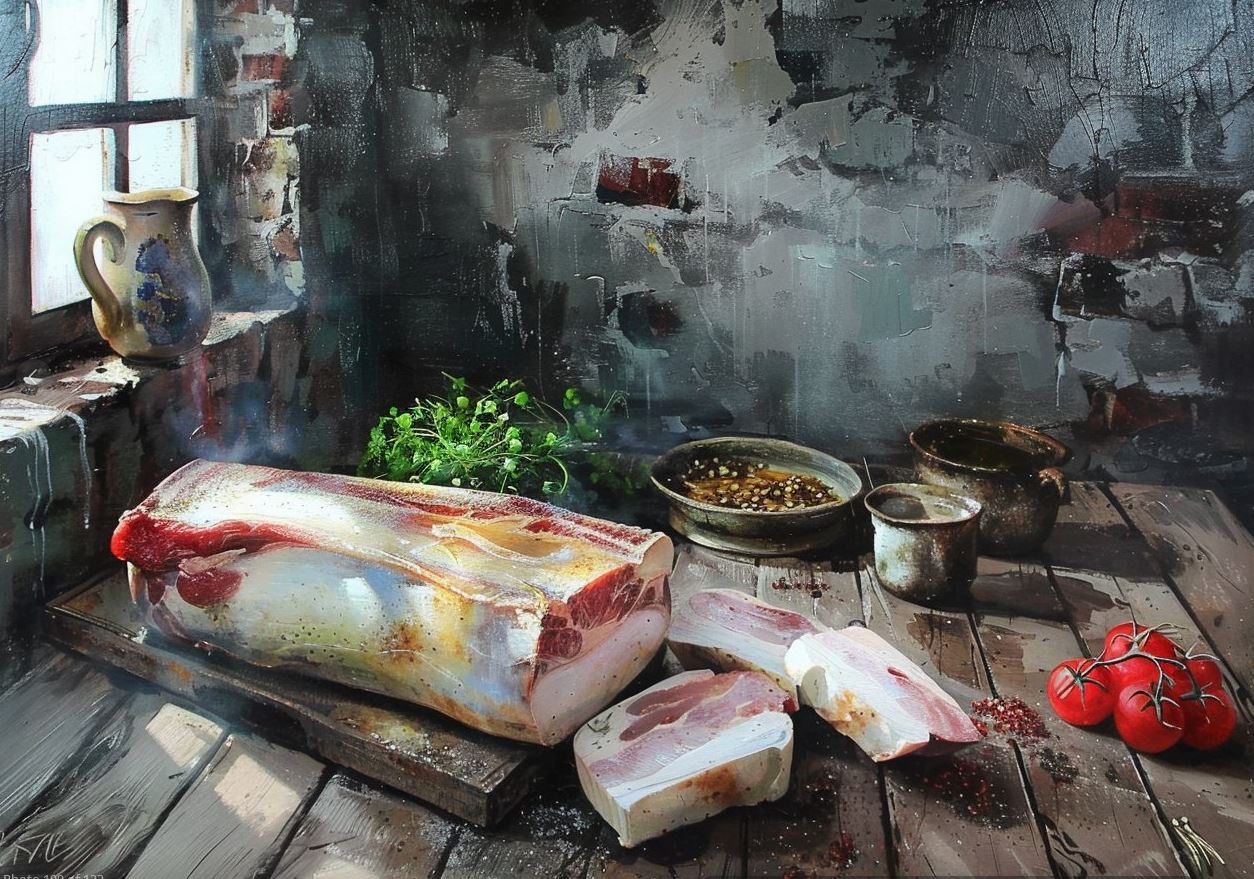
The process of making salo is a true labor of love, requiring patience, skill, and a deep understanding of the local terroir. The pork belly is first trimmed of any excess meat, leaving a thick layer of fat. This fat is then salted, either with coarse rock salt or a blend of salt, garlic, and spices. The salted slab is then left to cure for several days, during which time the salt penetrates the fat, drawing out excess moisture and concentrating the flavors.
After the curing process, the salo is often smoked over a fire of fruit tree wood, such as cherry or apple. This imparts a subtle, aromatic complexity that elevates the already-delicious fat. The smoking process can take several hours, and the salo is carefully monitored to ensure it achieves the perfect balance of smokiness and richness.
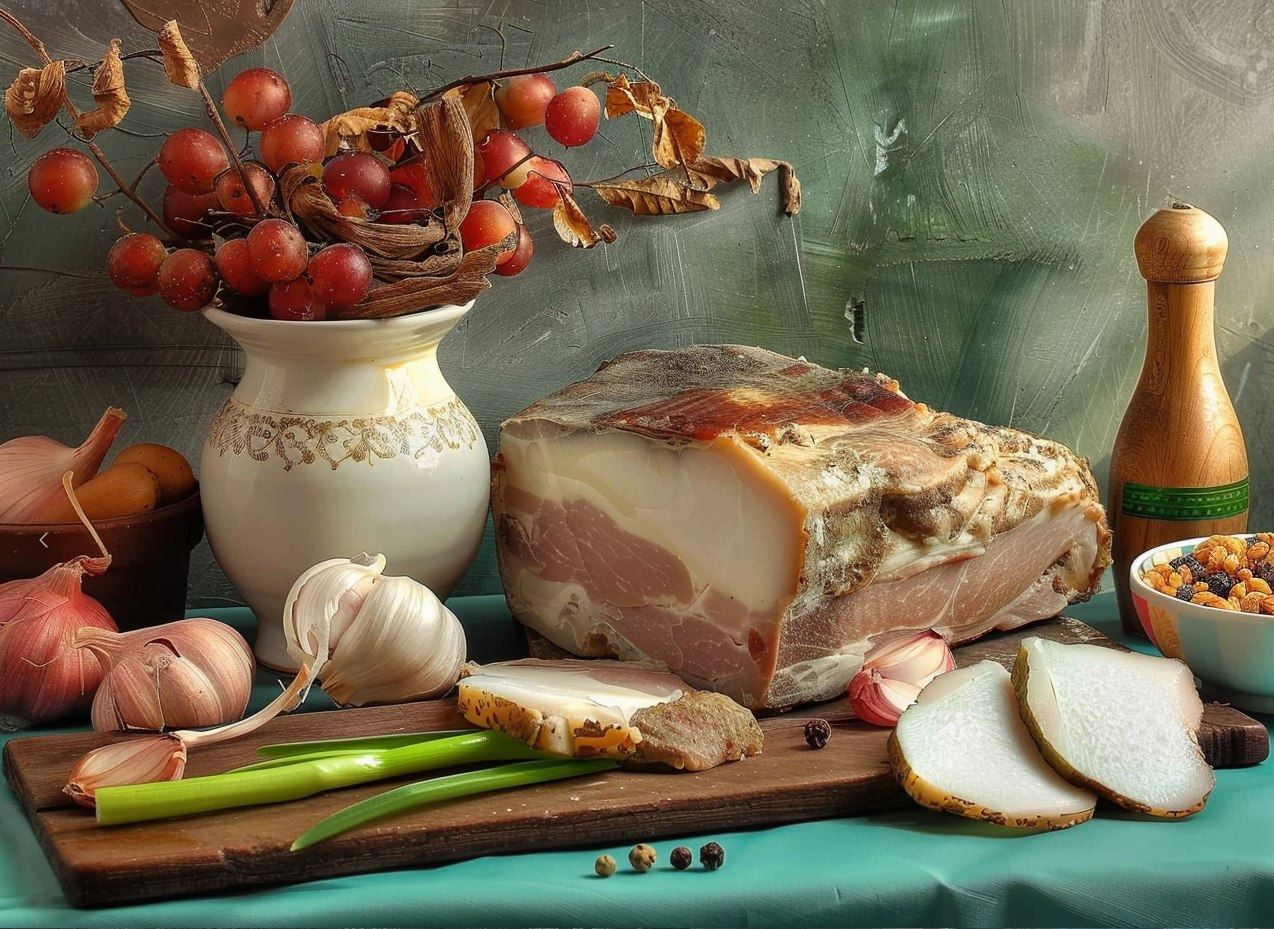
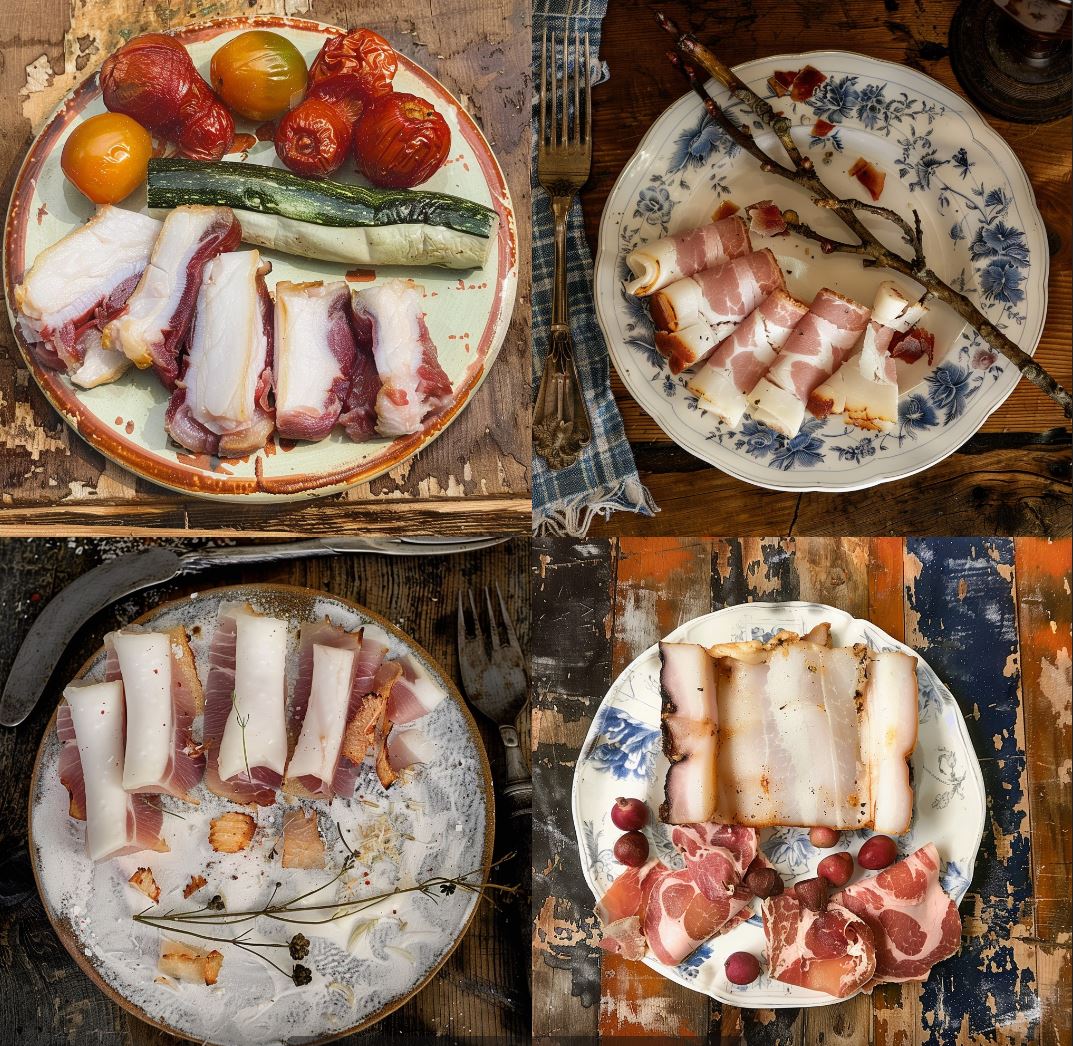
The final product is a thick, firm slab of pork fat with a creamy-white color and a glistening sheen. When sliced, the salo reveals distinct layers of fat and connective tissue, each contributing to the overall texture and mouthfeel. The flavor is a harmonious blend of savory, salty, and subtly sweet, with a lingering, almost nutty aftertaste that is truly unforgettable.
Salo in Ukrainian Cuisine and Culture
Salo is not just a food item in Ukrainian cuisine; it is a cultural touchstone, woven into the fabric of the country's traditions and celebrations. From the humble peasant's table to the grand feasts of the aristocracy, salo has always held a revered place, symbolizing abundance, prosperity, and the enduring spirit of the Ukrainian people.
In traditional Ukrainian cuisine, salo is used in a variety of ways, both as a standalone dish and as an ingredient in other recipes. One of the most iconic ways to enjoy salo is simply sliced thin and served with dark rye bread, garlic, and a glass of chilled vodka. This simple pairing allows the rich, decadent flavor of the salo to shine, and it is a beloved snack that has been passed down through generations.
Salo also plays a crucial role in many traditional Ukrainian dishes, adding depth, richness, and a unique textural element. In the preparation of borscht, the classic beetroot soup, a small amount of salo is often rendered to create a flavorful fat that serves as the base for the broth. Similarly, in the making of varenyky (Ukrainian dumplings), a dollop of smelts (rendered salo) is used to add a luxurious mouthfeel and a touch of savory indulgence.
Beyond its culinary applications, salo also holds a significant place in Ukrainian cultural traditions and rituals. During the Christmas and Easter holidays, salo is an essential component of the traditional feast, often served alongside other beloved dishes like kutia (a sweet wheat berry pudding) and pampushky (soft, fluffy buns).
The Challenges Facing Salo Production
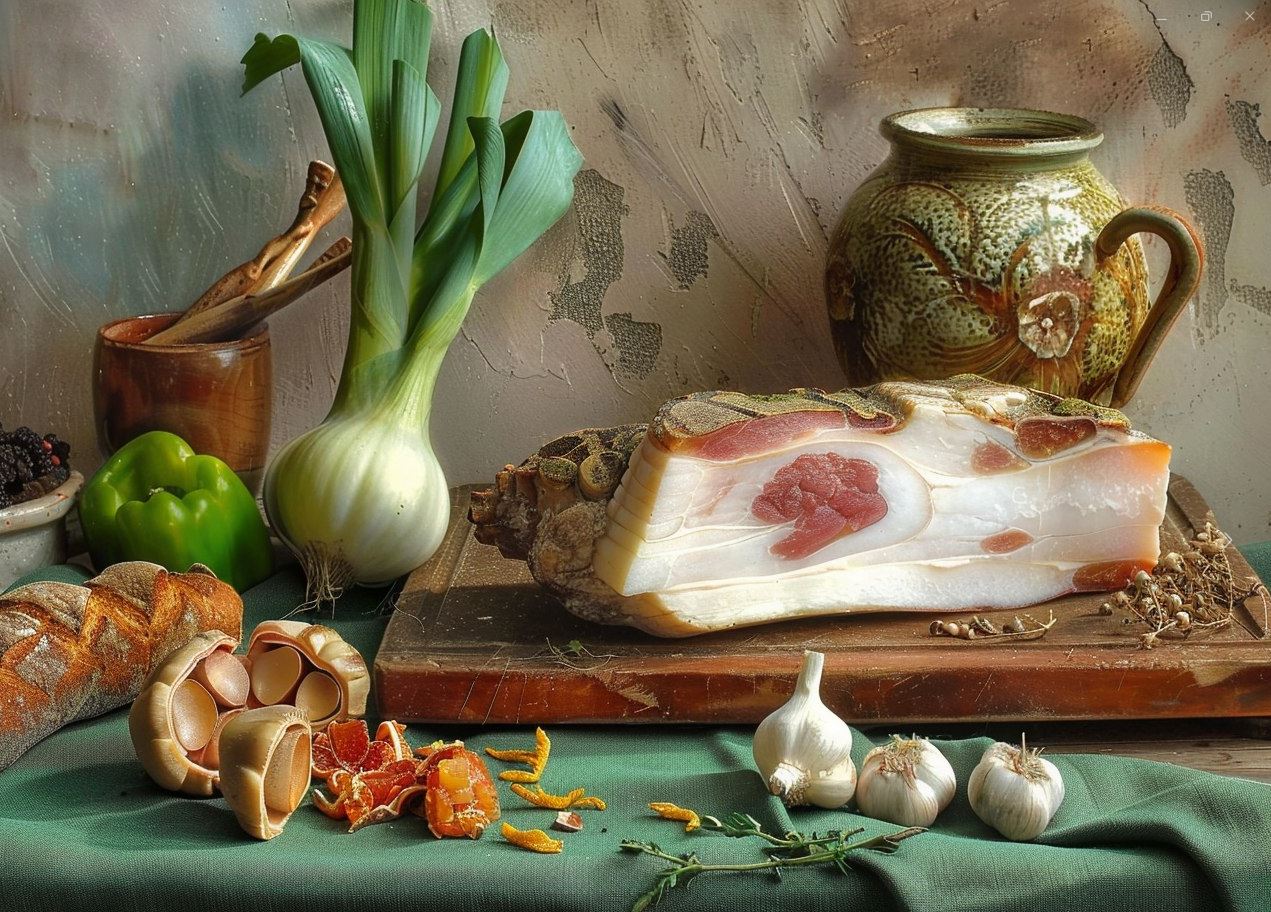
Despite its deep-rooted significance in Ukrainian culture, the production of traditional salo is facing a number of challenges in the modern era. The industrialization of the food system, the decline of small-scale farming, and the changing dietary preferences of younger generations have all contributed to the gradual erosion of this culinary tradition.
One of the primary threats to the continued production of high-quality salo is the decline of indigenous pig breeds. As large-scale, industrialized farming has become the norm, many of the heritage breeds that were once the foundation of salo production have been pushed to the brink of extinction. Breeds like the Myrhorod and the Ukrainian Steppe White, which were perfectly adapted to the local climate and fed a diet of natural, foraged foods, are now struggling to maintain their populations.
The loss of these breeds not only threatens the unique flavor and texture of traditional salo, but it also represents a broader erosion of Ukraine's rich agricultural biodiversity. Without the preservation of these heritage animals, the future of salo production, and the cultural traditions that surround it, is uncertain.
Another challenge facing salo producers is the changing consumer landscape. As modern diets have shifted towards a greater emphasis on health and wellness, the perception of salo as a high-fat, indulgent food has led to a decline in its popularity, especially among younger generations. This shift in consumer preferences has made it increasingly difficult for small-scale, artisanal salo producers to maintain a viable market for their products.
The Future of Salo: A Celebration of Ukrainian Identity
As Ukraine navigates the challenges of the modern era, the preservation of salo and other traditional food products has taken on a renewed significance. These culinary treasures are not merely items on a plate; they are living, breathing expressions of the country's rich cultural heritage, a testament to the resilience and ingenuity of the Ukrainian people.
By championing the production of high-quality, artisanal salo, Ukrainians are not only safeguarding a beloved food item, but they are also asserting their cultural identity on a global stage. As the world becomes increasingly interconnected, the importance of preserving and promoting local, traditional food systems has never been more apparent. In the case of salo, this culinary treasure serves as a bridge between the past and the present, connecting Ukrainians to their ancestral roots while also showcasing the country's rich gastronomic heritage to the world.