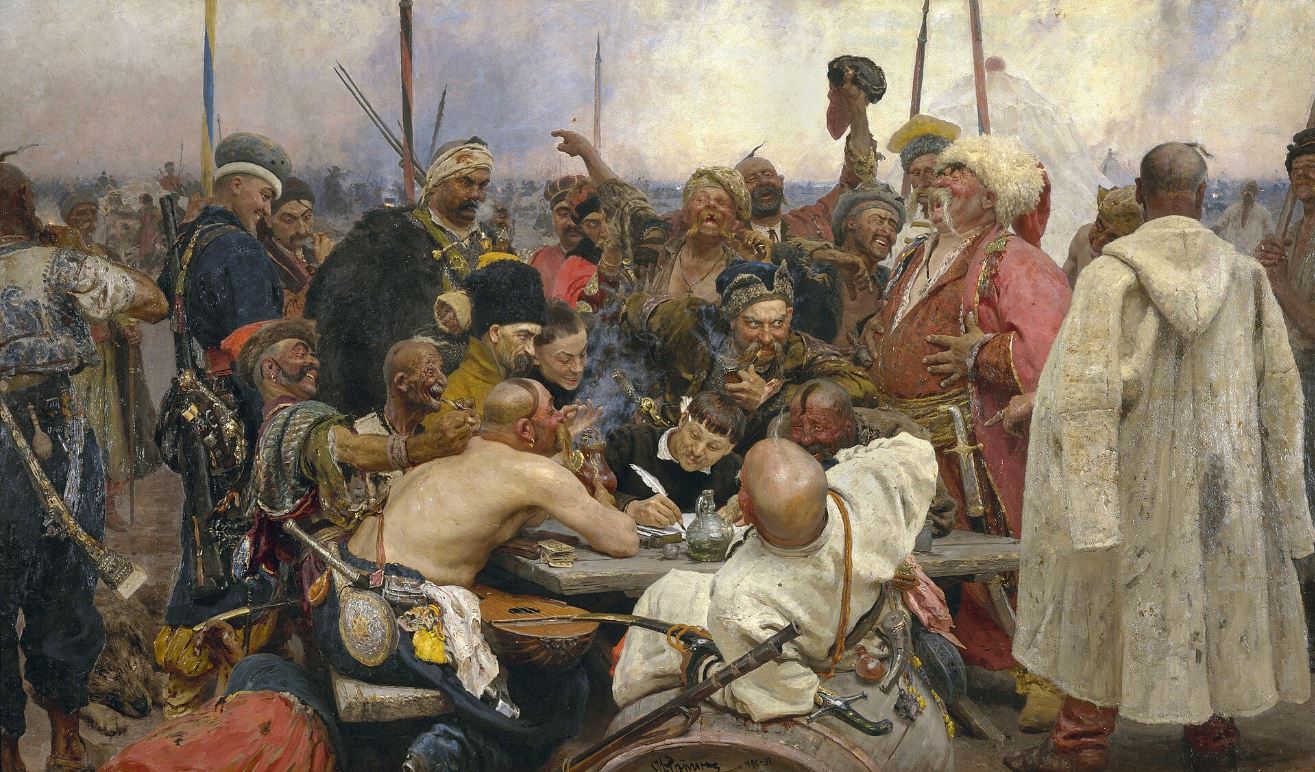


Vienna, the capital of Austria, is renowned for its rich and vibrant coffee culture, a tradition that can be traced back to the 17th century. At the heart of this tradition lies the unique and captivating Viennese coffee, a beverage that has captivated the hearts and palates of coffee enthusiasts around the world. Interestingly, the origins of this iconic coffee can be attributed to a Ukrainian-born figure, Yurii Kulchytskyi, who is credited with introducing coffee to the Viennese public after the siege of Vienna in 1683.
Viennese coffee, with its rich aroma and decadent flavor, has become a beloved beverage in Ukraine, captivating the hearts of coffee enthusiasts across the country. This traditional coffee preparation method, originating from Vienna, Austria, has found a special place in Ukrainian culture, offering a unique and delightful coffee experience. In this article, we will explore the key ingredients, brewing techniques, and equipment needed to create the perfect cup of Viennese coffee, guiding you through each step of the process with precision and expertise.
Choosing the Right Coffee Beans
The foundation of a perfect Viennese coffee lies in the selection of the right coffee beans. Traditionally, Viennese coffee connoisseurs have favored a blend of Arabica beans, often sourced from Central and South America, as well as Africa. The preferred bean varieties include the smooth and balanced Bourbon, the bright and fruity Kenyan, and the rich and complex Ethiopian Yirgacheffe.

When selecting coffee beans for Viennese-style brewing, it is essential to prioritize freshness. The beans should be roasted within the last two weeks to ensure maximum flavor and aroma. The roast level is typically medium to medium-dark, which allows the natural sweetness and complexity of the beans to shine through without becoming overpowering or bitter.
Proper storage is also crucial in maintaining the quality of the coffee beans. They should be kept in an airtight container, away from direct sunlight, heat, and moisture, to preserve their delicate flavors and aromas. By investing in high-quality, freshly roasted beans, coffee enthusiasts can lay the groundwork for a truly exceptional Viennese coffee experience.
Grinding the Beans
The grind size and consistency of the coffee beans play a pivotal role in the final taste and texture of a Viennese coffee. The traditional Viennese brewing method, which often involves the use of a Moka pot or a filter coffee maker, requires a fine, consistent grind to ensure optimal extraction and a smooth, velvety mouthfeel.

For the best results, it is recommended to use a burr grinder, which produces a more uniform grind size compared to blade grinders. The ideal grind size for Viennese coffee is similar to that of granulated sugar, with a fine, powdery texture. This fine grind allows for a thorough extraction of the coffee's flavors, resulting in a rich and concentrated brew.
It is important to note that the grind size may need to be adjusted based on the specific brewing method and equipment being used. Experimenting with different grind settings can help you find the perfect balance that suits your personal preferences and the characteristics of your chosen coffee beans.
Preparing the Coffee
When using a Moka pot, it is essential to start with freshly drawn, cold water. The water should be heated to a temperature between 195°F and 205°F (91°C and 96°C), as this range allows for optimal extraction of the coffee's flavors without burning the grounds. The coffee-to-water ratio for a Moka pot is typically around 1:6, with approximately 2 tablespoons (10 grams) of finely ground coffee per 4 ounces (120 ml) of water.

Alternatively, the filter coffee maker method involves using a paper or reusable filter and a similar coffee-to-water ratio. The water temperature should be maintained within the same range as the Moka pot, and the brewing time should be carefully monitored to ensure a balanced and flavorful extraction.
Regardless of the brewing method, it is essential to pay attention to the water quality, as the mineral content and pH can significantly impact the final taste of the coffee. Filtered or bottled water is often preferred to ensure consistent and optimal results.
Frothing the Milk
The velvety, creamy milk foam is an integral component of many traditional Viennese coffee drinks, such as the iconic Melange and Einspänner. Achieving the perfect milk foam is a skill that requires practice and attention to detail.
For the best results, it is recommended to use fresh, cold whole milk. The milk should be frothed using a steam wand or a dedicated milk frother, with the goal of creating a dense, microfoam-like texture. The ideal temperature for the frothed milk is between 150°F and 160°F (65°C and 71°C), as this range allows for the development of a rich, creamy consistency without scalding the milk.
When frothing the milk, it is important to hold the steam wand just below the surface of the milk, gently introducing air to create a smooth, velvety texture. The milk should be swirled and aerated until it doubles in volume and takes on a silky, glossy appearance.
Proper milk frothing technique is essential in creating the signature Viennese coffee drinks, as the milk foam not only adds a luxurious mouthfeel but also complements the bold, aromatic flavors of the coffee.
Serving the Perfect Cup
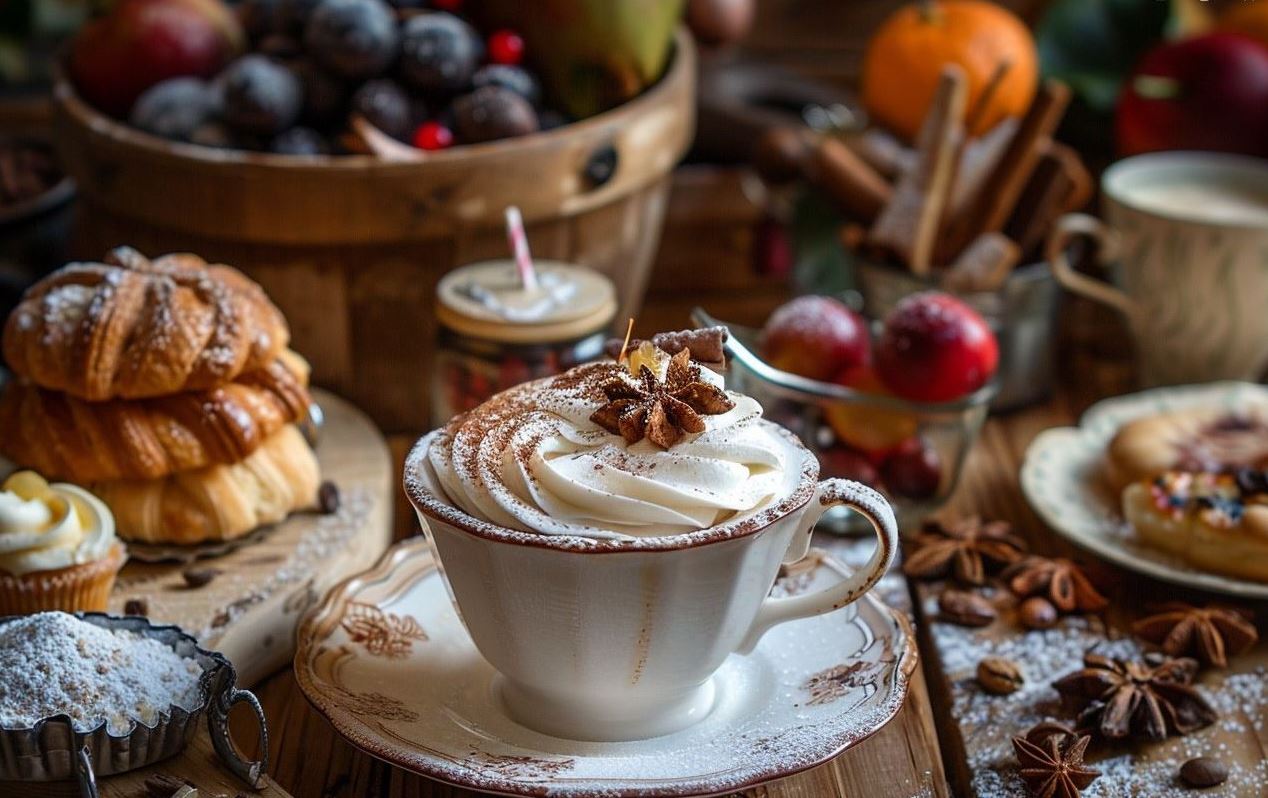
The presentation and serving style of Viennese coffee are as important as the brewing process itself. Traditionally, Viennese coffee is served in a porcelain cup and saucer, often with a small spoon and a cube of sugar on the side.
The porcelain cups used in Viennese coffee service are designed to maintain the optimal temperature of the coffee, while the saucer provides a convenient resting place for the spoon and allows the drinker to sip the coffee at a comfortable pace.

In addition to the traditional cup and saucer, the Viennese coffee experience is often enhanced by the inclusion of a small glass of water, which is served alongside the coffee. This water is intended to cleanse the palate between sips, allowing the drinker to fully appreciate the nuances of the coffee's flavor profile.
Garnishes and accompaniments, such as a dusting of cocoa powder or a sprinkle of cinnamon, can also be used to add visual appeal and complement the flavors of the coffee. These small touches contribute to the overall elegance and ritual of the Viennese coffee experience.
Variations and Specialty Drinks
While the traditional Viennese coffee is a beloved staple, the city's coffee culture has also given rise to a variety of unique and delightful specialty drinks. These creations showcase the creativity and attention to detail that are hallmarks of Viennese coffee artistry.
One of the most iconic Viennese coffee specialties is the Melange, a harmonious blend of espresso and steamed, frothed milk, often topped with a light dusting of cocoa powder. The Melange is known for its smooth, velvety texture and its ability to balance the robust flavors of the espresso with the creamy richness of the milk.
Another beloved Viennese coffee drink is the Einspänner, which features a shot of strong, concentrated coffee served in a tall glass, topped with a generous layer of whipped cream. The Einspänner is often enjoyed as a decadent and indulgent treat, with the creamy topping providing a luxurious counterpoint to the bold, intense coffee flavor.
The Fiaker, named after the horse-drawn carriages that were once a common sight in Vienna, is a unique coffee creation that combines espresso, hot milk, and a generous splash of rum or cognac. This warming and aromatic beverage is often enjoyed as an after-dinner or evening treat, providing a cozy and sophisticated end to a Viennese coffee experience.
By embracing the techniques and nuances of Viennese coffee brewing, coffee enthusiasts can unlock a world of flavors and sensations that transcend the boundaries of a simple cup of coffee. Whether it's the smooth and balanced Melange, the decadent Einspänner, or the aromatic Fiaker, each Viennese coffee creation offers a unique and captivating experience that celebrates the city's enduring love affair with this beloved beverage.