

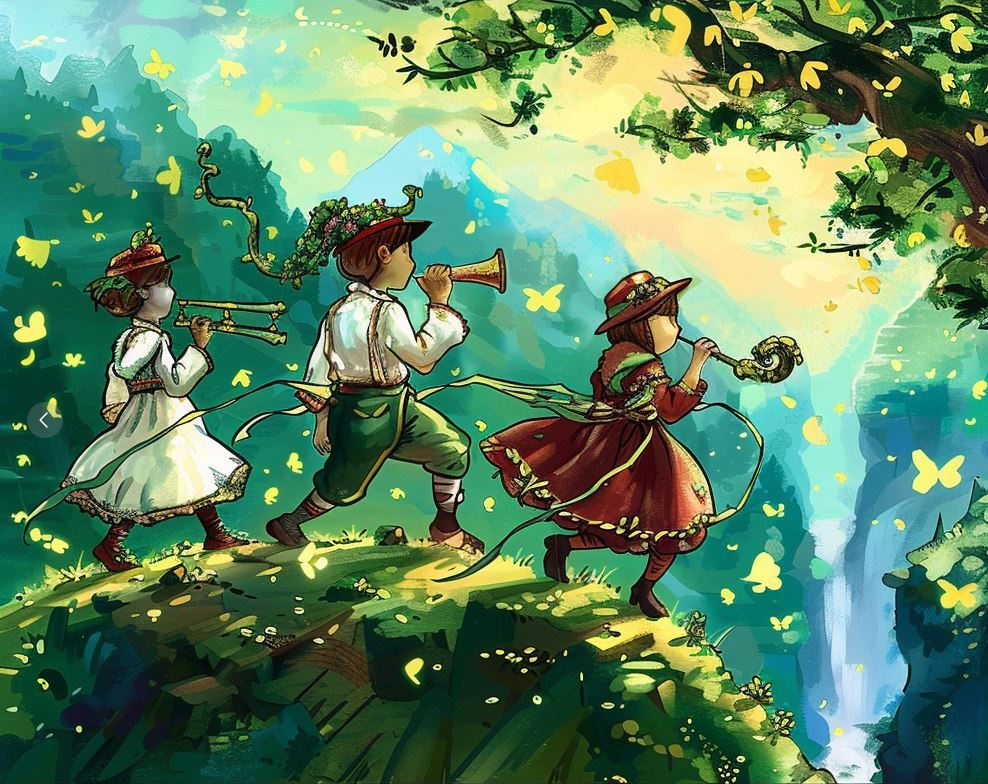
Ukrainian folk culture is a rich tapestry woven with intricate threads of music, poetry, and dance. At the heart of this vibrant artistic expression lies the captivating genre of kolomyikas – a unique form of folk performance that seamlessly blends these elements into a mesmerizing whole.
Kolomyikas are a testament to the ingenuity and creativity of the Ukrainian people, reflecting their deep-rooted traditions, customs, and way of life. These lively folk dances have captivated audiences worldwide, showcasing the boundless energy, joy, and cultural pride of the Ukrainian spirit.
Rooted in the Rhythms of the Land
The origins of kolomyikas can be traced back to the rhythmic pulse of the Ukrainian countryside, where the daily lives of the people were intricately intertwined with the natural world around them. The repetitive motions of agricultural labor, the gentle sway of the wind through the fields, and the pulsing beat of the earth itself all found expression in the intricate rhythms and melodies of kolomyikas.
As the seasons changed and the cycles of planting, harvesting, and celebration unfolded, the people of Ukraine wove their stories and emotions into the fabric of these dances. The text of a kolomyika often reflects the joys and struggles of everyday life, from the playful banter of young lovers to the hardships faced by the working class.
The Poetic Tapestry of Kolomyikas
At the heart of the kolomyika lies a rich poetic tradition, with each dance accompanied by a series of verses that capture the essence of the performance. These verses, known as kolomyika-poems, are structured in a unique 14-syllable format, with a distinct rhythm and rhyme scheme that gives the dances their characteristic sound.
The kolomyika-poems are more than just lyrics; they are a tapestry of imagery, metaphor, and cultural symbolism that transport the listener to the very heart of Ukrainian life. Through these verses, the dancers convey a wide range of emotions, from the playful flirtation of young suitors to the hardships faced by the working class.
One particularly striking example is the kolomyika-poem that accompanies the dance "Quail":
The quail's head hurts, the quail's shoulders hurt,
My quail has an old man, he comes out of the pantry.
The quail's arms hurt, the quail's knees hurt,
My quail has a young man, he's coming from the market.
In these verses, the image of the "quail" serves as a metaphor for a young woman trapped in an unwanted marriage, her physical ailments reflecting the emotional turmoil of her situation. The contrast between the "old man" and the "young man" highlights the conflict between duty and desire, a theme that resonates deeply within the Ukrainian cultural psyche.
The Choreographic Tapestry of Kolomyikas
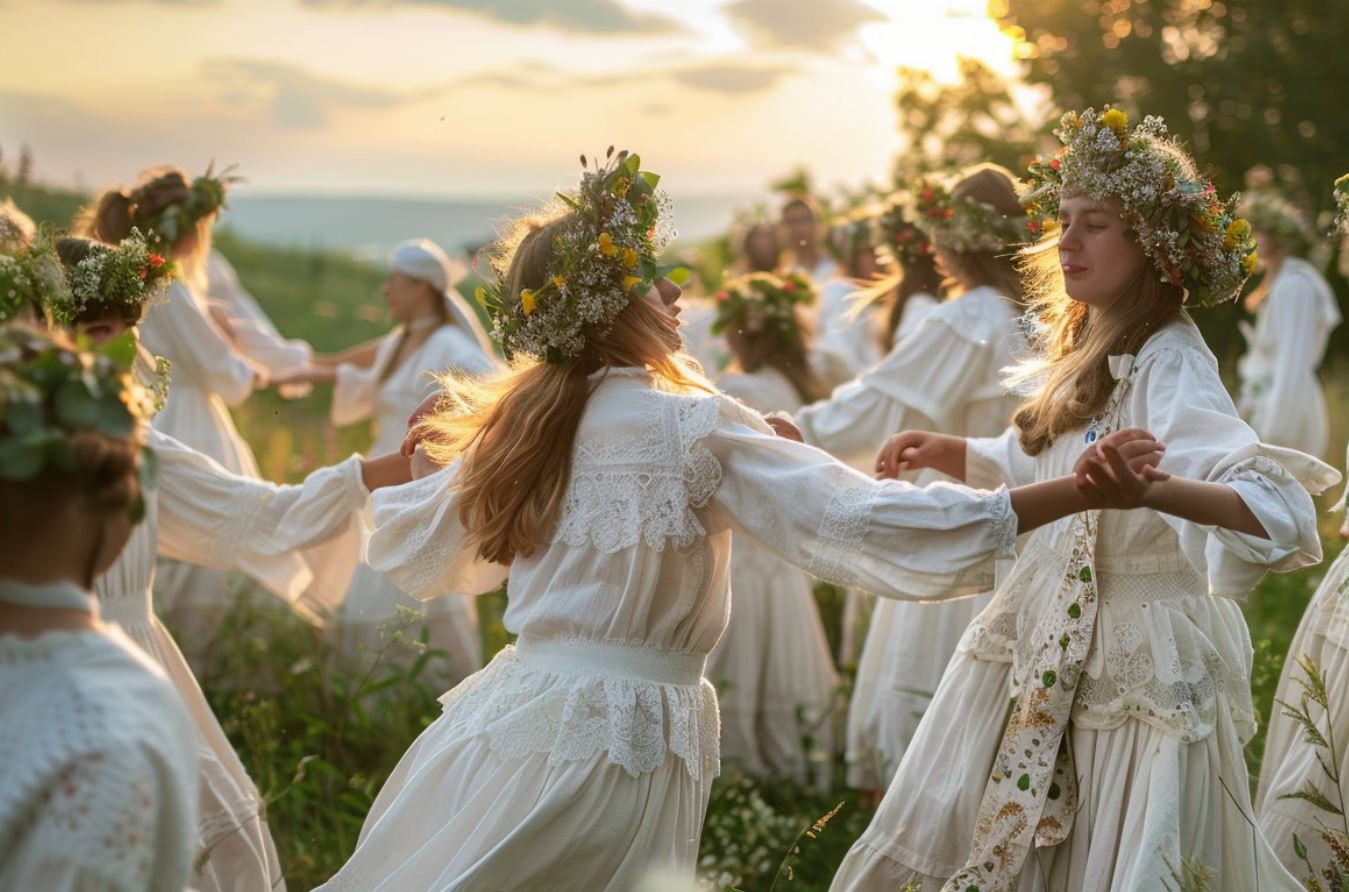
The poetic and musical elements of kolomyikas are inextricably linked to their captivating choreography, which reflects the rich diversity of Ukrainian folk dance traditions. Each kolomyika is characterized by a unique sequence of dance figures and movements that unfold like a choreographic tapestry, telling a story through the graceful interplay of the performers.
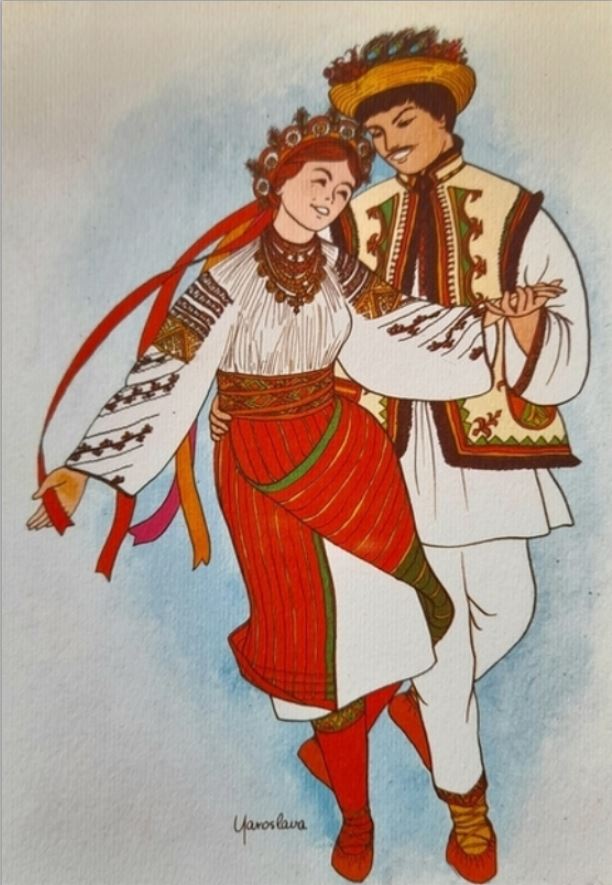
At the heart of kolomyika choreography are the distinctive dance steps and figures that have been passed down through generations of Ukrainian dancers. These include the "zirnytsia" (a series of quick, intricate footwork patterns), the "prysyadka" (a deep squat with a graceful rise), and the "kreschyk" (a figure in which dancers change places within the circle).
The choreographic composition of kolomyikas is often characterized by a sense of fluidity and improvisation, with dancers weaving in and out of formations and responding to the rhythmic cues of the music. This improvisational element is a hallmark of Ukrainian folk dance, reflecting the deep connection between the performers and the cultural traditions they embody.
Kolomyikas as a Synthesis of the Arts
The true power of kolomyikas lies in their ability to transcend the boundaries of individual artistic disciplines, seamlessly blending music, poetry, and dance into a captivating whole. Each element of the performance – the pulsing rhythms, the evocative verses, and the graceful choreography – works in harmony to create a multifaceted artistic experience that immerses the audience in the rich cultural heritage of Ukraine.
This synthesis of the arts is not merely a stylistic choice, but a reflection of the deeply interconnected nature of Ukrainian folk culture. For the people of Ukraine, music, poetry, and dance are not separate entities, but rather different facets of a single, vibrant artistic expression that is woven into the very fabric of their daily lives.
The Enduring Legacy of Kolomyikas
In the modern era, kolomyikas continue to captivate audiences both within Ukraine and around the world, serving as a powerful symbol of the country's rich cultural heritage. Professional dance ensembles and folk music groups have played a crucial role in preserving and reinvigorating this art form, introducing new generations to the timeless beauty and energy of the kolomyika.
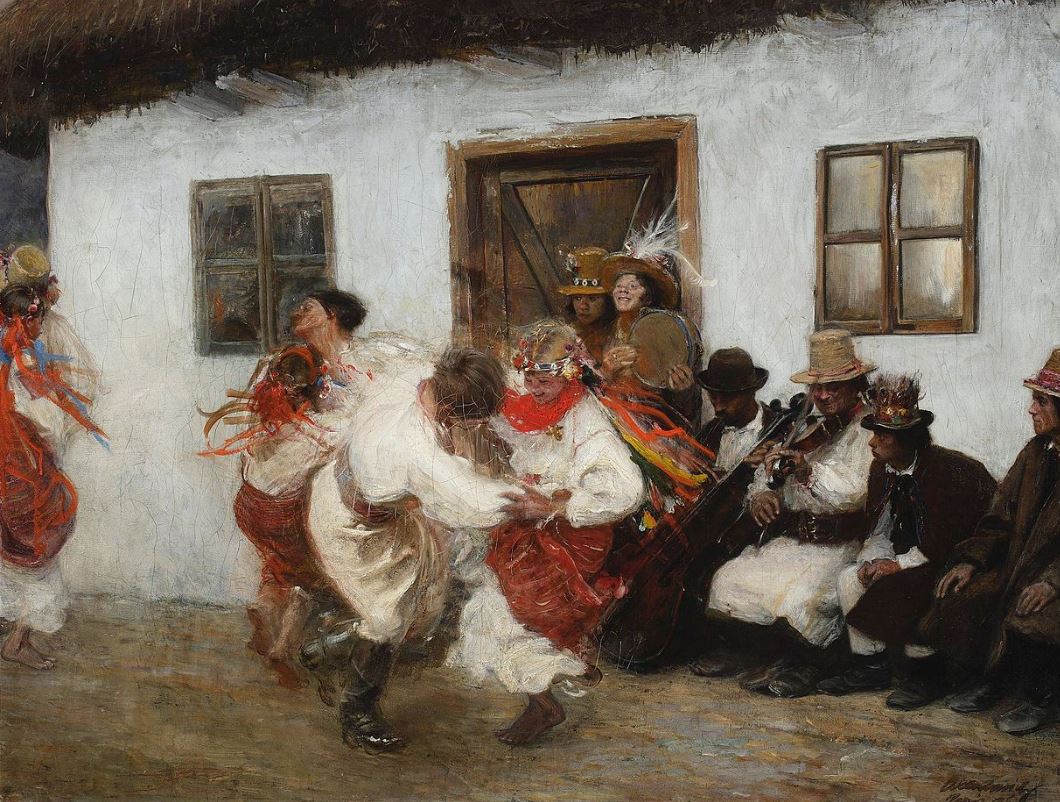
At the same time, kolomyikas have also inspired a new wave of creative expression, with contemporary Ukrainian artists and composers drawing upon the genre's rhythmic and poetic elements to create innovative, genre-blending works. From the concert halls of Kyiv to the stages of international festivals, the captivating spirit of the kolomyika continues to captivate and inspire audiences, serving as a testament to the enduring vitality of Ukrainian culture.
As we delve deeper into the world of kolomyikas, we are not merely exploring a dance form or a musical genre – we are uncovering the very essence of the Ukrainian people, their history, and their unwavering spirit. In the captivating rhythm and vibrant choreography of the kolomyika, we glimpse the boundless creativity, resilience, and cultural pride that have defined the Ukrainian experience for generations.