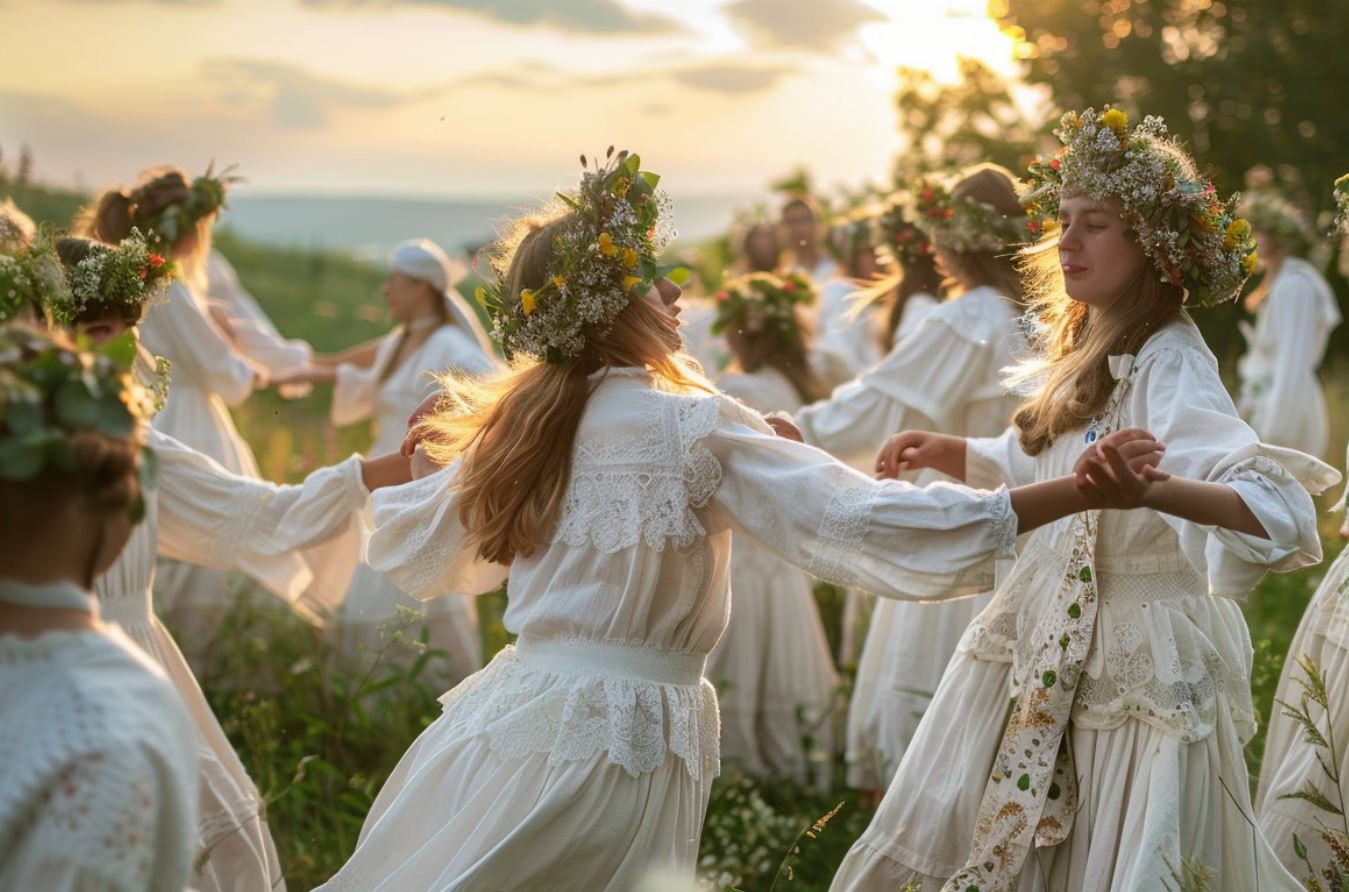



Ukraine's rich cultural heritage is nowhere more vibrant and captivating than in its folk dance traditions. These dances, born from the rhythms of daily life and the spirit of the Ukrainian people, have enchanted audiences around the world with their infectious energy, intricate footwork, and deep connection to the land.
At the heart of this dynamic art form are three main genres: round dances, household dances, and story dances. Each one offers a unique window into the multifaceted tapestry of Ukrainian culture, weaving together elements of labor, family, heroism, and the natural world.
Round Dances: Celebrating the Cycles of Life
The round dance, or khorovod, is one of the oldest and most revered forms of Ukrainian folk dance. Originating in ritualistic celebrations of the changing seasons, these dances once played a vital role in marking the cycles of life, from the arrival of spring to the height of summer.
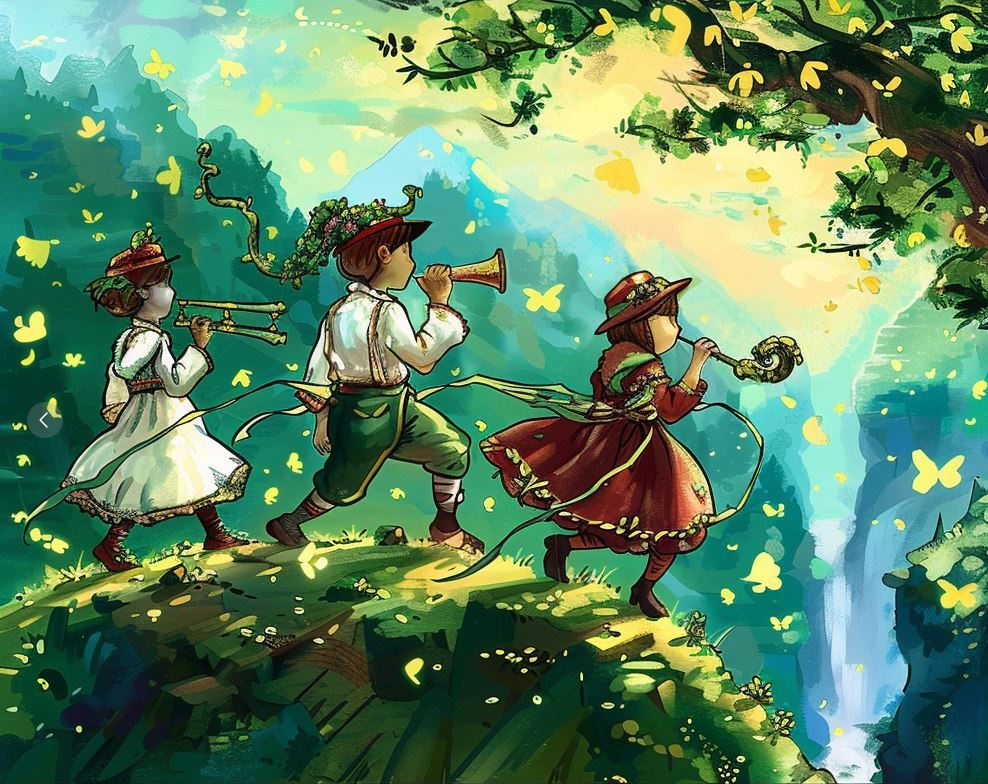
While the dances have lost their overt ritualistic significance over time, they remain a joyful expression of the Ukrainian spirit. Performers move in graceful, synchronized circles, their movements mirroring the ebb and flow of nature. The texts of round dances often reflect labor processes, domestic life, and patriotic sentiments, conveying the hopes, dreams, and struggles of the working people.
One of the most captivating aspects of round dances is the way they seamlessly integrate poetry, music, and choreography. The lyrics of the accompanying songs drive the development of the dance, with performers using pantomime, gestures, and intricate footwork to bring the words to life. This synthesis of artistic elements creates a truly immersive experience, transporting the viewer to the heart of Ukrainian folk culture.
Household Dances: Rhythms of Daily Life
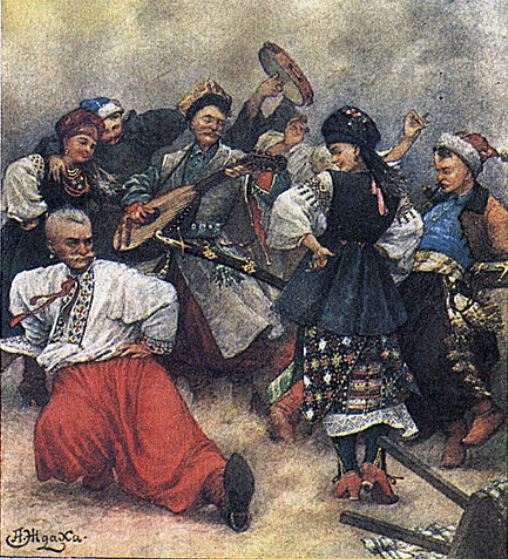
In contrast to the communal, ritual-based round dances, the household dances of Ukraine offer a more individualistic and improvisational expression of the national spirit. Genres such as the hopak, kozachok, and kolomyika emerged from the daily lives of the Ukrainian people, reflecting their energy, humor, and resilience.
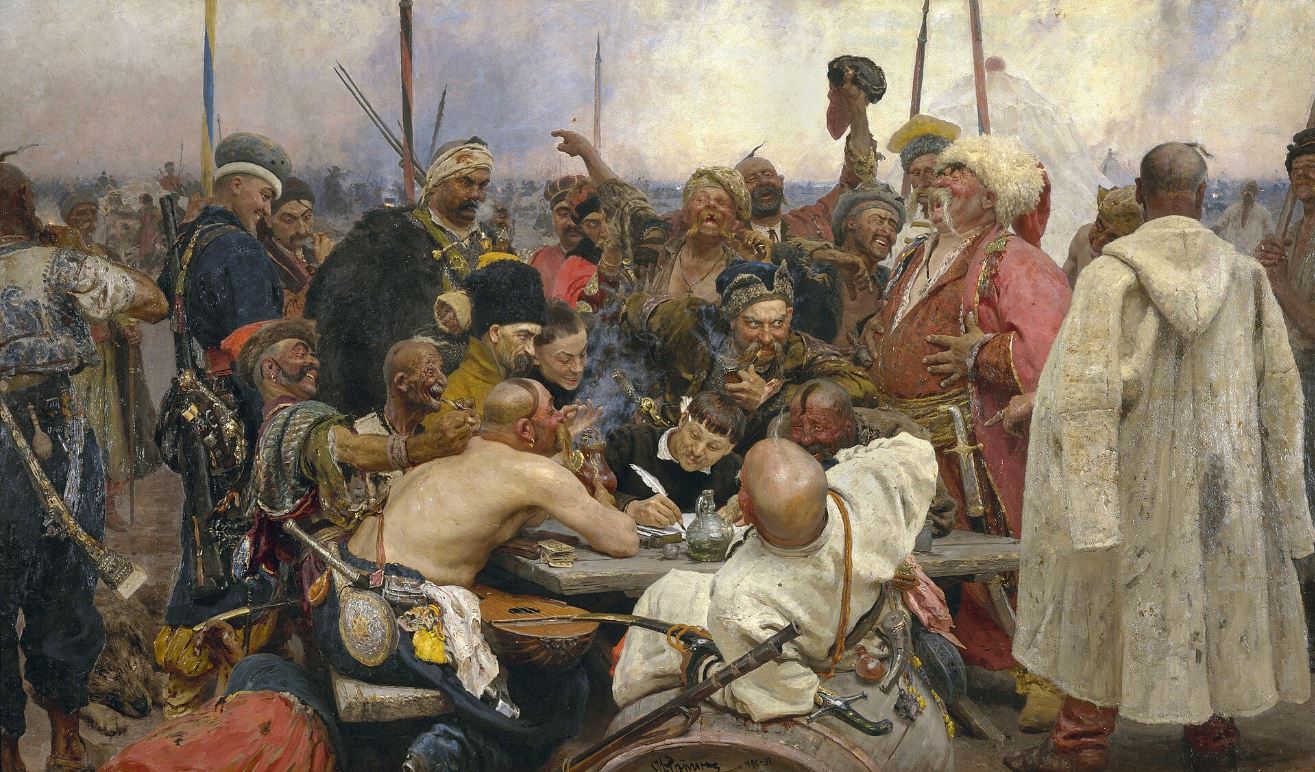
The hopak, for example, is a testament to the heroic spirit of the Cossacks, with its wide jumps, squats, and dizzying spins capturing the bravery and athleticism of these legendary warriors. The kozachok, meanwhile, showcases the playful and flirtatious side of Ukrainian youth, with its rapid footwork and dynamic interplay between dancers.
What unifies these household dances is their reliance on a shared vocabulary of movements, from the "tinkles" and "cabbage rolls" to the "squats" and "stars." These signature steps, honed over generations, form the building blocks of Ukrainian folk choreography, allowing for endless variations and improvisations.
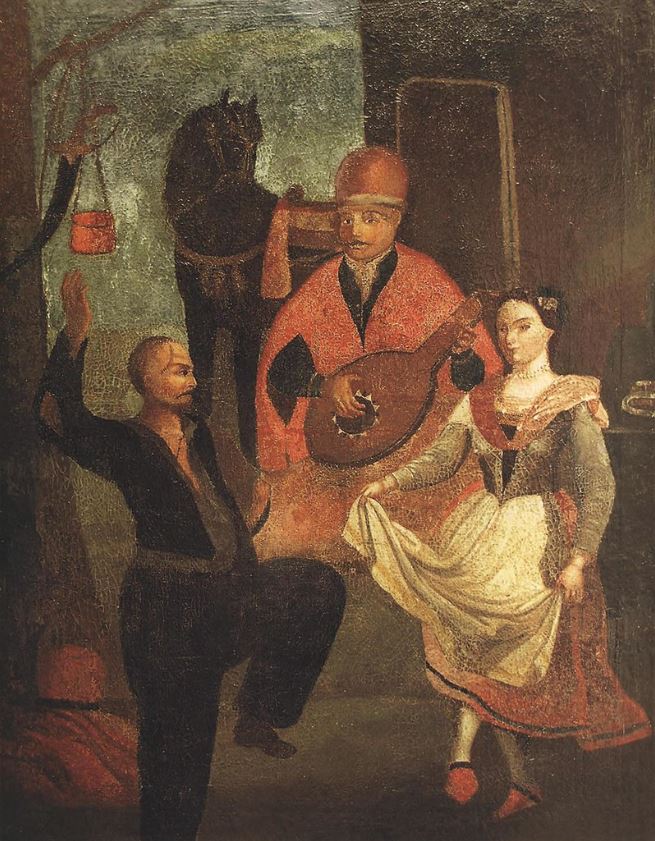
The melodies that accompany these dances are equally captivating, with their driving rhythms and virtuosic flourishes. The rhythmic formula of the anapest, with its distinctive triplet pattern, is a hallmark of many household dance tunes, lending them a sense of infectious energy and momentum.
Story Dances: Narratives in Motion
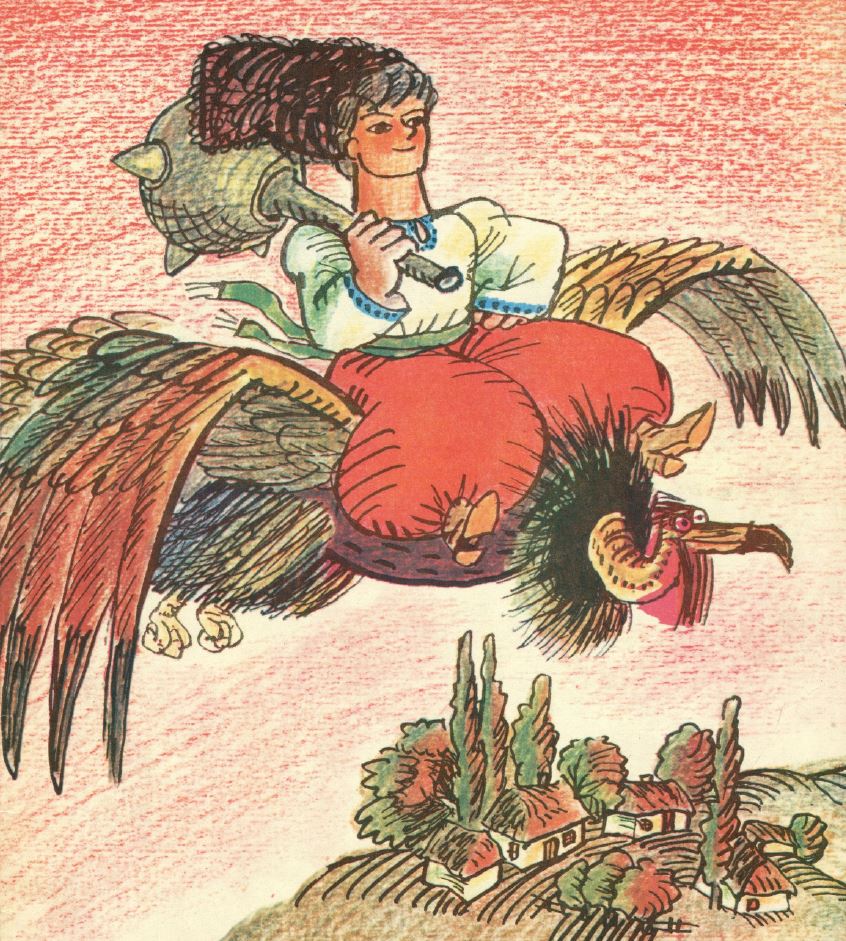
While round dances and household dances offer a glimpse into the communal and individual experiences of the Ukrainian people, the story dances take this storytelling tradition to new heights. These choreographic narratives, often named after specific professions or folk heroes, use movement to depict the trials, triumphs, and everyday lives of the working class.

In dances like "Lumberjacks" and "Flax," performers use pantomime, gestures, and a carefully choreographed sequence of figures to recreate the rhythms and processes of manual labor. The "Opryshky" and "Arkan" dances, on the other hand, celebrate the bravery and resistance of Ukrainian folk heroes, with their bold, heroic movements and dramatic flourishes.
What sets the story dances apart is their ability to transcend the purely aesthetic and engage the viewer on a deeper, more emotional level. By weaving together dance, music, and narrative, these works become a living, breathing testament to the resilience and ingenuity of the Ukrainian people.
The Enduring Legacy of Ukrainian Folk Dance
The rich tapestry of Ukrainian folk dance has long captivated the attention of artists, choreographers, and composers, both within the country and around the world. From the inclusion of round dances in classical ballets to the incorporation of household dance motifs in symphonic works, the influence of this vibrant tradition can be seen across a wide range of artistic disciplines.
Today, Ukrainian folk dances continue to thrive, with professional and amateur ensembles preserving and evolving these time-honored forms. Choreographers and dancers are constantly pushing the boundaries of the genre, infusing traditional dances with new energy and creativity while remaining true to their cultural roots.

As the world continues to be enchanted by the fiery passion and intricate artistry of Ukrainian folk dance, it is clear that this living tradition will continue to captivate and inspire audiences for generations to come. Whether you're witnessing the graceful swirl of a round dance or the electrifying energy of a household dance, the power and beauty of this art form is sure to leave an indelible mark on your heart and soul.