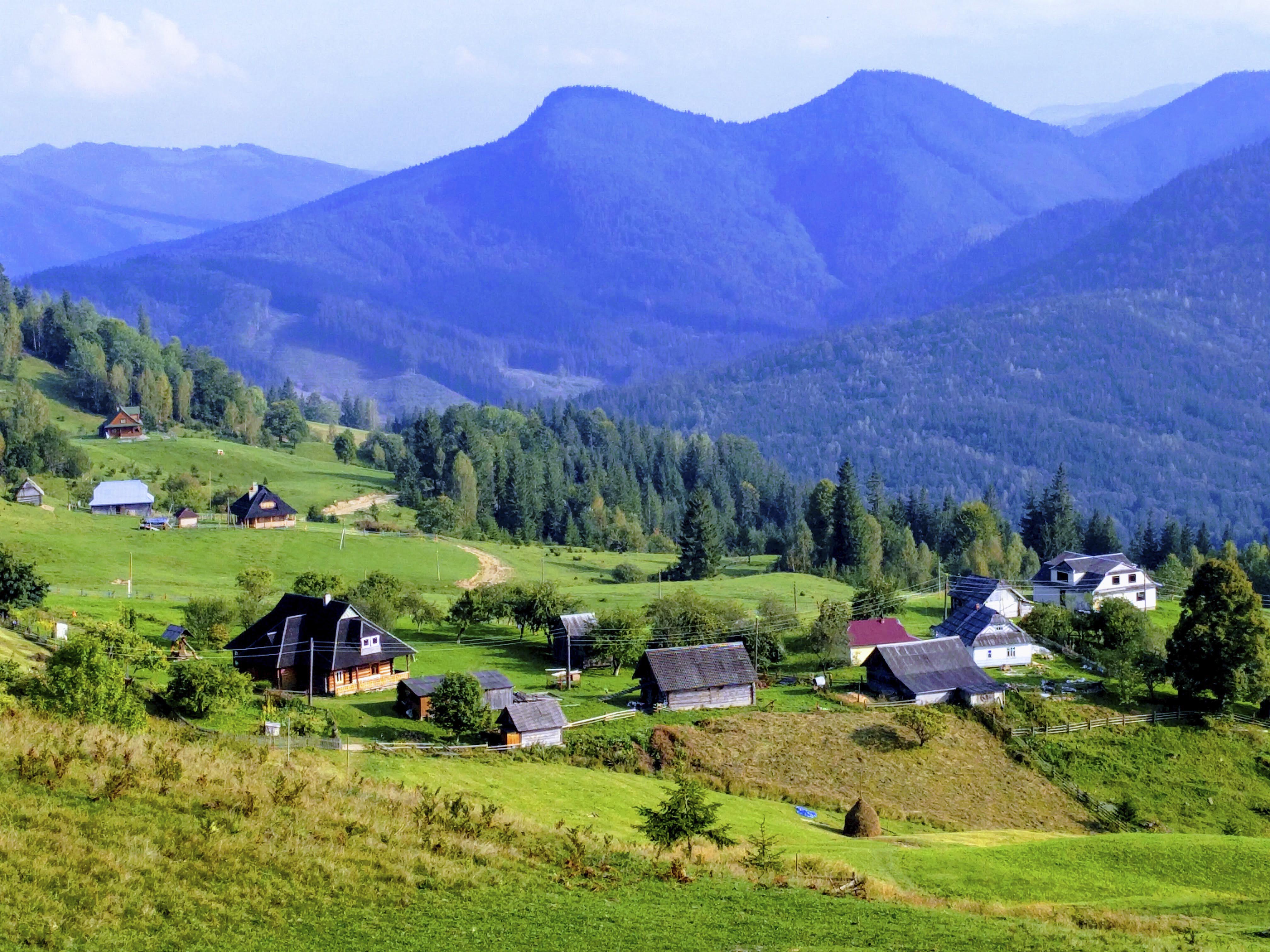
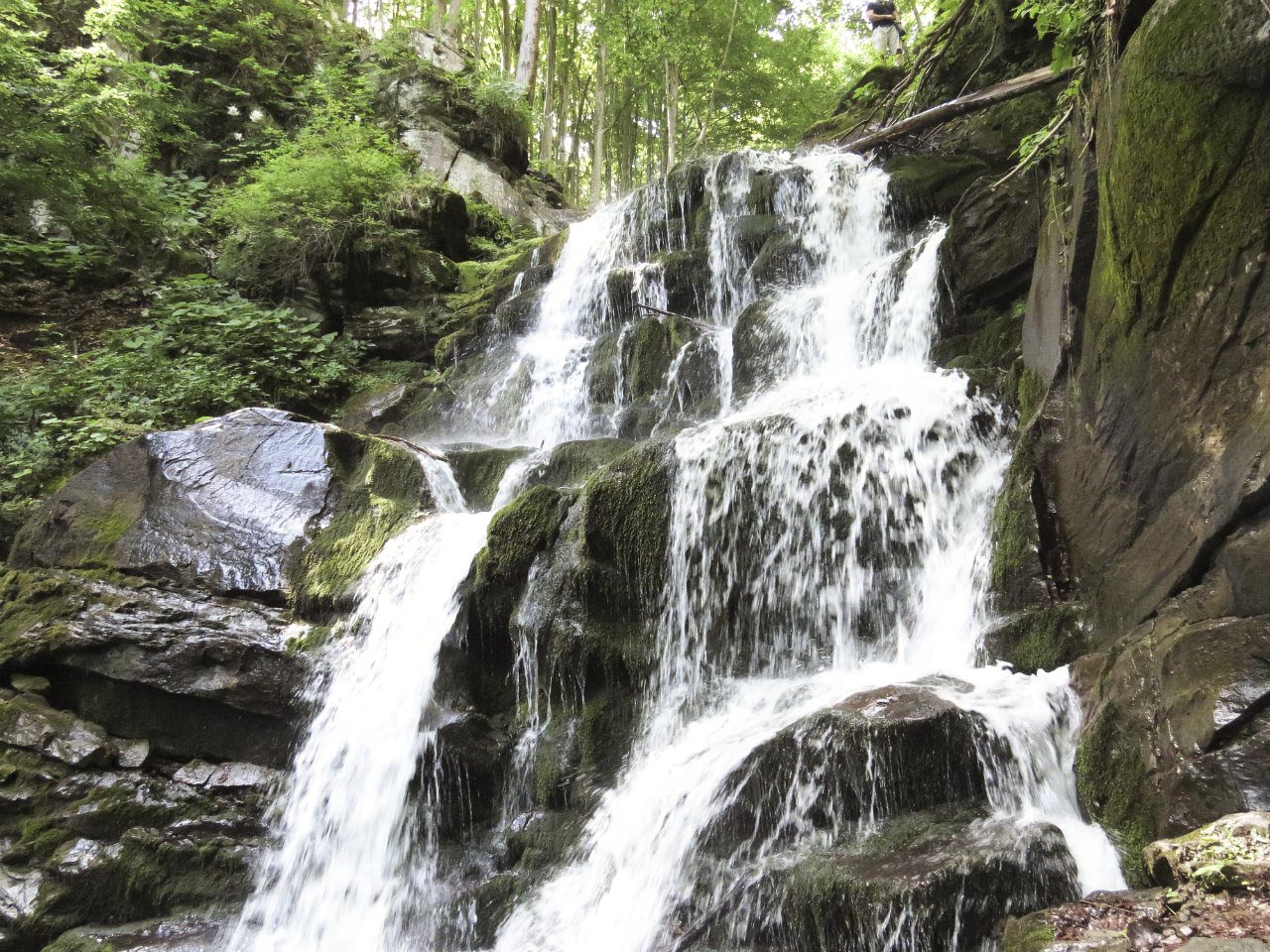
Nestled amidst the lush, rolling hills of the Carpathian Mountains in western Ukraine lies one of the country's most captivating natural wonders - the Shypit Waterfall. Cascading down the slopes of the Borzhava range, this majestic cascade has long been revered as one of the "Seven Natural Wonders of Ukraine," drawing visitors from near and far to marvel at its breathtaking beauty.
The Shypit Waterfall is a true gem of the Carpathian region, showcasing the raw power and untamed splendor of Ukraine's mountainous landscapes. Plunging over 40 feet down a series of rocky ledges, the waterfall's waters crash and churn, creating a mesmerizing display that has captivated the hearts and imaginations of all who witness it. Whether you visit in the spring when the snowmelt swells the flow, or in the winter when the cascading waters partially freeze into icy sculptures, the Shypit Waterfall is a sight to behold in any season.
Beyond its natural allure, the Shypit Waterfall is also steeped in local folklore and legend, with tales of tragic love, supernatural occurrences, and the waterfall's very origins woven into the fabric of the surrounding Hutsul culture. These stories, passed down through generations, add an extra layer of mystique and enchantment to this remarkable natural wonder.
History and Characteristics of the Shypit Waterfall
The Shypit Waterfall is located in the village of Pylypets, within the Mizhhiria district of Ukraine's Zakarpattia Oblast (Transcarpathian region). Situated at an elevation of 996 meters (3,268 feet) above sea level, the waterfall is fed by the Pylypets River, which originates high in the Borzhava mountain range.
The waterfall's name, "Shypit," is derived from the Ukrainian word "shypity," meaning "to hiss" or "to whisper." This evocative moniker aptly describes the distinctive sound created by the waterfall's cascading waters, which seem to "whisper" or "hiss" as they tumble over the rocky ledges. The name also reflects a local legend about the tragic love story of a young couple, Mariyka and Ivan, whose whispered words of affection are said to still be heard at the waterfall's base.
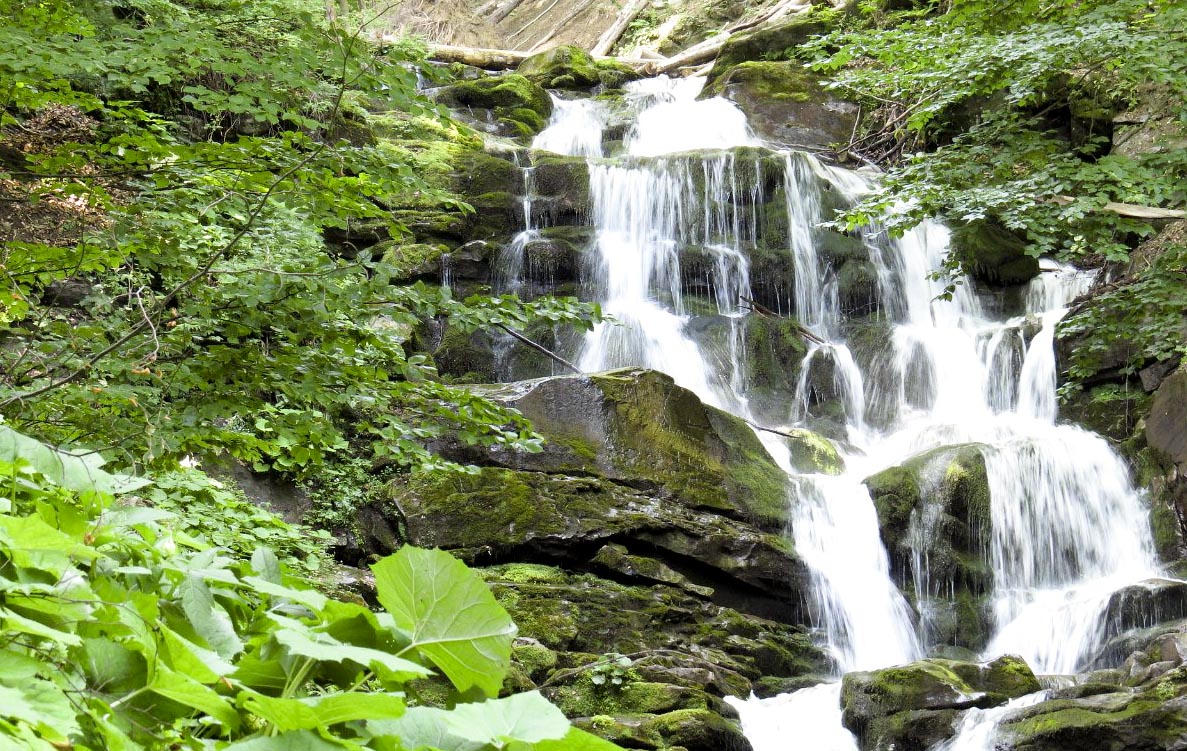
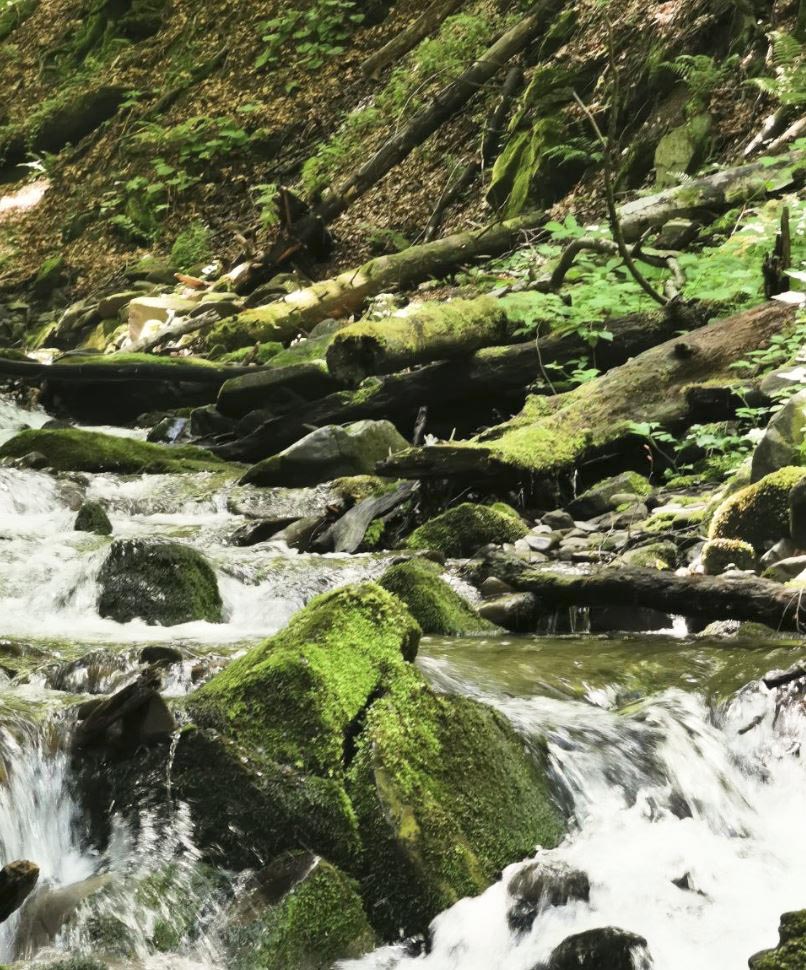
In terms of its physical characteristics, the Shypit Waterfall stands approximately 14 meters (46 feet) tall, with the water flowing in multiple cascades over a series of rocky outcroppings. The waterfall's width can vary significantly depending on the season and water flow, ranging from a mere trickle during the dry summer months to a powerful, thundering torrent during the spring snowmelt or autumn rains.
The best time to visit the Shypit Waterfall is typically in the spring and early summer, when the melting snow and increased precipitation swell the river and create the waterfall's most impressive displays. However, the waterfall is a sight to behold in any season, with the winter months offering a unique perspective as the cascading waters partially freeze, creating a mesmerizing display of icy sculptures and formations.
Legends and Folklore
The Shypit Waterfall is deeply rooted in the rich folklore and legends of the Carpathian region, with stories of its origins and the supernatural occurrences associated with it passed down through generations of local Hutsul communities.
One of the most well-known legends surrounding the Shypit Waterfall is the tragic tale of young lovers, Mariyka and Ivan. According to the story, Mariyka was the daughter of a wealthy family who fell in love with Ivan, a young man from a humble background. Despite their families' objections, the two young lovers would secretly meet at the top of the Vysokyi Verkh mountain, where the Shypit Waterfall now flows.
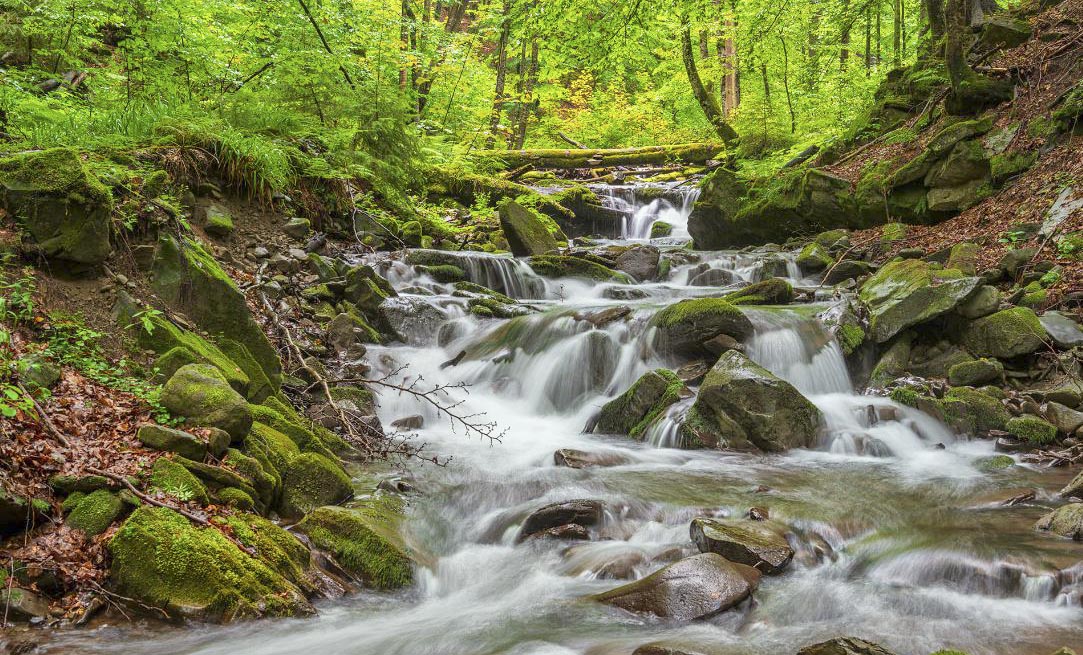
One day, Mariyka's mother discovered the couple's tryst and, in a fit of rage, began hurling curses and incantations at the pair. Suddenly, a powerful storm erupted, with torrential rains and thunderous winds sweeping the lovers into the abyss below. It is said that the Shypit Waterfall was formed in that moment, with Mariyka's and Ivan's whispered words of love forever echoing in the hissing of the cascading waters.
Another legend associated with the Shypit Waterfall involves the supernatural activities of witches. According to local folklore, the area around the waterfall was a popular gathering place for witches, who would hold their Sabbaths and perform rituals in the moonlight. However, the legend goes that the witches were eventually transformed into the large boulders that now surround the waterfall, forever frozen in place as a testament to the power of the natural world.
These captivating legends, steeped in the rich cultural heritage of the Carpathian region, have only added to the Shypit Waterfall's allure and mystique over the centuries. Visitors to the site often report feeling a sense of otherworldly energy and connection to the land, further fueling the waterfall's reputation as a place of profound spiritual significance.
Accessibility and Tourism
Reaching the Shypit Waterfall is a relatively straightforward endeavor for visitors, with several options available depending on one's mode of transportation and desired level of physical activity.
For those arriving by car, the waterfall is accessible via a well-maintained road that leads directly to a parking area near the site. From the parking lot, it is a short, approximately 40-minute hike along a clearly marked trail that winds through the surrounding forests and meadows, ultimately delivering visitors to the waterfall's base.
Alternatively, visitors can opt for a more leisurely approach and arrange for a transfer service or guided tour from nearby towns and resorts. Many of the local hotels and spas, such as the "Zhyva Voda" spa-hotel, offer shuttle services and guided excursions to the Shypit Waterfall, making it an easy and convenient addition to any Carpathian itinerary.
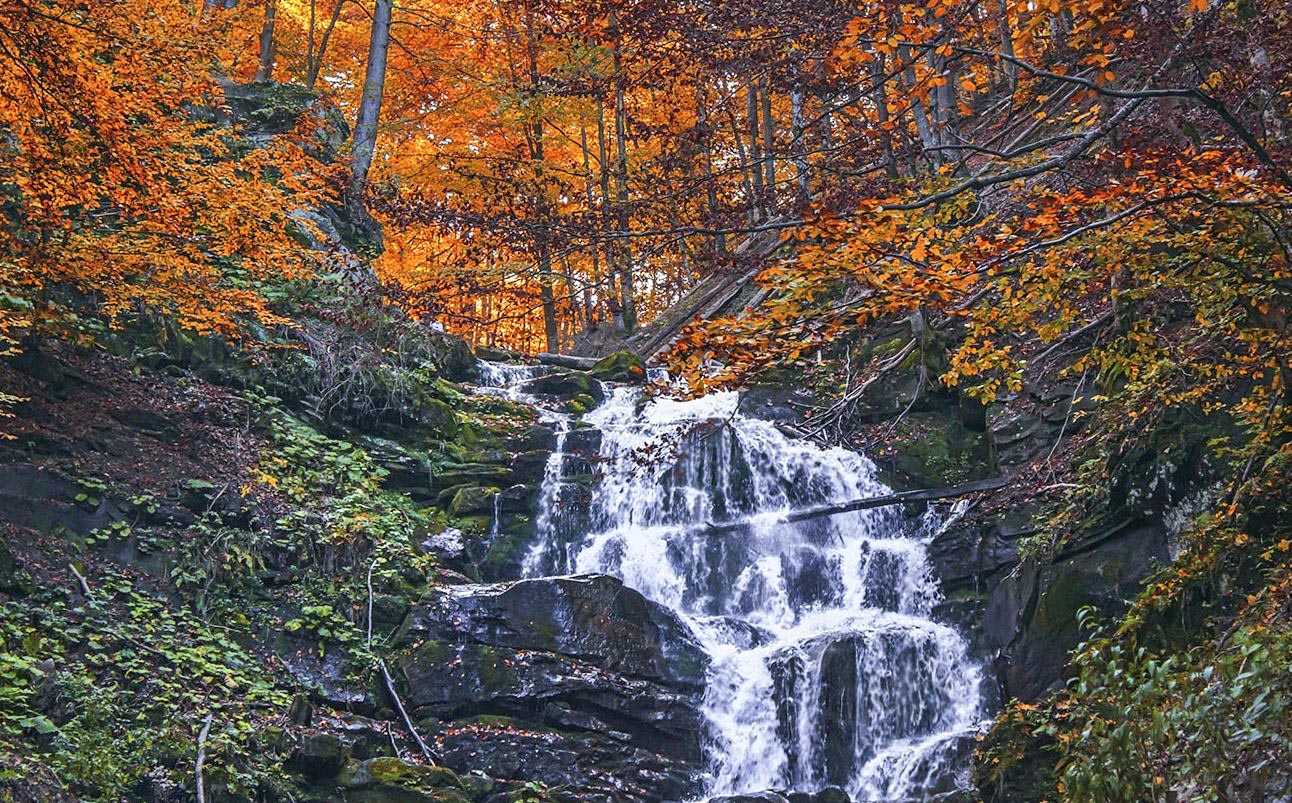
Once at the waterfall, visitors will find a well-developed network of hiking trails, bridges, and viewing platforms that allow for optimal exploration and appreciation of the site. Vendors selling traditional Carpathian souvenirs, snacks, and beverages are also present, catering to the needs of the steady stream of tourists who flock to the Shypit Waterfall each year.
The growing popularity of the Shypit Waterfall as a tourist destination has had a significant impact on the local community of Pylypets. What was once a relatively obscure natural wonder has now become a major economic driver, with the influx of visitors supporting a thriving network of hospitality services, outdoor outfitters, and small businesses. While this development has brought increased prosperity to the region, it has also presented challenges in terms of managing the environmental impact and preserving the delicate balance of the Carpathian ecosystem.
Cultural Significance
For generations, the waterfall has captivated the imaginations of artists, writers, and musicians, who have sought to capture its raw beauty and the mystical aura that surrounds it. Paintings, poems, and musical compositions inspired by the Shypit Waterfall can be found throughout the Carpathian region, each offering a unique interpretation of this natural wonder.
Beyond its artistic influence, the Shypit Waterfall is also deeply tied to the preservation of Hutsul culture and traditions in the Carpathian Mountains. The Hutsuls, an indigenous ethnic group known for their distinctive way of life, have long revered the waterfall as a sacred site, imbuing it with spiritual significance and incorporating it into their folklore and rituals.
The annual "Shypit" music festival, held near the waterfall, is a prime example of how the Shypit Waterfall has become a focal point for the celebration and preservation of Hutsul culture. Attracting thousands of visitors each year, the festival features traditional music, dance, and crafts, as well as a vibrant counterculture community that gathers to embrace the waterfall's natural beauty and mystical energy.
The Shypit Music Festival: A Celebration of Counterculture and Community
Nestled in the shadow of the Shypit Waterfall, a unique and long-standing festival has emerged as a testament to the power of community, creativity, and the enduring spirit of the Carpathian region. The "Shypit" music festival, which has been held annually for over 25 years, has become a beloved gathering place for a diverse array of individuals, from hippies and punks to rastafarians and free-spirited nonconformists, all drawn to the waterfall's captivating natural beauty and the festival's ethos of freedom and self-expression.
The origins of the Shypit festival can be traced back to the 1970s, when a group of hippies from the Soviet Union began organizing informal gatherings and camping trips in the Latvian countryside, drawn to the region's natural splendor and the sense of community and liberation that these events fostered. As the Soviet Union began to crumble and borders were closed, these gatherings gradually migrated to the Ukrainian Carpathians, eventually settling around the Shypit Waterfall in the early 1990s.
The first Shypit festival, organized in 1993 by a couple from Uzhhorod, Charly and Shara, and their close-knit circle of friends, was a modest affair, attracting only a few dozen like-minded individuals from across the former Soviet Union. However, as word of the festival spread, the event quickly grew in size and popularity, drawing participants from as far afield as the United States, Germany, and beyond.
Today, the Shypit festival is a sprawling, self-organized gathering that attracts upwards of 3,000 people each year, representing a diverse array of subcultures and counterculture movements. From hippies and punks to rastafarians and free-spirited nonconformists, the festival has become a melting pot of alternative lifestyles and worldviews, all united by a shared appreciation for the Shypit Waterfall's natural beauty and the festival's ethos of freedom, self-expression, and community.
One of the most striking aspects of the Shypit festival is its complete lack of formal organization or sponsorship. Unlike many modern music festivals, which are often heavily commercialized and tightly controlled, the Shypit event has remained a truly grassroots, self-organized affair, with no central authority or hierarchical structure. Instead, the festival operates on a principle of self-governance, with participants taking responsibility for their own needs and contributing to the overall well-being of the community.
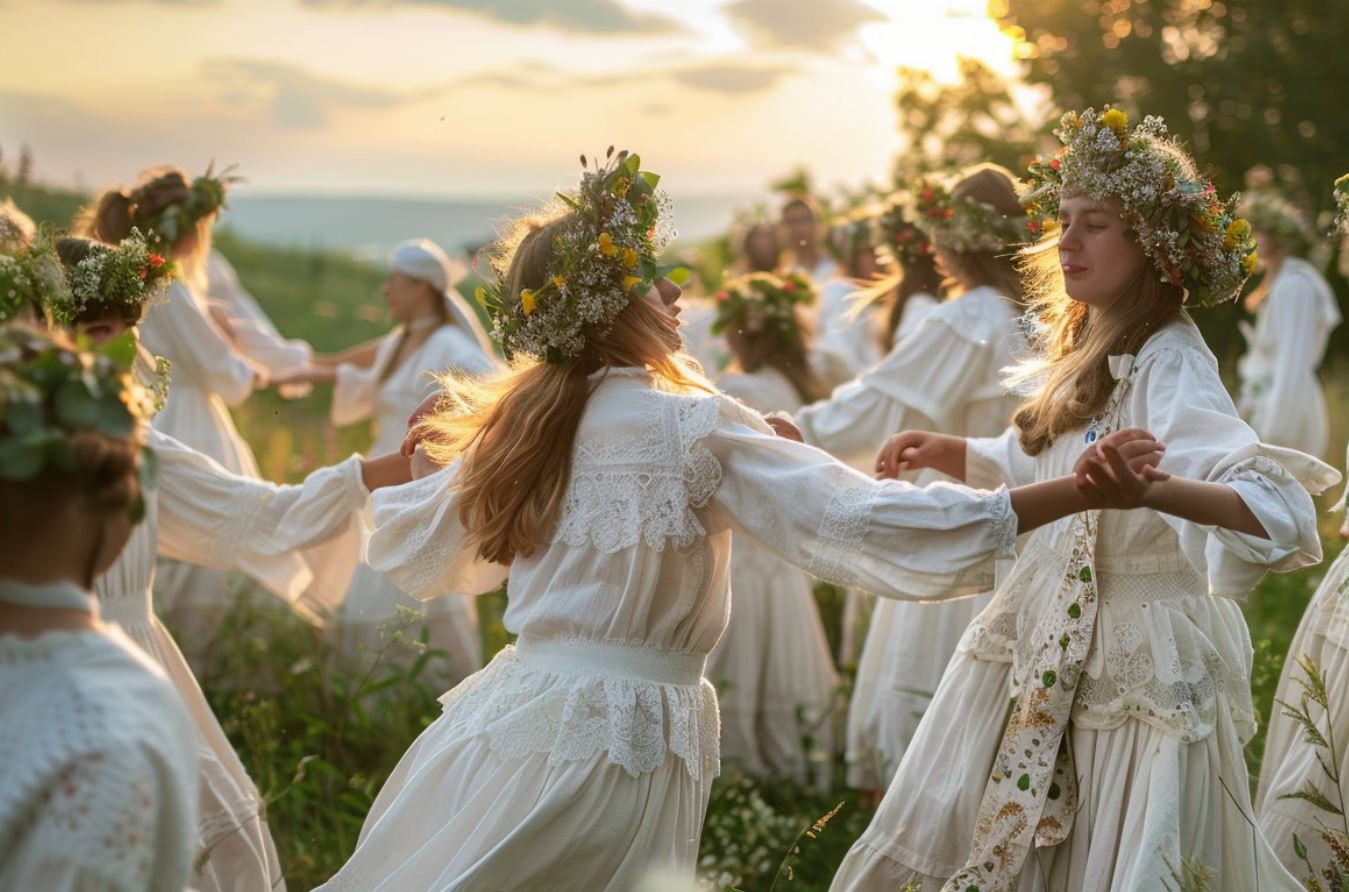
One of the festival's most anticipated events is the annual celebration of the Kupala Night, a traditional Slavic solstice festival that holds deep cultural significance for the Hutsul people of the Carpathian region. On the eve of July 6th, the Shypit festival comes alive with a spectacular display of fire and ritual, as participants gather to build a massive bonfire, known as a "vatry," and engage in a variety of traditional Kupala Night activities.
As the sun sets, the men of the festival work together to construct the towering vatry, carefully arranging the dry wood and branches in a specific pattern to ensure a dramatic and long-lasting blaze. Meanwhile, the women of the festival weave elaborate flower crowns and garlands, which they will later float on the nearby river or waterfall, in keeping with the Kupala Night tradition.

As darkness falls, the vatry is lit, and the festival grounds erupt in a frenzy of music, dance, and celebration. Participants gather around the roaring fire, playing drums, guitars, and other traditional instruments, while others shed their clothes and leap over the flames, embracing the primal energy of the occasion. The sound of chanting, laughter, and the crackle of the fire fill the air, creating an atmosphere of unbridled joy and spiritual connection.
The Shypit Waterfall is a true gem of the Ukrainian Carpathians, a natural wonder that has captivated the hearts and imaginations of visitors for generations. From its majestic cascades to the rich tapestry of legends and folklore that surround it, the Shypit Waterfall is a testament to the raw power and enduring beauty of the region's landscapes.
Beyond its physical allure, the Shypit Waterfall holds deep cultural significance, serving as a source of inspiration for artists, writers, and musicians, and as a focal point for the preservation of Hutsul traditions and identity. The annual "Shypit" music festival, with its vibrant counterculture community and celebration of the waterfall's natural splendor, further underscores the site's importance as a cherished cultural landmark.