
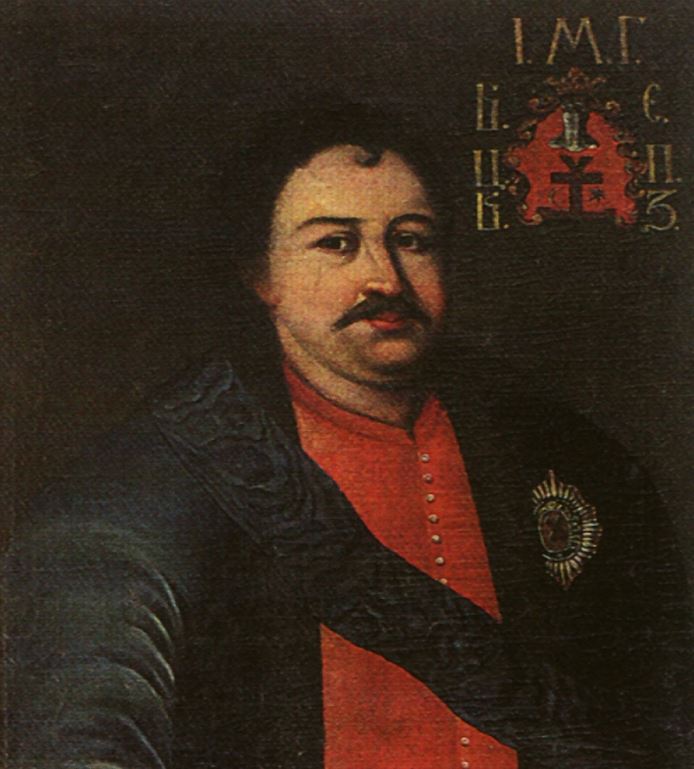
In the annals of Ukrainian history, few figures loom as large and as controversial as Hetman Ivan Mazepa. A skilled military commander, shrewd political strategist, and patron of the arts, Mazepa's legacy has been the subject of intense debate and interpretation for centuries. At the heart of this debate is the question of his infamous defection to the Swedish King Charles XII during the Great Northern War, an act that led to his excommunication and anathematization by the Russian Orthodox Church.
The story of Mazepa's fall from grace is a complex one, intertwined with the geopolitical tensions of the early 18th century and the ongoing struggle for Ukrainian autonomy. As the ruler of the Cossack Hetmanate, a semi-autonomous Ukrainian state under the nominal suzerainty of the Russian Tsardom, Mazepa had carefully navigated the treacherous waters of regional power politics. He had cultivated close ties with both the Russian Tsar and the Polish-Lithuanian Commonwealth, all the while seeking to expand the Hetmanate's influence and secure its independence.
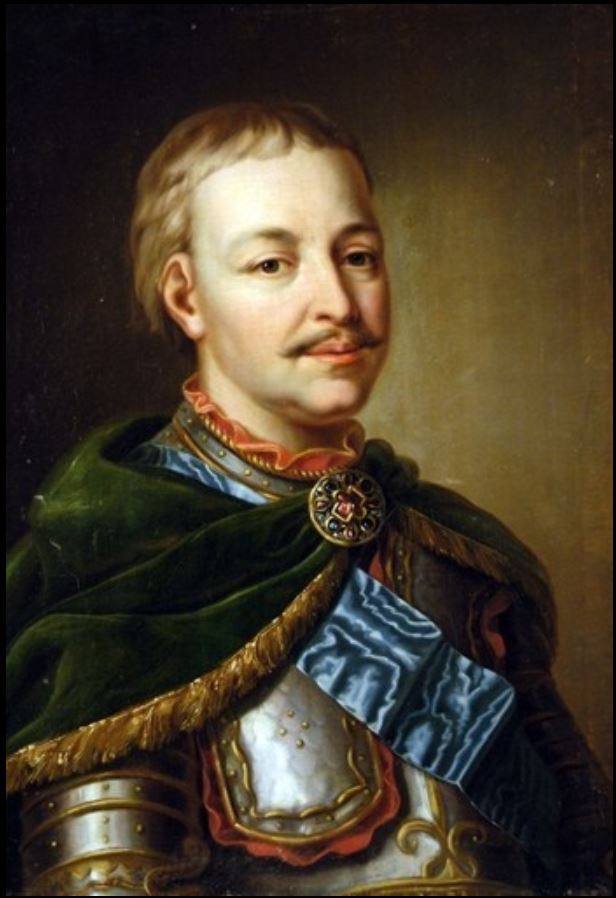
However, as the Great Northern War erupted between Russia and Sweden, Mazepa found himself caught in the crossfire. Sensing an opportunity to break free from Russian dominance, he made the fateful decision to align himself with the Swedish King, Charles XII, in a bid to establish an independent Ukrainian state. This move, though driven by pragmatic considerations, was seen as an act of treason by the Russian Orthodox Church, which promptly excommunicated Mazepa and placed him under anathema, the highest form of ecclesiastical censure.
The consequences of this anathema were far-reaching, both for Mazepa himself and for the broader Ukrainian nationalist movement. Branded as a traitor and heretic, Mazepa's name became synonymous with betrayal and disloyalty, a stain that would haunt the Ukrainian aspirations for independence for centuries to come.
The impact of the anathema was not merely symbolic; it had very real political and social ramifications. The Russian Orthodox Church's condemnation of Mazepa served to legitimize the Tsarist regime's crackdown on Ukrainian autonomy, as it sought to consolidate its control over the region. The Hetmanate's institutions were gradually dismantled, and the Ukrainian elite were subjected to increased russification and repression.
Moreover, the anathema cast a long shadow over the collective Ukrainian psyche, shaping the way in which the nation's history and identity were perceived, both internally and externally. The specter of Mazepa's betrayal became a powerful tool in the hands of those who sought to undermine Ukrainian nationalism, as they could point to the Hetman's defection as evidence of the inherent instability and unreliability of the Ukrainian people.
This legacy of the anathema has persisted well into the modern era, with the debate over Mazepa's legacy continuing to be a source of controversy and contention. Some have sought to rehabilitate his image, arguing that his actions were motivated by a genuine desire for Ukrainian independence and that the anathema was a political tool used to suppress Ukrainian aspirations. Others, however, have remained steadfast in their condemnation of Mazepa, seeing him as a traitor who betrayed his oath and his people.
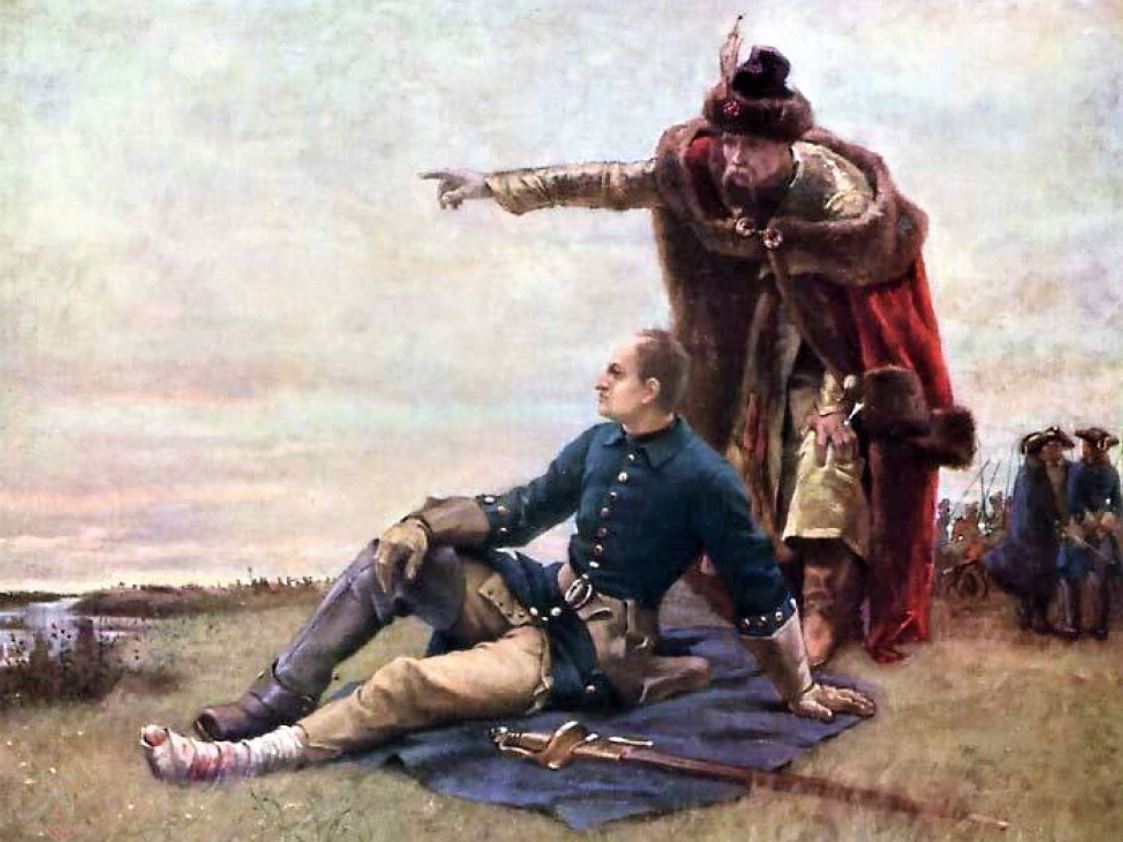
The question of whether the Church's anathema on Mazepa has truly haunted Ukraine's aspirations for centuries is a complex one, with no easy answers. On the one hand, the legacy of the anathema has undoubtedly cast a long shadow over Ukrainian nationalism, making it more difficult for the country to assert its independence and identity. The stigma of Mazepa's betrayal has been a powerful weapon in the hands of those who seek to undermine Ukrainian autonomy, and the Church's condemnation has been used to justify the suppression of Ukrainian cultural and political expression.
On the other hand, the anathema has also served as a rallying cry for Ukrainian patriots, who have sought to reclaim Mazepa's legacy and reframe it as a symbol of resistance against foreign domination. The Hetman's defection to Sweden has been interpreted by some as a bold and principled stand for Ukrainian self-determination, and his subsequent martyrdom has become a touchstone of Ukrainian national identity.
Ultimately, the legacy of Mazepa's anathema is a complex and multifaceted one, reflecting the broader tensions and struggles that have shaped Ukraine's history. Whether the Church's condemnation has truly haunted the country's aspirations for centuries is a matter of perspective, but it is clear that the Hetman's legacy continues to be a subject of intense debate and interpretation, both within Ukraine and on the global stage.
As Ukraine continues to navigate the challenges of the 21st century, the question of Mazepa's legacy and the lasting impact of the anathema remains a crucial one. The country's ongoing efforts to assert its independence and forge a distinct national identity are inextricably linked to the complex and often contradictory ways in which the Hetman's legacy has been remembered and memorialized. Understanding the nuances and complexities of this legacy is essential for Ukraine as it seeks to chart a course towards a more secure and prosperous future.