


Article Index
Holy Evening, also known as Christmas Eve, is one of the most significant Christian celebrations, observed on the evening before the Nativity of Christ. The date of this celebration varies among different churches, depending on their calendar systems. Western and Eastern churches that follow the Gregorian and New Julian calendars celebrate Holy Evening on December 24, while Eastern churches adhering to the Julian calendar observe it on January 6.
The tradition of serving twelve dishes on Christmas Eve is a cherished custom in Ukraine, deeply rooted in the Christian faith. This festive meal is a profound symbol, representing the twelve apostles who were central to the teachings of Jesus Christ. The act of sharing these twelve dishes fosters a sense of unity and gratitude, reinforcing the values of love and togetherness that are central to the Christmas celebration.
Among those twelve dishes, kutia and uzvar hold the most important ceremonial status. Kutia, a sweet grain dish typically made from wheat, poppy seeds, honey, and nuts, symbolizes abundance and the hope for prosperity in the coming year. Uzvar, a traditional fruit compote made from dried fruits, represents the warmth of family ties and the sweetness of life. Together, these dishes set the spiritual tone for the evening, inviting reflection and gratitude.
While kutia and uzvar are staples of the meal, the remaining dishes can vary widely depending on regional customs and family traditions. This diversity reflects the rich cultural tapestry of Ukraine, where each family may have its own unique recipes and variations. Commonly included dishes might feature fish, cabbage rolls, borscht, and various grain-based meals. The emphasis on vegetarian ingredients underscores the solemnity of the occasion, as Christmas Eve falls on the last day of the Philip's Fast.
To honor the cherished tradition of Sviat Vechir (Holy Supper), we proudly present a collection of twelve beloved Ukrainian dishes. These dishes, steeped in history and culture, bring families together around the table, creating an atmosphere of warmth and unity during this sacred celebration.
1. Kutia: The Heart of Ukrainian Christmas Eve Traditions
Kutia is an integral part of the Sviat Vechir on Christmas Eve, marking the beginning of the festive season. The dish is believed to have deep symbolic significance, representing the cycle of life, fertility, and the connection between the living and their ancestors. Placing the kutia on the ceremonial table, known as the "pokuttia," is a sacred act that honors this ancestral legacy.
The rituals and beliefs surrounding the preparation and consumption of kutia are deeply rooted in the cultural fabric of Ukrainian and Slavic communities. In some regions, the act of cooking the kutia is imbued with specific practices and superstitions.
For instance, in parts of Ukraine, the woman of the household is expected to "cluck" like a hen while stirring the kutia, mimicking the sound of a brooding hen. This gesture is believed to ensure a bountiful harvest and the prosperity of the household's poultry in the coming year.
The way the kutia is served and consumed can hold significant meaning. In some areas, the first spoonful of kutia is traditionally offered to the family's eldest member, as a sign of respect and to seek their blessing. In other traditions, the number of spoonfuls consumed is believed to be directly linked to one's longevity, with more spoonfuls indicating a longer life.
The traditional preparation of kutia, a symbolic dish of the Slavic winter holidays, involves meticulous steps passed down through generations. The foundation of this ritual dish is the cooked grains, typically wheat or barley.

Cooking the Grains:
The process begins by carefully selecting and preparing the grains. The wheat or barley is first cleaned, removing any impurities. It is then soaked in water overnight to soften the kernels. In the morning, the soaked grains are drained and transferred to a heavy-bottomed pot. Fresh water is added, and the pot is placed on a gentle heat. The grains are simmered for 2-3 hours, stirring occasionally, until they become soft and tender, absorbing the water. The key is to ensure the grains are cooked through without becoming mushy.
Preparing the Other Ingredients:
Alongside the cooked grains, traditional kutia includes a variety of other ingredients, each with its own significance and preparation method.
Poppy Seeds: The poppy seeds are an integral part of kutia, representing fertility and abundance. They are traditionally ground in a mortar and pestle, known as a makitra, to release their rich, nutty flavor and creamy texture.
Honey: Honey is added to the kutia, symbolizing sweetness and prosperity for the new year. The honey used is often a blend of different floral varieties, such as buckwheat and wildflower, to create a complex and balanced flavor.
Nuts: Walnuts, almonds, or hazelnuts are commonly incorporated into kutia, providing a crunchy texture and nutty aroma. These nuts are typically roasted or lightly toasted before being chopped or crushed.
Raisins: Plump, juicy raisins may be added to the kutia, contributing a touch of sweetness and chewy texture. The raisins are sometimes soaked in warm water or fruit juice to plump them up before being incorporated.
Spice Blends: The addition of spices like cinnamon, cardamom, or ginger can add warmth and complexity to the kutia, while still maintaining its traditional essence.
2. Uzvar: The Christmas Eve Drink
Uzvar, a captivating beverage that has been an integral part of Ukrainian culinary heritage for centuries, is a sweet, fragrant delight crafted from an array of dried fruits. This enchanting concoction, also known as "vzvar," "var," "kyselytsya," or "yushka," is a cherished staple in the Ukrainian national cuisine, particularly during the festive season of Christmas.
In the Ukrainian Christmas tradition, uzvar is believed to represent the cycle of life, death, and rebirth. The dried fruits, once vibrant and full of life, have been transformed through the process of drying, only to be reborn in the warm, sweet liquid. This symbolic transformation mirrors the Christian belief in the death and resurrection of Jesus Christ, which is celebrated during the Christmas season.
To create the perfect uzvar for the Christmas Eve table, one must start with a carefully curated selection of dried fruits. The most common ingredients include apples, pears, cherries, plums, and raisins. These sumptuously sweet morsels are first meticulously washed and then soaked in cold water for about 3 hours to enhance their flavor and reduce the cooking time.
Once the fruits have had their time to soak, they are transferred to a large pot and covered with fresh, cold water. The mixture is then brought to a gentle boil, at which point a generous amount of sugar is added to taste. The fragrant aroma of the simmering fruits is often heightened by the addition of a few sprigs of fragrant rosemary, which lend a subtle, earthy note to the concoction.
After the uzvar has simmered for a while, the pot is removed from the heat and allowed to cool slightly, with the rosemary still infusing its essence into the sweet liquid. The result is a rich, velvety elixir that perfectly encapsulates the warmth and comfort of the Christmas season.

Variations on a Timeless Tradition
While the core recipe for uzvar remains relatively consistent across Ukraine, the regional and personal variations of this beloved beverage are what truly make it a unique and captivating experience.
In some households, a touch of honey is added to the uzvar, lending a delicate, floral sweetness that complements the natural sugars of the dried fruits. Others may experiment with the addition of spices, such as cinnamon, cloves, or star anise, which impart a subtle complexity and depth of flavor to the drink.
The choice of dried fruits can also vary depending on personal preference and local availability. Some may opt for a more tart and tangy version, using a higher proportion of sour cherries or plums, while others may favor a sweeter blend, incorporating more apples and pears.
Uzvar's versatility is one of the key factors that has contributed to its enduring popularity. This delightful beverage can be enjoyed both hot and cold, making it a refreshing treat for any time of the year.
When served hot, uzvar is often the centerpiece of the Christmas Eve feast, its steaming, fragrant presence warming the hearts and souls of those gathered around the table. The rich, velvety texture and the comforting sweetness of the drink make it the perfect accompaniment to the traditional Ukrainian Christmas dishes.
3. Delicious Varenyky
Varenyky, the beloved Ukrainian dumplings, have long held a special place in the traditions and celebrations surrounding the Christmas season. These delectable pockets of dough, filled with a variety of savory and sweet ingredients, have been an integral part of the Ukrainian Christmas Eve feast, known as Sviat Vechir, for centuries.
Regardless of the specific regional variations, the preparation and consumption of varenyky on Christmas Eve is a deeply meaningful ritual for Ukrainians. The act of gathering family and friends to make the dumplings together is seen as a way to strengthen the bonds of community and to honor the traditions of the past.
In many households, the preparation of varenyky on Christmas Eve is a multi-generational affair, with grandmothers, mothers, and daughters working side by side to create the perfect dumplings. The process is often accompanied by the singing of traditional Christmas carols and the sharing of stories and memories.
The serving of varenyky on Christmas Eve is also a time-honored tradition. The varenyky are typically served piping hot, with a variety of toppings and accompaniments, such as melted butter, sour cream, fried onions, or even a sprinkle of sugar.

Step-by-Step Guide to Making Different Recipes of Varenyky
To make the basic dough for varenyky, you will need a mixture of flour, water or milk and a pinch of salt. The dough should be kneaded until it becomes smooth and elastic. Once the dough has rested, it can be rolled out into thin sheets and cut into circles or half-moons using a glass or a cookie cutter.
For the potato and cheese filling, simply mash cooked potatoes and mix them with crumbled cottage cheese or farmer's cheese, seasoning with salt and pepper to taste. For the poppy seed filling, grind the poppy seeds in a spice grinder or mortar and pestle, then mix with honey and any desired dried fruits or nuts.
To assemble the varenyky, place a small spoonful of the filling in the center of each dough circle or half-moon. Fold the dough over the filling and crimp the edges to seal them tightly. Be sure not to overfill the varenyky, as this can cause them to burst during cooking.
Once the varenyky are assembled, they can be boiled in salted water until they float to the surface, indicating they are cooked through. Drain the varenyky and toss them with a bit of melted butter or oil to prevent them from sticking together.
4. Holubtsi: Festive Cabbage Rolls
The preparation and serving of holubtsi, a beloved Ukrainian dish, holds a special place in the traditions and customs surrounding the Christmas Eve feast. Across the diverse regions of Ukraine, this delectable dish takes on unique regional variations, reflecting the rich cultural heritage of the country.
The key ingredients used in the preparation of holubtsi for the Christmas Eve feast are typically cabbage, rice, mushrooms, onions, and a variety of seasonings.
To begin, the cabbage leaves are carefully separated from the head, either by blanching the whole cabbage or by carefully removing the individual leaves. The thicker veins of the leaves are often trimmed or pounded to make them more pliable for rolling.
The filling is then prepared by sautéing the onions and mushrooms, and then mixing them with the cooked rice. Seasonings such as salt, pepper, and various herbs are added to the filling to enhance the flavors.

The prepared filling is then carefully placed onto the cabbage leaves, and the leaves are tightly rolled and secured, creating the signature "holubtsi" shape. In some regions, the rolled holubtsi are then lightly browned in a pan before being transferred to a baking dish or pot for the final cooking process.
The holubtsi are then simmered in a broth or sauce, which can be as simple as a mixture of water and vinegar, or as complex as a rich tomato-based sauce. The cooking time can vary, but the goal is to ensure that the cabbage leaves become tender and the filling is thoroughly cooked.
In the Poltava region, the preferred method is to make large holubtsi, using an entire cabbage leaf to wrap the filling. The Poltava cooks believe that this results in a more succulent and flavorful dish. On the other hand, in the Podillia and Carpathian regions, the cabbage leaves are often divided into several smaller portions, with the belief that this creates a more delicate and visually appealing presentation.
Also in the Carpathian region, the holubtsi served on Christmas Eve are often made with "kryzhavky" - fermented or pickled cabbage heads. The filling for these "kvasheni" (fermented) holubtsi typically consists of a mixture of rice and mushrooms, which cook at the same rate as the fermented cabbage leaves. This ensures a harmonious blend of flavors and textures.
The holubtsi served on the Christmas Eve table are often presented in a visually stunning manner. In some regions, the holubtsi are arranged in a circular pattern, with the rolls standing upright, creating a beautiful and appetizing display.
5. Traditional Heartwarming Mushroom Soup ("Grybna Yushka")
Among the twelve traditional dishes, mushroom soup or "grybna yushka" holds a special place. Mushrooms are abundant in Ukraine's forests and have been foraged by generations. The use of mushrooms in this soup showcases the natural bounty of the land and reflects the Ukrainian practice of preparing meatless meals during the Advent season.
Mushroom soup is typically made with dried mushrooms, which are often hand-picked from the forests. Varieties such as porcini, chanterelles, and other mushrooms are used, each contributing a unique flavor profile. The preparation involves soaking dried mushrooms to rehydrate them, then simmering them with vegetables like carrots, onions, and potatoes. Sometimes, barley or rice is added for heartiness, and herbs like dill or parsley enhance the aroma.
A large pot is placed on the stove in anticipation of the cooking process. The soaked mushrooms are combined with their reserved soaking liquid and fresh water, creating a fragrant base that simmers gently for approximately one and a half hours.

While the mushrooms simmer, attention shifts to the vibrant vegetables that will enhance the soup. Onions are peeled and diced into uniform pieces, their sharp scent promising sweetness upon cooking. A large carrot is grated, its bright orange hue adding both color and a hint of sweetness to the dish. These vegetables are essential for balancing the deep flavors of the mushrooms.
In a skillet, sunflower oil is heated until it shimmers, ready to embrace the diced onions. The onions are sautéed until they become translucent, releasing a fragrant aroma that fills the air. The grated carrot is then added, sizzling in harmony with the onions until both vegetables are tender and slightly caramelized - a golden mixture that enriches the soup's profile.
As the mushrooms continue to simmer, it is time to combine all components. The broth is seasoned with salt and freshly ground black pepper, enhancing its character. The sautéed onions and carrots are gently stirred into the pot, allowing their flavors to meld seamlessly with those of the mushrooms.
To elevate this comforting dish further, minced garlic is incorporated during the final moments of cooking. Its pungent aroma intertwines beautifully with the earthiness of the mushrooms. Fresh herbs - dill and parsley - are chopped and folded into the soup just before serving, their vibrant green colors brightening up the rich broth.
Once complete, the yushka emerges as a harmonious blend of flavors. Each spoonful offers warmth and comfort, embodying the spirit of Sviat Vechir.
6. Fish Dishes
Fish, in the Ukrainian cultural and spiritual context, holds a profound significance on Sviat Vechir. Historically, the consumption of fish on this occasion was not merely a matter of sustenance but rather a deeply rooted tradition that connected the present with the past. In the pre-Christian era, fish were revered as sacred creatures, imbued with a sense of divinity and mysticism.The presence of fish on the Sviat Vechir table was believed to facilitate a connection between the physical and the divine.
Carp or Pike: The Centerpiece of Sviat Vechir
Among the myriad of fish dishes that grace the Sviat Vechir table, the baked or fried carp or pike holds a particularly prominent position. The fish is typically cleaned, scaled, and stuffed with a savory mixture of breadcrumbs, onions, garlic, and a variety of aromatic herbs and spices. The stuffed fish is then carefully arranged in a baking dish or pan, drizzled with a generous amount of butter or oil, and roasted to perfection in the oven.
The aroma of the baking fish, mingled with the fragrance of the stuffing, fills the air, creating a sense of anticipation and excitement among the gathered family and friends. As the fish emerges from the oven, its golden-brown skin glistening and the meat falling off the bone with ease, it becomes the centerpiece of the Sviat Vechir feast.

Herring: A Beloved Sviat Vechir Delicacy
Alongside the iconic carp or pike, another fish dish that holds a cherished place on the Sviat Vechir table is the humble yet flavorful herring. Marinated in a tangy and aromatic brine, the herring is a beloved staple that has graced Ukrainian Christmas Eve tables for a long time.
Served alongside boiled potatoes and thinly sliced onions, the marinated herring is a simple yet satisfying dish that embodies the essence of Sviat Vechir. The combination of the briny, succulent herring, the starchy potatoes, and the sharp, pungent onions creates a harmonious balance of flavors that perfectly complements the other dishes on the Sviat Vechir table.
7. Borscht with Dumplings
One of the cherished Christmas recipes in Ukraine is borscht with dumplings, a dish that embodies the warmth and spirit of family gatherings during the holiday season. This vibrant beet soup paired with delightful dumplings known as "vushka" (ears) offers a rich flavor and represents a deep cultural heritage that is shared among loved ones during festive celebrations.
The Heart of Borscht
To prepare this traditional borscht, you will need 2-3 beets, an onion, parsley, a carrot, a slice of cabbage, 1 tablespoon of oil, 1 tablespoon of flour, 2 dried mushrooms, beet kvass, salt, sugar, and a bay leaf. The preparation begins with making beet kvass by cleaning and chopping the beets, then placing them in a jar filled with cold water. A piece of black bread is added, and the mixture is left to ferment for 6-7 days in a warm place until it develops a pleasant taste.
For the borscht itself, the beets and other vegetables are cleaned and chopped before being boiled in 2 liters of water. They are cooked until tender, after which the boiled beets are grated and mixed with the broth. In a separate pan, sauté the chopped onion and grated carrot in oil until softened, then add them to the pot along with the diced cabbage and rehydrated mushrooms. The soup is seasoned with salt, sugar, and a bay leaf before being allowed to steep for enhanced flavor.Once the soup has simmered for a while and the flavors have melded together, it's time to add the fermented beet kvass. Pour in 1-2 cups of kvass, stirring gently to incorporate it into the dish. This addition not only enhances the flavor but also gives the borscht its signature tangy note. Allow the borscht to simmer for an additional 10 minutes to fully integrate the kvass before serving.
Finally, serve the borscht hot, garnished with fresh parsley and a generous dollop of sour cream for a rich, creamy finish. Just before serving, pour the vibrant soup over the delicate dumplings known as "vushka." This creates a comforting and delightful dish that pairs beautifully with crusty bread. Enjoy!

The "Vushka": Dumplings Filled with Delight
The "vushka" are small dumplings that can be traditionally filled with either herring or mushrooms. To make the dough for the duplings, you will need 300 grams of flour and water. The flour is sifted and mixed with warm water to create an elastic dough. It is then rolled out thinly and cut into 4x4 cm squares. A filling is placed in each square before folding it into a triangle and pinching the edges to resemble ears.
For the herring filling, herring is soaked overnight in tea, then cleaned and finely chopped. Sautéed onions are combined with breadcrumbs and mixed with the herring, seasoned with salt and pepper. For the mushroom filling, dried white mushrooms are soaked overnight, boiled in the same water, chopped finely, and mixed with sautéed onions.
Once prepared, the ears are boiled in plenty of water until they float to the surface.
8. Pampushky: The Garlic-Flavored Bread Rolls
Pampushky is a popular Ukrainian delicacy that has been enjoyed for centuries. These small, round and pillowy bread rolls are an integral part of Ukrainian cuisine and are closely associated with the country's rich culinary traditions and festive celebrations.
The traditional recipe for pampushky calls for a simple yet delicious yeast-based dough. The main ingredients typically include:
- Wheat flour: The foundation of the dough, usually a combination of all-purpose and bread flour for the perfect texture.
- Yeast: Active dry yeast or fresh yeast is used to create the light and airy dough.
- Warm water or milk: The liquid component that activates the yeast and binds the dough together.
- Sugar: A small amount of sugar helps to feed the yeast and adds a subtle sweetness to the bread rolls.
- Salt: A pinch of salt enhances the overall flavor.
- Vegetable oil or melted butter: This fat component contributes to the soft and tender crumb of the pampushky.

Shaping and baking the pampushky
Once the yeast dough is prepared, it is left to rise until it has doubled in size. The dough is then gently punched down and divided into small, equal-sized portions. Each portion is carefully shaped into a round, smooth ball, often using a gentle rolling motion between the palms.
The shaped pampushky are then placed on a baking sheet, usually lined with parchment paper or a silicone mat, and left to proof for a second time. This allows the dough to rise and develop a light, airy texture.
Finally, the pampushky are baked in a preheated oven until they achieve a beautiful golden-brown color and a delightful, pillowy texture.
Garlic-herb topping
The crowning glory of pampushky is the fragrant garlic-herb topping that is generously drizzled or brushed over the freshly baked bread rolls. This topping is a blend of finely minced garlic, fresh herbs (such as parsley, dill, or chives), and a generous amount of high-quality olive oil or melted butter.
The warm pampushky absorb the flavorful garlic-herb mixture, creating a mouthwatering combination of savory, aromatic, and slightly crisp elements on the outside, while maintaining a soft and tender interior.
Pampushky are traditionally served alongside the iconic Ukrainian beet-based soup, borshch. The warm, fluffy bread rolls are the perfect accompaniment to the rich, tangy, and deeply flavorful borshch, providing a delightful contrast in texture and temperature.
9. Pyrizhky (Pastries with Filling)
Among the many dishes that grace the festive table pyrizhky hold a special place. These delightful pastries, often filled with a variety of ingredients, embody the spirit of Ukrainian hospitality and culinary heritage. One of the most beloved fillings is mushrooms and onions, which provides a hearty flavor and aligns with the tradition of meatless meals during the Christmas season.
Recipe for Mushroom and Onion Pyrizhky
Ingredients:
For the Dough: 7 cups of all-purpose flour, 2.5 cups of milk, 2 tablespoons of butter, 2 eggs, 2 tablespoons of sugar, 1 teaspoon of salt, 40 grams of yeast (fresh or active dry), 400 grams of fat (for frying).
For the Filling: 50 grams of dried mushrooms (such as porcini or chanterelles), 3 tablespoons of vegetable oil, 2 onions, 1 teaspoon of all-purpose flour, salt and pepper to taste, optional: 1 cup of cooked rice (for a heartier filling).

Step-by-Step Preparation
1. Preparing the Dough:
The dough for pyrizhky is typically made using a method called "opara" or sponge method. This involves activating the yeast to ensure a light and fluffy texture.
- Activate the Yeast: In a small bowl, combine the yeast with a bit of warm milk (from the measured 2.5 cups) and a teaspoon of sugar. Let it sit for about 10 minutes until frothy.
- Mixing Ingredients: In a large mixing bowl, combine the flour and salt. In another bowl, whisk together the remaining milk, melted butter, eggs, and sugar. Once the yeast mixture is ready, add it to the wet ingredients.
- Combine: Gradually pour the wet mixture into the flour while mixing. Knead until you have a smooth and elastic dough. If necessary, add a bit more flour if it's too sticky.
- First Rise: Cover the bowl with a clean cloth and let it rise in a warm place for about an hour, or until it has doubled in size.
2. Preparing the Filling:
While the dough is rising, you can prepare the mushroom filling.
- Soak and Cook Mushrooms: Rinse the dried mushrooms thoroughly under cold water. Place them in a pot with enough water to cover them and cook until soft (about 20-30 minutes). After cooking, drain and rinse them again with cold water.
- Chop Mushrooms: Once cool, finely chop the mushrooms using a knife or pass them through a meat grinder.
- Sauté Onions: In a pan, heat the vegetable oil over medium heat. Add finely chopped onions and sauté until they are golden brown.
- Combine Ingredients: Add the chopped mushrooms to the pan with onions. Sprinkle with flour to help bind the mixture and sauté for an additional few minutes. Season with salt and pepper to taste. If you are adding rice for a heartier filling, mix it in at this stage.
3. Shaping the Pyrizhky:
Once the dough has risen, it’s time to shape your pyrizhky.
- Divide the Dough: Punch down the risen dough to release air bubbles. Divide it into small pieces (about the size of a golf ball).
- Roll Out: On a floured surface, roll each piece into a round disc about 4 inches in diameter.
- Fill: Place a spoonful of mushroom filling in the center of each disc. Carefully fold the edges over to form a boat shape or “chovnik” by pinching them together securely.
- Second Rise: Place the shaped pyrizhky on a floured baking sheet and cover them with a cloth. Allow them to rise for an additional 10-15 minutes.
4. Cooking Methods:
Pyrizhky can be either fried or baked, depending on your preference.
- Frying: In a deep skillet or pot, heat the fat (or oil) over medium heat. Carefully add the pyrizhky in batches, frying until they are golden brown on both sides. Remove them with a slotted spoon and drain on paper towels to absorb excess fat.
- Baking: If you prefer baking, preheat your oven to 375°F (190°C). Place the pyrizhky on a greased baking sheet and brush them with beaten egg for a golden finish. Bake for about 20-25 minutes or until golden brown.
Other Popular Pyrizhky Fillings
While mushroom and onion pyrizhky are particularly popular during Christmas, there are numerous other fillings that can be used to create delicious variations:
1. Potato and Onion: Mashed potatoes mixed with sautéed onions make for a comforting filling that is beloved by many.
2. Cabbage: Sautéed cabbage with spices creates a flavorful vegetarian option that pairs well with sour cream.
3. Cheese: A mixture of cottage cheese or farmer's cheese with herbs can provide a rich and creamy filling.
4. Fruit Fillings: For sweet pyrizhky, fruit fillings such as cherries, apples, or berries can be used, often sprinkled with sugar or cinnamon.
10. Vegetable Salads
Among the array of dishes served during Sviat Vechir, salads play an important role, adding freshness and variety to the festive meal. Each salad brings a distinct flavor profile, enhancing the overall dining experience and complementing the traditional Ukrainian dishes.
Vegetable salads are incredibly easy to prepare, requiring minimal cooking skills and time. This simplicity makes them accessible to everyone, from seasoned cooks to those new to the kitchen. The vibrant colors and textures of fresh vegetables also contribute to the festive atmosphere of the Holy Evening meal, making salads visually appealing as well as tasty.There are countless ways to prepare vegetable salads for Christmas, allowing families to express their creativity and personal preferences.

Here are some popular variations of vegetable salads that can be enjoyed during the Christmas Holy Evening:
1. Classic Beet Salad: A beloved Ukrainian dish, this salad features boiled beets, grated carrots, and onions, dressed with sunflower oil and vinegar. The deep red color of the beets adds a festive touch, while the earthy flavor complements other dishes on the table.
2. Cabbage Salad: Finely shredded cabbage tossed with carrots and dressed with oil and vinegar creates a refreshing and crunchy salad. This simple combination is both nutritious and satisfying, making it a favorite choice during the holiday season.
3. Potato Salad: A hearty potato salad can be made by boiling potatoes and mixing them with diced pickles, onions, and peas. A dressing of sunflower oil and mustard adds flavor without overwhelming the dish.
4. Vegetable Medley Salad: A colorful mix of seasonal vegetables such as bell peppers, cucumbers, and tomatoes can be combined with herbs like parsley or dill for added freshness. Drizzling with olive oil and lemon juice enhances the flavors and brings brightness to the dish.
5. Bean Salad: Combining cooked beans with diced vegetables such as bell peppers, red onions, and corn creates a protein-rich salad that is both filling and nutritious. Seasoning with herbs and a light dressing makes this salad a delightful addition to the Christmas table.
6. Carrot and Apple Salad: Grated carrots mixed with grated apples create a sweet and tangy salad that is refreshing and light. Adding raisins or nuts can enhance the texture and flavor profile, making it a delightful contrast to heartier dishes.
With a wide range of variations available, vegetable salads offer endless possibilities for creativity and flavor combinations.
11. Stewed Cabbage
One of the featured dishes on the festive menu is stewed cabbage, or "tushena kapusta". This humble yet flavourful dish holds a significant place in Ukrainian culinary traditions, especially during the Christmas season.
Stewed cabbage is a beloved dish in Ukraine for several reasons. Firstly, it is a post meal, which aligns perfectly with the traditions of fasting observed by many Ukrainians leading up to Christmas. The simplicity of its ingredients and preparation makes it accessible for everyone, allowing families to enjoy a hearty meal without compromising their dietary restrictions during the fasting period.
Stewed cabbage is not only easy to prepare but also incredibly delicious. The slow cooking process allows the natural sweetness of the cabbage to emerge, resulting in a tender and flavorful dish that complements the other elements of the Christmas table. Its versatility also means it can be enjoyed by everyone, regardless of age or preference.

Variations of Stewed Cabbage
Stewed cabbage can be prepared in numerous ways, making it a versatile dish that can cater to different tastes. Here are some variations that can elevate this traditional recipe:
1. Classic Stewed Cabbage: The most straightforward version involves sautéing shredded cabbage with onions and carrots, seasoned with salt and pepper. This simple combination highlights the natural flavors of the vegetables.
2. Cabbage with Mushrooms: Adding mushrooms can introduce an earthy depth to the dish. Sautéed mushrooms mixed with cabbage create a delightful texture and flavor contrast, making the dish even more satisfying.
3. Cabbage with Tomatoes: For a tangy twist, diced tomatoes or tomato paste can be added during cooking. This variation infuses the cabbage with a rich, slightly acidic flavor that balances its sweetness.
4. Cabbage with Apples: Incorporating apples brings a touch of sweetness and acidity to the dish. The combination of savory cabbage and sweet apples creates a unique flavor profile that is both comforting and refreshing.
Stewed cabbage stands out as a cherished dish on the Ukrainian Christmas Holy Evening table. Its simplicity, deliciousness, and adaptability make it a favorite among families celebrating this sacred occasion. Whether enjoyed in its classic form or with creative variations, stewed cabbage embodies the spirit of togetherness and tradition that defines Ukrainian Christmas celebrations.
12. Bean Dishes
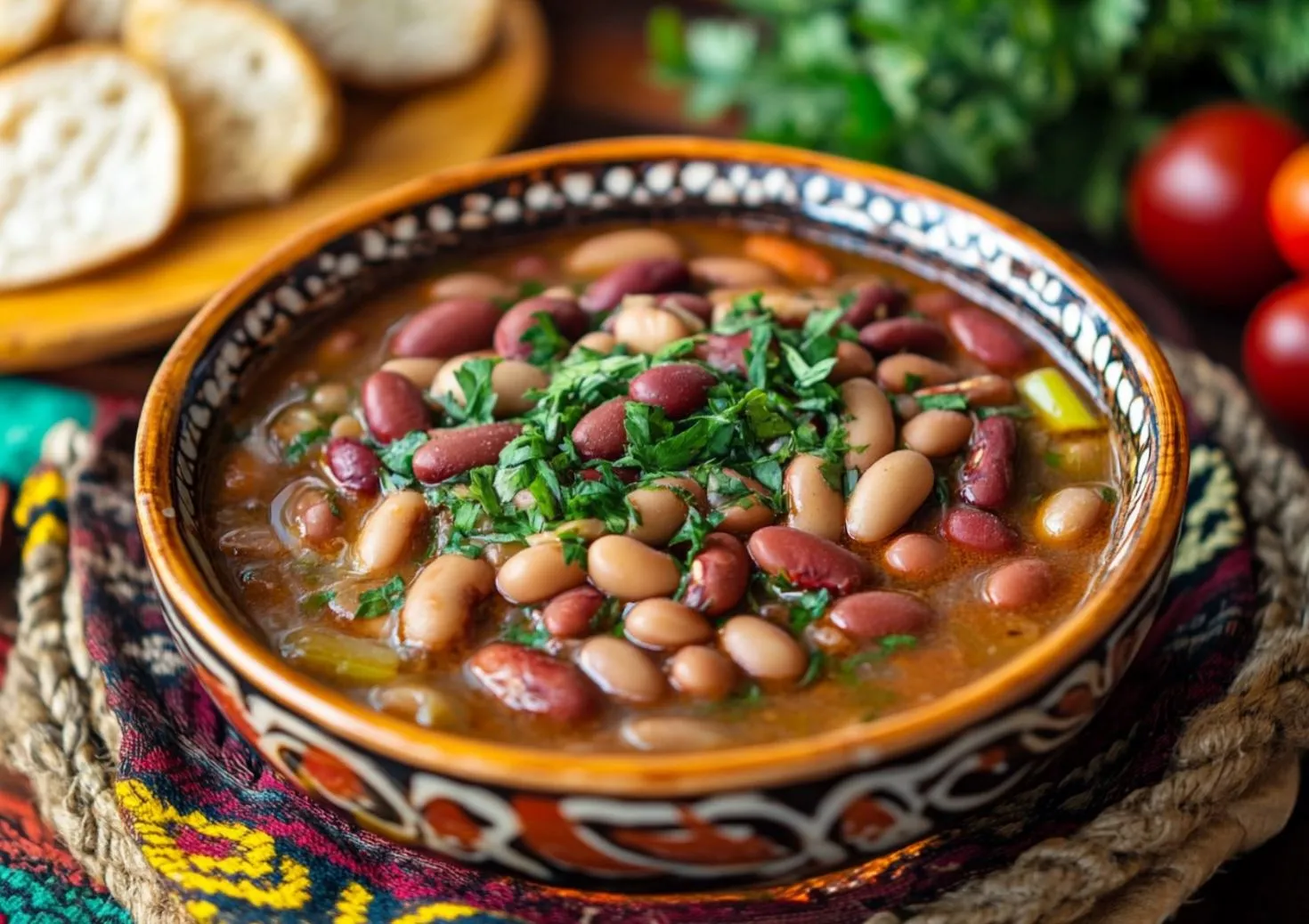
And last but not least in our list of dishes to be served on this festive occasion is the beans or "kvasolya".
Beans are incredibly versatile and easy to prepare. They can be cooked in various ways, allowing families to enjoy a delicious and filling meal without requiring extensive cooking skills or time. Many Ukrainians refrain from consuming meat during this period, and beans provide a hearty and satisfying alternative that aligns perfectly with their dietary restrictions. The natural flavors of beans can be enhanced with simple seasonings and ingredients, making them a favorite choice for festive gatherings.
Variations of Bean Dishes
Beans can be prepared in numerous ways, offering a range of flavors and textures that cater to different tastes. Here are some popular variations of bean dishes that can be enjoyed during the Christmas Holy Evening:
1. Classic Boiled Beans: The simplest form involves boiling beans until tender and seasoning them with salt and pepper. This straightforward preparation highlights the natural taste of the beans and serves as a perfect side dish.
2. Beans with Onions and Carrots: Sautéing onions and carrots before adding cooked beans creates a flavorful base. The sweetness of the sautéed vegetables complements the earthiness of the beans, resulting in a delicious combination.
3. Beans with Mushrooms: Adding sautéed mushrooms introduces an umami depth to the dish. The earthy flavor of mushrooms pairs beautifully with beans, creating a hearty and satisfying meal.
4. Spicy Bean Stew: For those who enjoy a bit of heat, a spicy bean stew can be prepared by adding chili peppers or red pepper flakes. This variation brings warmth and excitement to the dish, perfect for those who appreciate bold flavors.
5. Beans with Tomatoes: Incorporating diced tomatoes or tomato paste can add acidity and richness to the dish. This variation enhances the flavor and also gives the beans a vibrant color.
The twelve dishes of the Sviat Vechir feast are not merely a collection of recipes; they are a living, breathing embodiment of Ukraine's cultural heritage. Each dish, with its own story and significance, serves as a bridge between the past and the present, connecting generations and fostering a sense of unity and belonging.
As you gather around the table this Christmas, surrounded by the warmth of family and the joy of togetherness, may your hearts be filled with love and gratitude. We hope our list of twelve traditional dishes inspires you to create a beautiful feast that brings everyone closer. May the spirit of the season fill your home with laughter and cherished memories, reminding us all of the importance of connection and celebration. Wishing you a joyous and memorable Christmas filled with peace, happiness, and the love of those who matter most.