

In the bustling city of Lutsk, nestled in the heart of western Ukraine, a group of musicians were quietly forging a sound that would soon captivate the global metal community. Formed in 2015, Motanka emerged from this cultural hub with a mission to weave the ancient traditions of their homeland into a mesmerizing blend of heavy riffs, atmospheric electronics, and haunting melodies.
The band's name, derived from the traditional Ukrainian motanka doll, serves as a symbolic representation of their musical vision. These handmade dolls, believed to have protective and communicative powers, have been an integral part of Ukrainian folklore for centuries. For Motanka, the doll's rich cultural significance became the inspiration for a sonic journey that would transport listeners to the mystical realms of their ancestral legacy.
Tracing the Origins of Motanka
The four founding members of Motanka – Victor Verba (Zhalnin), Dmytro Diachenko (Svarog), Anatolii Zhalnin, and Sergii Khodorchuk (Hodik) – had all been part of different musical projects before converging to create this unique sonic amalgamation. It was in Lutsk, their shared hometown, that the seeds of Motanka were first sown.
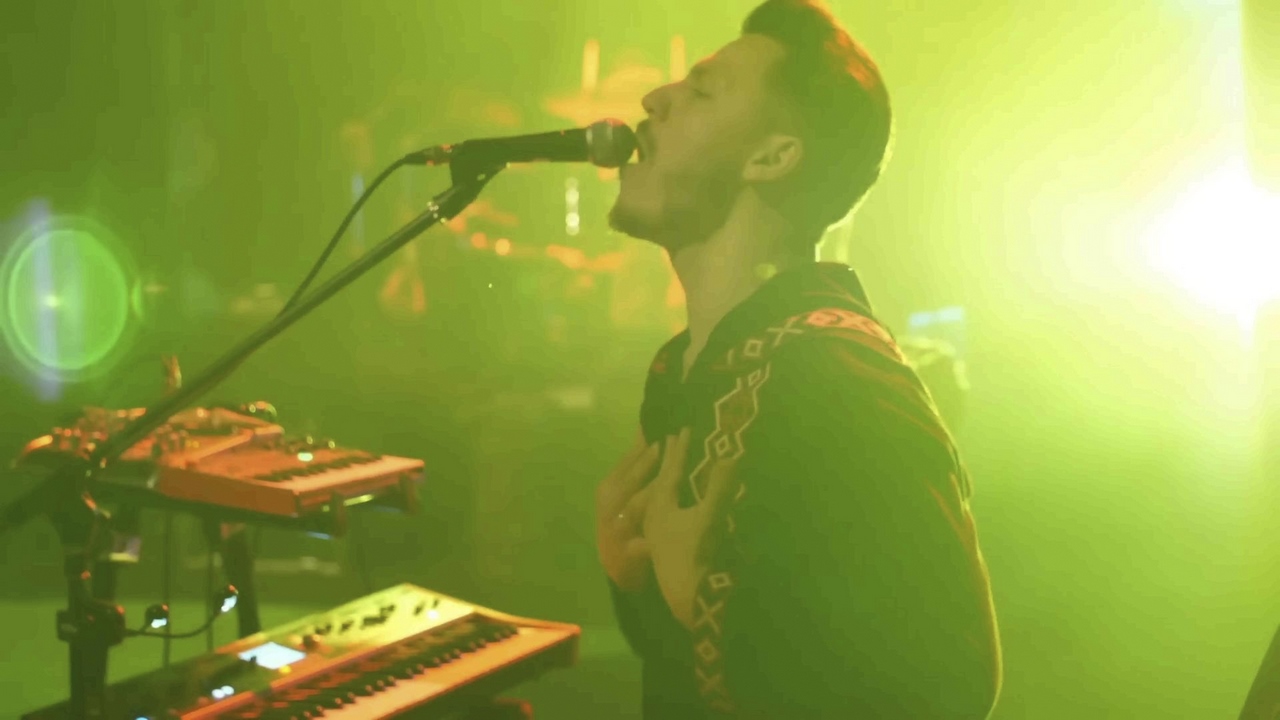
"When we found our own sound, we decided to take this name, because Motanka is more associated with our music," explains bassist Sergii Hodik. "A lot of parts for the songs were created a long time ago, but when we started to play as Motanka, all of them got together to the songs you can hear in the album."
The band's self-titled debut, released in 2019 through Napalm Records, showcased Motanka's ability to seamlessly blend the heavy riffs and atmospheric textures of metal with the rich tapestry of Ukrainian folk traditions. From the haunting chants and pulsating rhythms of "Des' u Horakh" (“Somewhere in the mountains”) to the ethereal, nature-inspired "Fire Burns," the album captivated listeners with its unique sonic alchemy.
Integrating Ukrainian Folklore into Heavy Metal
At the heart of Motanka's musical identity lies their deep reverence for the cultural heritage of Ukraine. The motanka doll, with its symbolic significance, became a touchstone for the band's artistic vision, inspiring not only their name but also the overarching themes and imagery that permeate their work.
"The name Motanka comes from the traditional Ukrainian knitting doll motanka that ancient Ukrainians used for protection and for communication with ancestors," Hodik explains. "We realized that this album is very special, and we feel that this music should be heard in the world. This energy goes from the depth of our hearts and from the ages of Ukraine culture."
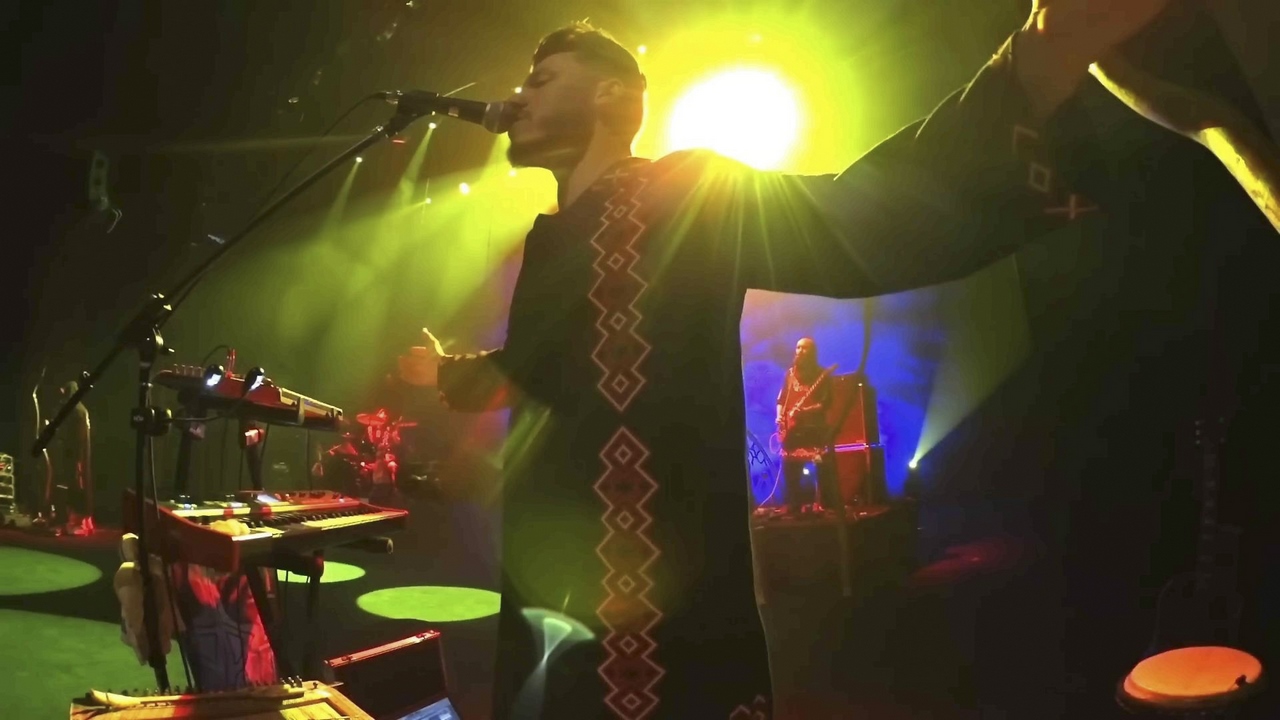
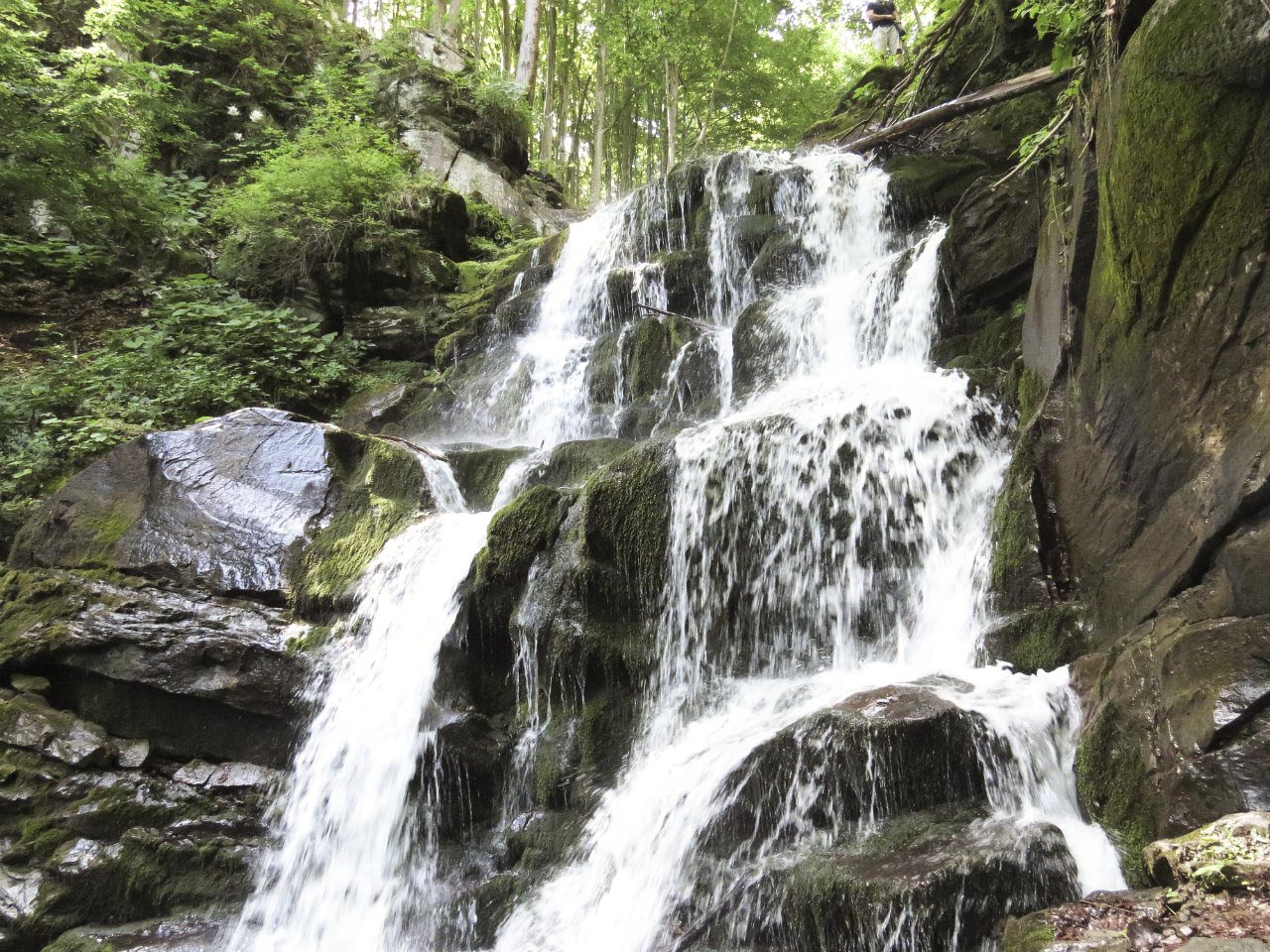
Beyond the motanka doll, Motanka's lyrical themes draw inspiration from a vast well of Ukrainian mythology, shamanism, and the profound connection between the natural world and the spiritual realm. Songs like "Des' u Horakh" (which translates to "Somewhere in the Mountains") pay homage to the Molfars, a revered class of shamans who were believed to possess the power to heal, manipulate the elements, and commune with the divine.
"In the west of Ukraine, we have mountains called Carpathian, and people called Molfars live there (it's like a shaman)," Hodik elaborates. "They can cure people, disperse the clouds, and can predict the future. And one of them was Molfar Nechay. He was a really strong Molfar. He even knew his death day. And this man inspired us for the song 'Des' u Horakh.'"
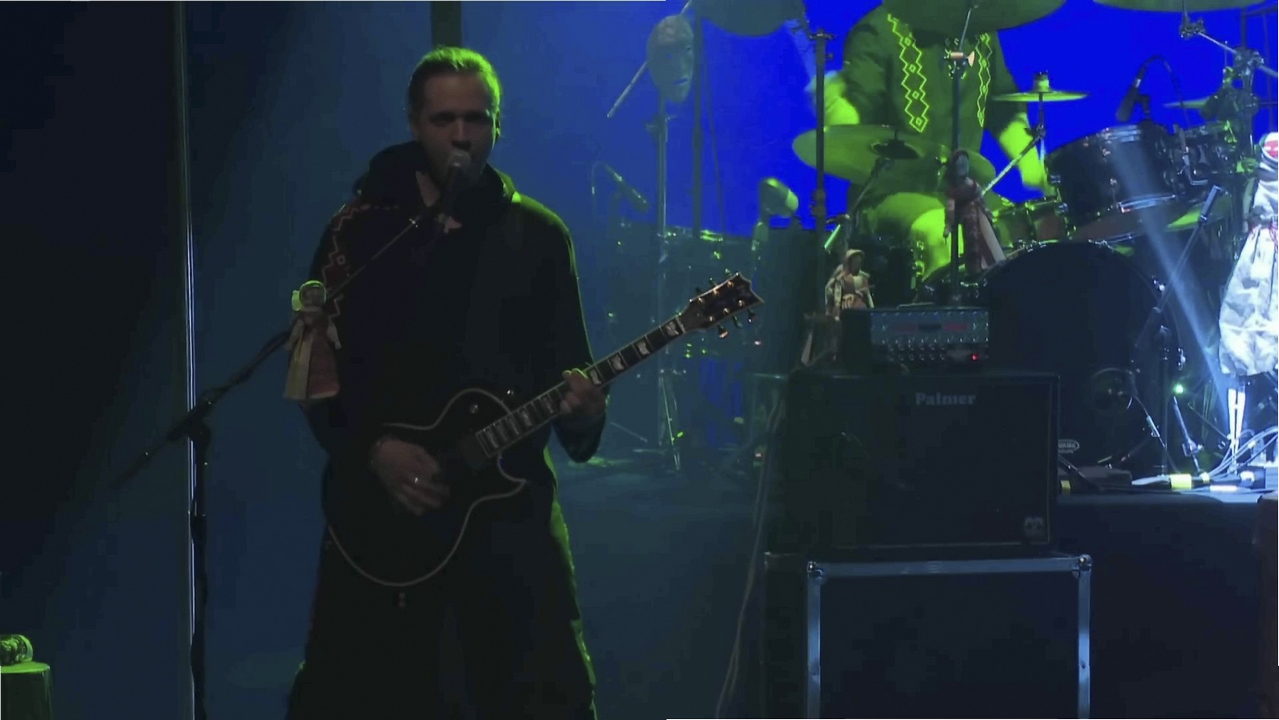
The track "Fire Burns," on the other hand, evokes the ancient rituals and beliefs surrounding the sacred connection between the physical and spiritual worlds. "It was created with the imagination of our ancestors being connected with souls near the fire in the forest," Hodik reveals.
This deep-rooted reverence for Ukraine's cultural heritage extends beyond the lyrical content, permeating every aspect of Motanka's artistic expression. The band's music videos, stage performances, and even their album artwork are infused with symbolism and imagery that pay homage to the rich tapestry of Ukrainian folklore.
Resonating with Listeners Beyond Ukraine
Motanka's unique musical fusion, blending the heavy riffs and atmospheric textures of metal with the mystical elements of Ukrainian folklore, has struck a chord with listeners far beyond the borders of their homeland. The band's ability to seamlessly integrate these disparate influences has earned them a growing international following, captivating audiences with their mesmerizing sound and thought-provoking lyrical themes.
"Despite the fact our songs are mostly written in Ukrainian, people who don't speak our language still understand the message that we try to convey," Hodik observes. "We sing about simple but important things for a human."
This universal appeal can be attributed to Motanka's skillful crafting of emotive, visceral soundscapes that transcend linguistic barriers. With haunting melodies, pulsating rhythms, and ethereal atmospheres, the band's music taps into a primal emotional resonance that connects with listeners on a deep, almost primal level.
"We don't want to give a certain name to the genre we play, because it's like to 'hang a label,'" Hodik says. "But we call it Mystic Metal."
This "mystic metal" sound, which seamlessly blends the heavy and the ethereal, has earned Motanka critical acclaim and a growing international fan base. Their breakout performance at the prestigious Wacken Open Air Festival in 2018 was a proof point of the band's ability to captivate audiences beyond their Ukrainian roots.
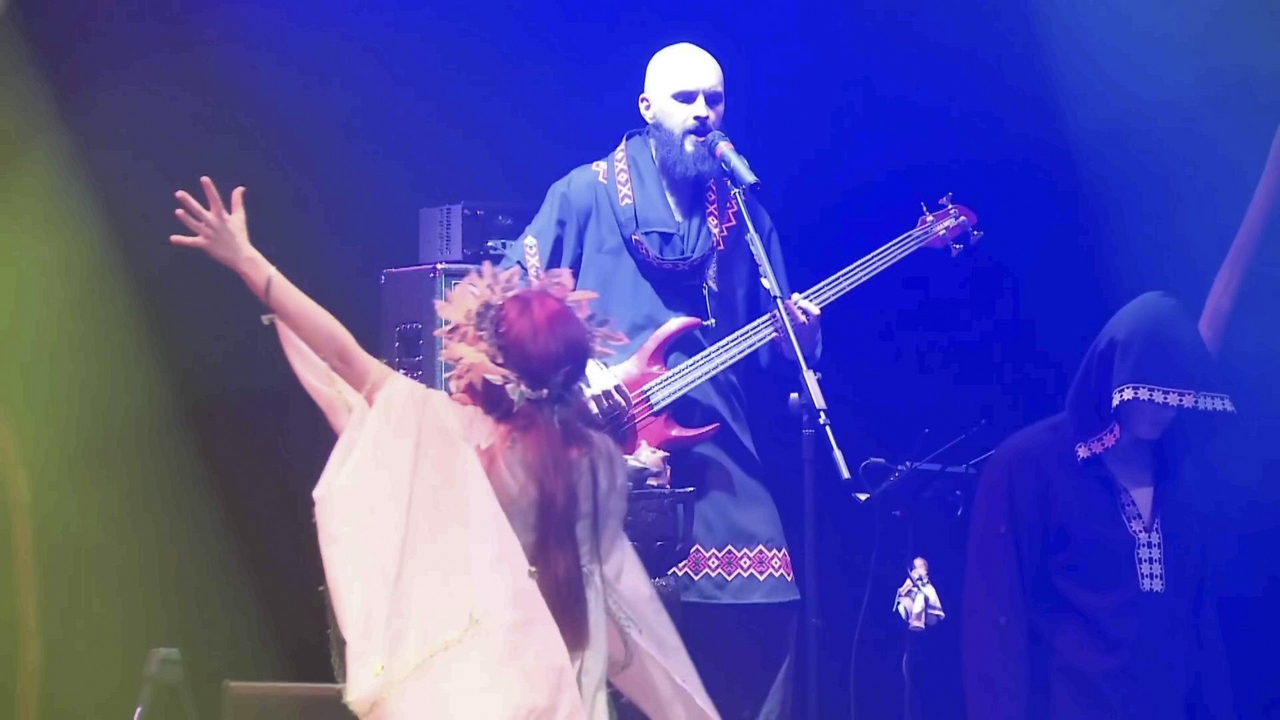
"When we played Wacken Open Air, a manager from a famous German booking agency liked our music," Hodik recounts. "He offered us a booking contract and also presented us as a band to Napalm Records. After we sent our record to them, they immediately answered that they wanted to work with us." 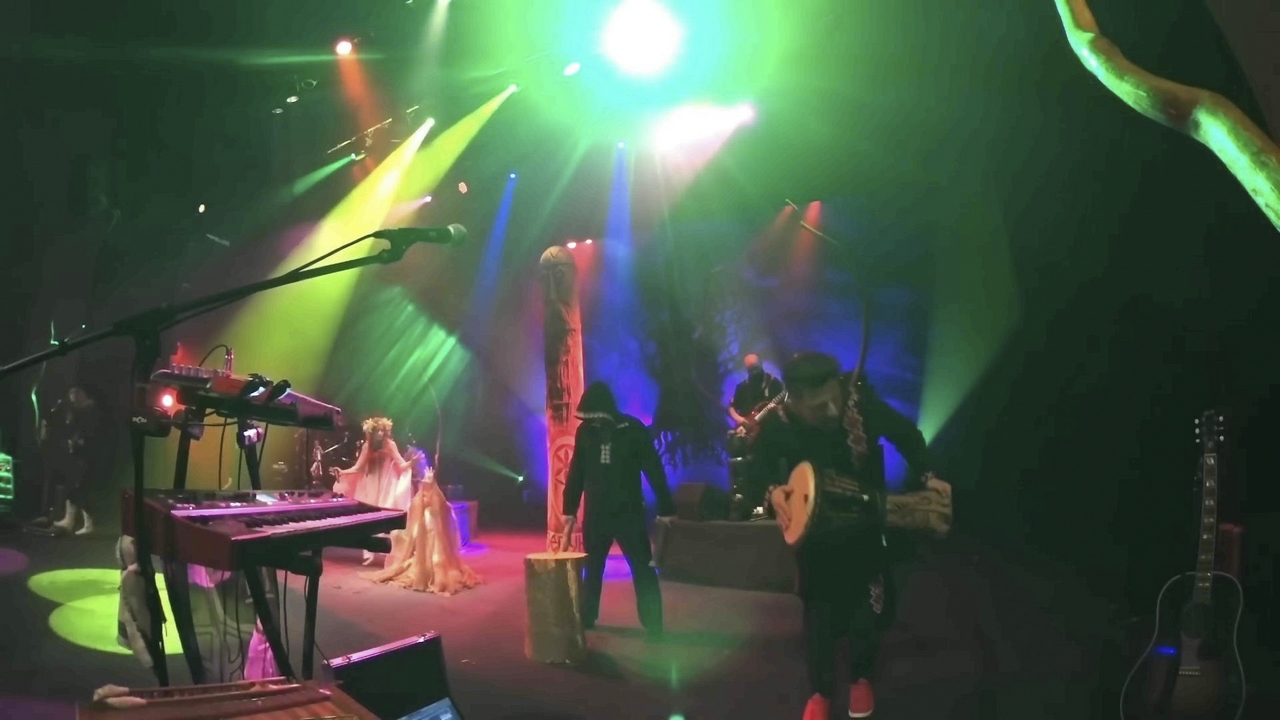
The band's signing with Napalm Records, a renowned heavy metal label, further solidified Motanka's position as a rising force in the international metal scene, paving the way for their self-titled debut album to reach a wider global audience.
Immersive Live Performances: Blending Music, Visuals, and Tradition
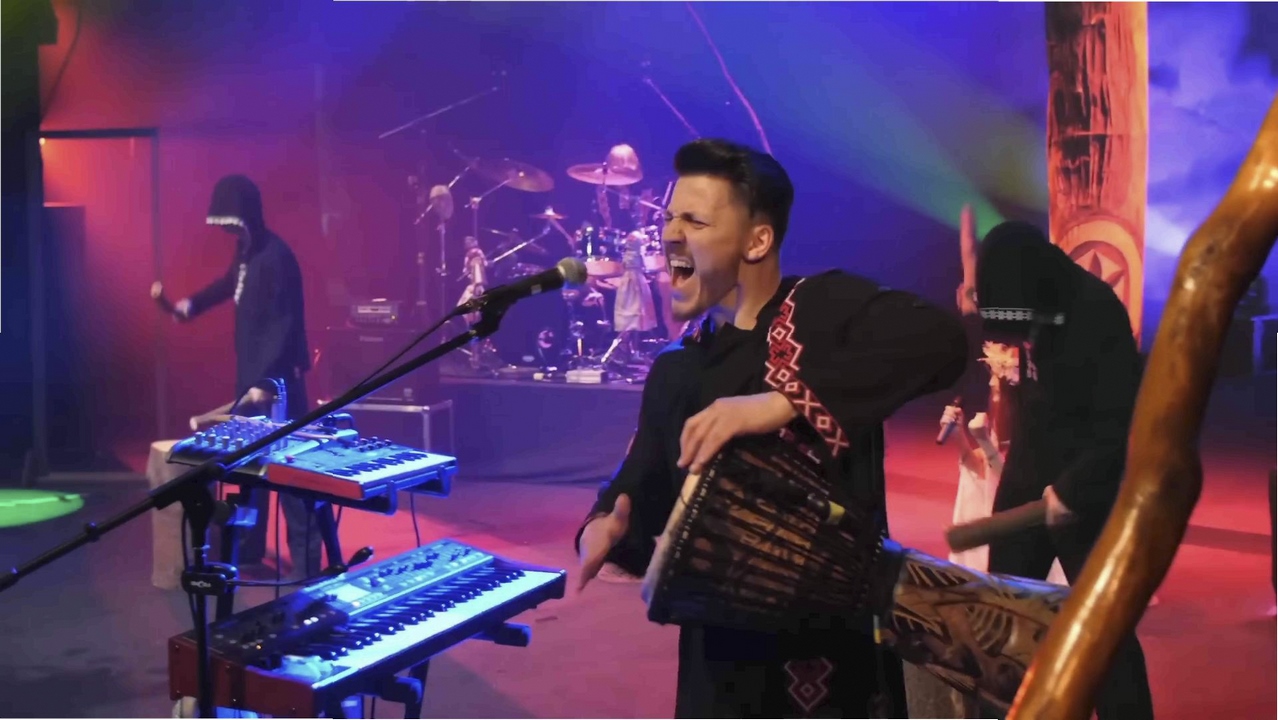
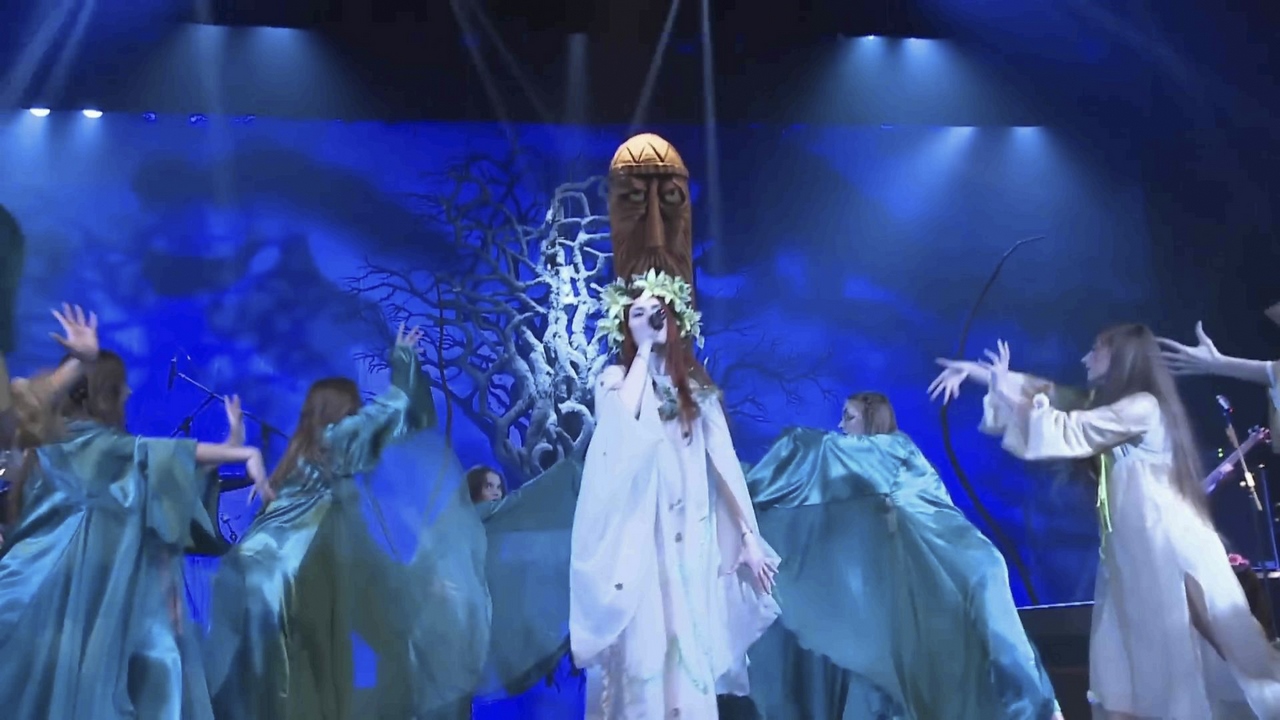
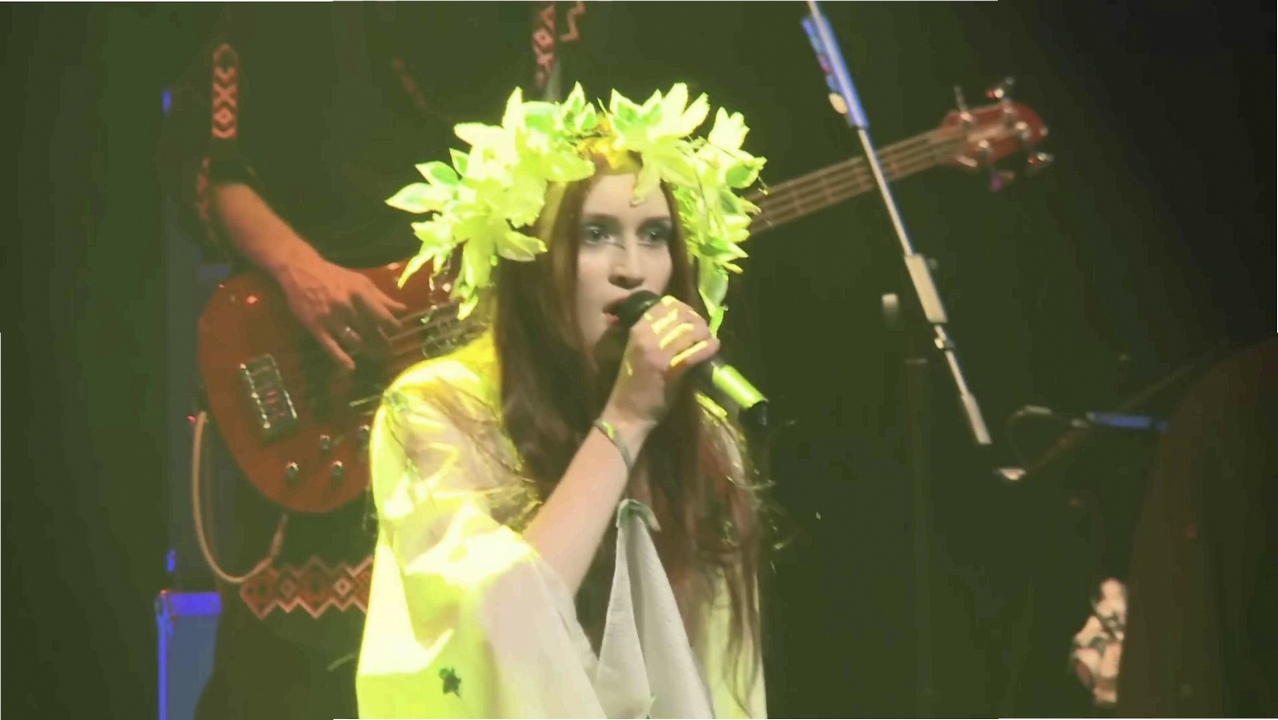
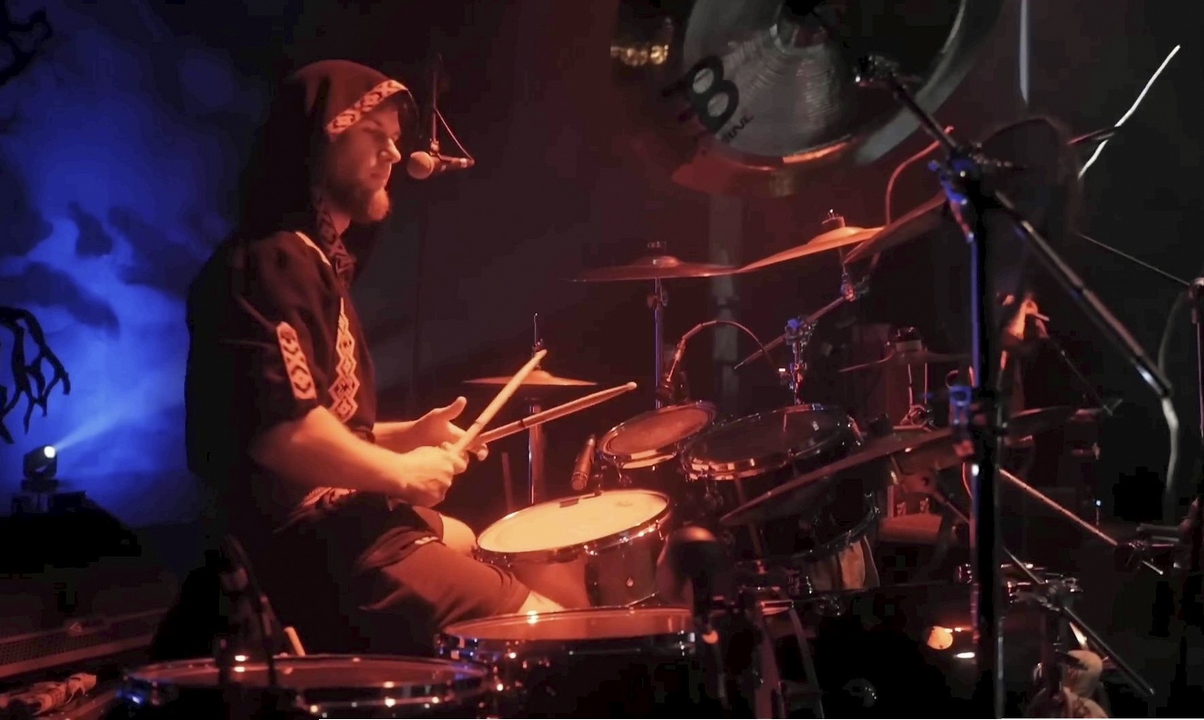
Motanka's captivating live performances have become a hallmark of their artistic identity, as the band seamlessly integrates theatrical elements, multimedia, and traditional Ukrainian customs into their shows. These immersive experiences transport audiences beyond the confines of a typical concert, inviting them to become fully immersed in the mystical world of Motanka. 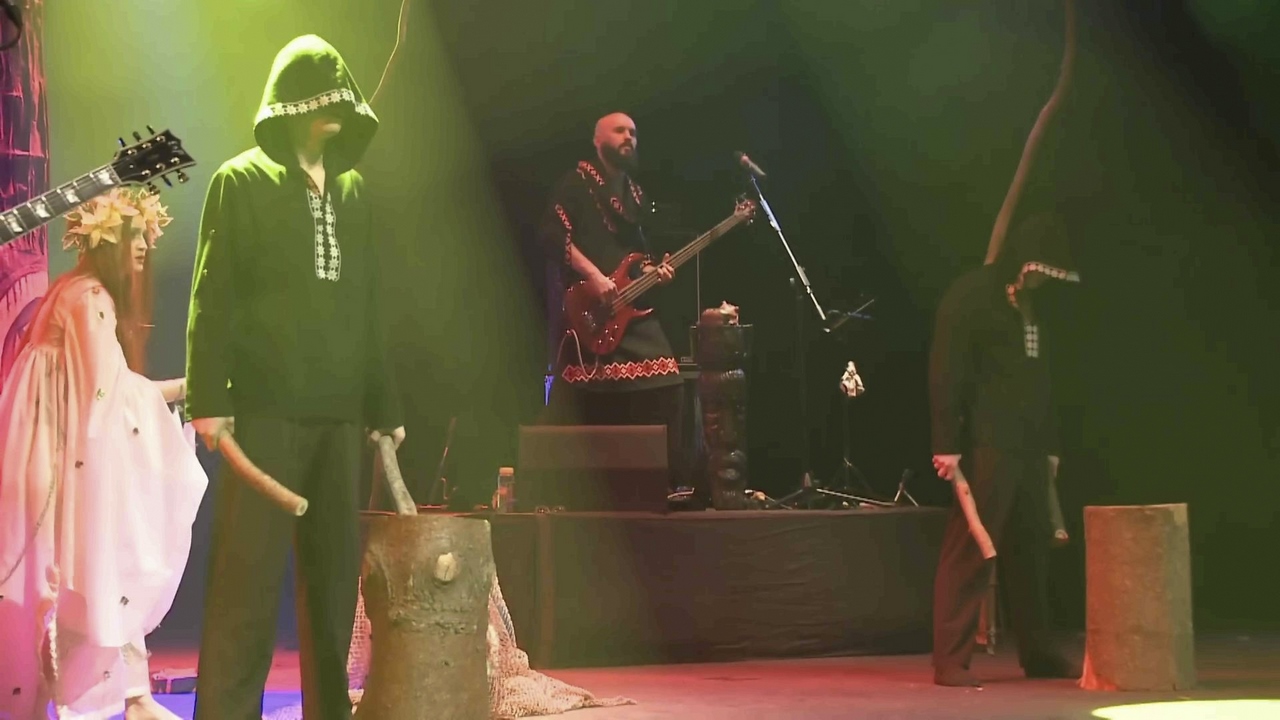
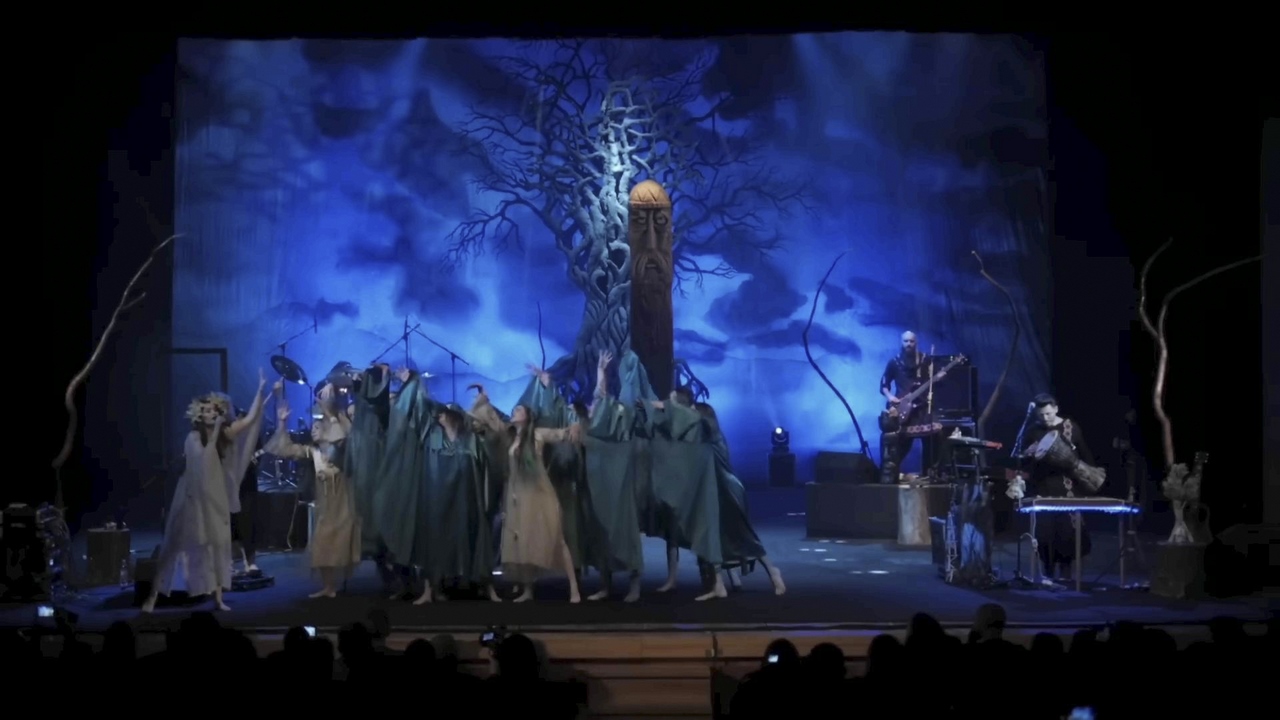
"We made this gig ourselves. Our wives and friends were helping us, even on the stage as actors," Hodik recalls of the band's memorable hometown concert in Lutsk. "Victor's wife even sang one song ('Oy Liuli'). We played in the Drama Theater where we used interesting decorations, and around 40 actors were performing on stage."
This ambitious production, which blended music, visuals and traditional Ukrainian elements, was a demonstration of Motanka's commitment to creating a truly immersive experience for their audiences. The use of theatrical staging, actors and multimedia projections allowed the band to elevate their live shows beyond the confines of a traditional metal performance and transport the audience into the heart of Ukraine's rich cultural landscape. 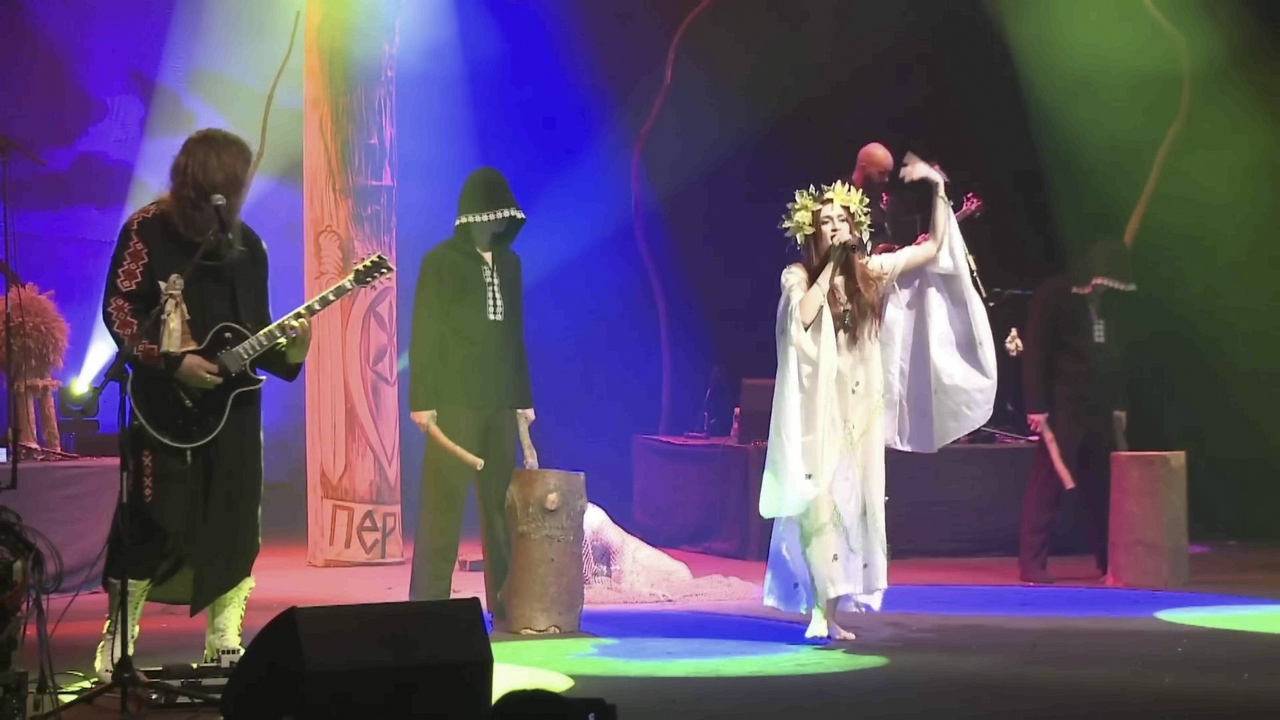
Motanka's dedication to crafting these captivating live experiences extends beyond their hometown of Lutsk. As the band continues to expand their reach, they remain committed to integrating elements of Ukrainian tradition and mythology into their stage shows, further solidifying their status as cultural ambassadors for their homeland.
Raising Awareness and Inspiring the Next Generation
Motanka's impact extends far beyond the realm of music, as the band has become a powerful voice in raising awareness of Ukraine's rich cultural identity within the international metal community. By seamlessly blending the heavy riffs and atmospheric textures of metal with the mystical elements of Ukrainian folklore, Motanka has not only captivated listeners but also inspired younger generations of Ukrainians to embrace their heritage through the power of heavy music.
Motanka's ability to connect with audiences on a profound, emotional level has resonated particularly strongly within Ukraine, where the band's music has become a source of pride and cultural affirmation. By showcasing the depth and diversity of Ukraine's artistic traditions, Motanka has played a vital role in inspiring younger generations to explore and celebrate their own cultural legacy.
"There are a lot of great interesting bands in Ukraine, but all the media and culture are more focused on pop music," Hodik observes. "Nevertheless, we have bands like Jinjer, 1914, and Stoned Jesus who are touring around the world. We are really happy for them and we do our best to make heavy music develop in Ukraine."
As Motanka continues to captivate audiences both at home and abroad, their impact extends far beyond the realm of music. By seamlessly blending the heavy and the ethereal, the ancient and the modern, the band has become a powerful cultural ambassador, inspiring a renewed appreciation for Ukraine's rich heritage and empowering the next generation of musicians to embrace their roots through the medium of heavy metal.