
Ivan Kotlyarevsky's "Aeneid" is a seminal work in Ukrainian literature, known for its innovative and subversive approach to the traditional epic genre. Published in 1798, the poem is a parody and burlesque of Virgil's classical epic, "Aeneid," which recounts the journey of the Trojan hero Aeneas after the fall of Troy. Kotlyarevsky's version, however, transforms the grand narrative into a humorous and irreverent tale, infusing it with distinctly Ukrainian elements and sensibilities.
One of the primary ways in which Kotlyarevsky's "Aeneid" departs from the classical model is through its use of parody. The poem systematically undermines the lofty tone and heroic conventions of the original, often by juxtaposing the elevated subject matter with the mundane and the vulgar. For instance, the opening lines of Virgil's "Aeneid" – "Arms and the man I sing, who, forced by fate / And haughty Juno's unrelenting hate, / Expelled and exiled, left the Trojan shore" – are parodied by Kotlyarevsky as follows: "Aeneas was a lively lad, / A Cossack through and through, / Adept at every kind of bad, / The boldest of the crew."
This irreverent tone is maintained throughout the poem, as Kotlyarevsky's Aeneas is depicted as a decidedly unheroic figure, more concerned with his own survival and comfort than with the grand destiny that awaits him. The epic's traditional themes of fate, divine intervention, and the founding of a new civilization are reduced to a series of comical mishaps and misadventures, often driven by the characters' base desires and petty concerns.

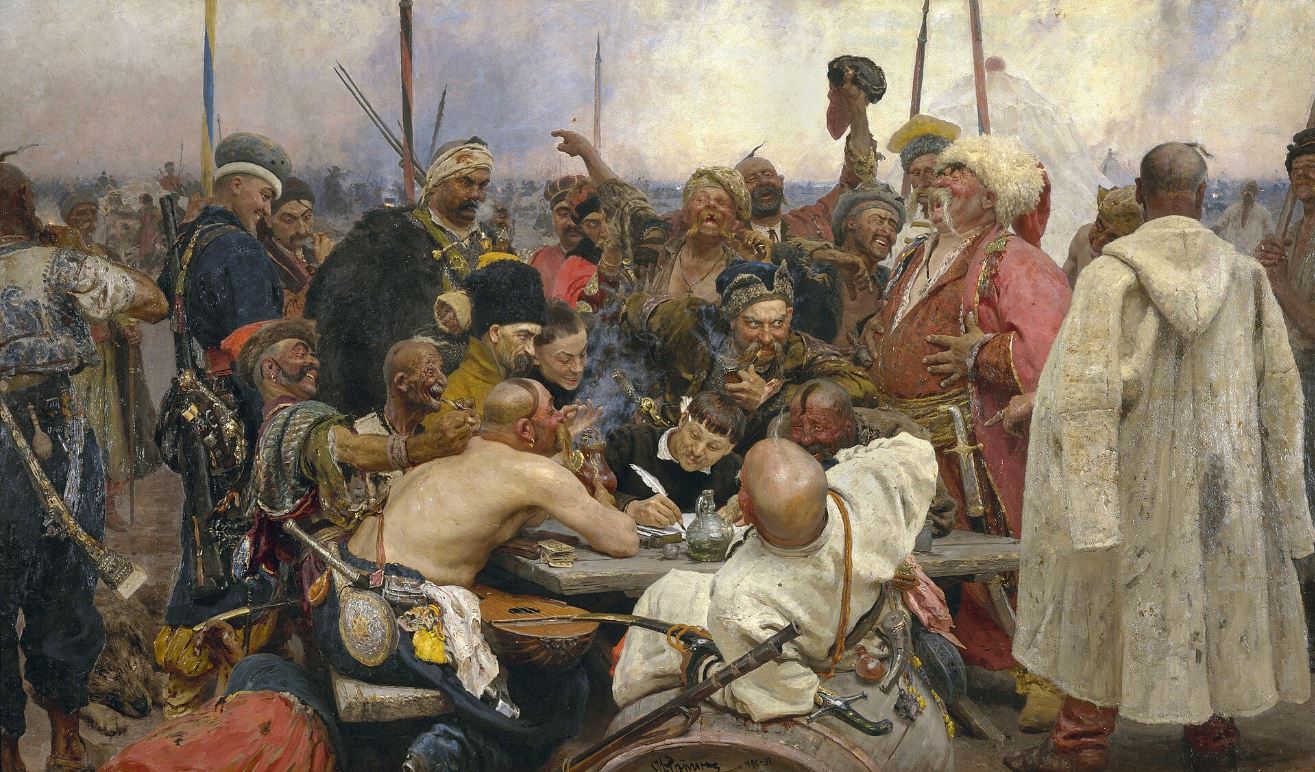
Another way in which Kotlyarevsky's "Aeneid" departs from the classical model is through its incorporation of distinctly Ukrainian cultural elements. The poem is infused with references to Ukrainian folklore, customs, and language, transforming the ancient Greco-Roman setting into a distinctly Ukrainian landscape. For instance, the gods and goddesses of the classical pantheon are replaced by figures from Ukrainian mythology, such as the wind god Eol, while the characters engage in quintessentially Ukrainian activities, such as drinking, dancing, and feasting.
This blending of the classical and the Ukrainian is a hallmark of Kotlyarevsky's approach, and it serves to undermine the perceived universality of the epic genre. By grounding the narrative in a specific cultural context, the poet challenges the notion that the epic can be a purely universal or timeless form, and instead suggests that it is inherently shaped by the particular cultural and historical circumstances in which it is produced.

Furthermore, Kotlyarevsky's "Aeneid" also engages in a process of burlesque, which involves the transformation of a serious or elevated subject matter into a comical or grotesque form. This is particularly evident in the poem's treatment of the mythological elements that are central to Virgil's original. For instance, the powerful and capricious gods of the classical pantheon are reduced to petty, squabbling figures, more concerned with their own personal vendettas than with the fate of humanity.
Similarly, the heroic deeds and noble sacrifices that are the hallmarks of the traditional epic are replaced by a series of slapstick mishaps and vulgar antics.

Through these techniques of parody and burlesque, Kotlyarevsky's "Aeneid" subverts the conventions of the epic genre, challenging the reader's expectations and undermining the perceived authority of the classical tradition. In doing so, the poem not only offers a unique and engaging narrative, but also serves as a commentary on the nature of literary tradition and the ways in which it can be appropriated and transformed to serve the needs of a particular cultural context.

Overall, Kotlyarevsky's "Aeneid" stands as a seminal work in Ukrainian literature, one that has had a lasting impact on the country's cultural and literary landscape. Through its innovative and subversive approach to the epic genre, the poem has become a touchstone for subsequent generations of Ukrainian writers and thinkers, who have continued to grapple with the complex legacy of the classical tradition and its relationship to their own cultural identity.