


10 Incredible Ukrainian Wedding Traditions You Should Know About
Weddings are not merely events; they are living, breathing embodiments of a culture's soul. In Ukraine, this sentiment rings true with a resounding clarity, as each wedding tradition serves as a window into the hearts and minds of the people. From the symbolic gestures to the communal rituals, these customs weave a tapestry of unity, resilience, and a deep reverence for the past. Prepare to be captivated as we delve into the enchanting world of Ukrainian wedding traditions.
1. The Custom of "Swatannya" (Matchmaking)
One of the most cherished Ukrainian wedding traditions is "Swatannya," the matchmaking ceremony that marks the beginning of a couple's journey toward marriage. The process begins with the "starosty," or matchmakers, who play a vital role in approaching the bride's parents. The matchmakers arrive at the bride's home late in the evening, a strategic choice to keep the proceedings discreet in case the answer is not favorable.
Upon entering the home, the starosty carry bread as a symbol of goodwill and nourishment. They greet the family warmly and initiate a conversation that often includes charming metaphors, likening the bride to a beautiful deer or referencing merchants who seek valuable goods. This indirect approach serves to ease into the main topic – requesting the bride's hand in marriage.
Once the atmosphere is set, the matchmakers call for the bride and publicly ask for her consent to marry. This moment is crucial; her response is not just a formality but a decisive factor in the matchmaking process. If she declines, the bread is returned to the starosty, and she may humorously present them with a pumpkin, symbolizing rejection. To avoid such embarrassment, families sometimes send a "scout" ahead of time to gauge the bride's feelings and her parents' intentions.
Conversely, if the bride agrees, a beautiful ritual follows. The matchmakers are honored with embroidered towels or scarves, and the bride ties a scarf around her future husband's arm, signifying her acceptance. The couple is officially recognized as betrothed, setting the stage for further discussions about their wedding day. This pivotal moment not only signifies a union between two individuals but also marks the merging of two families, celebrating shared values and traditions.
2. Engagement Ceremony (Zaruchyny)
The engagement ceremony, known as "Zaruchyny," is a ceremonial agreement between two parties to marry. The term "Zaruchyny" itself derives from the ritualistic joining of the couple's hands over bread and grain, which, according to folk customs, bestowed legal significance upon their union.
Traditionally, Zaruchyny took place in the bride's home on a weekend, allowing ample time for family and friends to gather. Close relatives were invited, along with the bride's friends and the groom's companions. Interestingly, in some regions, it is believed that the number of attendees should be odd, symbolizing that they are there to take a "half" for the groom, emphasizing the idea of completeness in their union.
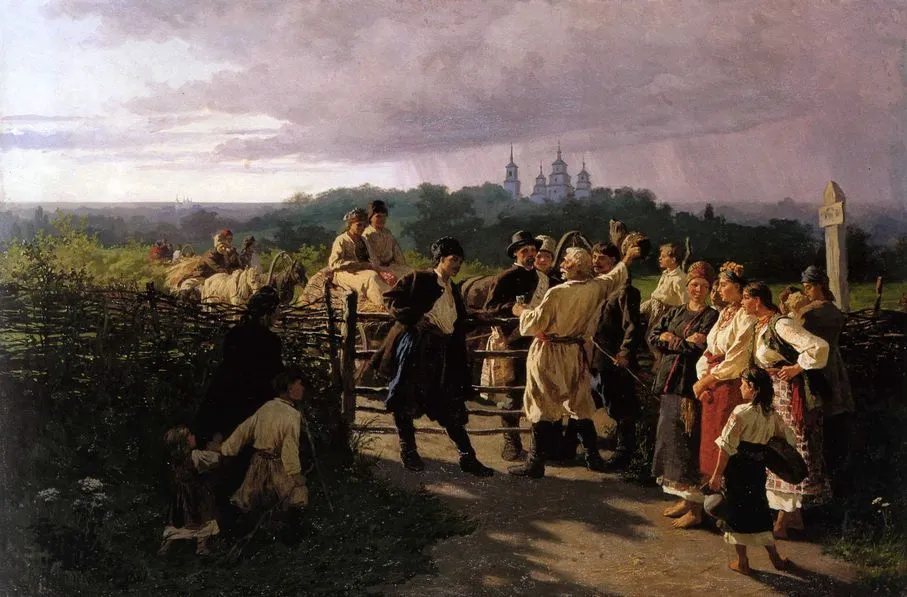
During the engagement ceremony, an essential ritual involved binding the hands of the couple. The matchmaker, or "starosta," would place bread on the table and cover it with a towel. The bride's hand was placed on the towel, followed by the groom's hand resting on hers, and finally, the hands of all witnesses were laid on top. This act symbolized unity and commitment. The starosta would then bind their hands together with a towel while reciting a phrase that emphasized the importance of their vows: “The knot does not bind; rather, it is the word that binds. Whoever unties this knot must contribute to the wedding.” After this binding ceremony, the godfather or starosta would unbind their hands, symbolizing that while they are united in intention, they remain free individuals until their marriage.
As part of this tradition, gifts were presented to the matchmakers. Men were often gifted with towels, while women received headscarves, signifying respect and gratitude for their role in facilitating the engagement.
3. The Korovai Ceremony
One of the most cherished and ancient traditions in Ukrainian weddings is the Korovai Ceremony, which revolves around the preparation of ceremonial bread known as "korovai."
The term "korovai" is also recognized across Slavic lands. However, Ukrainians uniquely reserved this term specifically for ceremonial bread, which typically took the form of a tall, round loaf adorned with flowers, dough figurines of birds, and intricate designs. Traditionally, if a bride entered marriage having lost her virginity, it was considered inappropriate to bake a korovai for her wedding.
The preparation of the korovai could take place in different settings: it might be baked solely by the bride, solely by the groom, or collaboratively by both families. This communal aspect highlights one of the oldest customs associated with creating ritual bread, where family members from both sides would come together to contribute ingredients such as flour and eggs. This collective effort was a form of mutual aid, showcasing the unity and cooperation between two families as they prepared for the new union.
Korovai serves multiple functions within the wedding context. It can be used for matchmaking rituals, baked to invite guests, or presented as blessings for the newlyweds. Different types of wedding bread include:
1. Bread for the matchmaking ceremony.
2. Cookies or "shishky" baked to invite guests and reward the korovai makers.
3. Bread for blessing and greeting the couple.
4. Korovai given to the families of both the bride and groom.
5. Bread exchanged between families as a symbol of unity, including a variant known as bread for "buying out" the bride.
6. Wedding cookies exclusively for the parents of the couple.
7. Bread for sanctifying the couple's marital bed.
The tradition of baking korovai has ancient roots; in regions like Polissia and the Carpathians, representatives from both families would come together to bake a communal rye korovai while singing traditional songs. This musical accompaniment was integral to the ceremony, with participants commenting on the progress of the ritual as they kneaded the dough.
4. The Wedding Tree Decoration Ceremony
In Ukrainian wedding traditions, one of the most enchanting customs is the Wedding Tree Decoration Ceremony. This ritual takes place after the bride and her bridesmaids receive their wedding invitations and return to the bride's home. Here, they engage in the delightful task of decorating a special wedding tree, known by various names such as “paradise tree,” “hiltsia,” “viletsia,” “rizka,” “sosonka,” and “teremok.” This ceremony marks the beginning of one of the most significant pre-wedding events—the "diyvich-vichir," or the bride's farewell party, which typically occurs in both the bride's and groom's homes.
Once the groom receives blessings from the matchmakers, he begins the process of "weaving the tree." This term refers to the final touches of decorating the tree, a task primarily carried out by the bridesmaids beforehand. They adorn the tree with garlands made from colorful ribbons, paper streamers, and flowers. The groom's role is to attach a bouquet of cornflowers, three ears of rye, and a sprig of viburnum to the top branch of the tree. In a beautiful parallel, the bride creates a similar bouquet and places it on her own tree.

Over time, additional decorations such as candies, gingerbread, and apples began to embellish the wedding tree, adding sweetness to this already charming tradition. It is essential to highlight the distinctions between the tree used for decorating the korovai (the ceremonial bread) and the tree that serves as a festive symbol during the bridal party. Unlike the korovai decorations made from cherry or pine branches, this wedding tree was typically crafted from a small wooden trunk.
The ceremonial actions involving the wedding tree varied across different regions of Ukraine at the conclusion of the wedding festivities. In some areas, participants would dismantle the tree, while in others, it would be tossed onto an apple tree or any other fruit-bearing tree to symbolize a life filled with sweetness for the newlyweds. This act was believed to ensure that their life together would be fruitful and prosperous.
5. The Vinca (Wreath Weaving) Ceremony
One of the oldest and most cherished traditions in Ukrainian wedding customs is the Vinca Ceremony, also known as "vinkopletinia." The Vinca Ceremony involves the ceremonial gathering of vinca flowers, maternal blessings, and the participation of women who are happily married, emphasizing the harmonious essence of both the vinca and korovai rituals.
In the Boyko region, the bride, accompanied by her bridesmaids and a small boy, would venture into the forest to collect vinca. In areas like Transcarpathia and parts of Podillia, they would visit households known for their harmony and good fortune. It was considered taboo to take vinca from a yard where it had been previously collected for a funeral, as folklore suggested it could bring misfortune to the newlyweds.
In the Hutsul region, there was a delightful tradition of "ubiralytsia" — women who were fortunate in their marriages and played a crucial role in dressing and adorning the bride. These skilled women would create a wedding crown for the bride at dawn, following specific rituals that required them to work on an empty stomach.
The crafting of the crown was permitted only on Mondays or Thursdays. The day before, the bridesmaids would gather vinca and bring it to the home of the ubiralytsia. Before beginning their work, these women would place a "kalach" (a type of bread) on the table and insert a brand-new needle into it. The base of the crown had to be made from red cloth sewn with red thread; using other colors, especially black, was believed to foreshadow troubles for the newlyweds.
It was essential that the crown be sewn with a continuous thread without any knots or buttons, ensuring a smooth life for the couple without conflicts or hardships. In times when glue was not available, the ubiralytsia would use honey to attach decorative elements to the fabric base. Hidden within the crown were a clove of garlic (to protect the bride from evil spirits) and a small coin (symbolizing wealth). The exterior of the crown was adorned with vinca, completing this beautiful ritual.
6. The Blessing Ceremony
One of the most significant traditions in Ukrainian weddings is the Blessing Ceremony, which takes place just before the groom departs from his parental home. This moment is steeped in deep cultural significance, symbolizing the transition from single life to married life, and it is a heartfelt request for parental blessings.
In most cases, only the parents bless the groom. However, in some regions of Lviv, it is customary for the young man to bow not only to his parents but also to his siblings, grandparents, and even neighbors. The variety of bows and gestures can differ widely, but the core essence remains the same: a show of respect and gratitude towards family. Typically, the groom approaches his parents, who may be standing or sitting with an icon or bread – this varies depending on regional customs and family traditions.
As the groom bows and asks for blessings, he kisses the icon or bread first, followed by his parents, repeating this gesture three times. The order of blessings is significant; he first seeks his father’s blessing and then turns to his mother. If other relatives are included in the blessing, the groom will bow to his mother and then extend his respect to grandparents, siblings, and further relatives.
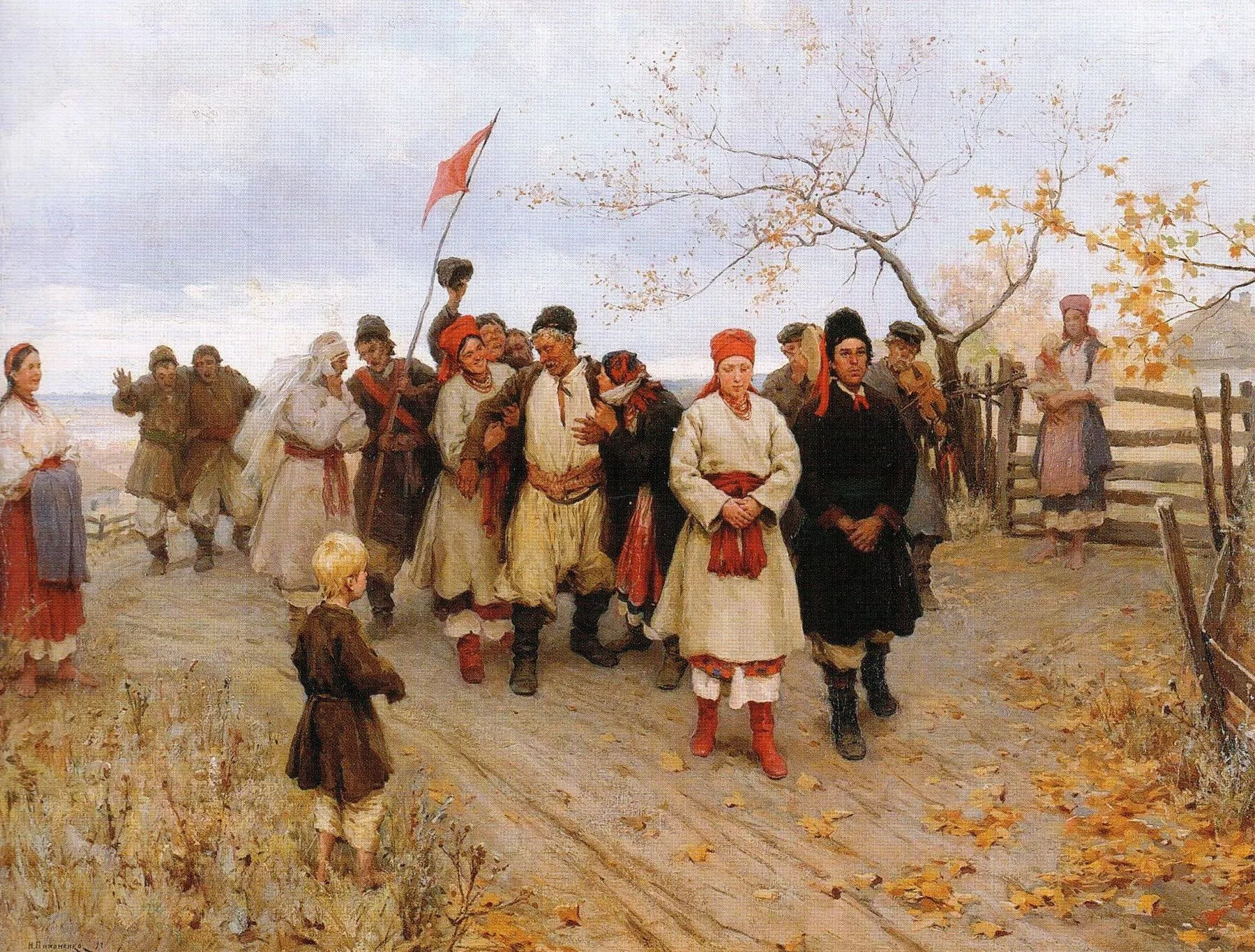
Once the blessings have been bestowed, two unmarried girls known as "svashki" lead the groom outside. These girls play a crucial role in accompanying him to the bride's home. Before they set off, the groom's mother sprinkles holy water, using a sprig made from myrtle, first on her son, then on the guests, and finally on the vehicle that will transport them to "buy" the bride. This act of sprinkling is performed three times around the entire wedding party, symbolizing purification and protection.
7. The Journey of the Groom
The Ukrainian wedding celebration begins with a vibrant and meaningful tradition known as "The Journey of the Groom." This enchanting event sets the stage for the festivities to come, filled with music, laughter, and a sense of community. The day kicks off with a festive lunch at the groom's house, where family and friends gather to share in the joy of the occasion. As the sounds of music fill the air, guests arrive, creating an atmosphere of excitement and anticipation.
Once everyone is gathered, the groom steps out of his house accompanied by his chief best man, known as the "boyar." Together, they greet the assembled guests three times, signaling the start of the celebrations. The groom then points out the young men who will accompany him on his journey to the bride's home. The boyar plays a crucial role in this tradition; he removes the hats from the young men’s heads, each adorned with a red ribbon or sprigs of periwinkle – a symbol of their participation in this joyous occasion.
In a similar vein, the girls accompanying the groom's party, known as "svitilky," receive their own distinctive decorations. The groom sits at the head of the table, flanked by his friends on one side and the svitilky on the other. After a hearty meal filled with laughter and camaraderie, the boyar collects money from the guests, which is often used for various ceremonial purposes.
Once the initial rituals are completed, it’s time for the groom and his entourage to set off on their journey to the bride’s home. Accompanied by singing and merriment, they embark on this important leg of their adventure. As they depart, wedding banners are carried before them, adding to the festive atmosphere. In many regions, it is customary for the groom and his party to ride horseback, showcasing their readiness for this momentous occasion.
As they travel toward the bride's house, playful interruptions known as "peremyi" occur along the way. These are lighthearted moments where the groom must pay a fee or offer refreshments to those who stop him—adding an element of fun and camaraderie to their journey.
Upon arriving at the bride's home, the groom’s procession halts before closed gates. Two elder representatives from the groom’s side approach the courtyard, where they are met by two elders from the bride’s side at a central table. Here, negotiations take place – an essential part of this tradition – before the groom is finally allowed entry into the yard.
8. The Gate Ceremony
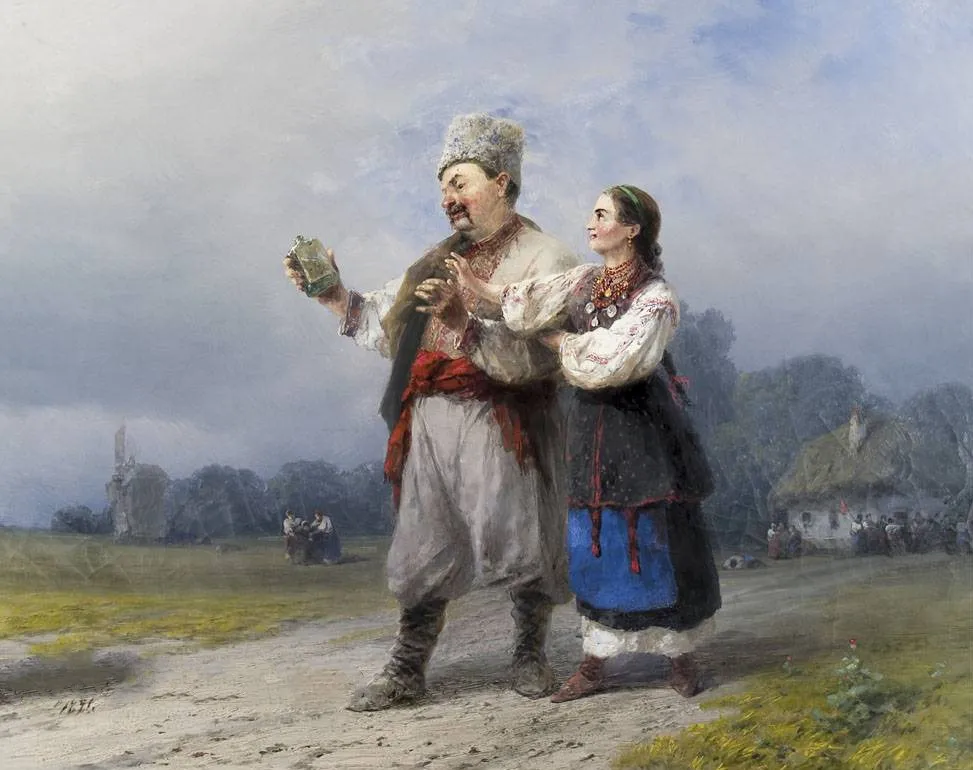
One of the most captivating traditions in Ukrainian weddings is known as the "Gate Ceremony". This lively and symbolic event occurs during the bride's "purchase" or ransom, which is a playful negotiation between the groom's party and the bride's family and friends. The name "Gate" (“Brama”) derives from the literal barrier created by a table set up before the entrance to the bride’s home, where various items are displayed, including an icon, a bottle of vodka (horilka), bread, meat, and sweets.
Typically, this table is manned by local boys or friends of the bride – those who are not officially invited to the wedding. In some cases, brothers and relatives of the bride also participate, along with invited guests. While historically, the boys would actively try to prevent the groom from taking the bride away, this aspect of the ceremony has evolved into a more symbolic act of fun and camaraderie. However, it’s essential to discuss beforehand the terms of the ransom and any specific customs to avoid misunderstandings that could escalate into genuine conflict. It’s not uncommon for tensions to arise if jokes are misinterpreted, which could lead to a wedding being called off due to heated disputes.
In certain regions, such as Volyn and Lviv, there is a charming custom where if anyone shakes hands from opposite sides of the table, it signifies that a deal has been struck, and the gate can be removed. Therefore, if you find yourself on the bride's side and your best friend is on the other side, it’s wise to hold back on enthusiastic greetings – otherwise, you might end up without any vodka for the bride!
Traditionally, vodka serves as the currency for negotiating the bride's ransom. While in some areas money may also be requested—a custom borrowed from Soviet times – the traditional approach involves placing a bottle of vodka at each end of the table with another bottle in the center. It’s advisable to stock up on several bottles in case more gates appear along the way, although this is quite rare.
The groom does not directly participate in the negotiations; instead, his friends and elders handle the discussions on his behalf. The bargaining process is accompanied by tasting vodka from both sides. Initially, they sample from the bottle set on the bride’s side, followed by a few bottles brought by the groom’s party. Each side aims to downplay the potency of their vodka to showcase that theirs is weaker.
Once an agreement is finally reached and the table is cleared from the path, the bride emerges. Here, another playful negotiation occurs as both parties try to draw each other closer. The groom attempts to entice his future wife away from her home, while she pulls him closer toward her family. This tug-of-war symbolizes who will hold more influence in their future household. Ultimately, when they stand just a few steps apart, the bride bows three times to her groom before he returns the gesture. As a final touch, she pins a boutonniere on his left side – a beautiful symbol of their union.
9. The Veil Removal Ceremony
This tradition is rich and symbolic event that marks the transition of the bride from a young girl to a married woman. Ceremony is often accompanied by lively music, with musicians playing the popular song "Horyla Sosna," creating an atmosphere filled with joy and anticipation.
As the festivities begin, a chair is placed at the center of the dance floor, sometimes adorned with a decorative pillow in certain regions. The groom takes his seat first, and then the bride sits on his lap, symbolizing their unity. Surrounding them, all the unmarried girls gather in a circle, eagerly participating in this cherished tradition.
The groom’s mother (known as “svekruha”), along with the bridesmaids, approaches the bride to remove her veil. This act is not merely a physical removal; it holds profound significance, representing the bride's transition into a new role. After the veil is taken off, svekruha attempts to tie a scarf around the bride's head, symbolizing her new status. However, the bride playfully resists this three times, adding an element of fun and camaraderie to the ceremony.
Following this playful resistance, svekruha either gifts the bride a present – often a piece of jewelry – or bows graciously to her future daughter-in-law. The scarf is then successfully tied around the bride’s head, symbolizing her acceptance of her new role as a young mistress of the household. With the scarf securely in place, the bride rises from her position on the groom’s lap, bows to her mother-in-law, kisses her, and shares several symbolic dance steps while draping her veil over her svekruha’s shoulders.
Interestingly, there are variations of this custom where the groom himself removes the veil from the bride’s head. For every hairpin he extracts from her hair, he either kisses her or places a significant monetary note in her hand – adding a playful twist to the proceedings.
Once the bride has danced with all unmarried girls, she folds the veil several times and holds it high above her head while closing her eyes and spinning around. She then tosses it randomly among the girls. It is believed that whoever catches the veil will be the next to marry.
10. The Rituals of the First Wedding Night
In Ukrainian rural terminology, rituals of the first wedding night are often collectively referred to as the "chamber rite," named for the custom of preparing a bed for the couple in a storeroom or chamber (“komora”). This location serves as a symbolic marker of the liminal state of the bride and groom: they are no longer merely a boy and girl, yet they have not yet fully transitioned into husband and wife.
The storeroom embodies transitional characteristics; it is a space that has been utilized for storing livestock and food supplies but is not yet a home in the traditional sense. This setting represents a threshold, a space where the couple begins their journey together, navigating the complexities of married life.
After the wedding feast, it is customary for the best man and bridesmaids to escort the young couple to their sleeping quarters, which may be at a neighbor's house or in their own storeroom. Here, according to tradition, the bride would remove the groom's shoes, symbolizing her role in caring for him. In many regions, it was also the responsibility of the bridesmaids to listen closely to determine if the couple was "ready" for their first night together. Once confirmed, they would ceremoniously present the bride’s wedding sheet to all present as proof of her virginity.
After the outcome of this significant night was revealed, guests would often continue to celebrate with drinks and snacks before dispersing to their homes, eagerly anticipating the next day's festivities.
As the final notes of the traditional music fade and the last guests depart, the true essence of a Ukrainian wedding lingers on. These customs, rooted in centuries of history and tradition, serve as a reminder that the celebration of love is not just about the couple, but about the community that surrounds them. By preserving these rituals, Ukrainians ensure that the rich tapestry of their cultural heritage continues to be woven into the fabric of their lives, connecting past, present, and future in a seamless dance of unity and belonging.