

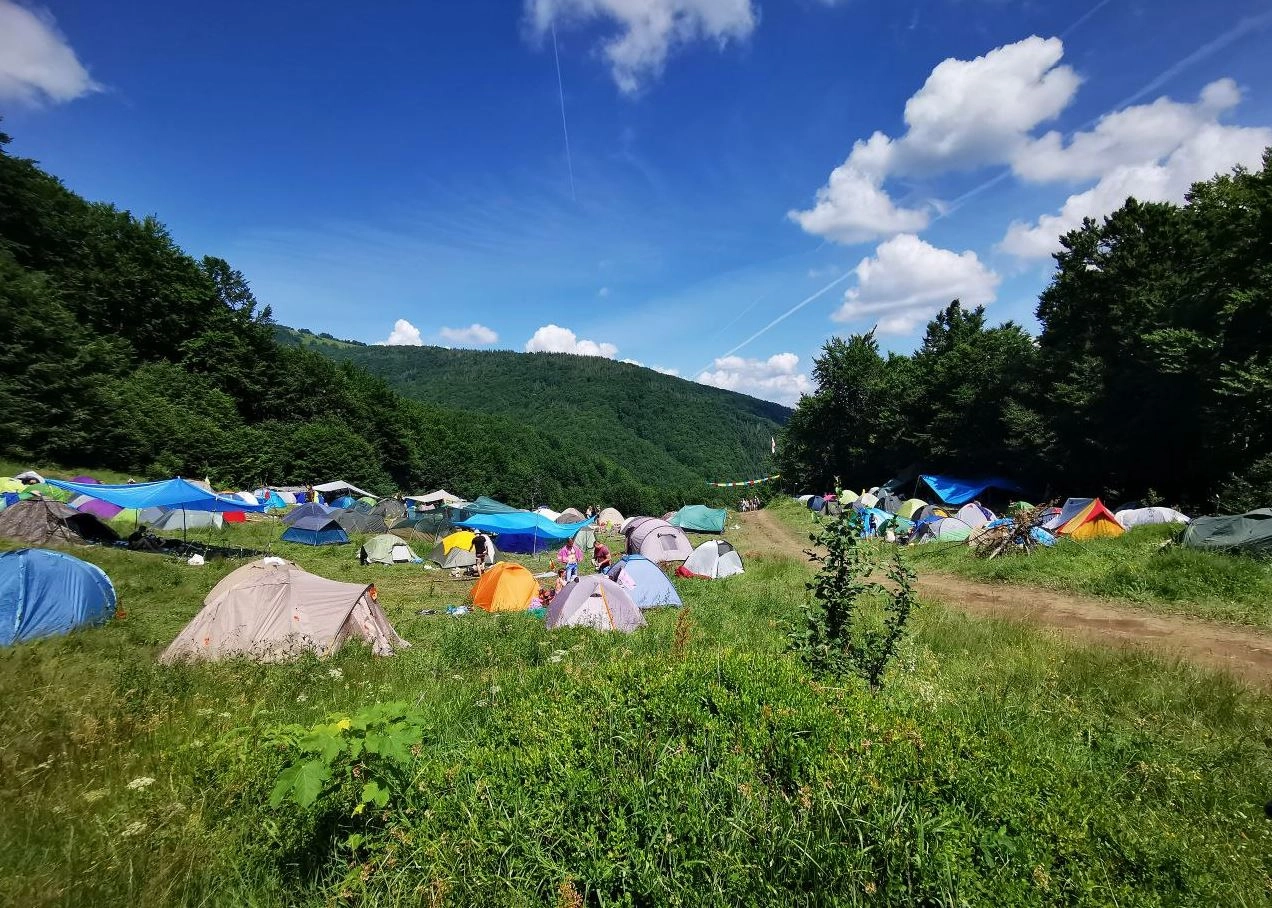
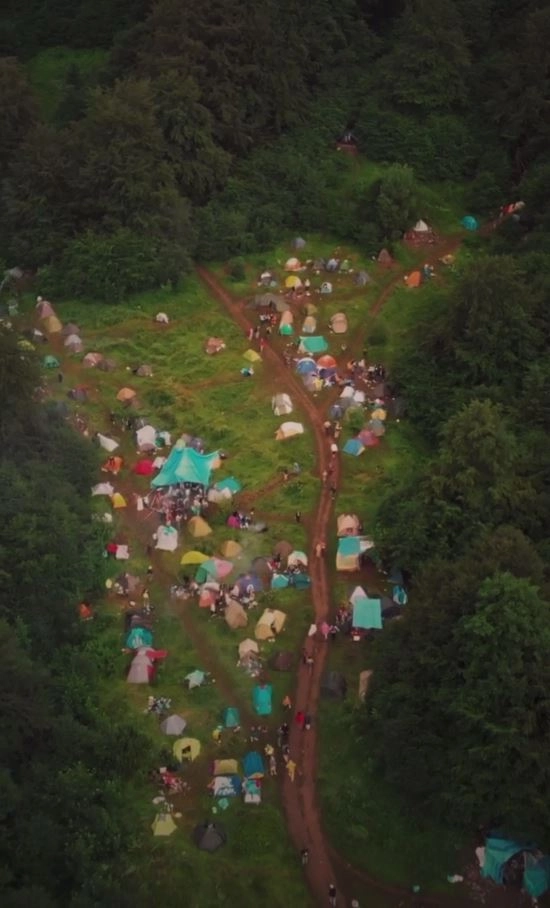
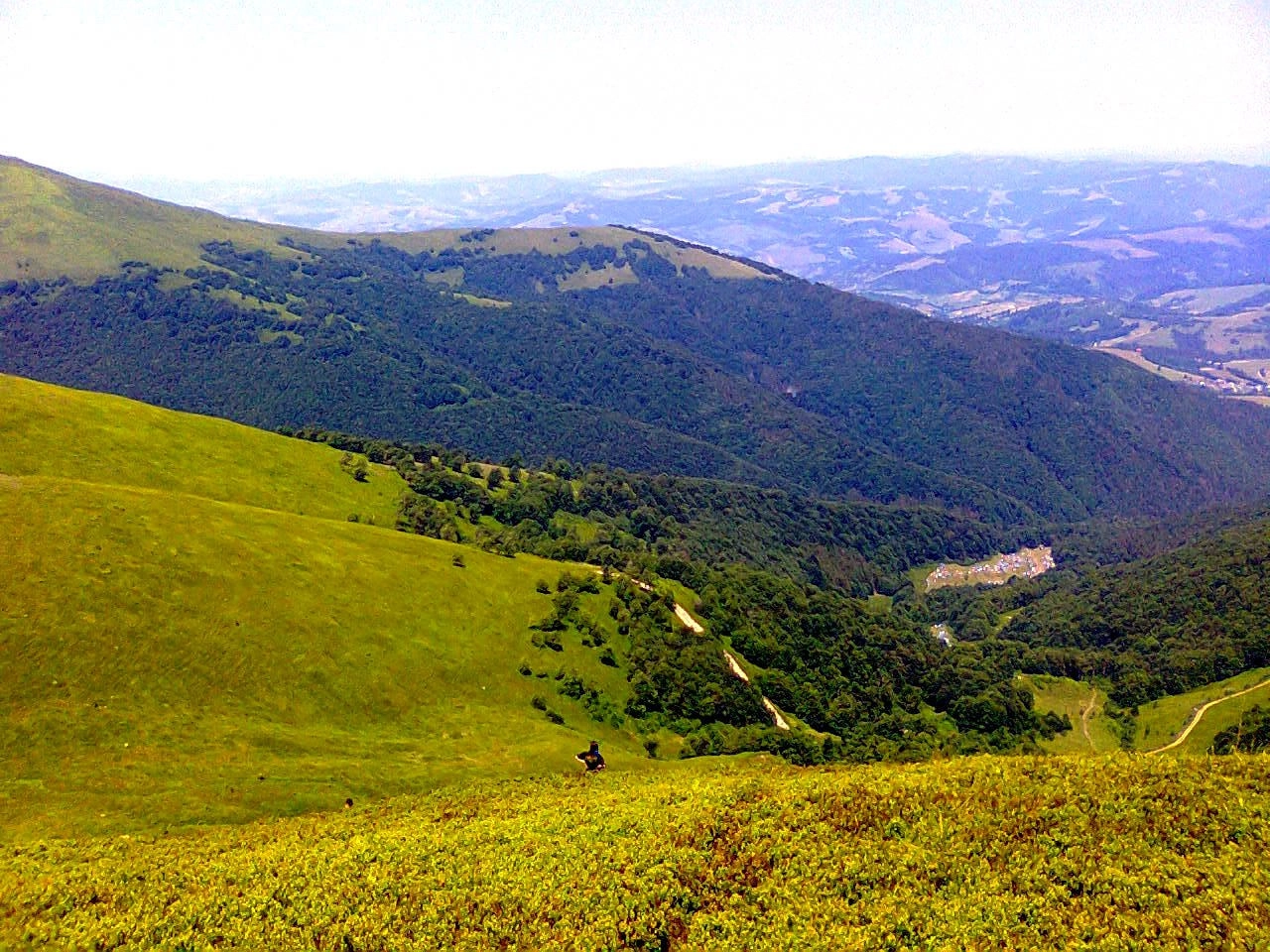
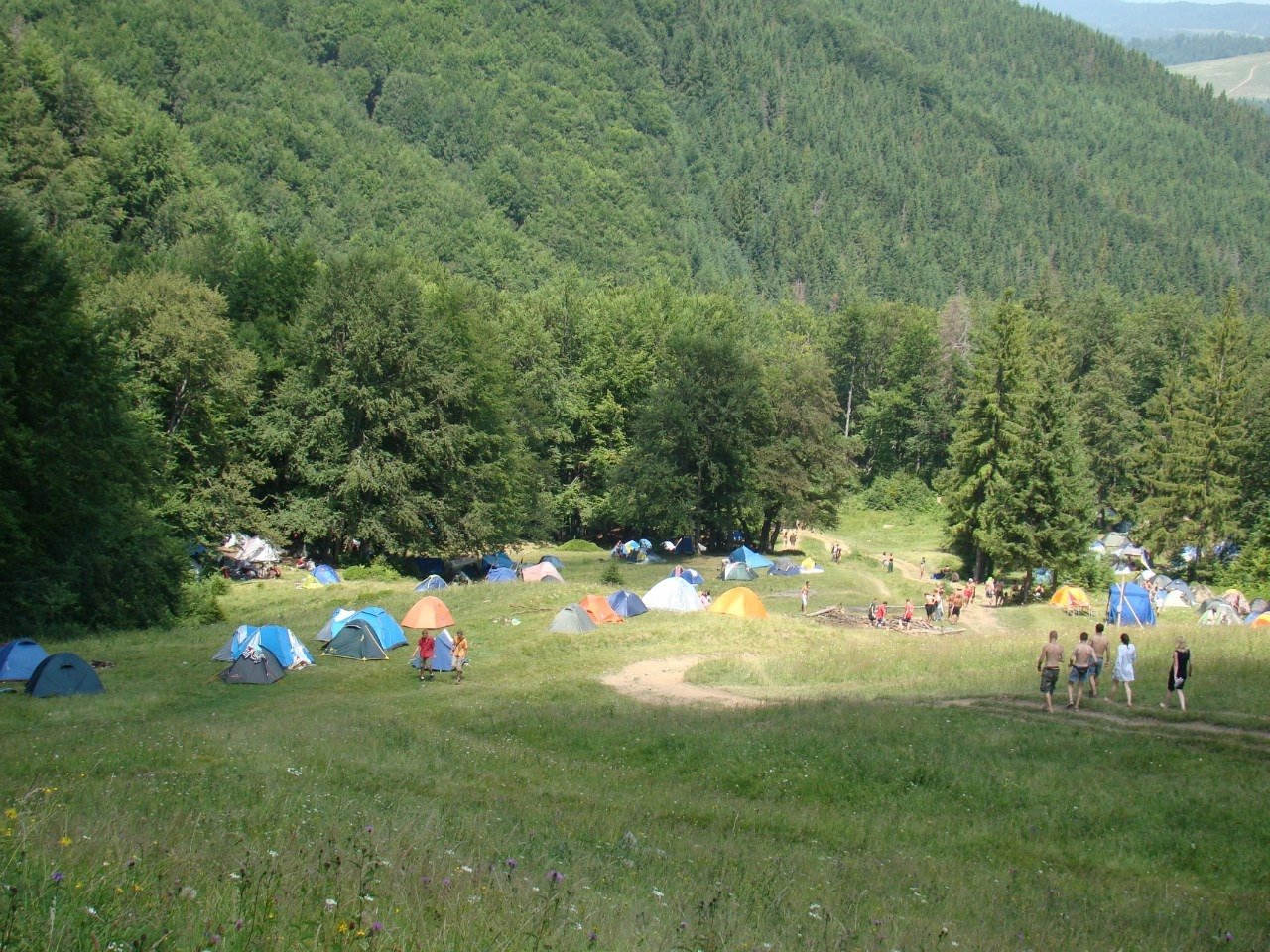
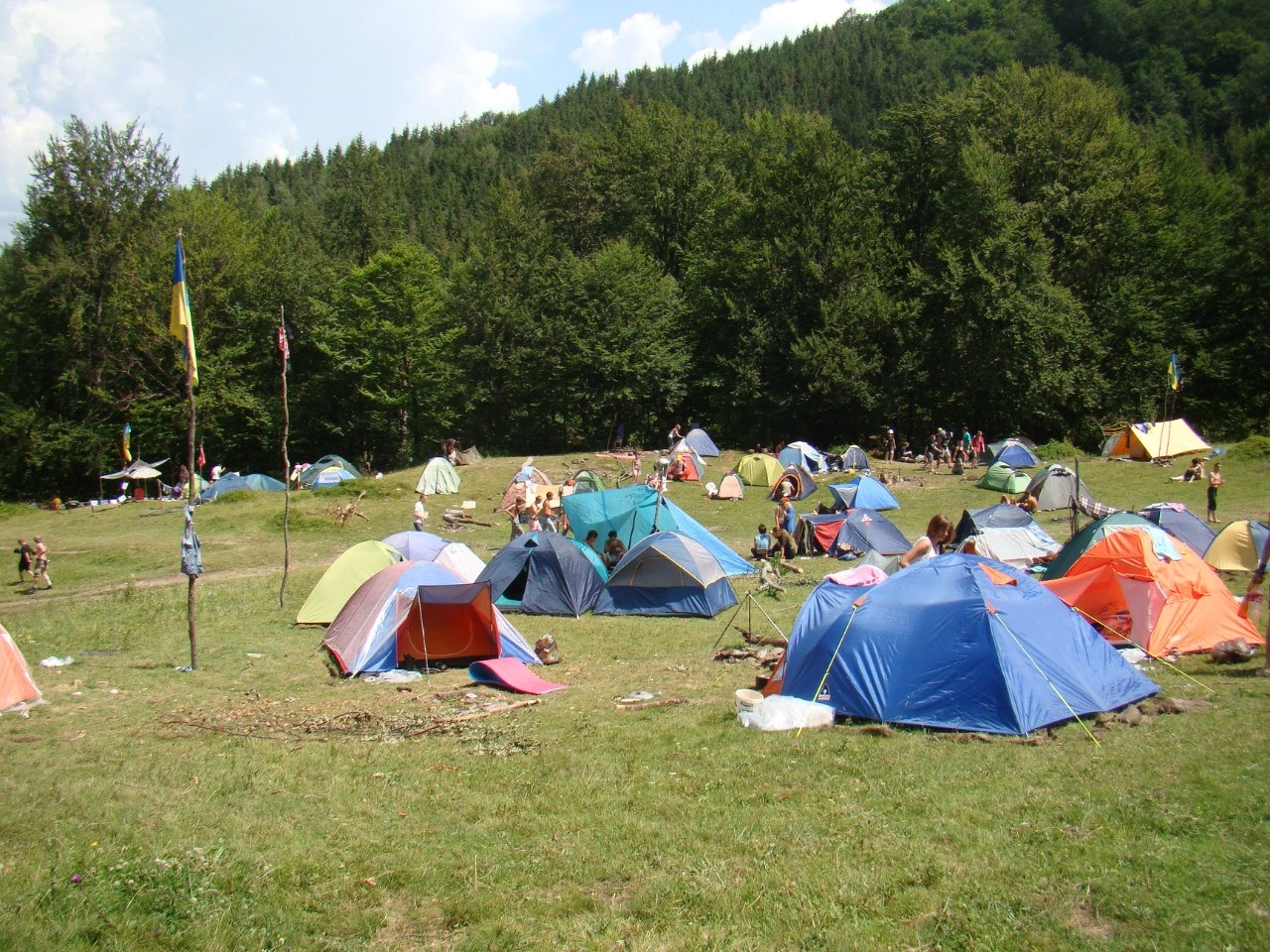
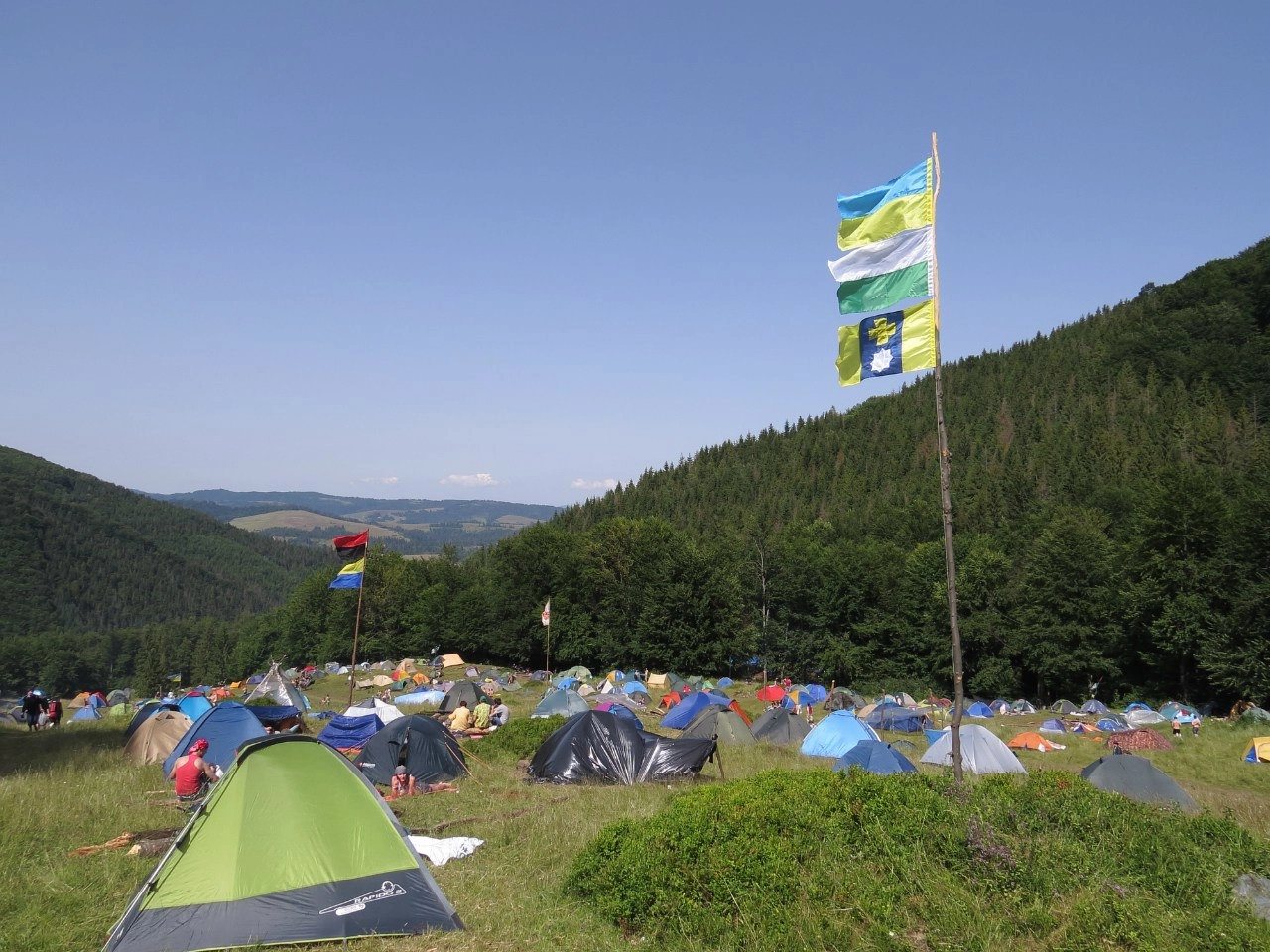
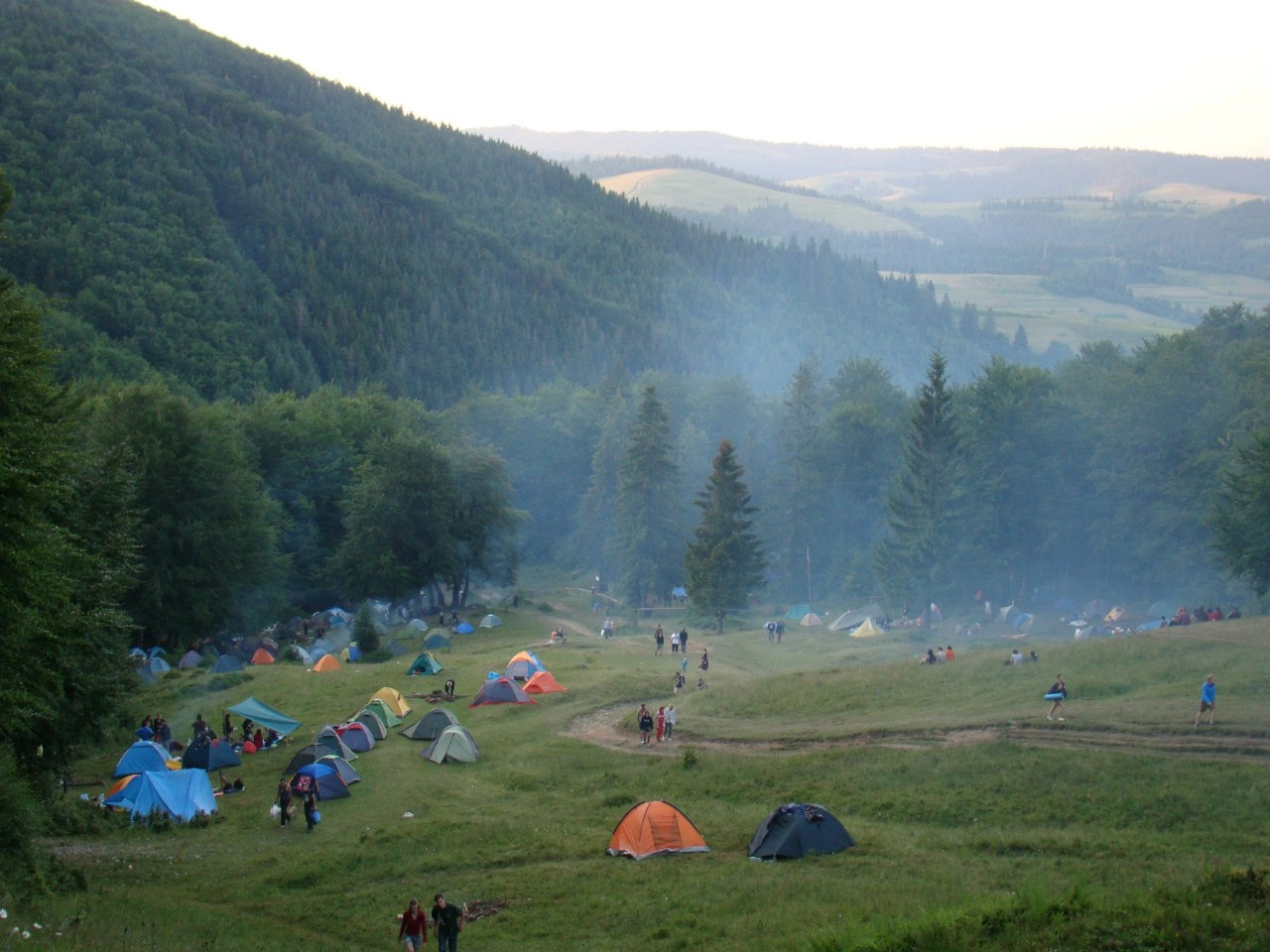
Nestled deep within the breathtaking Carpathian Mountains of Ukraine, a unique and captivating festival unfolds every year, drawing in a diverse gathering of free-spirited individuals from around the world. This is the Shypit festival, a celebration of life, love, and the unwavering human spirit that has been taking place for over 30 years.
The name of this remarkable event is derived from the Shypit waterfall, which cascades down the mountainside, providing a stunning backdrop to the festivities. It is here, in this serene and picturesque setting, that thousands of people come together to escape the constraints of modern life and immerse themselves in a world of unbridled freedom and self-expression.
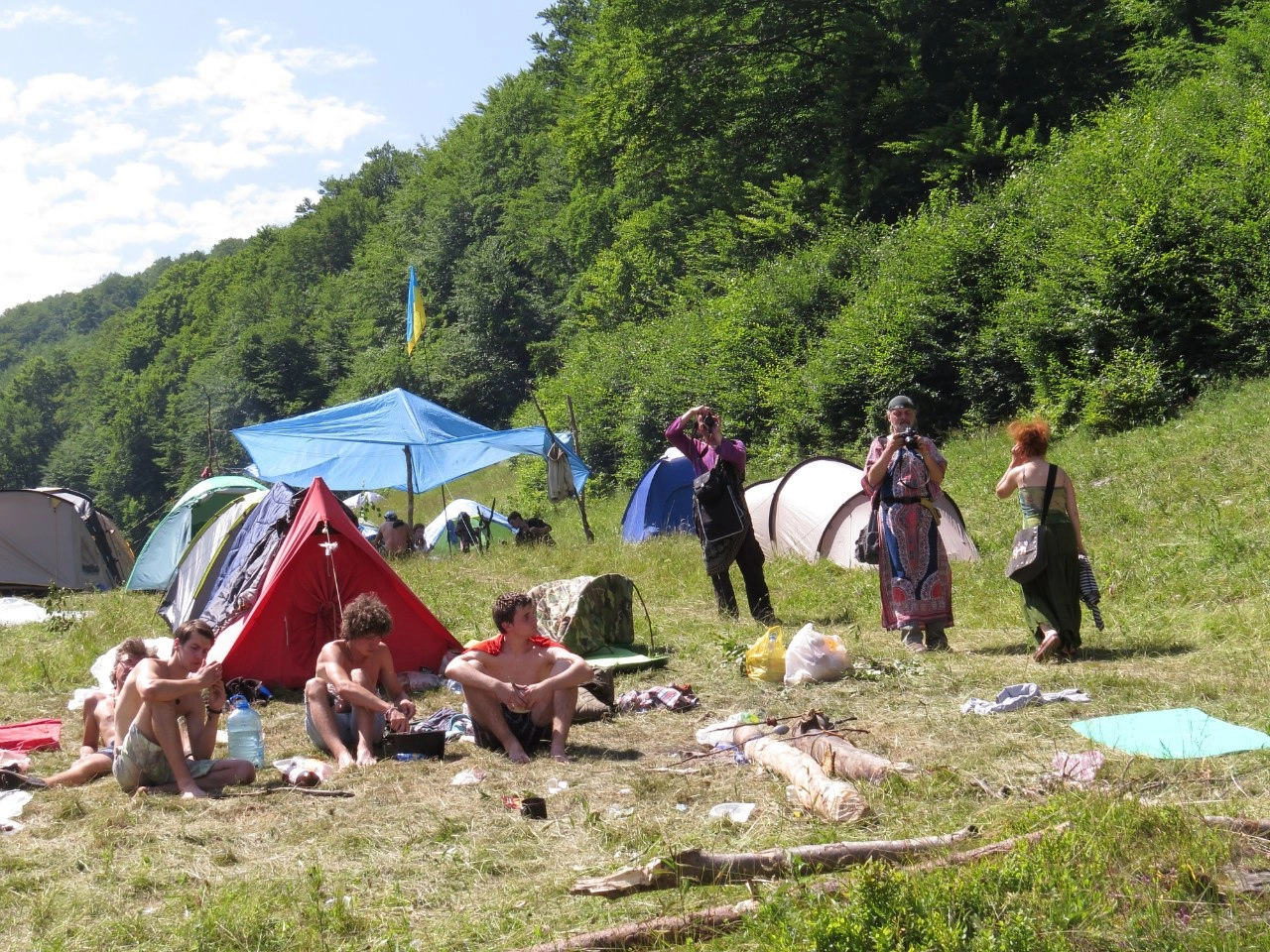
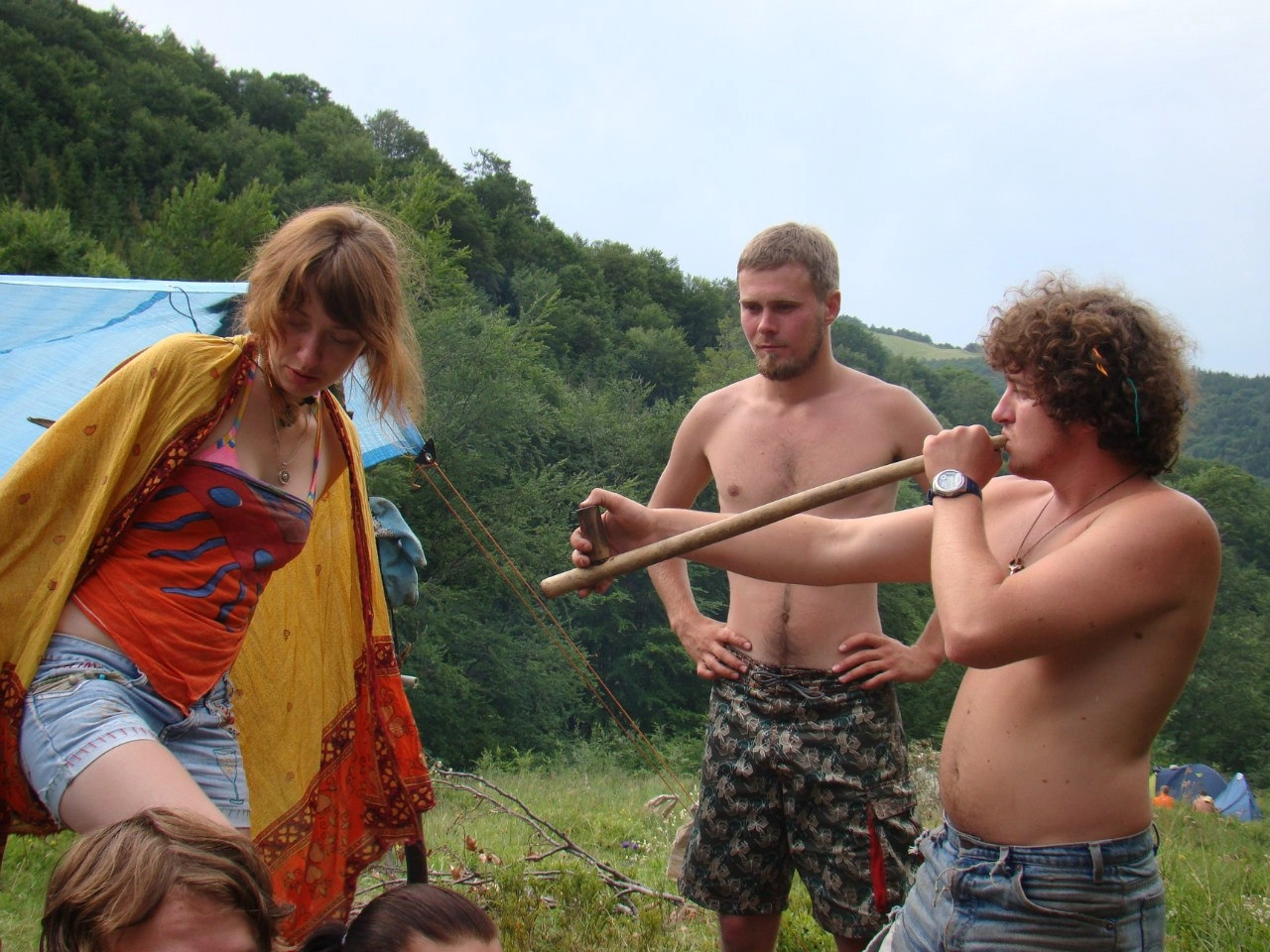
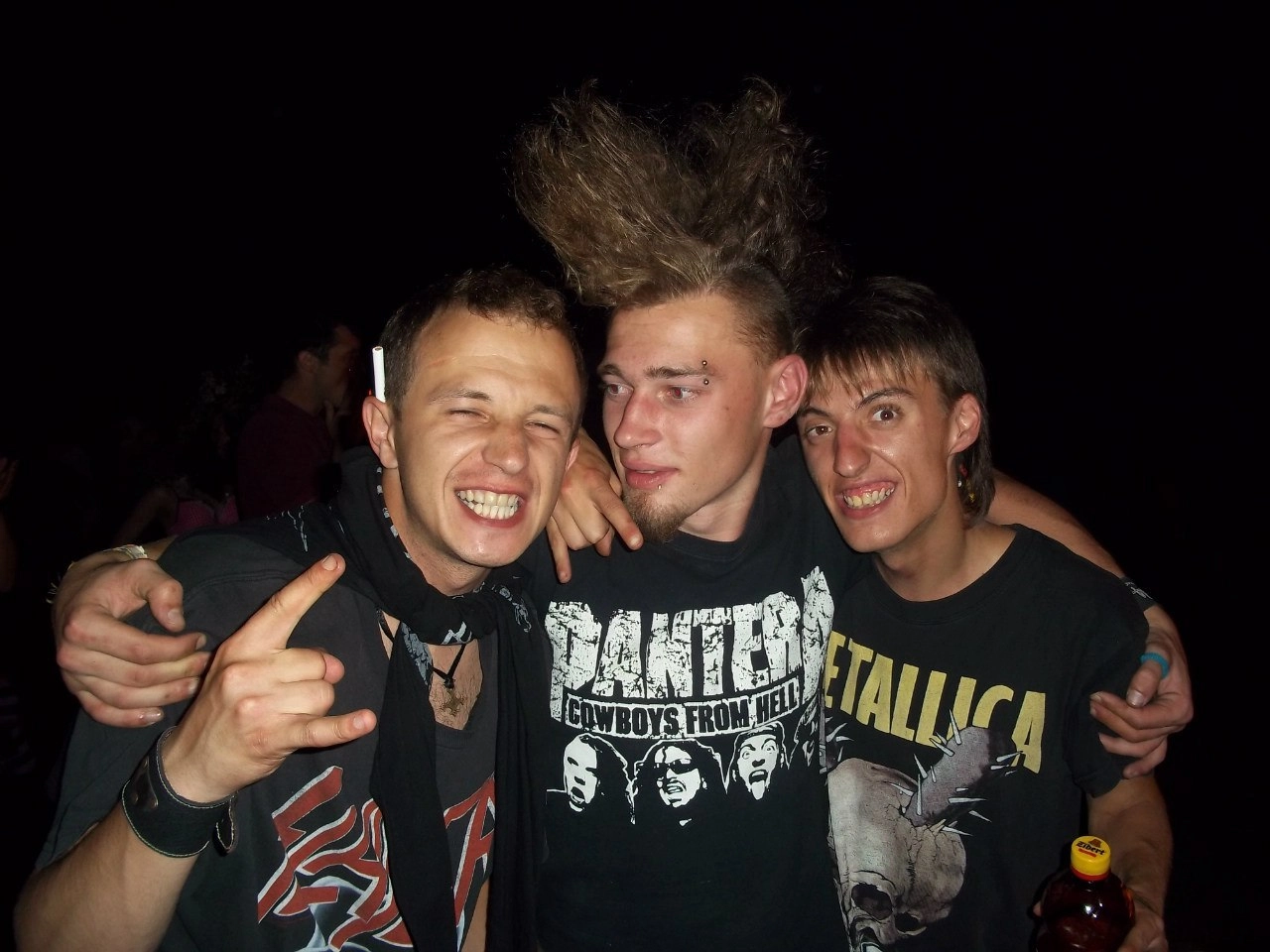
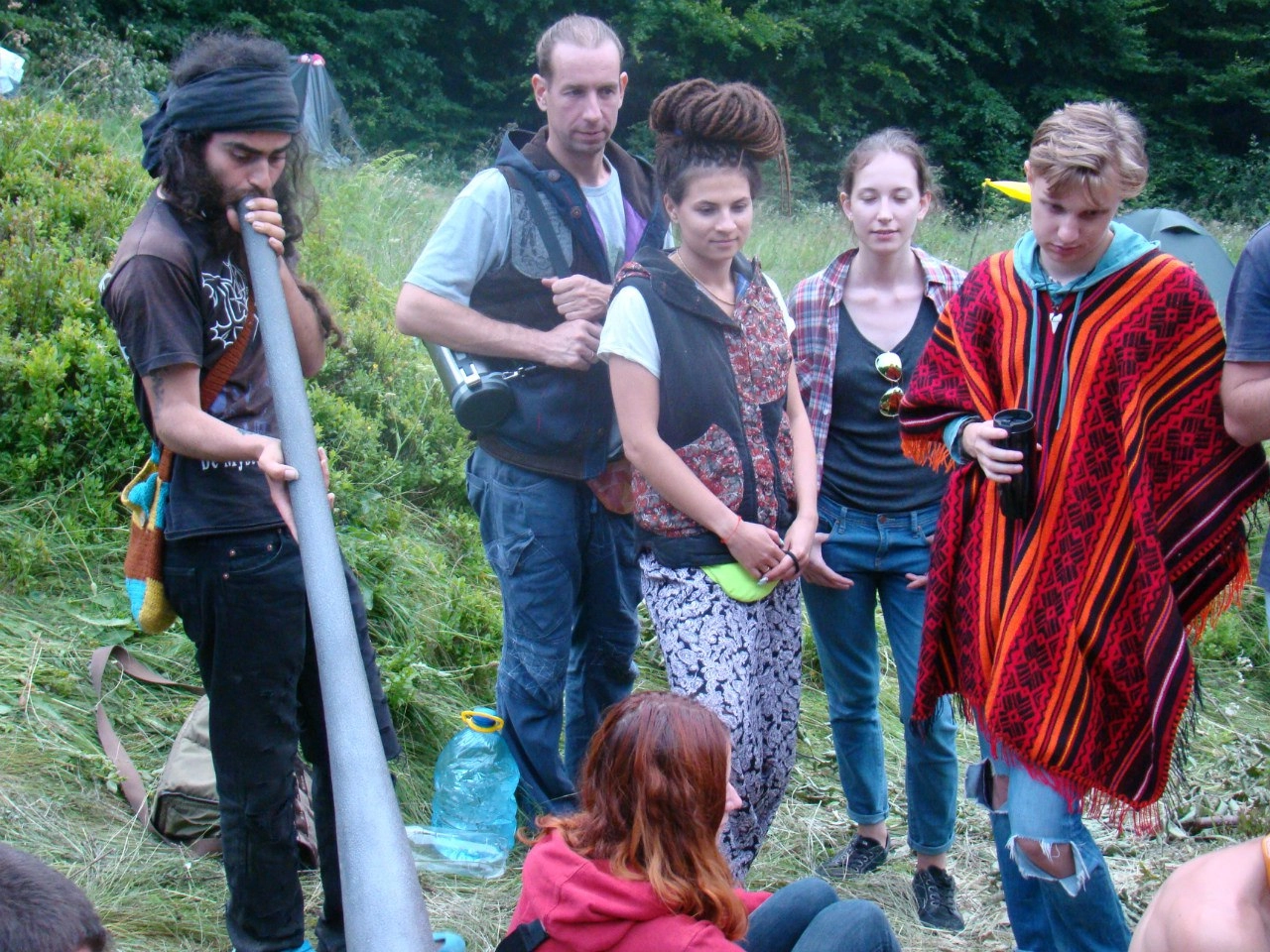
The festival attracts a diverse crowd, including hippies, punks, goths, rastafarians, nudists, and other non-conformists. Despite their different subcultures, they all come together in a spirit of tolerance and respect, united by their desire for freedom and their rejection of mainstream society. As one participant described it, "It doesn't matter who you are or how you're dressed. Here, everyone is equal."
The Origins and Evolution of Shypit
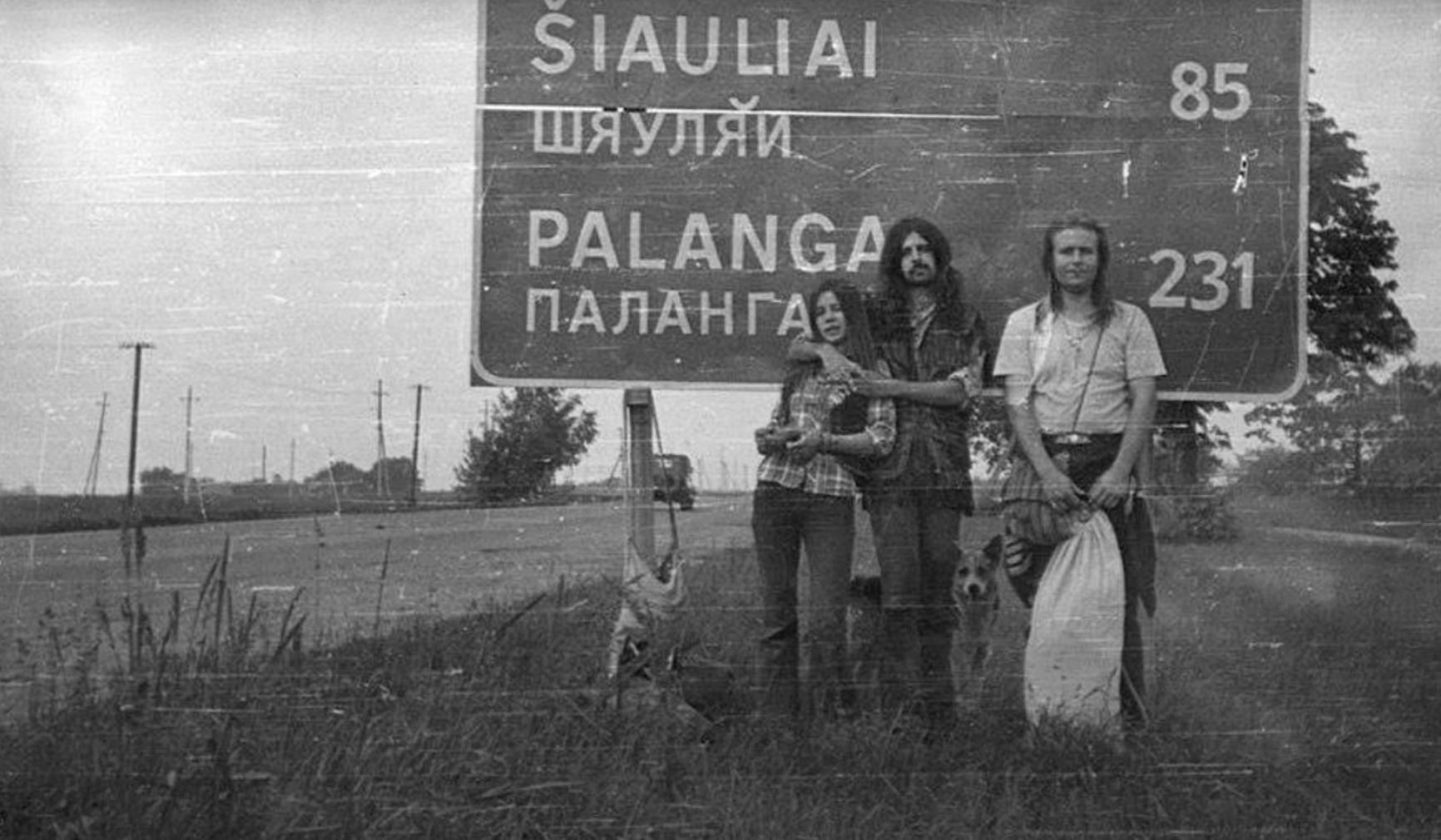
The Shypit festival in the Carpathian Mountains of Ukraine has its roots firmly planted in the hippie counterculture that emerged in the Soviet Union during the 1970s. According to the "first-source" participants still living today, the very first such gathering took place on the Gauja River in Latvia in 1970. For the next 20 years, these meetings continued to be held in Latvia, until the introduction of visa requirements between the Soviet republics forced the festival to slowly migrate eastward into Ukraine.
The hippie lifestyle and ethos that defined these early gatherings were a stark contrast to the rigid conformity of life under Soviet rule. Seeking freedom, self-expression, and a deeper connection to nature, these young nonconformists would gather in makeshift tent encampments to celebrate, commune, and escape the constraints of the outside world. Music, art, free love, and a rejection of materialism were the hallmarks of these underground hippie communities.
The Shypit festival can be seen as a direct continuation of this tradition of hippie counterculture in the USSR. As the Soviet system began to crumble in the late 1980s and early 1990s, the festival found a new home in the Carpathian Mountains of western Ukraine, where it has flourished ever since.
The first Shypit festival in Ukraine took place in 1993, thanks to the efforts of a hippie couple from Uzhhorod - Charley and Shara - and their close friends. As the visa restrictions between the former Soviet republics made it increasingly difficult for the festival's participants to gather in Latvia, this couple stepped in to establish a new home for the event in the Carpathian region of Ukraine.
The decision to relocate the festival to Ukraine was a natural one, as the Carpathian Mountains offered a landscape and environment that closely mirrored the rugged beauty of the Latvian countryside where the gatherings had previously taken place. The waterfall known as Shypit, after which the festival is named, became the focal point of the new location - a stunning 14-meter cascade that provided the perfect natural backdrop for the hippie encampment.
In that first year, 1993, hippies from across the former Soviet Union flocked to the Carpathian Mountains to participate in the reborn festival. The spirit of freedom, self-expression, and connection to nature that had defined the earlier gatherings in Latvia was alive and well in this new setting. The festival had found a new home, and a new generation of participants was ready to carry on the tradition.
In the early years, the festival was very much oriented towards the closed-off hippie community, catering exclusively to those who identified with the counterculture movement. However, as the festival's reputation and popularity grew, the number of participants expanded, and the demographic shifted to include a wider range of nonconformist subcultures - punks, goths, rastafarians, nudists, and more.
This diversification of the festival's attendees has been driven in part by the coming-of-age of a new generation - those who were conceived in the free love of the festival's early days in the 1990s. As these "second-generation" free spirits have grown up and become involved in the event, they have naturally begun to shape its direction and character.
While the festival may have lost some of its exclusively hippie flavor, the overall spirit of freedom and self-expression remains intact. As one long-time participant, the hippie Sasha Feshchuk from Zdolbuniv, once said, "Only a truly free person can live by the laws of love." This sentiment continues to permeate the Shypit festival, where participants are free to move at their own pace, engage in whatever creative pursuits they desire, and simply revel in the liberation from the constraints of everyday life.
Over time, the festival has also become more welcoming to families, with many participants bringing their children to experience the joys of living in close connection with nature. The children thrive in this environment, reveling in the freedom and sense of community.
The Atmosphere and Experience of Shypit
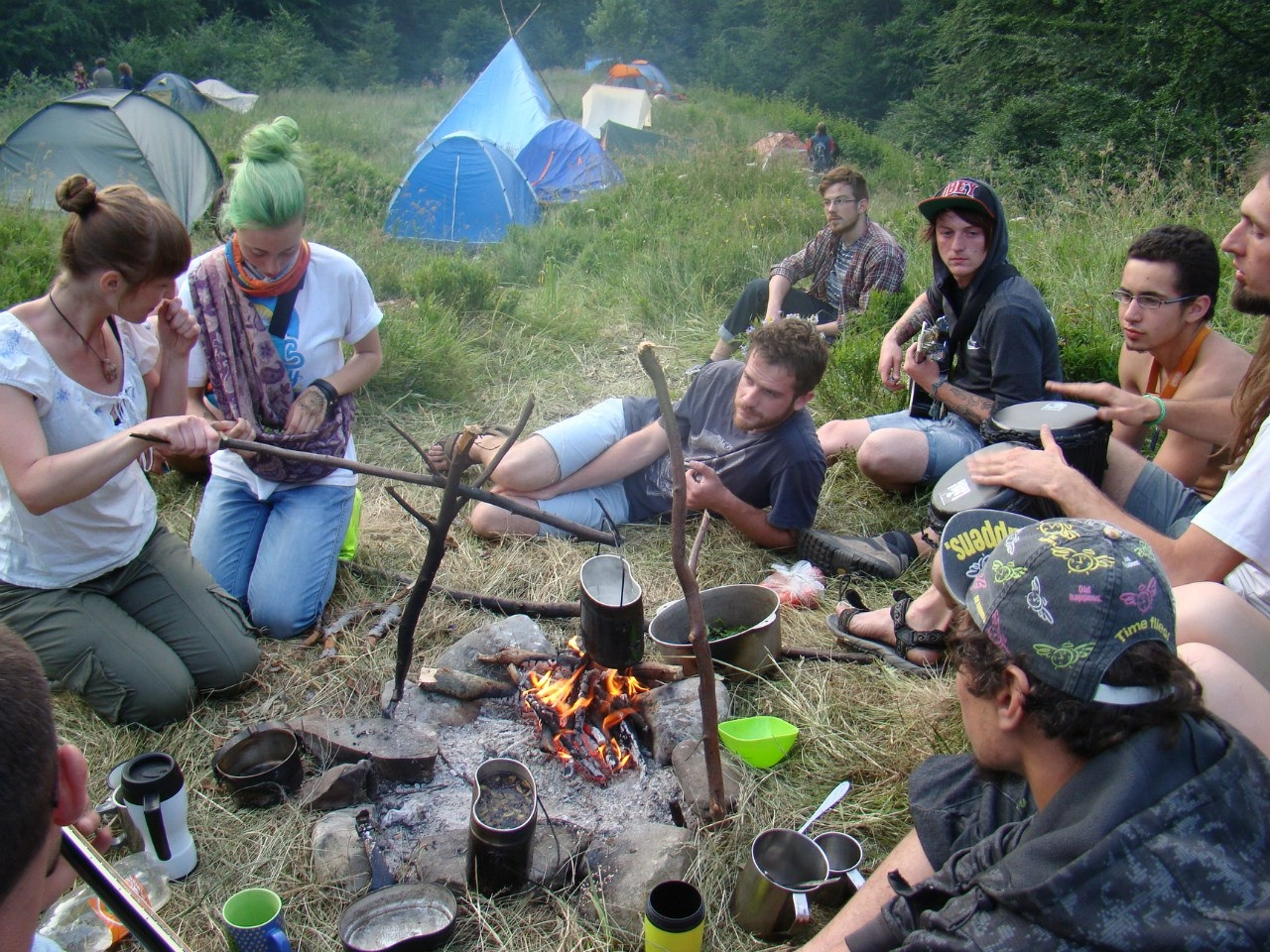
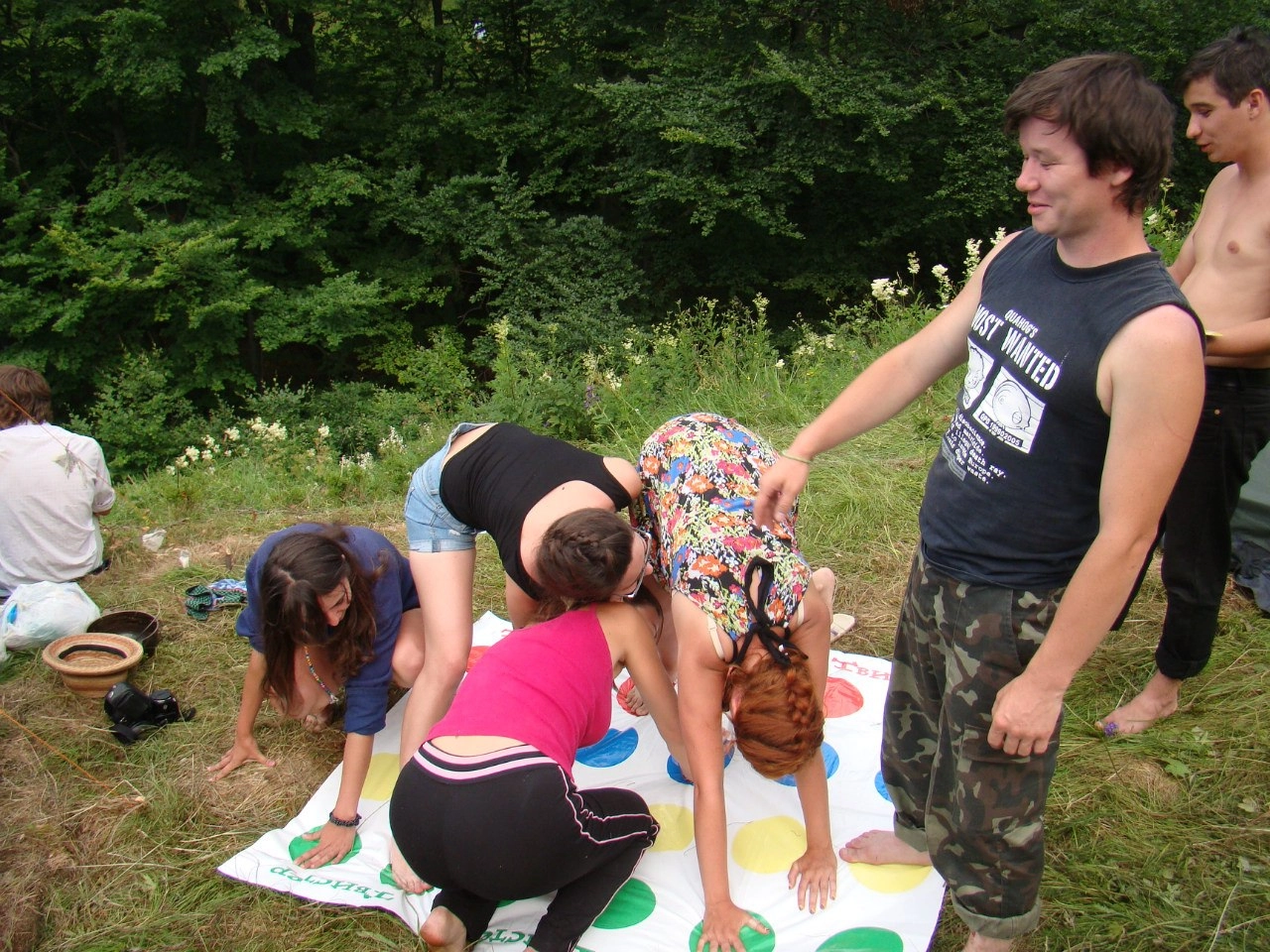
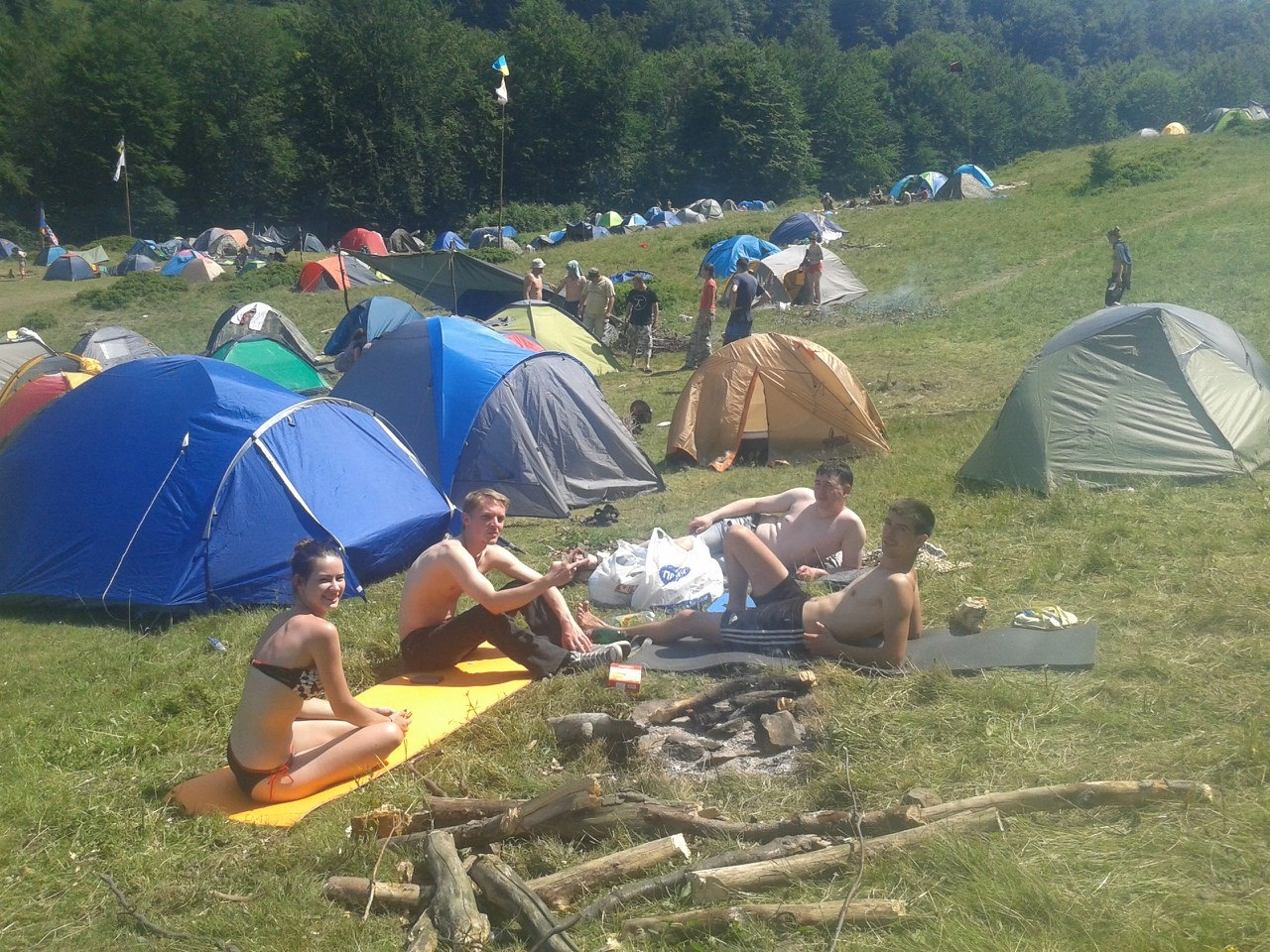
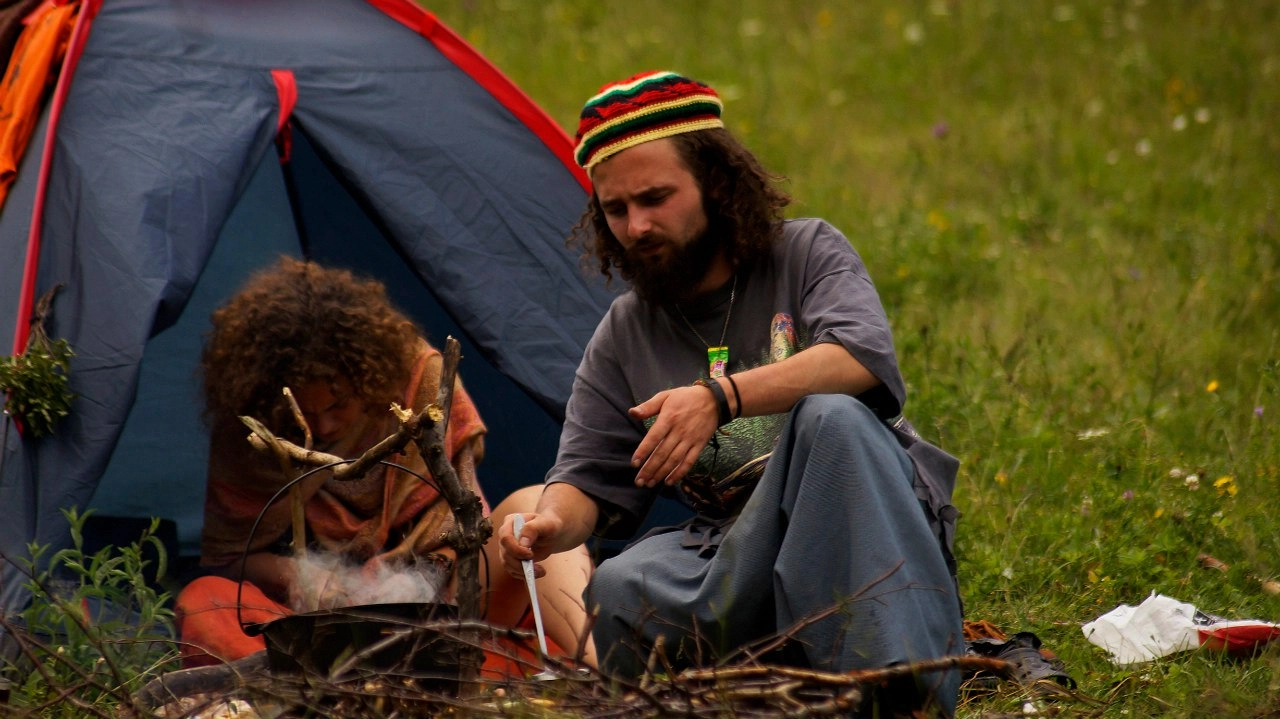
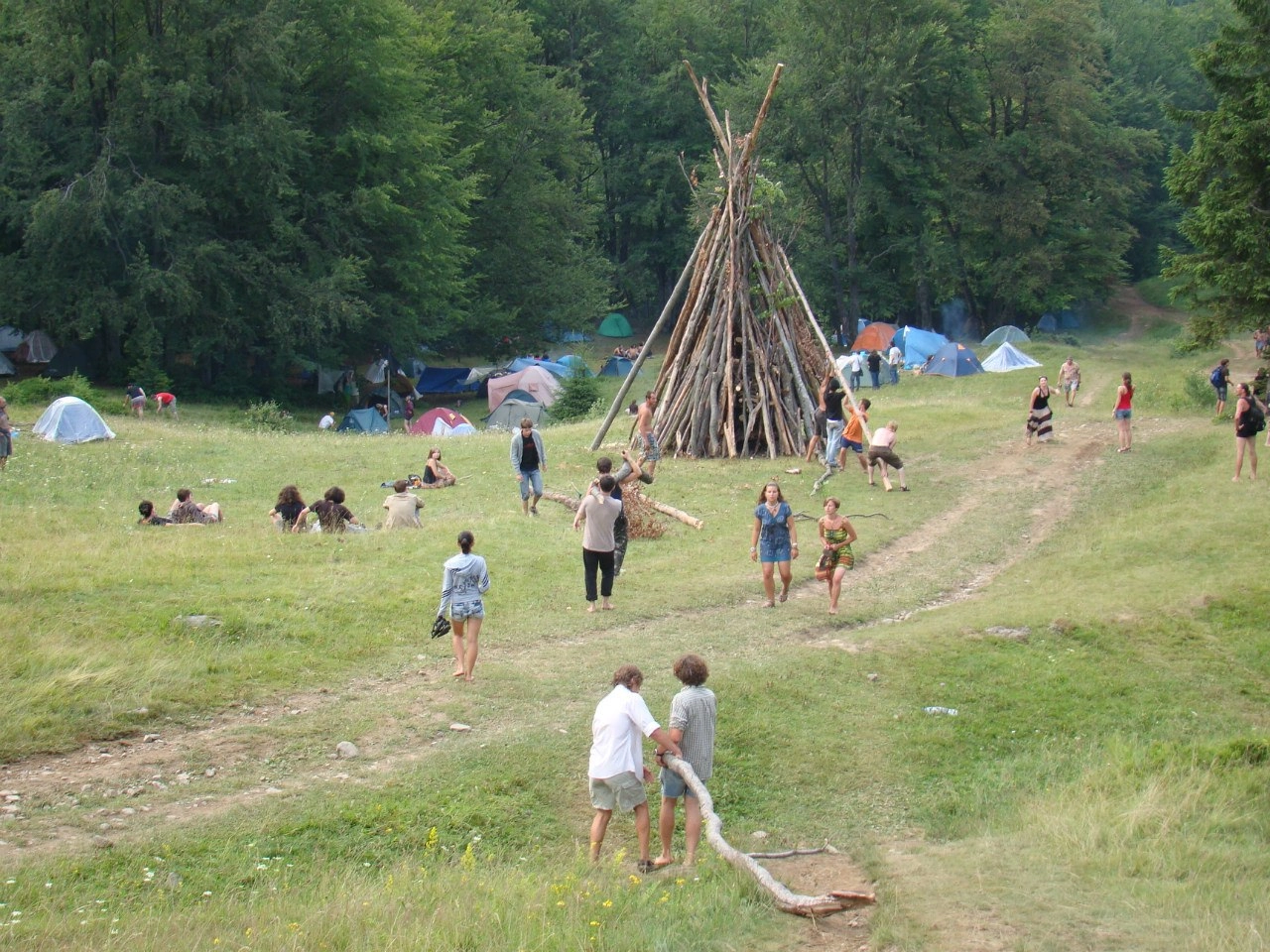
There is no set program or schedule of events - the festival simply unfolds naturally as the attendees come together and create their own experiences. People arrive with their tents, supplies, and a spirit of freedom, and then self-organize around various pursuits that interest them. Some cook meals over campfires, others play music, paint, or simply relax and enjoy the natural surroundings.
The lack of a formal structure allows for a high degree of flexibility and spontaneity. Participants are free to move at their own pace and do as they please, whether that means joining in group activities or finding a quiet spot to be alone. There are no hierarchies or rules imposed from above - the festival operates on the principle of complete freedom for all.
One of the most striking aspects of the Shypit festival is the strong sense of community and camaraderie among the participants. Despite the diversity of backgrounds and subcultures represented - from hippies and punks to goths and rastafarians - there is a prevailing atmosphere of acceptance and mutual respect.
Strangers greet each other warmly, often embracing and sharing food or drink. People freely move between the different campsites, visiting with new friends and offering assistance where needed. There is a tangible feeling of being part of a larger, interconnected tribe - a gathering of kindred spirits who have come together to celebrate their shared values of freedom, love, and connection with nature.
The result is an atmosphere of total acceptance and harmony, where people of all backgrounds and identities can come together and simply be themselves, without fear of judgment or exclusion. This sense of community and tolerance is a key part of what draws people back to Shypit year after year.
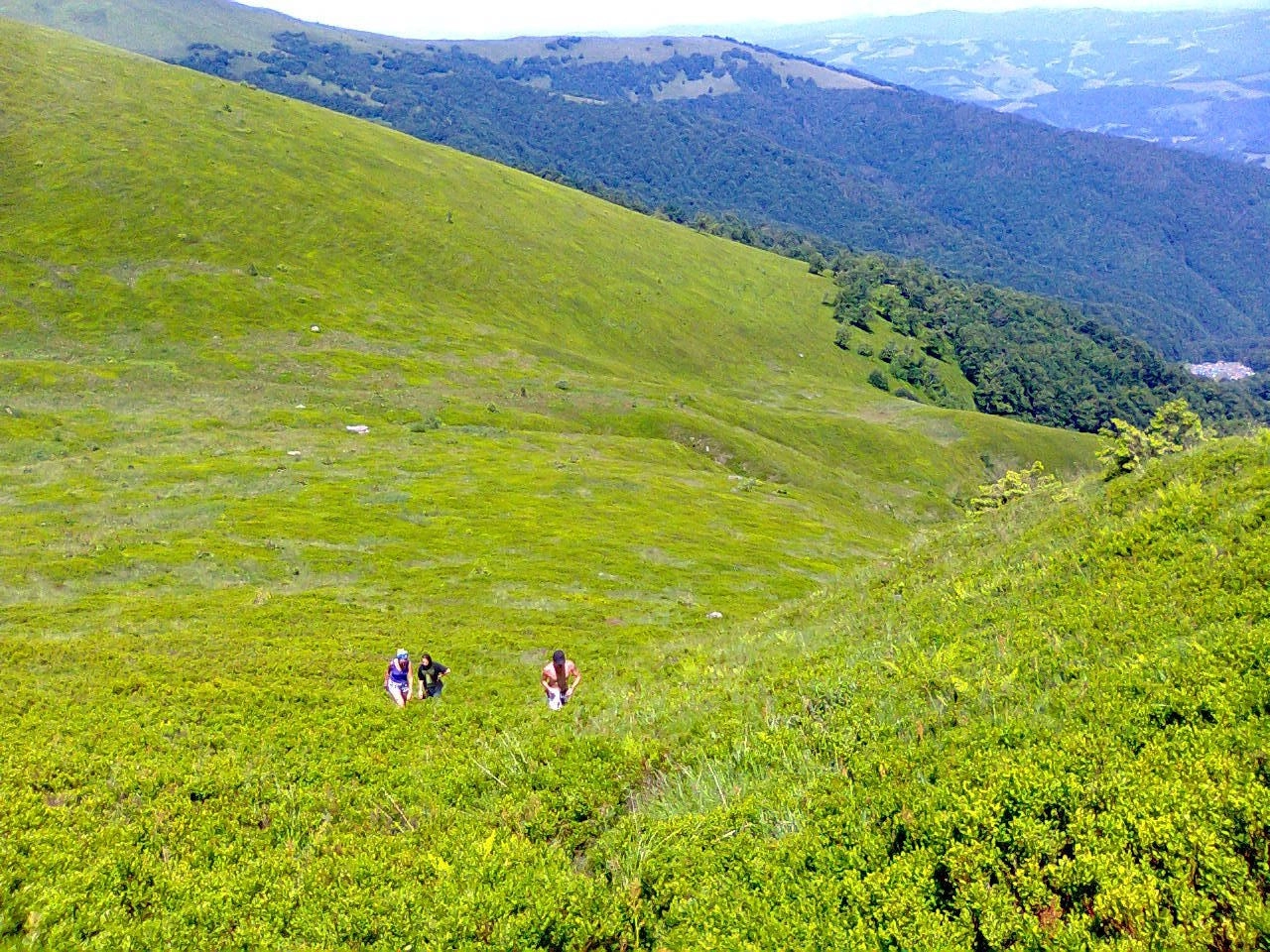
While the Shypit festival has no official program or schedule, it is filled with a rich tapestry of activities and experiences for the participants to engage in. At the heart of it all is the deep connection with nature, as the festival takes place in a stunning natural setting surrounded by the Carpathian mountains and the majestic Shypit waterfall.
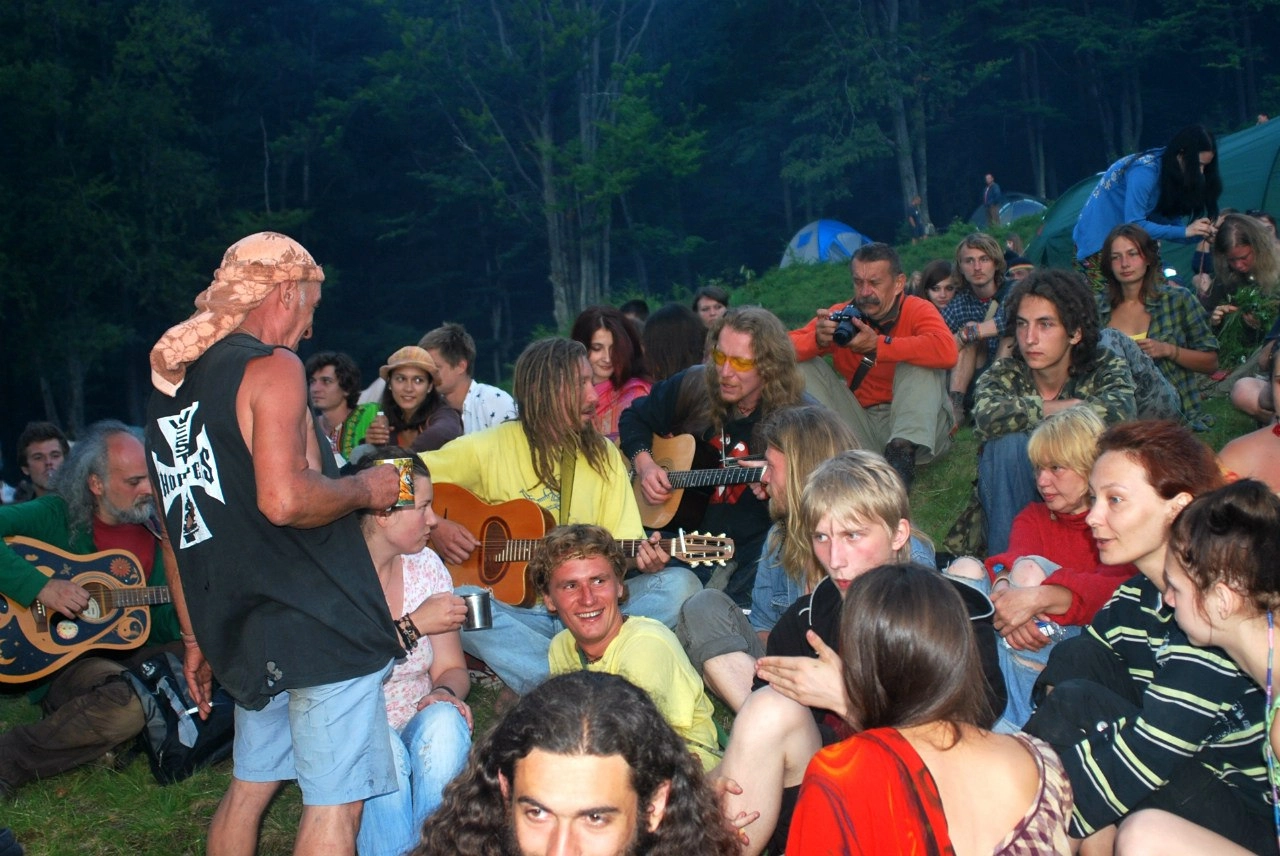
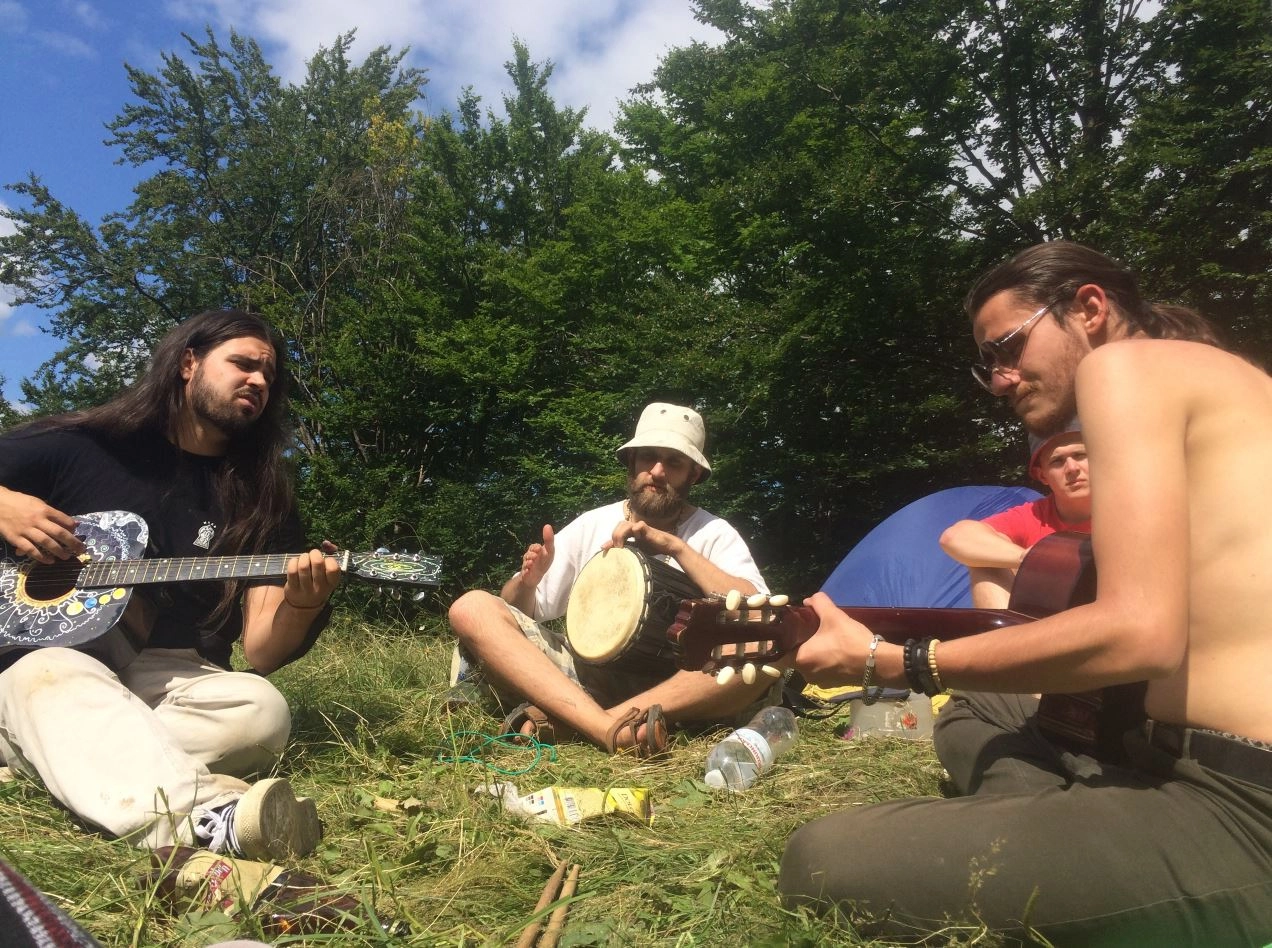
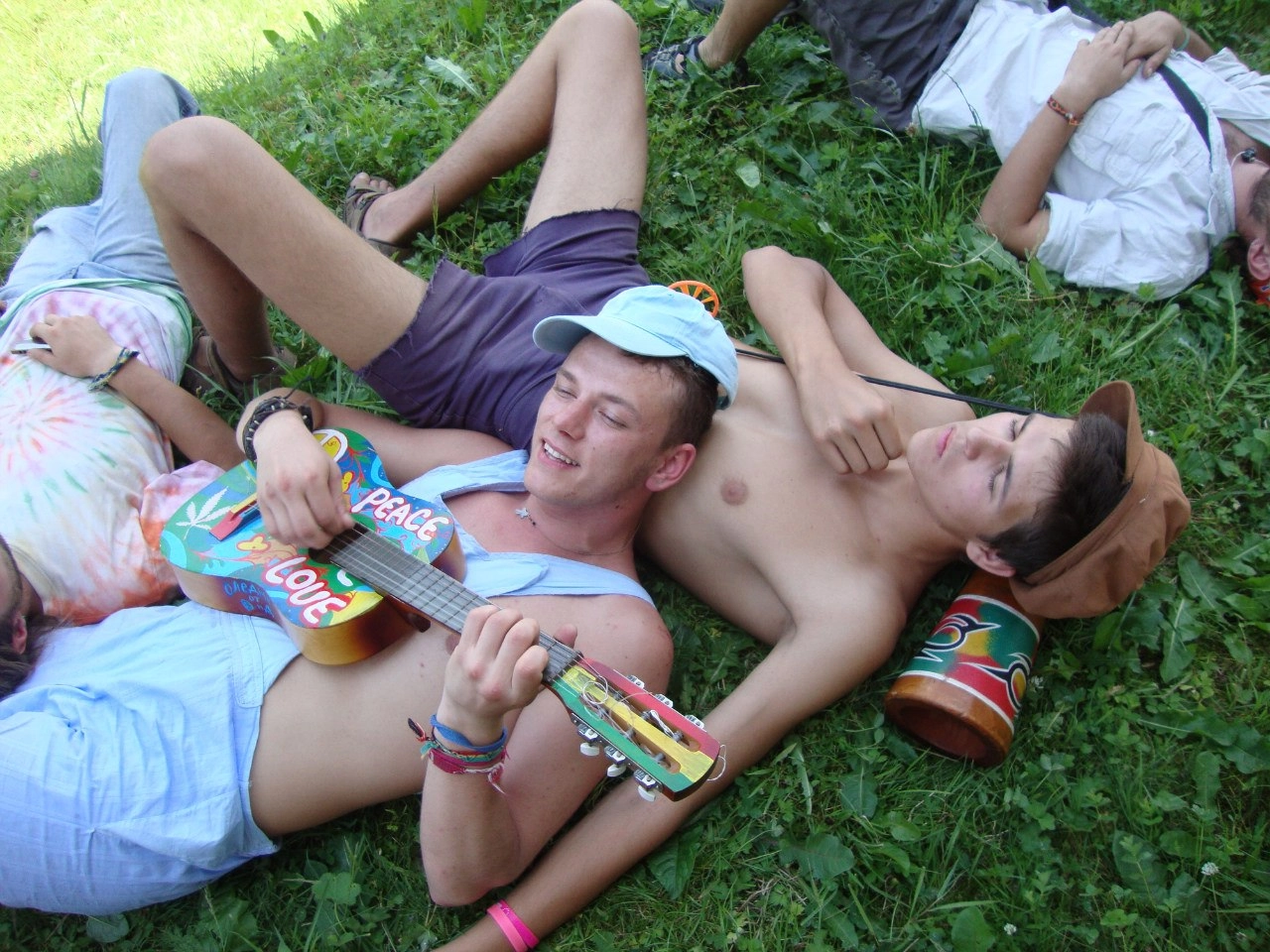
Music is a central part of the festival experience, with participants spontaneously gathering to play instruments, sing, and dance. The soundscape is a blend of acoustic guitars, drums, and other traditional folk instruments, as well as more experimental and electronic sounds. Impromptu jam sessions and performances happen throughout the day and night, creating an ever-evolving musical landscape.
Beyond music, the festival is also a hub of artistic expression. Participants engage in a variety of creative pursuits, from painting and drawing to weaving and jewelry-making. Colorful, intricate body art and temporary tattoos are also popular, with people decorating each other's skin with intricate patterns and designs.
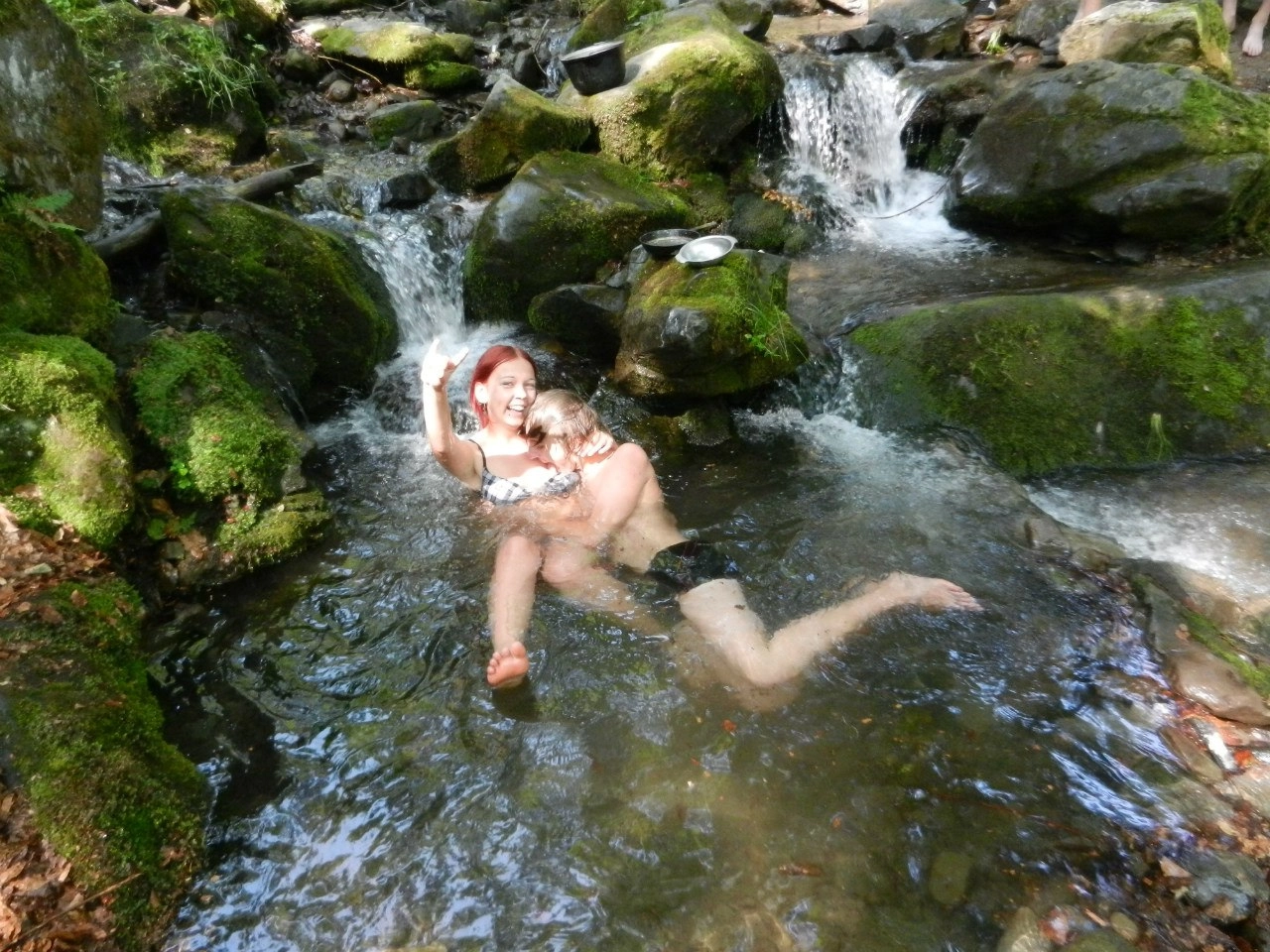
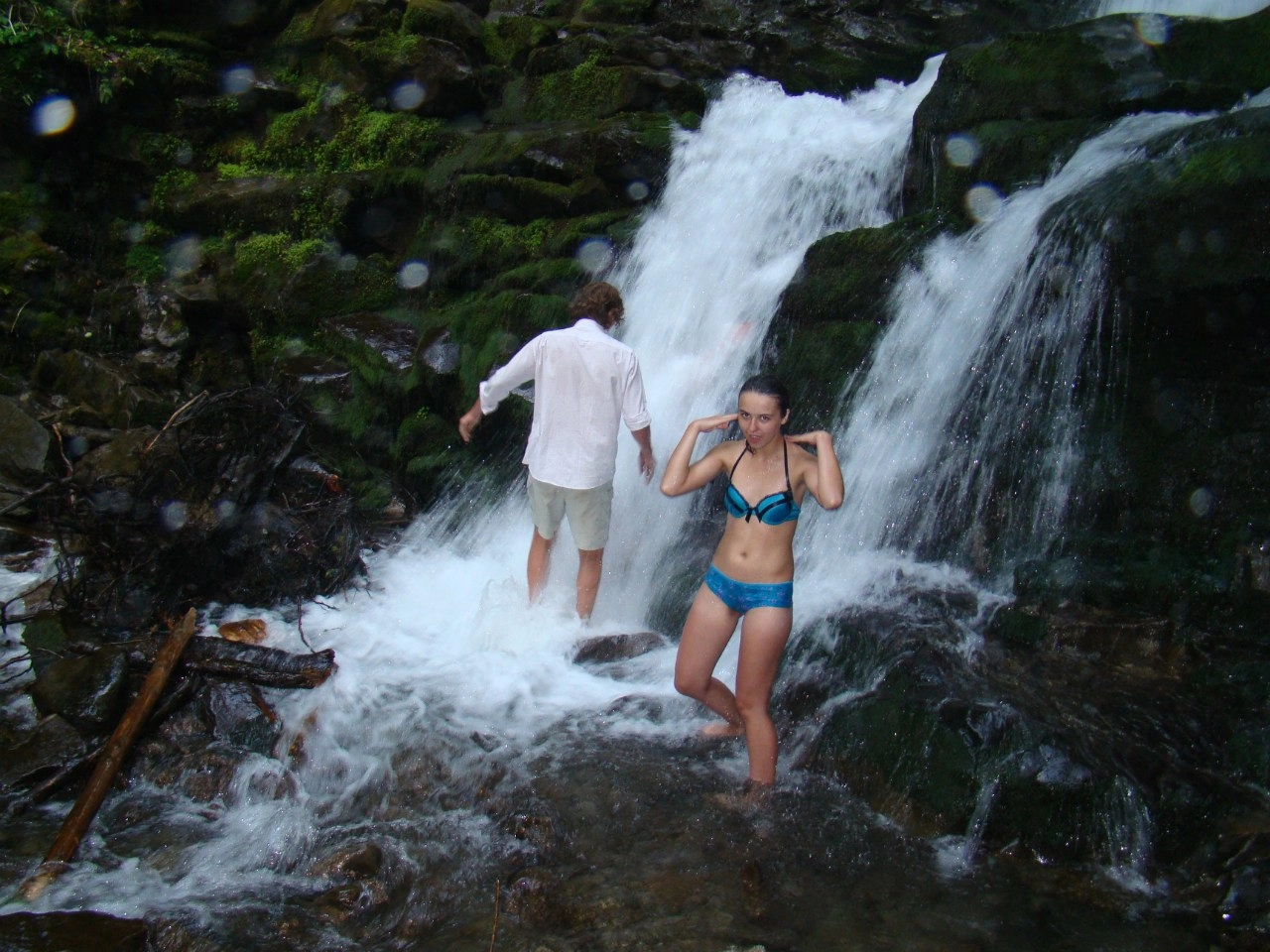
Throughout the festival, the participants engage in a range of other activities as well, from swimming in the icy waters of the Shypit waterfall to exploring the surrounding forests and meadows. Communal meals are prepared over campfires, and there is a lively informal economy of local vendors selling homemade wine, cheese, and other delicacies.
The Kupala Night Celebration
The highlight of the festival, however, is centered around the celebration of Kupala Night, a traditional Slavic pagan holiday with roots dating back centuries. Kupala Night, celebrated on the night of July 6th into July 7th, is a time-honored tradition with deep cultural and spiritual significance for the Slavic peoples.
At its core, Kupala Night is a celebration of the summer solstice, honoring the sun, fire, water, and fertility. In ancient Slavic pagan beliefs, this was a magical time when the boundary between the human and spiritual worlds was believed to thin, allowing for mystical experiences and encounters. Rituals and customs surrounding Kupala Night were intended to harness the potent energies of this liminal period, invoking blessings of health, love, and abundance for the coming year.
Many of the Kupala Night traditions revolve around the elements of fire and water. The lighting of large bonfires, known as "vatry", was seen as a way to mimic and honor the power of the sun. People would leap over the flames, believing this would purify them and bring good luck. Bathing or swimming in rivers, lakes, and other bodies of water was also an integral part of the festivities, as water was viewed as a source of ritual cleansing and renewal.
The Shypit festival taps directly into these ancient Slavic pagan roots, with the Kupala Night celebrations serving as the climactic centerpiece of the event. For the attendees, many of whom identify as modern-day "hippies" and free spirits, this connection to their cultural heritage and the natural world is a vital part of the experience.
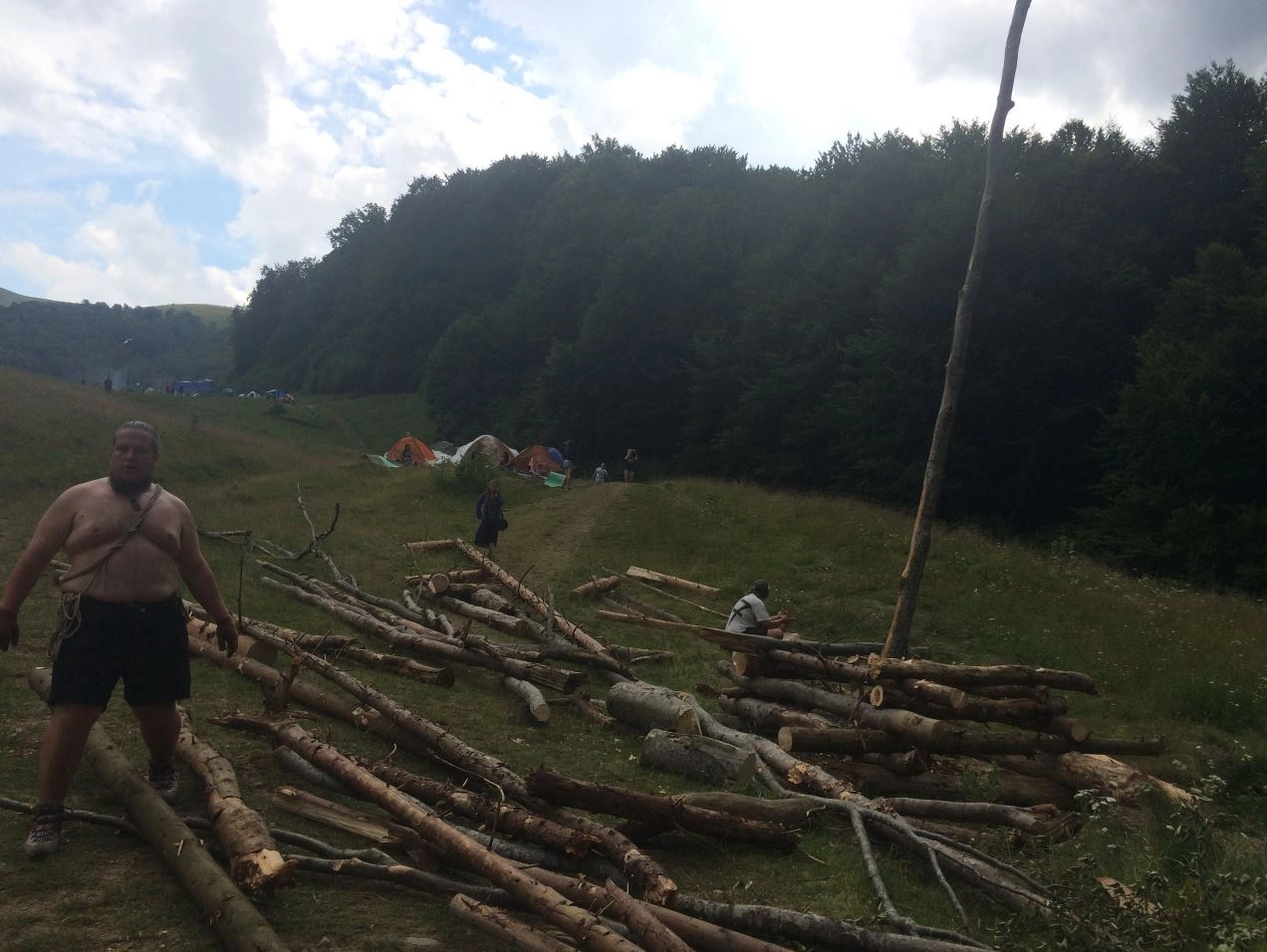
At the Shypit festival, the construction of the massive bonfire, or "vatra", is a carefully orchestrated ritual in itself. As night falls on Kupala Eve, the men of the community come together to gather the necessary materials - dry trees, logs, and branches - and assemble the bonfire in a precise, traditional manner.
The vatry is built to impressive heights, sometimes reaching 10 meters or more. Great care is taken to ensure the structure is stable and the fire will burn brightly and safely. Only dead, dry wood is used, as cutting down living trees is strictly prohibited - a testament to the festival-goers' deep respect for the natural environment.
As the bonfire takes shape, the women of the community weave intricate flower crowns, or "vinky", from field flowers and ferns. These crowns hold symbolic meaning, representing fertility, love, and connection to the natural world. The women sing and laugh as they craft the vinky, adding to the joyful, celebratory atmosphere.
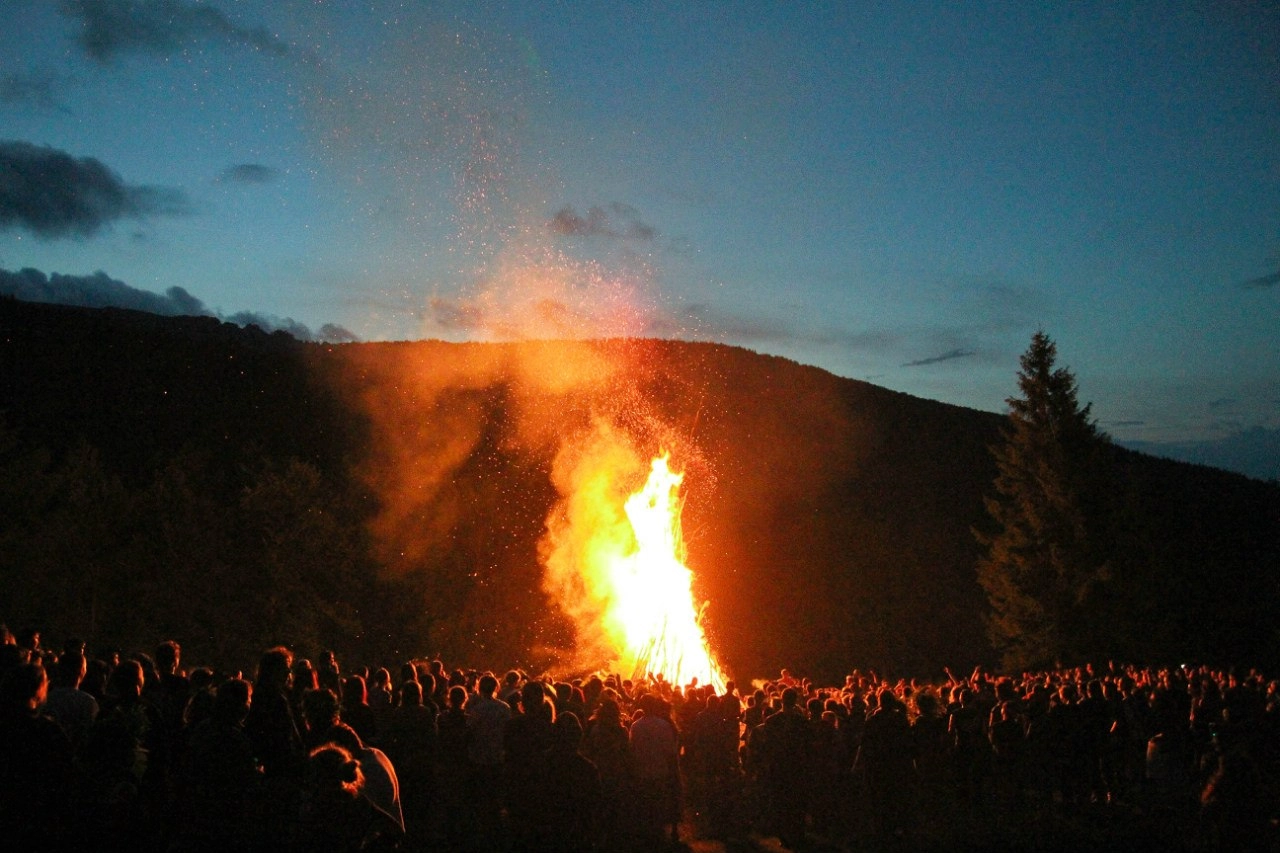
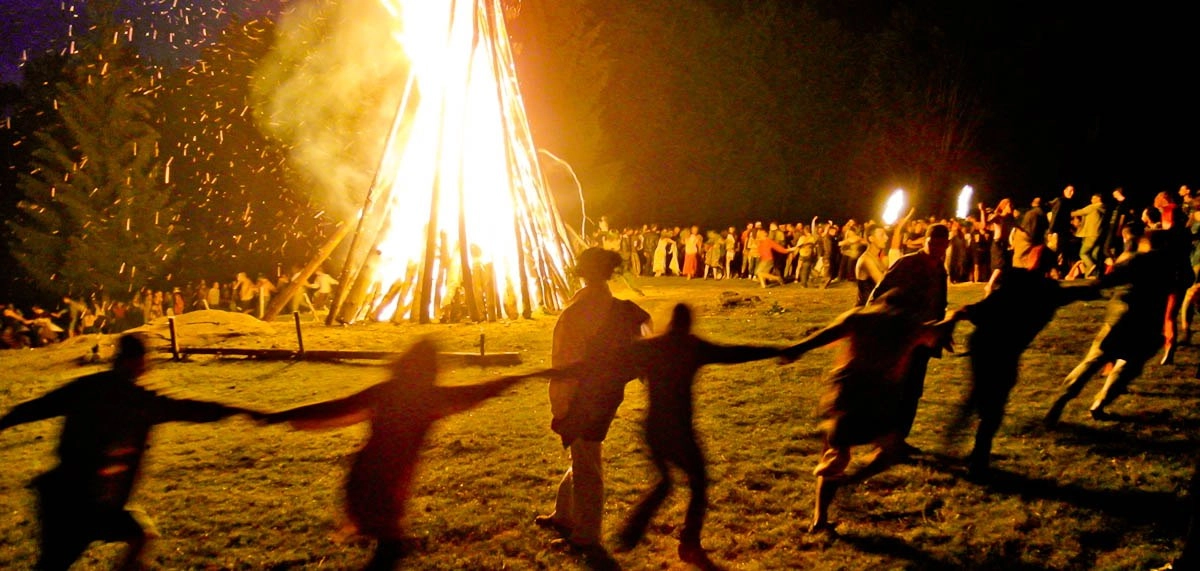
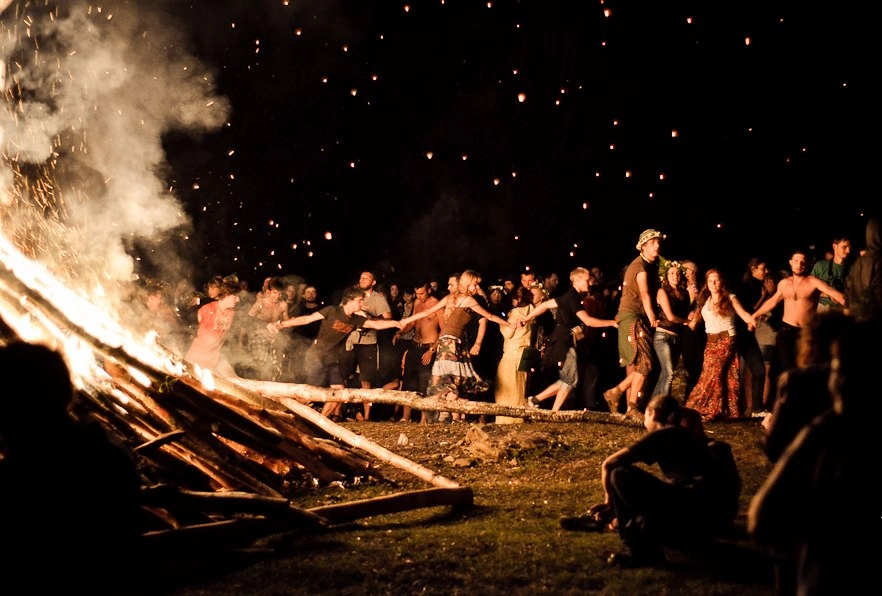
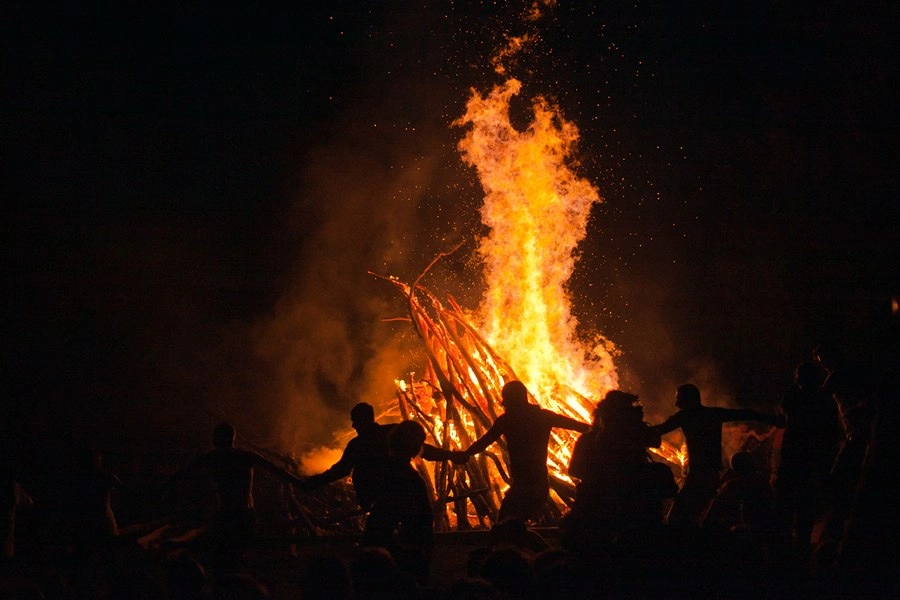
Once the vatry is complete and the vinky are ready, the lighting of the bonfire becomes the focal point of the Kupala Night rituals. As darkness falls, the men ignite the structure, and the flames leap high into the sky, accompanied by the rhythmic sounds of drums, tambourines, and other traditional instruments. The crowd erupts in cheers and song, dancing in circles around the blazing fire.
For many participants, this is a transcendent moment, a chance to connect with their ancestral roots and the elemental forces of nature. The sheer size and intensity of the vatra fire is awe-inspiring, and the communal dancing and singing create a sense of unity and shared experience.
As the Kupala Night bonfire rages, the atmosphere at the Shypit festival takes on a distinctly mystical and transcendent quality. The flickering flames, the pulsing rhythms of the music, and the uninhibited, ecstatic dancing all contribute to a sense of timelessness and connection to something greater than the individual.
Many participants describe feeling as if they have entered a trance-like state, where the boundaries between the physical and spiritual worlds blur. The intense heat of the fire, combined with the primal drumbeats and chanting, can induce altered states of consciousness, allowing attendees to tap into deeper levels of their psyche and intuition.
The dance around the vatra, in particular, takes on a shamanic quality, with some participants shedding their clothes and surrendering fully to the rhythm and energy of the moment.
Beyond the bonfire, the natural setting of the Shypit festival also contributes to the mystical atmosphere. The towering Carpathian mountains, the thundering Shypit waterfall, and the lush, verdant forest create a sense of being immersed in a sacred, primordial landscape.
For many attendees, the Shypit festival and its Kupala Night celebrations represent a rare opportunity to step outside the confines of modern, industrialized society and reconnect with the rhythms and energies of the natural world. In this setting, they are able to tap into a deep well of ancestral wisdom and spiritual renewal, leaving them with a profound sense of inner peace, joy, and belonging.
For those who have had the privilege of experiencing Shypit, the memories and the sense of connection to something greater than themselves will linger long after the last embers of the bonfire have been extinguished. And for those who have yet to discover this remarkable festival, the promise of a transformative, life-affirming experience awaits, a sanctuary where the free-spirited can truly thrive and flourish.
As we look to the future, our hearts brim with hope that the Shypit festival, along with other cherished traditions, will once again flourish in the embrace of peace. We dream of a time when the echoes of laughter and music will fill the air, when the vibrant energy of celebration will return to the fields, and when families can gather without fear or sorrow.
The war in Ukraine will one day be a chapter in history, replaced by stories of resilience and renewal. The beauty of nature will once again serve as a backdrop for love, friendship, and shared experiences. We envision a landscape where the rich flavors of traditional cuisine and fine wine flow freely, uniting friends and loved ones in joyous harmony.