


Salo, the cured and smoked pork fat, holds a revered place in the culinary traditions of Ukraine. This humble yet versatile ingredient has long been a staple in Ukrainian households, serving as a source of sustenance, a culinary delight, and a symbol of cultural identity. Beyond its mere nutritional value, salo has evolved into an art form, requiring a deep understanding of the curing and smoking processes to produce the perfect balance of flavor and texture.
Mastering Salo Techniques
The foundation of exceptional salo begins with the selection of the right pork fat. Ukrainian salo makers meticulously choose the pork fat from specific parts of the animal, such as the back, belly, and kidneys, each offering unique characteristics that contribute to the final product. The fat's marbling, thickness, and overall quality are crucial factors in determining the salo's texture and flavor profile.
Salting and seasoning
The curing process is the heart of salo-making, and it involves the careful application of salt and various seasonings. Ukrainian salo makers have perfected the art of balancing the salt content, ensuring that the final product is neither too salty nor too bland. The addition of spices, herbs, and other flavorings, such as garlic, black pepper, and bay leaves, further enhances the depth and complexity of the salo's taste.

Controlling temperature and humidity
The curing stage is a delicate dance between temperature and humidity, requiring the salo maker to maintain precise environmental conditions. The ideal temperature and humidity levels vary depending on the specific curing method, be it dry-curing or wet-curing (brining). Careful monitoring and adjustments ensure that the salo develops the desired texture, color, and flavor profile during this critical phase.
The role of smoking
Smoking is an integral part of the salo-making process, and the choice of wood used for the smoke is paramount. Ukrainian salo makers often favor hardwoods, such as oak, beech, or fruit tree woods, as they impart unique and complex aromas that complement the rich, fatty nature of the salo. The selection of the right wood is a delicate balance, as different woods can lend varying degrees of smokiness, sweetness, and even bitterness to the final product.
Achieving the perfect smoke flavor
Mastering the art of smoking salo requires a deep understanding of the process and the ability to control the smoke's intensity and duration. Ukrainian salo makers carefully monitor the temperature, humidity, and airflow within the smoking chamber to ensure that the salo is infused with the desired level of smokiness, without overpowering the inherent flavors of the pork fat.

Monitoring the smoking time and temperature
The smoking process is a carefully orchestrated dance, with the salo maker adjusting the time and temperature to achieve the perfect balance of smoke, texture, and color. Depending on the desired outcome, salo may undergo a cold-smoking or a hot-smoking process, each with its own set of parameters and techniques that the artisan must meticulously control.
Traditional methods of curing and smoking salo
Dry-curing
Dry-curing is a time-honored method of salo-making, where the pork fat is coated in a mixture of salt, spices, and sometimes sugar, and then left to cure in a cool, dry environment. This process allows the salo to develop a firm, dense texture and a concentrated, intense flavor profile. Ukrainian salo makers have perfected the art of dry-curing, ensuring that the final product is a harmonious balance of saltiness, umami, and subtle nuances of the added seasonings.
Wet-curing (brining)
In the wet-curing or brining method, the pork fat is submerged in a saltwater solution, often enhanced with additional flavorings such as garlic, herbs, and spices. This process allows for a more even distribution of the curing agents, resulting in a salo with a softer, more supple texture and a more balanced flavor profile. Ukrainian salo makers carefully monitor the brine's salinity and the curing time to achieve the desired outcome.
Cold-smoking vs. hot-smoking
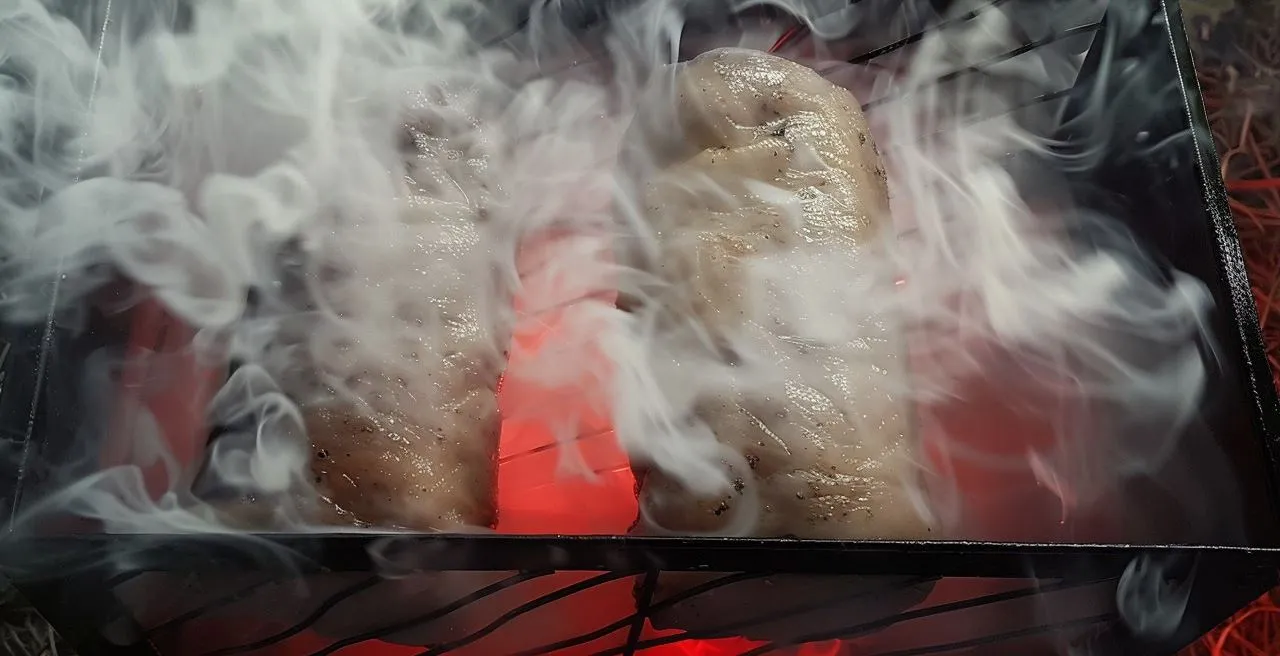
The smoking process is a crucial step in salo-making, and Ukrainian artisans have mastered both the cold-smoking and hot-smoking techniques. Cold-smoking, a slower and more gentle process, imparts a delicate, nuanced smokiness that enhances the natural flavors of the pork fat. Hot-smoking, on the other hand, is a faster method that can produce a more pronounced, robust smoke flavor, often accompanied by a deeper, richer color and a firmer texture.
Modern adaptations and innovations
Experimenting with spices and herbs
While traditional salo-making techniques are deeply rooted in Ukrainian culinary heritage, some modern salo makers are exploring new frontiers by incorporating innovative spice and herb blends. From the addition of fragrant peppercorns and aromatic bay leaves to the inclusion of bold, herbaceous flavors like rosemary or thyme, these experiments add depth and complexity to the salo's flavor profile, while still honoring the core traditions of the craft.
Incorporating new smoking techniques
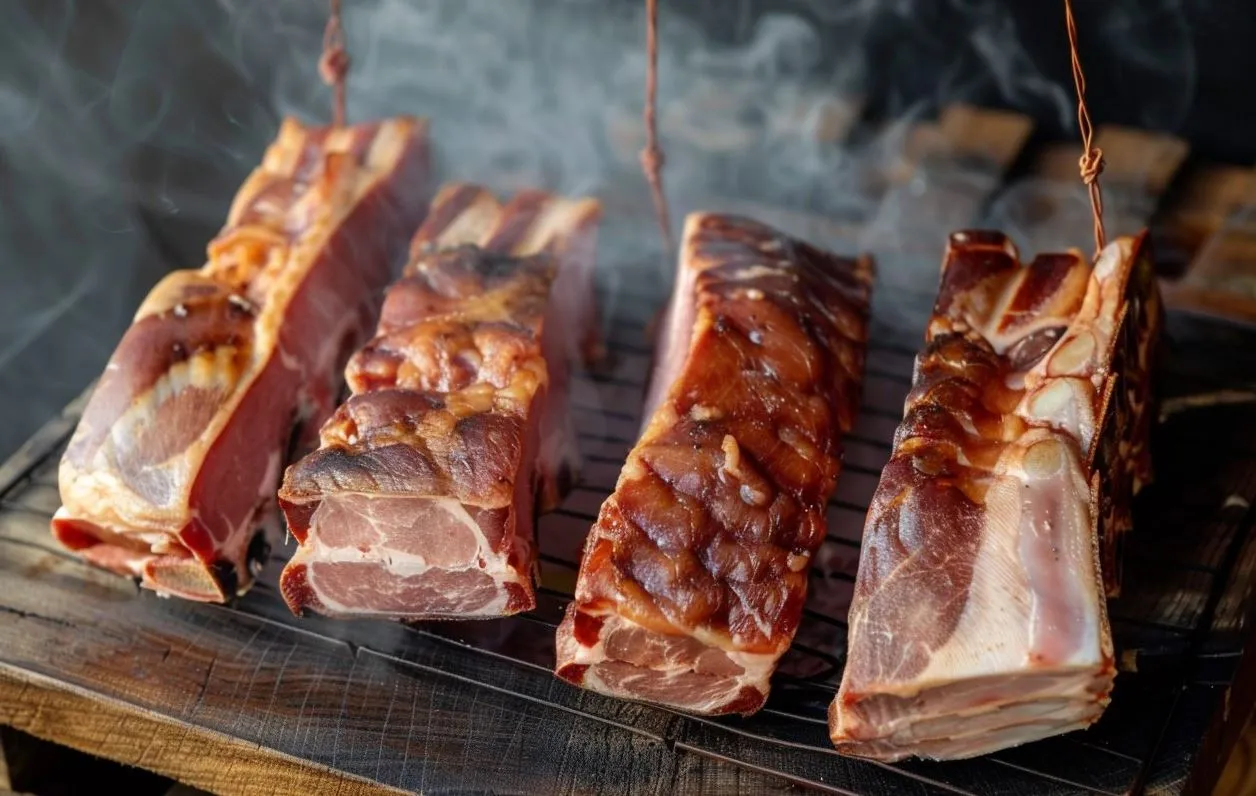
In addition to the classic cold-smoking and hot-smoking methods, some Ukrainian salo makers are experimenting with novel smoking techniques, such as using a combination of different wood types or even incorporating alternative fuel sources, like charcoal or dried herbs. These innovative approaches allow salo artisans to create unique and captivating flavor experiences, pushing the boundaries of the traditional salo while respecting its cultural significance.
The Art of Savoring Salo
Appreciating the texture and flavor profiles of salo
The texture and flavor of salo can vary greatly depending on the specific cut of pork fat used and the curing and smoking methods employed. Lean salo, derived from the back or belly of the pig, typically has a firmer, more compact texture and a more pronounced saltiness, while the fatty salo from the kidney or jowl regions often exhibits a silkier mouthfeel and a more balanced, nuanced flavor profile.

The smoking process plays a crucial role in shaping the salo's flavor and aroma, and Ukrainian salo connoisseurs have developed a keen appreciation for the subtle differences between cold-smoked and hot-smoked salo. Cold-smoked salo often exhibits a delicate, almost ethereal smokiness that complements the natural richness of the pork fat, while hot-smoked salo can showcase a more robust, assertive smoke flavor that can linger on the palate.
Pairing salo with complementary foods and drinks
Salo is often enjoyed as a standalone delicacy, but it also shines when paired with other traditional Ukrainian fare. Crusty breads, tangy cheeses, and crunchy pickled vegetables can all serve as the perfect foils to the rich, savory flavors of salo, creating a harmonious interplay of textures and tastes.
The robust, complex flavors of salo also lend themselves well to pairing with various Ukrainian beverages. A glass of crisp, chilled vodka can provide a refreshing contrast to the salo's richness, while a hearty, malty beer can accentuate the smoky notes. For a more sophisticated pairing, a bold, full-bodied red wine can complement the salo's umami qualities, creating a truly indulgent culinary experience.
Showcasing salo in traditional dishes
Salo is not merely a standalone delicacy in Ukrainian cuisine; it is also a versatile ingredient that is seamlessly woven into a vast array of traditional dishes. From the classic borscht, where salo adds a luxurious mouthfeel and depth of flavor, to the savory varenyky (dumplings) filled with salo and onions, this humble pork fat is a culinary cornerstone that elevates and transforms the dishes it graces.

Incorporating salo into modern culinary creations
While salo is deeply rooted in Ukrainian culinary tradition, some innovative chefs and home cooks are exploring new ways to incorporate this beloved ingredient into modern culinary creations. From salo-infused sauces and marinades to inventive salo-based appetizers and desserts, these contemporary interpretations showcase the versatility and adaptability of salo, proving that this time-honored ingredient can continue to inspire and delight the modern palate.

As the art of salo-making continues to evolve and captivate the hearts and palates of Ukrainians and food lovers around the world, it is essential to encourage readers to explore and appreciate the intricacies of this culinary tradition. By delving into the science, the techniques, and the cultural significance of salo, we can gain a deeper understanding and respect for the passion and skill that go into crafting this exceptional Ukrainian delicacy. Whether it is through seeking out the finest salo from local artisans, experimenting with salo-based recipes, or even trying one's hand at the art of salo-making, the journey of discovering the wonders of this iconic Ukrainian dish is one that promises to be both enlightening and delicious.