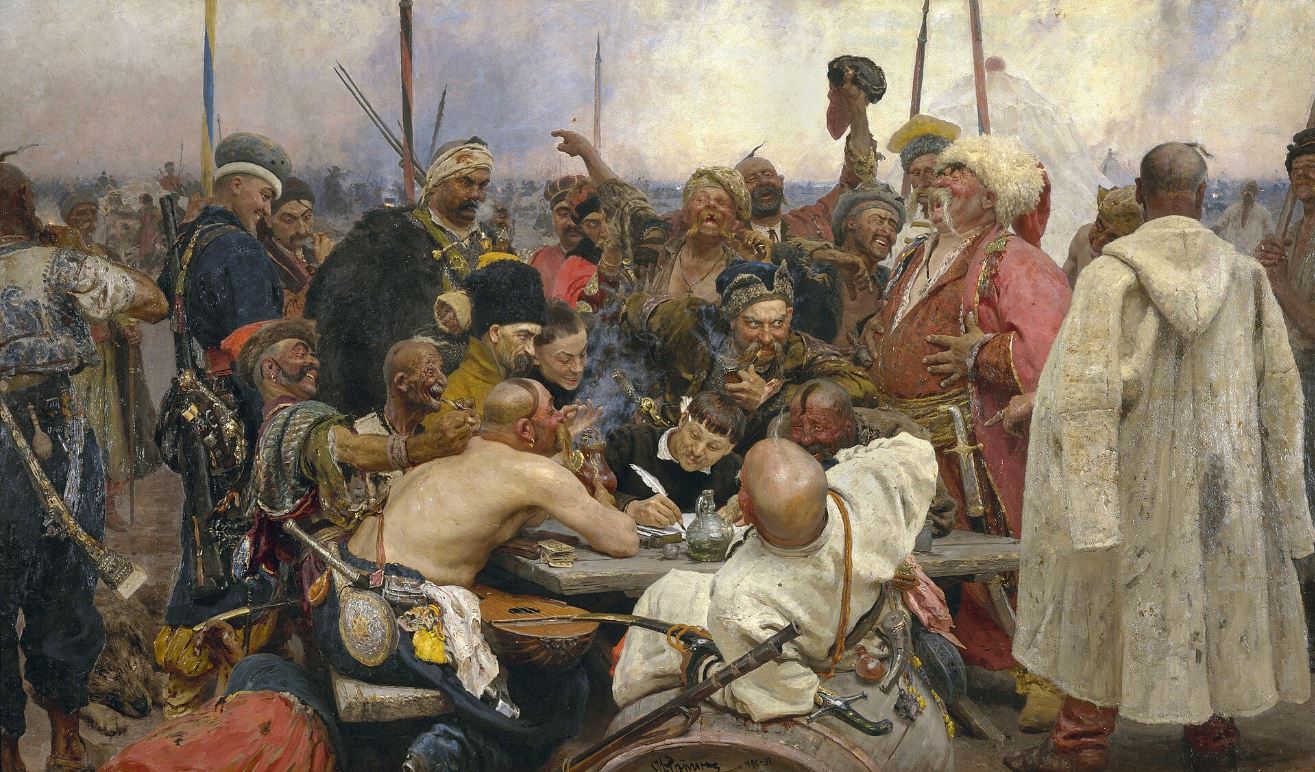


In the annals of Ukrainian history, few documents hold as much significance as the "Pacts and Constitutions of the Rights and Freedoms of the Zaporizhian Host", more commonly known as Orlyk's Constitution. Drafted in 1710 by Hetman Pylyp Orlyk, this groundbreaking document laid the foundation for Ukrainian statehood, outlining a visionary framework for governance that would echo through the centuries. At a time when the political landscape of Eastern Europe was in flux, Orlyk's Constitution stood as a testament to the aspirations of the Ukrainian people, articulating a bold vision for a unified and autonomous Ukrainian state.
The principles enshrined within Orlyk's Constitution were truly ahead of their time, foreshadowing the emergence of modern constitutional democracies across the continent. From the separation of powers and the protection of individual rights to the promotion of national identity and the establishment of a representative governing body, the document's provisions were remarkably progressive, setting the stage for Ukraine's long and arduous journey towards statehood. By examining the visionary principles that shaped Orlyk's Constitution, we can gain a deeper understanding of the pivotal role it played in laying the foundation for Ukrainian national identity and the pursuit of self-determination.
Historical Context
The early 18th century was a tumultuous period in the history of Ukraine, marked by the ongoing power struggle between the Cossack Hetmanate and the competing interests of the Russian Empire, the Polish-Lithuanian Commonwealth, and the Ottoman Empire. Following the defeat of the Swedish-Ukrainian alliance at the Battle of Poltava in 1709, the Cossack leader Ivan Mazepa sought to secure Ukraine's independence by forging an alliance with the Swedish King Charles XII. However, Mazepa's death in 1709 left a power vacuum that was filled by his close ally, Pylyp Orlyk, who was elected as the new Hetman of the Zaporozhian Host.
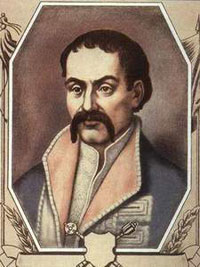
Faced with the daunting task of navigating the complex geopolitical landscape, Orlyk recognized the urgent need to establish a comprehensive framework for Ukrainian governance. The Cossack Hetmanate had long operated under a system of customary laws and traditions, but the changing political realities demanded a more formal and structured approach to state-building. Orlyk's Constitution, drafted in 1710, was a bold attempt to codify the rights and freedoms of the Ukrainian people, as well as to define the powers and responsibilities of the Hetman and the Cossack leadership.
The document's creation was a direct response to the growing encroachment of foreign powers on Ukrainian autonomy. Orlyk and his contemporaries understood that the only way to safeguard the Ukrainian nation was to establish a strong, centralized state with a clear system of governance. By outlining a comprehensive set of principles and institutions, Orlyk's Constitution sought to provide a blueprint for a sovereign and independent Ukrainian state, one that could withstand the pressures of its powerful neighbors.
Key Principles of Orlyk's Constitution
Orlyk's Constitution was a groundbreaking document that embodied a remarkable vision for Ukrainian statehood. At its core, the document outlined a series of visionary principles that would shape the development of Ukrainian political thought and governance for centuries to come.
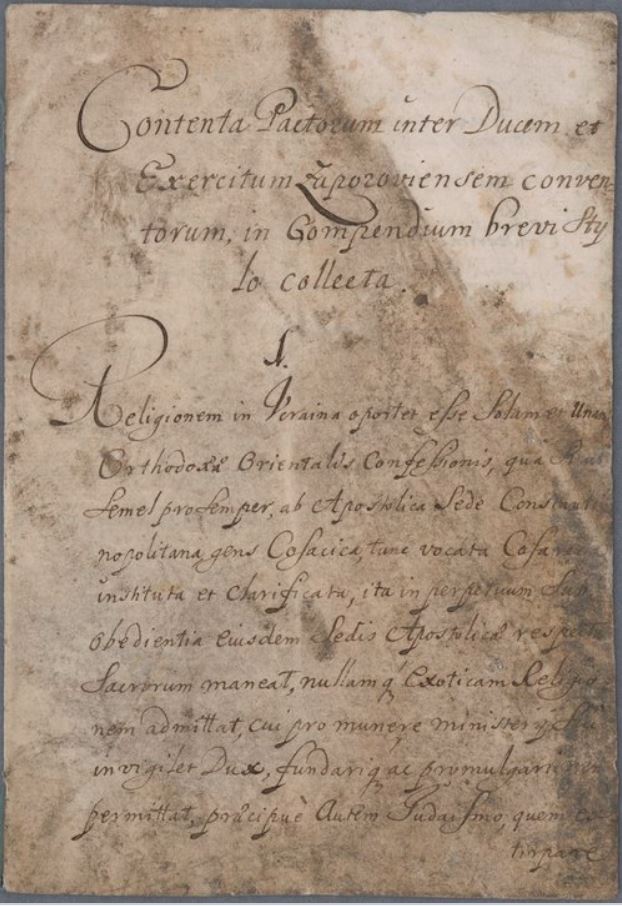
One of the most significant aspects of Orlyk's Constitution was its embrace of the separation of powers, a concept that was still nascent in the political thought of the time. The document clearly delineated the roles and responsibilities of the Hetman, the Cossack leadership, and the newly established General Council, effectively creating a system of checks and balances to prevent the concentration of power in any single entity. This separation of powers was a crucial step in ensuring the stability and longevity of the Ukrainian state, as it provided a framework for the peaceful transfer of power and the protection of individual rights.
Closely tied to the separation of powers was the Constitution's emphasis on the protection of individual rights and freedoms. Orlyk's Constitution explicitly guaranteed a range of civil liberties, including freedom of religion, the inviolability of private property, and the right to a fair trial. These provisions were remarkably progressive for the time, reflecting a deep understanding of the importance of individual autonomy and the need to safeguard the rights of the Ukrainian people.
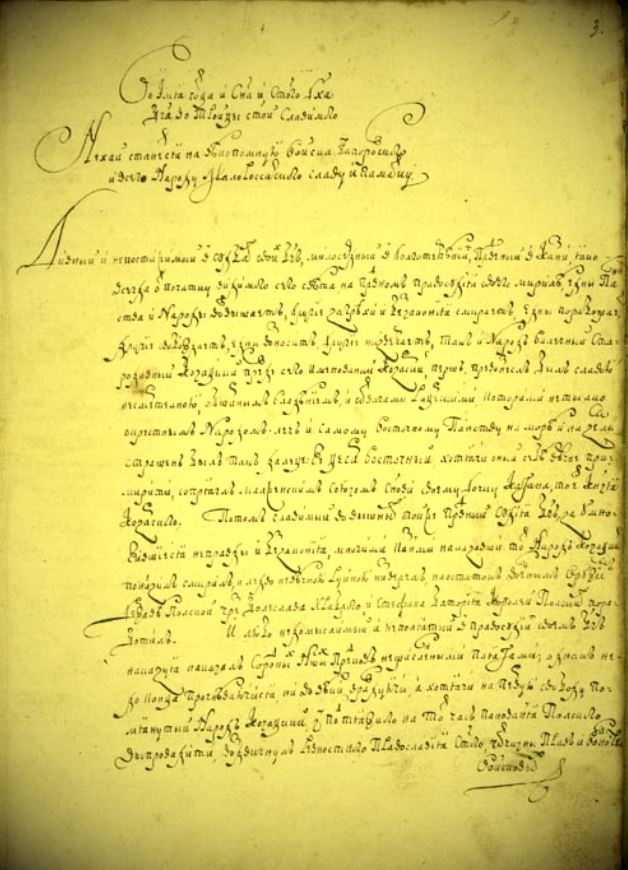
Another key principle enshrined in Orlyk's Constitution was the promotion of national identity and the preservation of Ukrainian cultural heritage. The document recognized the unique linguistic, religious, and historical traditions of the Ukrainian people, and it sought to enshrine these elements as the foundation of the new state. This emphasis on national identity was a critical component of Orlyk's vision, as it provided a unifying force that could transcend the regional and political divisions that had long plagued the Ukrainian lands.
Underpinning these principles was the establishment of a representative governing body, the General Council, which was to serve as the legislative branch of the Ukrainian state. The Constitution granted the General Council the power to oversee the actions of the Hetman, to approve the appointment of senior officials, and to deliberate on matters of national importance. This innovative approach to governance reflected Orlyk's belief in the importance of popular participation and the need to balance the power of the Hetman with the will of the people.
When compared to other contemporary constitutions in Europe, Orlyk's document stands out as a remarkably progressive and visionary blueprint for state-building. While the constitutions of the time tended to focus on the absolute power of the monarch or the privileges of the nobility, Orlyk's Constitution placed a strong emphasis on the rights and freedoms of the individual, the separation of powers, and the promotion of national identity. These principles were not only ahead of their time but also foreshadowed the emergence of modern constitutional democracies across the continent.
Impact on Ukrainian Statehood
The visionary principles enshrined in Orlyk's Constitution had a profound and lasting impact on the development of Ukrainian statehood. Though the document was not fully implemented due to the unfavorable geopolitical circumstances of the time, its influence can be seen in the subsequent efforts to establish a unified and autonomous Ukrainian state.

One of the most significant legacies of Orlyk's Constitution was its role in shaping the Ukrainian national identity. By explicitly recognizing the unique cultural, linguistic, and religious traditions of the Ukrainian people, the document helped to solidify a sense of collective identity that would serve as a unifying force in the centuries to come. This emphasis on national identity was a crucial step in the long and arduous journey towards Ukrainian statehood, as it provided a rallying cry for the Ukrainian people to assert their right to self-determination.
Moreover, the principles of the separation of powers and the protection of individual rights outlined in Orlyk's Constitution would continue to resonate in Ukrainian political thought and governance. The document's innovative approach to balancing the power of the Hetman with the authority of the General Council foreshadowed the emergence of more democratic forms of government in the region, laying the groundwork for future attempts to establish a stable and accountable political system.
The influence of Orlyk's Constitution can also be seen in the various efforts to establish an independent Ukrainian state throughout the 18th, 19th, and 20th centuries. From the Cossack uprisings of the 1700s to the short-lived Ukrainian People's Republic of 1917-1920, the visionary principles of Orlyk's document continued to inspire and guide the Ukrainian people in their struggle for self-determination. Even during the Soviet era, when the Ukrainian nation was subjected to decades of repression and assimilation, the legacy of Orlyk's Constitution remained a powerful symbol of Ukrainian aspirations for statehood.

It is important to note, however, that the implementation of Orlyk's visionary principles was not without its challenges. The unfavorable geopolitical circumstances of the time, including the ongoing power struggles between the Russian Empire, the Polish-Lithuanian Commonwealth, and the Ottoman Empire, made it difficult for the Cossack Hetmanate to fully realize the potential of Orlyk's Constitution. The document's provisions were often undermined by the competing interests of these foreign powers, who sought to maintain their influence over the Ukrainian lands.
Despite these challenges, the lasting impact of Orlyk's Constitution on the development of Ukrainian statehood cannot be overstated. The document's visionary principles, which emphasized the separation of powers, the protection of individual rights, and the promotion of national identity, laid the foundation for the Ukrainian people's continued pursuit of self-governance and independence. In this sense, Orlyk's Constitution stands as a testament to the resilience and determination of the Ukrainian nation, a blueprint for the realization of their aspirations for a sovereign and prosperous state.