


In the rich tapestry of Ukrainian mythology and folklore, few natural symbols carry as much profound meaning as the kalina (viburnum). More than just a simple plant, kalina represents a complex metaphorical universe that intertwines life, death, beauty, and national identity. This article explores the multifaceted significance of kalina in Ukrainian cultural consciousness.
Mythological Roots and Cosmic Symbolism
In Ukrainian mythology, the kalina (viburnum) emerges as a living symbol that transcends mere botanical existence, weaving together threads of cosmic significance, human experience, and spiritual connection. Far more than a simple plant, kalina represents a profound cosmic bridge that links the earthly realm with the mystical dimensions of life, death, and rebirth.
The plant's vibrant red berries hold deep symbolic meaning, intrinsically linked to blood – the essence of life itself. This connection transforms kalina into a powerful metaphorical representation of vitality, fertility, and spiritual energy. Ancient rituals and incantations reveal the plant's magical properties, depicting it as a supernatural entity capable of controlling elemental forces.
Kalina in Feminine Mythology

Embodying the delicate journey from innocence to womanhood, Kalina appears in Ukrainian folklore as a profound symbol of the feminine essence. More than a mere floral entity, this vibrant plant serves as a living metaphor for the female experience, capturing the nuanced transitions of a woman's life with breathtaking poetic resonance.
The symbolism of kalina is intimately linked with virginal purity, a concept so deeply ingrained in traditional narratives that the plant becomes almost synonymous with a young girl's innocence. Ancient songs whisper of this connection through evocative imagery: "Through the orchard I wandered, plucking kalina flowers. I compared my face to theirs and asked my father: 'Will I be as lovely as this kalina?'" The father's response carries profound cultural weight – a girl's beauty and virtue are intrinsically tied to her proximity to family and tradition.
Breaking a kalina branch or observing dew falling from its delicate petals symbolizes the profound moment of losing virginity – a metaphorical threshold between childhood and womanhood. Wedding ceremonies particularly highlight kalina's symbolic power. In Podillia region, ceremonial loaves and cups are adorned with kalina clusters, explicitly signifying the bride's virtue. Wreaths woven with these vibrant red berries become powerful talismans of feminine purity, transforming a simple botanical element into a sacred emblem of matrimonial expectations.
The kalina's mythology transcends mere representation of innocence, evolving into a complex narrative of feminine transformation. Like the cyclical nature of life itself, the plant embodies joy, sorrow, love, and loss – a microcosm of female experience across generations.

The plant's symbolism encompasses the entire spectrum of a woman's life journey. From youthful beauty – "She blooms like kalina" – to the complexities of married life, kalina represents continuous transformation. Wedding songs frequently depict this evolution, with verses like "Tears will rain upon you like frost on the kalina; children will surround you like flowers encircling the kalina" capturing marriage's bittersweet nature.
Interestingly, kalina also embodies the ideal of a nurturing homemaker. Traditional carols portray her as a graceful, industrious woman: "Against the window, opposite the sun, stands the kalina! Full of berries, she is a beautiful lady. Oh, how gracefully she sits, sewing and embroidering with gold." This imagery elevates the plant from mere symbol to an aspirational archetype of feminine strength and creativity.
The duality of kalina's symbolism – simultaneously representing joy and sorrow – reflects the complex emotional landscape of feminine experience. Its red berries symbolize both life-giving blood and the potential for grief, creating a nuanced representation that transcends simplistic narratives.
Kalina in Ritual and Healing Practices
Ancient healing traditions reveal kalina's remarkable role in ritualistic medicine. Traditional incantations speak of three mystical sisters – Kalina, Malina (raspberry), and Shypshyna (rosehip) –who traverse a magical bridge, wielding extraordinary powers over elemental forces. Their mythical narrative describes their ability to manage three distinct rivers: water, fire, and blood. With water, they extinguish flames; with blood, they staunch mortal wounds – a powerful metaphor for the plant's healing capabilities.
Ritualistic healing practices often incorporated kalina in complex ceremonies designed to stop bleeding and ward off malevolent energies. Practitioners would recite intricate incantations, invoking the plant's mystical properties to heal both physical and spiritual wounds. The plant was believed to possess an inherent ability to transform and purify, making it a crucial element in traditional medicinal practices.

The kalina's significance extends profoundly into funeral and remembrance rituals, where it serves as a powerful symbol of ancestral connection and eternal memory. Ukrainians have long planted kalina near graves, transforming the plant into a living memorial that connects the present with the past.
The mythical "kalinovyi mist" (kalina bridge) represents a profound metaphysical concept of lineage and ancestral connection. This symbolic bridge transcends physical boundaries, connecting generations and preserving familial memories. As Taras Shevchenko's poetry poignantly illustrates, the concern for who will plant a "red kalina" on one's grave speaks to a deep cultural anxiety about familial continuity and remembrance.
Funeral songs and laments frequently invoke kalina as a symbol of transformation and eternal life. The plant becomes a metaphorical representation of the deceased's journey, with its cycles of blooming and withering mirroring human existence.
Kalina in Cossack and National Identity
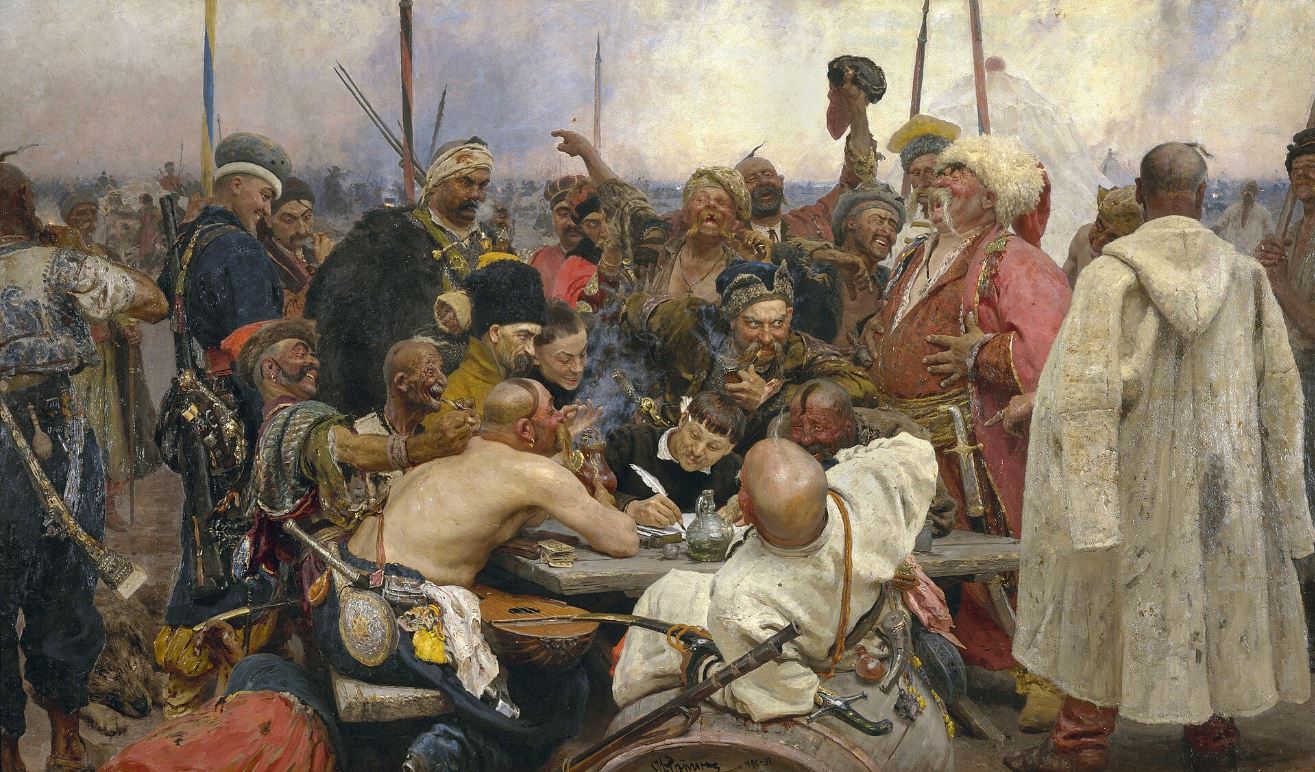
The connection between kalina and martial tradition runs deep, echoing ancient rites of passage and blood brotherhood. Anthropological studies reveal that many cultures practiced ritualistic blood consumption as a means of forging unbreakable bonds between warriors. In this context, the kalina emerges as a potent symbol of bloodshed and heroism. Its crimson berries mirror the red "chinese" (traditional Cossack garment) and the blood spilled on battlefields, creating a powerful visual and metaphorical link to military prowess.

Cossack folk songs breathe life into this symbolism, transforming the kalina into a living narrative of military service and national struggle. These haunting melodies trace the journey of a recruit from birth to battlefield, often mourning those who never returned home. One particularly poignant song captures the essence of this symbolism: "Oh, in the meadow, the red kalina bends low. For some reason, our glorious Ukraine has fallen into sorrow. But we shall lift that red kalina high! We will bring joy back to our beloved Ukraine!"
For Ukrainians living abroad, the kalina becomes a powerful nostalgic symbol of home and heritage. It represents not just a physical place, but an emotional landscape of belonging. As one folk song poetically expresses: "Oh, in the field, the kalina blooms brightly. Oh, our beautiful kin, let us not shy away; let us embrace our roots, for we are many."